

Table of Contents
- Understanding the Basics: What Sets Textured Walls Apart From Smooth Walls
- When to Choose Textured Walls: Design Scenarios That Benefit From Depth
- Creating Focal Points with Textured Walls vs Smooth Accents
- When Smooth Walls Shine: Minimalist and Modern Aesthetics
- Material Considerations: Choosing the Right Product for Your Finish
- Top Materials for Textured Walls
- Top Materials for Smooth Walls
- Impact on Acoustics and Comfort: More Than Just Looks
- Cost and Installation: Budgeting for Textured Walls vs Smooth Finishes
- Styling Tips: Pairing Furniture, Lighting, and Accessories with Your Wall Choice
- Styling Textured Walls vs Smooth Accents
- Quick Tips for a Successful Wall Finish
- Common Mistakes to Avoid When Deciding Between Textured Walls vs Smooth
- Frequently Asked Questions
- Can textured walls improve a room’s acoustics?
- Are smooth walls easier to clean than textured walls?
- Do textured walls increase home resale value?
- What is the best finish for a high‑traffic bathroom?
- How can I transition from a textured wall to a smooth one later?
- Is it possible to mix textured and smooth walls in the same room?
Textured Walls vs Smooth: Choosing the Right Finish for Modern Home Design
When it comes to defining the personality of a room, the choice between textured walls and smooth surfaces can make a dramatic difference. Homeowners and renters alike often wonder which finish will best complement their furniture, lighting, and overall aesthetic. A textured wall can add depth, warmth, and a tactile element, while a smooth wall offers a sleek, contemporary canvas that lets other design pieces shine. In this article we’ll explore the visual, practical, and psychological impacts of each approach, provide actionable styling ideas, and help you decide when textured walls vs smooth finishes are the ideal solution for your space.
Beyond mere appearance, the decision influences acoustics, maintenance, and even resale value. By the end of this guide, you’ll have a clear framework for evaluating your rooms, understanding the material options, and implementing the finish that aligns with your design goals. Whether you’re renovating a bathroom, refreshing a bedroom, or revamping a living room, the insights here will equip you to make confident, style‑savvy choices.
Understanding the Basics: What Sets Textured Walls Apart From Smooth Walls
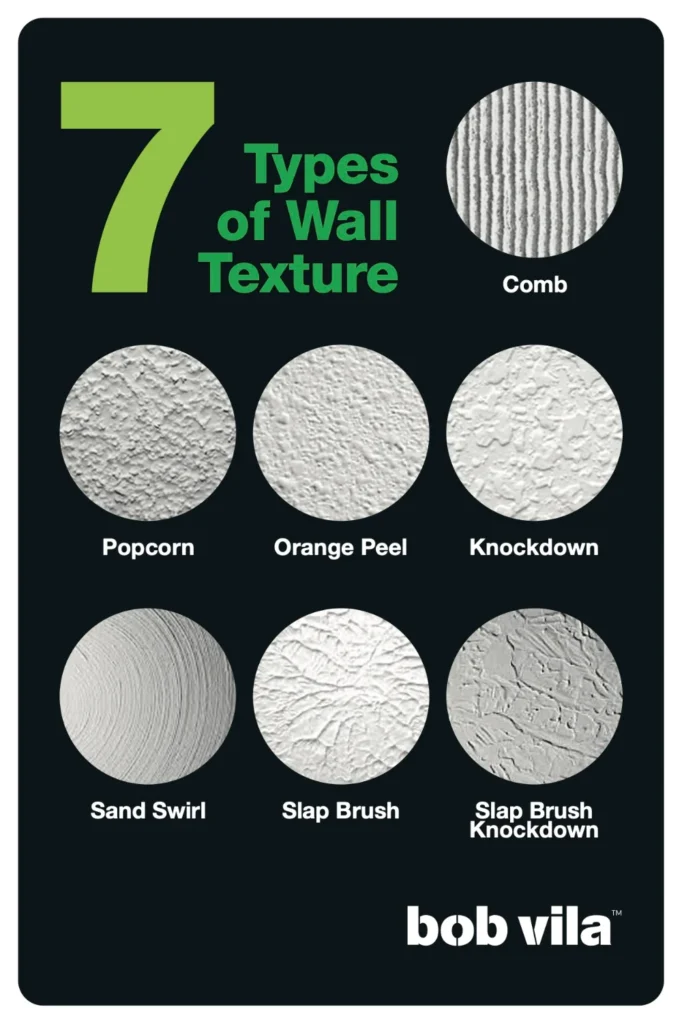
Textured walls are created using techniques such as plaster finishes, knock‑down paint, stucco, or specialty wall panels. These methods produce a surface that catches light in varied ways, creating subtle shadows and a sense of depth. Smooth walls, on the other hand, rely on flat paints, low‑sheen or matte finishes that reflect light uniformly, emphasizing clean lines and a minimalist vibe.
Both finishes have historical roots—textured finishes were popular in traditional European homes, while smooth, white walls became synonymous with mid‑century modernism. Today, designers blend the two, using textured walls as accent features and smooth walls for larger expanses. Understanding the technical side—like the difference between a gypsum-based texture versus a water‑based paint—helps you anticipate preparation, cost, and durability.
When to Choose Textured Walls: Design Scenarios That Benefit From Depth

Textured walls excel in spaces that need a visual anchor or a touch of personality without overwhelming the room. Here are some common scenarios:
Creating Focal Points with Textured Walls vs Smooth Accents
In a living room, a single textured wall behind the sofa can become a natural focal point, drawing attention to artwork or a statement rug. The contrast between the tactile surface and smooth surrounding walls adds dimension without clutter.
- Feature wall in a bedroom: A subtle linen‑like texture behind the headboard adds coziness.
- Dining area backdrop: A hand‑troweled plaster can make a small dining nook feel more intimate.
- Hallway enhancement: For inspiration, see our Hallway Gallery Wall Inspiration article, where textured walls help showcase curated art.
These applications show how textured walls vs smooth choices can shift the mood from stark modern to warm, lived‑in comfort.
When Smooth Walls Shine: Minimalist and Modern Aesthetics

Smooth walls are ideal for spaces where you want other elements—furniture, color accents, or artwork—to take center stage. The uniform surface creates a sense of openness, making rooms appear larger and more airy, especially when paired with natural light.
Key advantages include:
- Reflective quality: Light-colored smooth walls bounce light, enhancing illumination in small rooms.
- Versatile backdrop: Works well with bold patterns, such as geometric rugs or statement wallpaper.
- Ease of maintenance: Flat paint is simpler to touch up and clean, an advantage in high‑traffic areas like kitchens and bathrooms.
For example, a sleek kitchen with smooth walls allows stainless‑steel appliances and colorful backsplash tiles to pop without competing against wall texture.
Material Considerations: Choosing the Right Product for Your Finish
The durability and feel of textured walls vs smooth finishes depend largely on the materials used. Below is a quick guide to popular options:
Top Materials for Textured Walls
- Venetian plaster: Offers a polished, marble‑like finish with subtle depth.
- Knock‑down texture: Applied with a roller, then smoothed with a trowel for a soft, mottled look.
- Fabric‑based panels: Add acoustic benefits and a unique tactile surface.
- Exposed brick or stone veneer: Natural texture that brings an industrial edge.
Top Materials for Smooth Walls
- Matte acrylic paint: Provides a non‑reflective, even surface ideal for modern interiors.
- Low‑sheen enamel: Slight sheen adds durability for high‑traffic rooms.
- Wallpaper with a flat finish: Gives the illusion of smoothness while allowing pattern play.
Choosing the right product also influences how you handle prep work. Textured finishes often require priming and a base coat, while smooth walls may benefit from a skim coat to eliminate imperfections.
Impact on Acoustics and Comfort: More Than Just Looks
Texture isn’t only visual; it can affect how sound travels through a room. Rough surfaces diffuse sound, reducing echo—a boon for home theaters, music rooms, or open‑plan living areas. Conversely, smooth walls reflect sound, which can lead to a livelier acoustic environment but may cause unwanted reverberation in larger spaces.
When planning textured walls vs smooth decisions, consider the room’s function. A textured wall in a bedroom can create a softer, more relaxing soundscape, while a smooth wall in a kitchen helps maintain a bright, energetic feel.
Cost and Installation: Budgeting for Textured Walls vs Smooth Finishes
Budget is a practical factor that often decides between textured and smooth options. Generally, smooth walls are less expensive to install because they involve a straightforward paint job. Textured walls require additional labor, materials, and sometimes specialist contractors, which can raise costs.
Typical price ranges (U.S. market, 2024):
- Smooth paint: $1.00 – $2.50 per square foot (including labor).
- Knock‑down or orange peel texture: $2.00 – $4.00 per square foot.
- Venetian plaster or specialty plaster: $5.00 – $9.00 per square foot.
While textured walls can be a larger upfront investment, they often add perceived value and visual interest that may enhance resale appeal. For homeowners on a tighter budget, consider a single accent wall with texture while keeping the remaining walls smooth.
Styling Tips: Pairing Furniture, Lighting, and Accessories with Your Wall Choice
The right accessories amplify the effect of either textured walls or smooth finishes. Below are practical tips for each scenario.
Styling Textured Walls vs Smooth Accents
- Lighting: Use directional spotlights to highlight texture, creating shadows that emphasize depth.
- Artwork: Large, simple frames work well on textured walls, while intricate pieces can be showcased on smooth walls.
- Furniture: In rooms with textured walls, choose streamlined furniture to avoid visual clutter. For smooth walls, you can experiment with bold patterns and sculptural pieces.
For a small bedroom makeover, see our guide on Small Bedroom Dresser Décor Ideas, where smooth walls are paired with a textured headboard for balanced contrast.
Quick Tips for a Successful Wall Finish
- Test a small patch of texture before committing to an entire wall.
- Use a high‑quality primer to ensure even adhesion for both textured and smooth finishes.
- Consider the room’s lighting—natural light can soften texture, while artificial fixtures can highlight it.
- Match your wall finish to the scale of the room; larger spaces can handle bold textures, smaller rooms benefit from smooth surfaces.
- Seal textured walls with a clear matte sealer to protect against dust and stains.
Common Mistakes to Avoid When Deciding Between Textured Walls vs Smooth
- Over‑texturing: Applying heavy texture to a small room can make it feel cramped. Balance with smooth expanses.
- Ignoring preparation: Skipping proper surface cleaning or priming leads to peeling or uneven texture.
- Choosing the wrong sheen: High‑gloss smooth finishes can create glare; matte or low‑sheen is generally more forgiving.
- Neglecting future décor: A highly specific texture may limit later style changes. Opt for versatile textures if you anticipate redesigns.
- Underestimating cost: Budget only paint costs and forget labor for textured applications; always get detailed quotes.
Frequently Asked Questions
Can textured walls improve a room’s acoustics?
Yes, textured surfaces scatter sound waves, reducing echo and creating a softer acoustic environment. This is especially useful in media rooms, bedrooms, or open‑plan living areas where you want a calmer sound profile.
Are smooth walls easier to clean than textured walls?
Generally, smooth walls are simpler to wipe down because dust and stains don’t settle in crevices. Textured walls can accumulate dust, but a sealant or regular vacuuming with a soft brush can keep them looking fresh.
Do textured walls increase home resale value?
A well‑executed textured accent wall can add perceived value and visual interest, appealing to buyers who appreciate design depth. However, overly bold textures may turn off some buyers, so subtlety is key.
What is the best finish for a high‑traffic bathroom?
For bathrooms, smooth, moisture‑resistant paint or a low‑sheen enamel is preferred. If you love texture, consider a subtle, water‑proof plaster or tile with a matte finish that mimics texture without compromising durability.
How can I transition from a textured wall to a smooth one later?
Start by applying a skim coat of joint compound to even out the surface, sand it smooth, then prime and paint. This process can be labor‑intensive, so plan ahead if you anticipate a future change.
Is it possible to mix textured and smooth walls in the same room?
Absolutely. Many designers use a textured accent wall alongside smooth surrounding walls to create balance and focal interest. The key is to ensure the color palette and lighting complement both finishes.
Choosing between textured walls vs smooth finishes is ultimately about aligning the wall’s character with the room’s function, your personal style, and practical considerations such as maintenance and budget. By evaluating the visual impact, acoustic benefits, and cost implications outlined above, you can make an informed decision that elevates your home’s aesthetic.
If you’re looking for more inspiration, explore how different cabinet finishes compare in our Cabinet Coat vs Advance article, or learn about window selections in Pella vs Marvin vs Andersen. These resources demonstrate how cohesive design decisions—from walls to fixtures—create harmonious living spaces.
Now that you’ve seen the strengths and drawbacks of both approaches, experiment with a small test area, consider the room’s purpose, and let your personal taste guide the final choice. Whether you settle on a striking textured accent or a pristine smooth canvas, the right wall finish will set the tone for a beautifully styled home.