
Table of Contents
- dremel vs oscillating tool: Understanding the Basics
- dremel vs oscillating tool: Which One Handles Detail Work?
- Power, Speed, and Versatility Comparison
- Ideal Home Projects for Each Tool
- Ergonomics and User Experience
- Cost, Accessories, and Long‑Term Value
- Making the Right Choice for Your Home Décor Projects
- Quick Tips for Home DIY Success
- Common Mistakes and How to Avoid Them
- Frequently Asked Questions
Dremel vs Oscillating Tool: Which Is Best for Home DIY Projects
When it comes to tackling small‑scale renovations, the right power tool can make the difference between a flawless finish and a frustrating redo. Homeowners, renters, and décor enthusiasts often find themselves weighing the merits of a rotary multitool against an oscillating multi‑tool. This comparison—dremel vs oscillating tool—goes beyond brand names and dives into performance, ergonomics, and the types of projects each excels at.
Both tools promise versatility, but they operate on distinct mechanical principles. A dremel spins its accessories at high RPM, delivering precise cuts, engravings, and polishing. An oscillating tool, on the other hand, moves its blade or attachment back and forth at a rapid angle, excelling at demolition, sanding, and cutting through tougher materials. Understanding these differences helps you select the device that aligns with your design goals, whether you’re refreshing a kitchen backsplash, installing crown molding, or adding a subtle decorative touch.
In the following sections, we’ll break down the core attributes of each, explore real‑world home décor scenarios, and provide actionable tips so you can make an informed decision. By the end, you’ll know exactly when to reach for a dremel and when an oscillating tool will save you time, money, and effort.
dremel vs oscillating tool: Understanding the Basics
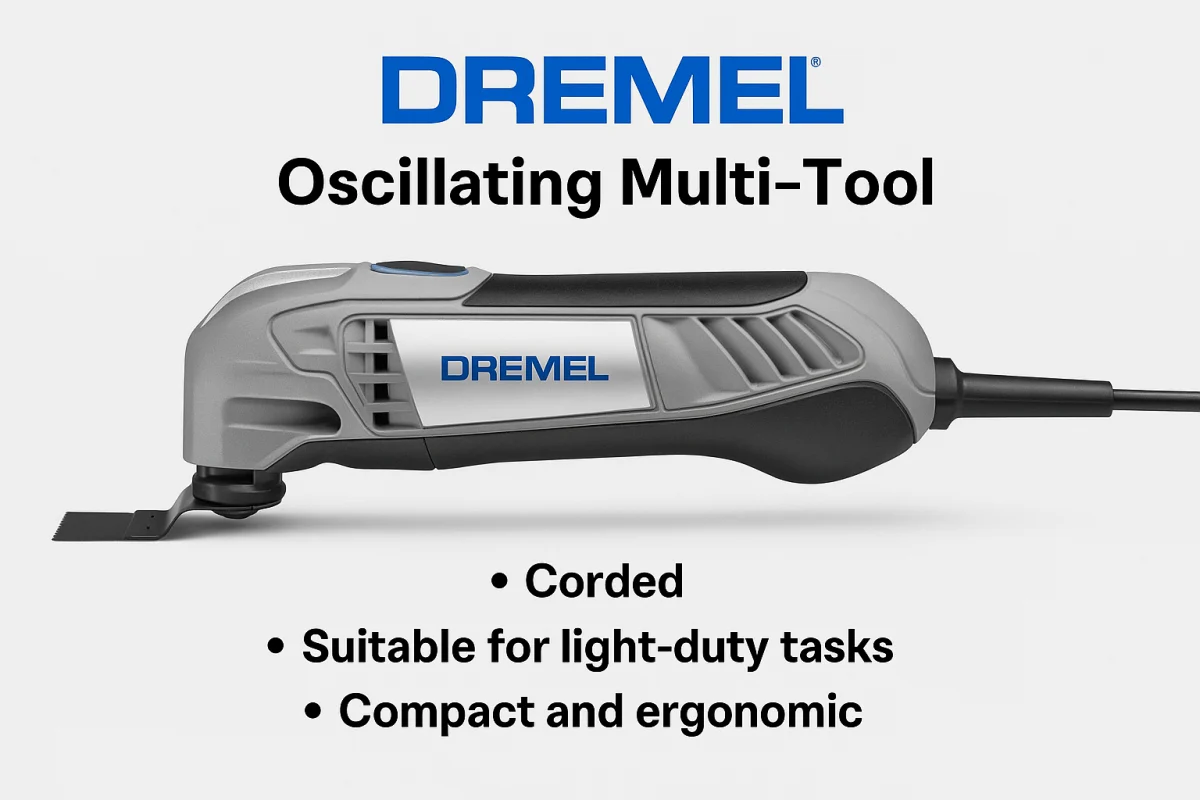
The first step in the dremel vs oscillating tool debate is to grasp how each device works. A dremel, often called a rotary multitool, spins its accessories at speeds ranging from 5,000 to 35,000 RPM. This high‑speed rotation is ideal for intricate tasks such as carving wood inlays, engraving glass, or polishing metal fixtures. Because the attachment spins around a single axis, the tool can fit into tight corners and reach areas that larger devices cannot.
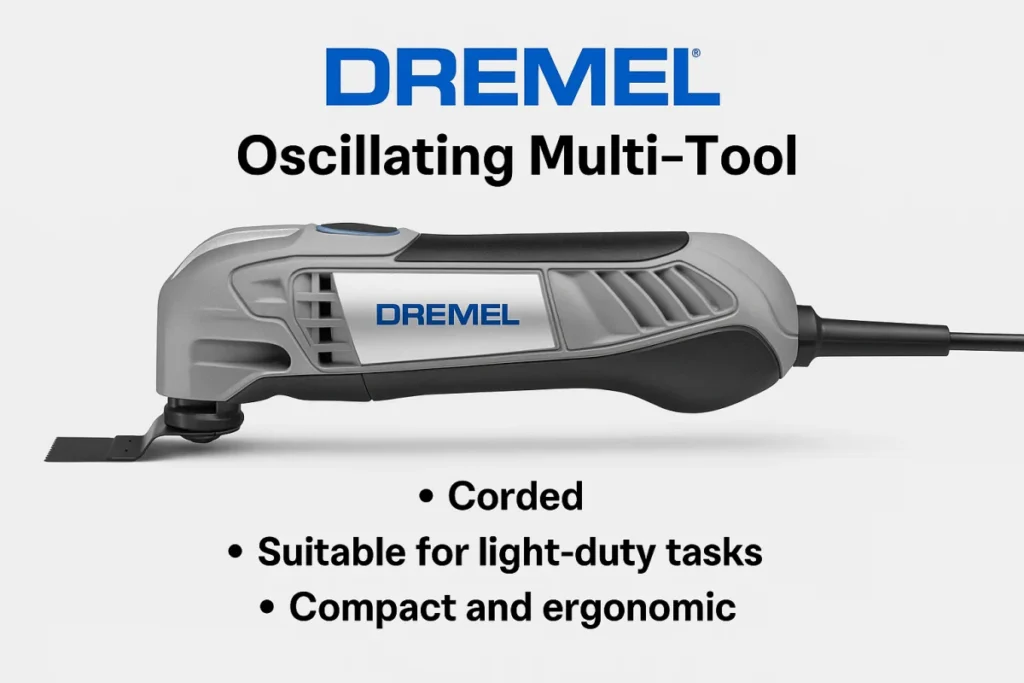
In contrast, an oscillating tool moves its attachment in a rapid side‑to‑side motion, typically oscillating at 2,500 to 20,000 oscillations per minute. This motion creates a cutting action that is less likely to bind or kick back when encountering dense materials like drywall, tile, or hardwood. The oscillation also reduces vibration, making the tool comfortable for longer sessions. The versatility of an oscillating tool shines in tasks such as under‑cutting baseboards, removing grout, or sanding curved surfaces.
Both tools come with a range of accessories, but the dremel’s attachments are often smaller and more specialized, while the oscillating tool’s blades and pads tend to be larger and designed for heavier duty work. Knowing which motion—rotational or oscillatory—matches the material and precision you need is the cornerstone of choosing between dremel vs oscillating tool.
dremel vs oscillating tool: Which One Handles Detail Work?
If your project calls for delicate detail, the dremel usually takes the lead. Its high RPM enables you to carve fine patterns into reclaimed wood, add decorative fretwork to a bedroom headboard, or engrave a personalized monogram on a glass vase. The small, interchangeable bits—such as carbide cutters, sanding drums, and polishing wheels—provide a level of control that an oscillating tool’s larger blades simply cannot replicate.
That said, an oscillating tool can still manage detail work when paired with the right accessories. Fine‑tooth sanding pads and narrow wood‑cutting blades can create clean lines on trim or crown molding. However, the oscillation’s side‑to‑side motion may produce a slightly rougher finish, requiring a follow‑up pass with a dremel or a finer sandpaper.
For interior design projects that demand a polished aesthetic—think restoring a vintage lamp shade or refinishing a decorative metal rail—the dremel’s precision often saves time and yields a smoother result. When you’re working on a small decorative element that fits inside a tight alcove, the dremel’s slim profile gives you the edge.
Power, Speed, and Versatility Comparison
When evaluating dremel vs oscillating tool, power output is a key metric. Dremels typically operate on lower torque, which is sufficient for light‑cutting tasks but can struggle with dense materials like thick hardwood or masonry. Their advantage lies in speed: the ability to spin up to 35,000 RPM allows for fast material removal when using the appropriate bit.
Oscillating tools, meanwhile, boast higher torque and a broader range of cutting depths. The oscillating action can slice through 1‑inch thick drywall, cut PVC pipe, and even prune small tree branches. Because the tool’s motion is less dependent on RPM, you can maintain consistent performance across varied materials without constantly adjusting speed settings.
From a versatility standpoint, the dremel shines in crafting and finishing stages, while the oscillating tool dominates demolition and structural modification phases. Many DIY enthusiasts keep both in their toolbox, using the dremel for the final touches—like smoothing a hand‑carved railing—and the oscillating tool for the heavy lifting—such as removing old tile before installing new flooring.
Ideal Home Projects for Each Tool
Choosing between dremel vs oscillating tool often depends on the specific project at hand. Here are a few common home décor scenarios and the tool that excels in each:
- Updating a kitchen backsplash: Use an oscillating tool with a grout removal blade to clear old mortar quickly. Follow up with a dremel to trim tile edges for a seamless fit.
- Refinishing a wooden coffee table: A dremel’s sanding drums can reach tight corners and intricate carvings, while an oscillating tool can sand larger, flat surfaces efficiently.
- Installing crown molding: An oscillating tool’s plunge cut capability makes precise under‑cutting a breeze. Finish the joint with a dremel for a smooth, paint‑ready edge.
- Creating decorative wall art: The dremel’s engraving accessories let you etch patterns into wood or metal, adding a personalized touch to a living‑room feature wall.
- Repairing cracked plaster: An oscillating tool can remove loose plaster cleanly, while a dremel can smooth the surrounding area before applying fresh compound.
By aligning the strengths of each tool with the task, you can streamline the workflow and achieve professional‑grade results without hiring a contractor.
Ergonomics and User Experience
Comfort during use is often overlooked in the dremel vs oscillating tool conversation, yet it can significantly affect the quality of your work. Dremels are lightweight, typically weighing between 1.5 and 2.5 pounds, and feature a pistol‑grip design that reduces fatigue during prolonged detail work. Their compact size lets you maneuver in cramped spaces, such as behind a built‑in bookshelf or inside a narrow bathroom vanity.
Oscillating tools are generally bulkier, ranging from 3 to 5 pounds, but many models incorporate vibration‑reduction technology and ergonomic handles that distribute weight evenly. Some premium oscillating tools offer interchangeable side handles, allowing you to switch between a vertical grip for ceiling work and a horizontal grip for wall applications.
When selecting a tool for home décor projects, consider how often you’ll use it and the duration of each session. If you anticipate frequent, short bursts of work—like polishing light fixtures—a dremel’s low‑vibration profile may be more comfortable. For longer demolition tasks, such as removing old flooring, an oscillating tool’s built‑in dust extraction port can keep the workspace cleaner and reduce the need for frequent pauses.
Cost, Accessories, and Long‑Term Value
Budget is a practical factor in the dremel vs oscillating tool decision. Entry‑level dremel kits start around $40 and include a basic set of bits, while comprehensive kits can exceed $150, offering specialized accessories for jewelry making, glass engraving, and more. Replacement bits are inexpensive, but because they wear out quickly on harder materials, you may need to restock regularly.
Oscillating tools typically have a higher upfront cost, with quality models ranging from $80 to $200. However, the accessories—blades, sanding pads, and cutting attachments—are generally more durable and can handle a wider variety of materials before needing replacement. Many manufacturers provide combo kits that bundle essential attachments, delivering solid value for homeowners tackling multiple renovation tasks.
When calculating long‑term value, factor in the frequency of use and the diversity of projects you plan to undertake. If your primary focus is decorative finishing, the dremel’s lower initial price and specialized bits may pay off. If you foresee regular maintenance tasks, such as seasonal home repairs, the oscillating tool’s robust accessories could prove more economical over time.
Making the Right Choice for Your Home Décor Projects
Ultimately, the answer to dremel vs oscillating tool isn’t a simple either/or; it’s about matching the tool to the task. For homeowners who love crafting bespoke décor pieces—like a handcrafted wooden picture frame or a custom‑etched glass vase—the dremel’s precision and high speed are indispensable. For those who frequently remodel, replace flooring, or need to cut through tough substrates, the oscillating tool’s power and versatility are unmatched.
One practical approach is to start with a high‑quality oscillating tool for the heavy lifting and then add a dremel for the finishing touches. This combination equips you to handle everything from demolition to delicate detailing without the need to purchase multiple single‑purpose tools.
Before you decide, assess the scope of your upcoming projects, consider the ergonomic comfort you’ll need, and weigh the cost of accessories against the frequency of use. By aligning these factors, you’ll choose the tool that not only fits your budget but also enhances your ability to create stunning, personalized spaces.
Quick Tips for Home DIY Success
- Start with a small, low‑speed setting on the dremel when testing a new material to avoid splintering or overheating.
- Use the oscillating tool’s plunge cut feature for precise under‑cutting of baseboards—this prevents damaging adjacent walls.
- Keep a spare set of both dremel bits and oscillating blades on hand; downtime waiting for replacements can derail a project.
- When sanding, follow the grain direction with the dremel’s sanding drum and cross‑grain with the oscillating tool’s flap disc for a smoother finish.
- Maintain a clean work area; dust extraction attachments on oscillating tools reduce cleanup time and improve indoor air quality.
Common Mistakes and How to Avoid Them
Even experienced DIYers can fall into pitfalls when using power tools. Here are a few common errors in the dremel vs oscillating tool arena and strategies to prevent them:
- Using the wrong attachment speed: Running a dremel bit at maximum RPM on soft plastic can melt the material. Adjust speed based on the manufacturer’s recommendations.
- Neglecting safety gear: Both tools generate debris; always wear safety glasses, hearing protection, and a dust mask, especially when sanding or cutting drywall.
- Applying excessive pressure: For oscillating tools, pressing too hard can cause the blade to bind, increasing the risk of kickback. Let the tool do the work.
- Skipping test cuts: Before committing to a full‑scale cut, perform a test on a scrap piece to confirm depth and finish quality.
- Overlooking tool maintenance: Regularly clean dust from vents and replace worn brushes in the dremel to maintain optimal performance.
Frequently Asked Questions
Can a dremel replace an oscillating tool for home renovations?
While a dremel excels at precision tasks, it lacks the torque and cutting depth required for many renovation jobs such as cutting through thick drywall or removing tile. For comprehensive home upgrades, an oscillating tool remains the more practical choice.
Is the oscillating tool louder than a dremel?
Generally, oscillating tools produce a higher decibel level due to their larger motor and the side‑to‑side motion. If noise is a concern in an apartment or shared space, consider using the dremel for quieter, detailed work.
What accessories are essential for a dremel when working on interior design projects?
Key accessories include fine‑grit sanding drums, carbide cutting bits for wood and metal, polishing wheels for chrome fixtures, and engraving tips for glass or stone. A flexible shaft attachment can also extend reach in tight spots.
Do oscillating tools work on metal?
Yes, with the appropriate bi‑metal or carbide blades, an oscillating tool can cut thin sheet metal, aluminum flashing, and steel pipe. However, for heavy‑duty metalwork, a dedicated reciprocating saw may be more efficient.
How do I store my power‑tool accessories to keep them organized?
Use a compartmentalized toolbox or a wall‑mounted pegboard with labeled hooks. Group accessories by tool type—dremel bits in one section, oscillating blades in another—to quickly locate the right attachment during a project.
Can I use a dremel for sanding a painted wall before repainting?
A dremel’s small sanding drums can smooth minor imperfections, but for larger wall areas, an oscillating tool with a flap sanding pad provides faster coverage and a more uniform finish.
By addressing these common queries, you can feel more confident in navigating the dremel vs oscillating tool landscape and select the right equipment for your next home décor endeavor.
Whether you’re polishing a vintage chandelier, trimming a fresh coat of crown molding, or tackling a full‑scale bathroom remodel, understanding the strengths of each tool empowers you to create beautiful, functional spaces. Pair the precision of a dremel with the power of an oscillating tool, and you’ll have a versatile toolkit ready for any design challenge. For additional inspiration on how to integrate your DIY results into a cohesive interior, explore our guide on cozy living room lighting ideas or discover minimalist plant styling for bedroom décor. Happy building, and enjoy the satisfaction of crafting spaces that truly reflect your personal style.