

Table of Contents
- Why Minimalist Plant Styling Works in the Bedroom
- Choosing the Right Plants for Minimalist Bedroom Décor
- Strategic Placement: Where to Position Plants for Maximum Impact
- 1. Nightstand Elegance
- 2. Floating Shelves and Wall‑Mounted Planters
- 3. Corner Statements
- Integrating Plant Styling with Existing Bedroom Elements
- Quick Tips for Maintaining a Minimalist Plant Aesthetic
- Common Mistakes to Avoid in Bedroom Plant Styling
- Frequently Asked Questions
- Can I use real plants in a bedroom with low natural light?
- How often should I water my minimalist bedroom plants?
- Are artificial plants a good alternative for minimalist bedroom décor?
- What size pot is ideal for a small bedroom?
- Can I incorporate hanging planters in a minimalist bedroom?
- Do plants affect my sleep quality?
Bedroom Décor with Minimalist Plant Styling: A Fresh Take on Modern Sleep Spaces
Creating a sanctuary that feels both calming and contemporary is a priority for many homeowners and renters alike. One of the most effective ways to achieve this balance is by embracing bedroom décor with minimalist plant styling. Plants bring life, purify the air, and add a subtle splash of color without overwhelming the clean lines that define minimalist design. When used thoughtfully, they become an integral part of the room’s aesthetic rather than a decorative afterthought.
In this article we’ll explore how to blend the serenity of plants with the sleek simplicity of minimalist interiors. You’ll learn how to choose the right greenery, arrange it for maximum impact, and avoid common pitfalls that can turn a tranquil retreat into visual clutter. Whether you’re working with a compact studio or a spacious master suite, the principles shared here will help you craft a bedroom that feels both airy and inviting.
From selecting low‑maintenance succulents to pairing tall foliage with floating shelves, we’ll walk through each step of the process. Along the way, we’ll reference related ideas—like Simple Natural Home Décor Inspiration—to give you a broader perspective on how plant styling can enhance every corner of your home.
Why Minimalist Plant Styling Works in the Bedroom

The appeal of bedroom décor with minimalist plant styling lies in its ability to soften stark surfaces while preserving a sense of order. Minimalism thrives on restraint: neutral palettes, uncluttered surfaces, and functional furniture. Introducing a few carefully chosen plants adds texture and a touch of nature without compromising the clean aesthetic. Moreover, plants have proven psychological benefits—lowering stress, improving sleep quality, and boosting overall wellbeing—making them an ideal companion for a space dedicated to rest.
When you think of minimalist plant styling, picture a single, sculptural ficus in a matte black pot or a row of tiny succulents perched on a floating nightstand. The key is to let each plant serve a purpose, whether it’s visual balance, air purification, or subtle scent. By limiting the number of pieces and focusing on form, you avoid the “plant overload” that can detract from the calming vibe of a bedroom.
Choosing the Right Plants for Minimalist Bedroom Décor
Not every plant is suitable for a minimalist bedroom. Opt for species that have clean lines, modest growth habits, and low maintenance requirements. Here are some top picks:
- Snake Plant (Sansevieria) – Tall, architectural leaves that thrive in low light.
- ZZ Plant (Zamioculcas zamiifolia) – Glossy, waxy foliage that adds subtle shine.
- Monstera Deliciosa – A single mature leaf can become a statement piece.
- Echeveria Succulents – Compact rosettes perfect for bedside tables.
- Peace Lily (Spathiphyllum) – Offers a gentle white bloom and excellent air‑cleaning abilities.
When selecting pots, stick to neutral tones—soft greys, muted whites, or matte black finishes—to keep the visual language consistent. For a truly minimalist feel, consider geometric containers such as cylinders or rectangular boxes that echo the room’s architectural lines.
Strategic Placement: Where to Position Plants for Maximum Impact

Placement is as important as the plants themselves. In a minimalist bedroom, you want each green element to act like a functional piece of décor, guiding the eye and enhancing spatial flow. Below are three zones where bedroom décor with minimalist plant styling can shine:
1. Nightstand Elegance
Instead of a cluttered collection of books and gadgets, place a single small pot—perhaps an Echeveria or a tiny pothos—in a sleek metal or ceramic holder on your nightstand. This adds a touch of life at eye level, creating a soothing visual cue before you drift off to sleep.
2. Floating Shelves and Wall‑Mounted Planters
Floating shelves are a staple of minimalist design. Use them to display a curated row of plants, such as a line of snake plants in matching black pots. The vertical arrangement draws the eye upward, making the ceiling appear higher—an essential illusion in smaller rooms.
3. Corner Statements
A single tall plant, like a fiddle‑leaf fig in a low‑profile planter, can become a focal point when placed in an empty corner. Its height adds dimension without sacrificing floor space, and its foliage provides a gentle contrast to the room’s linear furniture.
Integrating Plant Styling with Existing Bedroom Elements
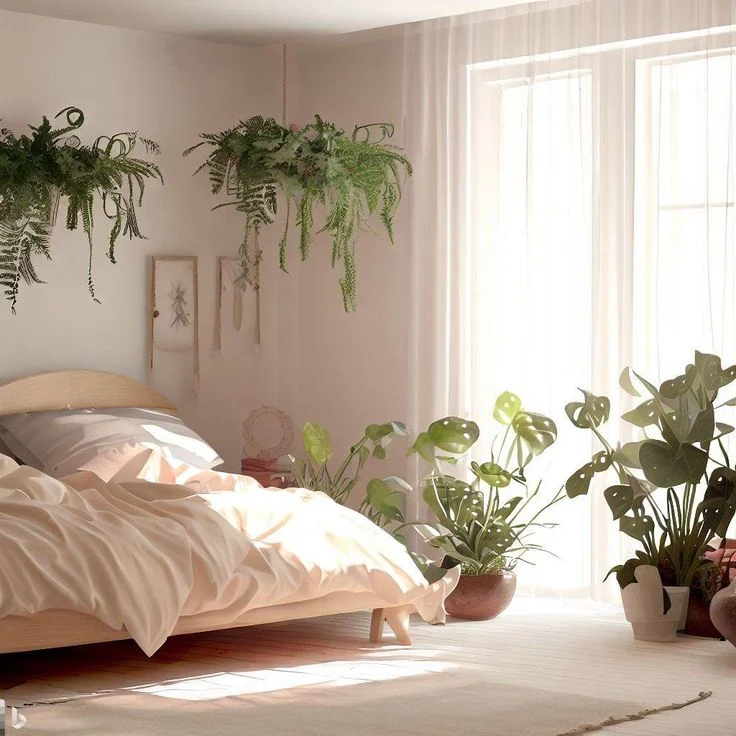
To keep the overall look cohesive, align your plant choices with the bedroom’s existing color scheme and textures. If your bedding features cool blues and soft greys, opt for pots in similar hues and choose plants with silvery or blue‑toned leaves, like the silver dollar eucalyptus. If your room leans toward warm neutrals—beige, taupe, or soft white—earthy terracotta pots can add warmth while still adhering to the minimalist ethos.
Lighting also plays a crucial role. Minimalist bedrooms often rely on recessed lighting or simple pendant fixtures. Position plants where they receive indirect natural light, such as near a window with sheer curtains, to avoid harsh shadows and ensure healthy growth. For low‑light areas, select shade‑tolerant varieties like ZZ plants or pothos.
Quick Tips for Maintaining a Minimalist Plant Aesthetic
- Limit the number of pots to three or four key pieces; quality over quantity.
- Choose containers with clean lines—no ornate details or excessive texture.
- Rotate plants periodically to ensure even light exposure.
- Water only when the soil feels dry an inch below the surface to prevent over‑watering.
- Dust leaves weekly with a soft cloth to keep them looking glossy and to improve photosynthesis.
Common Mistakes to Avoid in Bedroom Plant Styling
Even well‑intentioned décor can backfire if certain pitfalls are ignored. Here are the most frequent errors and how to steer clear of them:
- Overcrowding the space: Adding too many plants defeats the purpose of a minimalist look. Stick to a curated selection.
- Mismatched pot styles: Mixing rustic, ornate pots with sleek, modern furniture creates visual discord. Keep pot designs consistent.
- Ignoring light levels: Placing shade‑loving plants in bright, direct sunlight can cause leaf burn. Match plant needs to the room’s illumination.
- Neglecting maintenance: Dead or wilted foliage looks sloppy. Establish a simple watering schedule and remove any unhealthy leaves promptly.
- Choosing overly large plants: A massive monstera can dominate a small bedroom, making it feel cramped. Scale plant size to the room’s dimensions.
Frequently Asked Questions
Can I use real plants in a bedroom with low natural light?
Yes, many low‑light tolerant species thrive in minimal sunlight. ZZ plants, snake plants, and pothos are excellent choices for rooms that receive indirect light only.
How often should I water my minimalist bedroom plants?
Most minimalist‑friendly plants prefer to dry out between waterings. Typically, watering once every 7–10 days works well, but always check the soil moisture first.
Are artificial plants a good alternative for minimalist bedroom décor?
Artificial plants can mimic the aesthetic of real greenery without the upkeep, but they lack the air‑purifying benefits. If you choose faux plants, select high‑quality versions with realistic textures to maintain a sophisticated look.
What size pot is ideal for a small bedroom?
Opt for shallow, wide pots that sit close to the floor, such as a 6‑inch diameter container. This keeps the plant grounded and preserves floor space.
Can I incorporate hanging planters in a minimalist bedroom?
Absolutely. A single hanging planter with a trailing ivy or string of pearls adds vertical interest while keeping the floor clear. Ensure the hanging height doesn’t interfere with headroom.
Do plants affect my sleep quality?
Plants can improve indoor air quality by filtering toxins, which may contribute to better sleep. Additionally, the presence of greenery has a calming effect that can help you unwind before bedtime.
Embracing bedroom décor with minimalist plant styling is a rewarding journey that blends nature’s tranquility with the clean elegance of modern design. By selecting the right plants, placing them strategically, and maintaining a disciplined aesthetic, you can transform any sleeping space into a serene oasis. Start small—perhaps with a single snake plant on a floating shelf—and watch how the subtle infusion of green reshapes the feel of your bedroom. For more inspiration on integrating natural elements across your home, explore our Simple Natural Home Décor Inspiration guide or check out our tips on Workspace Plant Décor Inspiration. With a thoughtful approach, minimalist plant styling can become the signature touch that makes your bedroom feel both grounded and refined.