
Table of Contents
- cozy bedroom rug layering ideas: Understanding the Basics
- cozy bedroom rug layering ideas: Selecting Complementary Colors
- Mixing Patterns and Textures for Depth
- Strategic Placement: Defining Zones in a Bedroom
- Choosing the Right Materials for Durability and Comfort
- Seasonal Swaps: Refreshing Your Layered Look
- Quick Tips for Successful Rug Layering
- Common Mistakes to Avoid
- Frequently Asked Questions
Cozy Bedroom Rug Layering Ideas – Warm Up Your Space with Style
When it comes to turning a bedroom into a sanctuary, the floor often gets overlooked. A well‑chosen rug can anchor the room, soften hard surfaces, and introduce layers of texture that make the space feel inviting. Cozy bedroom rug layering ideas go beyond simply placing a single rug; they involve thoughtful combinations that enhance comfort, define zones, and reflect personal style. Whether you’re decorating a master suite, a guest room, or a compact city apartment, mastering the art of rug layering can dramatically elevate the ambience.
This guide walks you through practical strategies, design principles, and real‑world examples so you can confidently experiment with layers. You’ll learn how to mix sizes, patterns, and materials, avoid common pitfalls, and answer the most frequent questions about rug layering in a bedroom setting. Let’s dive in and create a space that feels both luxurious and snug.
cozy bedroom rug layering ideas: Understanding the Basics
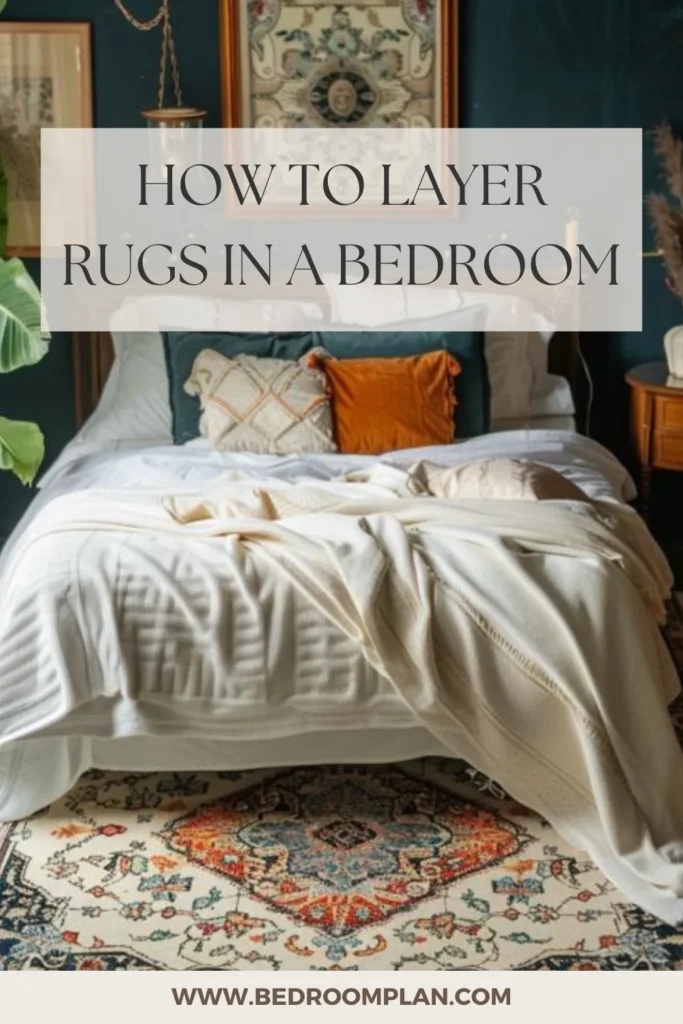
Before you start stacking rugs, it helps to grasp why layering works. A single rug can define a space, but multiple rugs add depth, visual interest, and a sense of coziness. The key is balance: the larger rug grounds the room, while smaller accents highlight specific areas such as the bedside or a reading nook. Think of layers as a dialogue between texture and proportion, each piece supporting the other to create a harmonious whole.
Choosing the right foundation is essential. A neutral, low‑pile rug in a natural fiber like jute or wool provides a sturdy base. On top of that, you might place a plush, high‑pile rug for extra softness, or a patterned runner to draw the eye toward the bed. By varying the height and material, you not only add comfort underfoot but also introduce subtle visual cues that guide the eye around the room.
cozy bedroom rug layering ideas: Selecting Complementary Colors
Color coordination is the backbone of successful rug layering. Start with a base rug in a muted tone—think soft greys, warm beiges, or muted blues—so it blends seamlessly with your wall color and bedding. Then, choose a secondary rug that either matches a color from your bedding or introduces a complementary hue. For instance, if your duvet features dusty rose accents, a rug with a muted rose pattern can tie the look together without overwhelming the space.
Remember to limit your palette to three colors at most. This restraint ensures the layers feel intentional rather than chaotic. A cohesive color story also makes it easier to incorporate other décor elements, such as pillows or wall art, without the room feeling over‑styled.
Mixing Patterns and Textures for Depth

Pattern mixing can be intimidating, but with a few guidelines, it becomes a powerful tool. Pair a subtle, tonal pattern on the larger rug with a bolder, graphic design on the smaller layer. For example, a large rug featuring a delicate herringbone can support a vibrant, geometric runner. The contrast in scale keeps the composition balanced.
Texture plays an equally important role. A flat‑woven rug adds a rustic, natural feel, while a shaggy, high‑pile rug brings in luxurious softness. Combining these textures creates a tactile experience that encourages you to kick off your shoes and relax. To maintain cohesion, choose rugs made from complementary materials—such as a cotton blend paired with a wool‑blend—so the transition feels natural.
- Flat‑woven base rug for durability and subtle pattern.
- Plush, high‑pile accent rug for comfort and visual contrast.
- Geometric runner to introduce a modern edge.
For additional inspiration on integrating pattern and texture throughout your home, explore our guide on Easy Handmade Wall Décor Ideas to Transform Any Space. The same principles apply when layering rugs as they do when curating wall art.
Strategic Placement: Defining Zones in a Bedroom
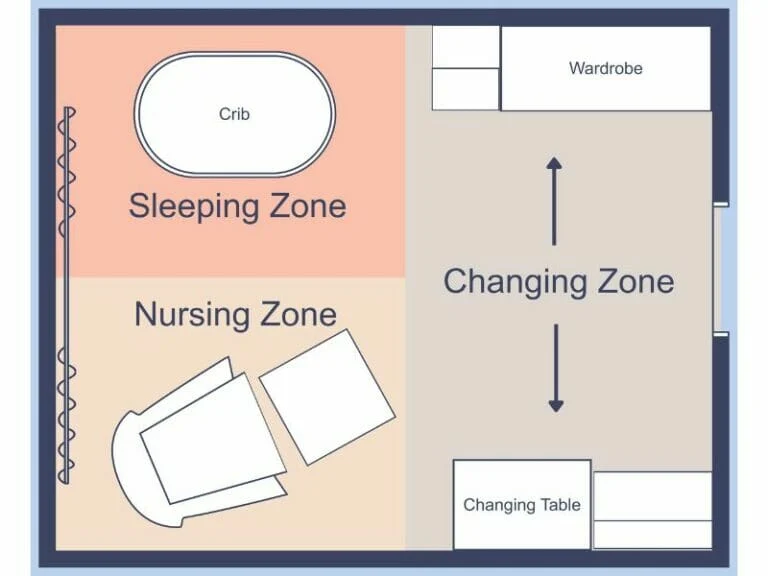
Even in a single‑room bedroom, rug layers can delineate functional zones. The primary rug should extend beyond the sides of the bed, framing the sleeping area. A secondary rug—such as a small round rug—can be positioned beside a reading chair or at the foot of the bed to create a cozy sitting spot.
When dealing with a smaller bedroom, consider a runner that runs parallel to the foot of the bed. This runner can be layered over a larger area rug, visually elongating the space and drawing attention toward the bed. In larger master suites, you might place a large rectangular rug under the bed and add a circular rug near a seating area to soften the transition between zones.
Remember to keep a minimum of 12‑18 inches of floor visible around the edges of the largest rug. This border prevents the room from feeling cramped and ensures the layering looks intentional.
Choosing the Right Materials for Durability and Comfort
Different areas of the bedroom experience varying levels of foot traffic. A durable, low‑pile rug made from synthetic fibers or natural sisal works well in high‑traffic zones, while a soft, high‑pile rug made from wool or cotton is perfect for the immediate bedside area where you step out of bed each morning.
If you have pets or children, consider stain‑resistant fibers like polypropylene for the base rug. You can still achieve a luxurious feel by selecting a rug with a sophisticated weave or subtle sheen. For the top layer, a washable, low‑maintenance rug—such as a machine‑washable cotton rug—offers both comfort and practicality.
When layering, ensure the rugs have compatible backing materials. A rug with a latex backing can slip on a smooth surface, so pairing it with a non‑slip rug pad underneath the base rug prevents movement and protects your flooring.
Seasonal Swaps: Refreshing Your Layered Look
One of the advantages of rug layering is the ability to adapt the bedroom’s look with the seasons. In winter, add a thick, shaggy rug on top of your base to create a warm, insulated feel. Swap it out for a lighter, flat‑woven rug in summer to keep the room feeling airy and cool.
Changing colors is also an easy way to transition. Replace a deep‑toned runner with a pastel version during spring, or introduce a rich, jewel‑tone rug for fall. Because the base rug stays in place, you can update the room’s mood without a major overhaul.
For those who love DIY projects, consider crafting your own accent rug. Our article on DIY décor with handmade planters: Creative Ideas for Every Space offers ideas that can be adapted for custom rug designs, adding a personal touch to your layered arrangement.
Quick Tips for Successful Rug Layering
- Start with a neutral base rug that anchors the room.
- Limit colors to three to maintain visual harmony.
- Mix patterns of different scales—large base, small accent.
- Use non‑slip pads to keep rugs stable and protect flooring.
- Refresh seasonal looks by swapping only the top layer.
Common Mistakes to Avoid
Even seasoned decorators can slip up when layering rugs. Here are pitfalls to watch out for:
- Overcrowding the floor: Too many layers can make the space feel cluttered. Stick to two or three pieces maximum.
- Mismatched sizes: A tiny rug placed under a massive bed looks lost. Ensure the base rug extends at least 12‑18 inches beyond the bed’s perimeter.
- Clashing patterns: Pairing high‑contrast, busy patterns can overwhelm the eye. Balance with a solid or subtly patterned layer.
- Ignoring texture balance: Combining too many high‑pile rugs can feel heavy. Mix soft with flat‑woven for a light‑and‑airy feel.
- Neglecting maintenance: Some rug materials require special cleaning. Choose rugs that fit your lifestyle and cleaning routine.
Frequently Asked Questions
How many rugs should I layer in a bedroom?
Aim for two to three rugs: a large base rug, a medium‑sized accent rug, and optionally a small runner or round rug for a specific zone. This keeps the look intentional without overcrowding.
Can I layer a rug over hardwood flooring?
Yes, but always use a non‑slip rug pad beneath the bottom rug to protect the wood and prevent sliding. Choose pads that are breathable to avoid moisture buildup.
What rug sizes work best with a queen‑size bed?
A base rug measuring 8 × 10 feet typically extends beyond the sides of a queen bed, while a 5 × 7‑foot rug can sit under the nightstands. Add a 2 × 3‑foot runner at the foot of the bed for extra interest.
Is it okay to mix synthetic and natural fibers?
Mixing is fine as long as the textures complement each other. For instance, a sisal base rug paired with a soft wool accent creates a balanced contrast of durability and comfort.
How do I care for layered rugs?
Vacuum each rug separately, rotating them regularly to ensure even wear. Spot‑clean stains promptly and follow the manufacturer’s cleaning instructions for each material.
Do rug layers affect room acoustics?
Yes, multiple layers can dampen sound, making a bedroom feel quieter and cozier. A high‑pile rug on top of a flat‑woven base absorbs more noise, which is ideal for creating a restful environment.
For a deeper dive into color selection for modern interiors, see our analysis of Benjamin Moore Graphite vs Wrought Iron, which discusses how dark hues can be used without making a space feel smaller.
By applying these cozy bedroom rug layering ideas, you’ll transform your sleeping quarters into a warm, inviting retreat that reflects both style and comfort. Feel free to experiment, adjust, and make the layers your own.
Ready to revamp your bedroom? Start with a solid base, add thoughtful accents, and enjoy the layered luxury that only carefully selected rugs can provide.