

Table of Contents
- Benjamin Moore Graphite vs Wrought Iron: Color Comparison and Visual Mood
- Choosing Between Benjamin Moore Graphite vs Wrought Iron for Your Space
- Practical Applications: Where to Use Benjamin Moore Graphite
- Practical Applications: Where to Use Benjamin Moore Wrought Iron
- Finishes, Sheens, and Durability: Technical Considerations
- Design Pairings: Furniture, Fixtures, and Accents
- Quick Home Décor Tips for Dark Gray Walls
- Common Mistakes When Using Deep Grays and How to Avoid Them
- Frequently Asked Questions
- Putting It All Together: A Step‑by‑Step Design Plan
Benjamin Moore Graphite vs Wrought Iron: Which Dark Hue Wins for Modern Interiors
When it comes to creating a dramatic backdrop, few paint colors can compete with the depth of Benjamin Moore’s graphite and wrought iron shades. Both sit at the darker end of the gray spectrum, yet each brings its own personality, undertone, and visual impact. Homeowners, renters, and interior design enthusiasts often wonder which of these two saturated grays will best serve their vision, whether the goal is a cozy bedroom sanctuary, a sleek kitchen, or a bold living‑room statement wall.
Understanding the nuances between Benjamin Moore Graphite and Wrought Iron isn’t just about personal preference; it’s about how light, furniture, and room size interact with deep pigments. In this guide we’ll break down the technical differences, explore real‑world applications, and give you actionable tips for integrating either shade into a variety of spaces. By the end, you’ll be equipped to decide which hue aligns with your design goals, and you’ll have a toolbox of ideas to make that decision come to life.
We’ll also weave in practical advice on finishes, complementary décor, and common pitfalls to avoid. Whether you’re a seasoned designer or a DIY enthusiast, the insights below will help you choose confidently between Benjamin Moore Graphite vs Wrought Iron, ensuring your walls become the perfect canvas for modern home styling.
Benjamin Moore Graphite vs Wrought Iron: Color Comparison and Visual Mood

At first glance, Benjamin Moore Graphite and Wrought Iron appear almost identical, but a closer look reveals subtle differences that can dramatically affect a room’s mood. Graphite leans toward a cooler, almost bluish undertone, giving it a crisp, contemporary feel that works beautifully in spaces with ample natural light. Wrought Iron, on the other hand, carries a warm, slightly brownish undertone, offering a cozier, more intimate atmosphere, especially in rooms that receive softer or indirect lighting.
Because both colors are deep, they absorb light rather than reflect it. This means that the amount of ambient light in a room will dictate how “black” or “gray” each shade appears. In a sun‑filled loft, Graphite may still retain a subtle sheen, while Wrought Iron could read as a rich charcoal, almost black. In dimmer rooms, both shades can risk making walls feel heavy, which is why strategic use of accent lighting and reflective surfaces is crucial.
Choosing Between Benjamin Moore Graphite vs Wrought Iron for Your Space
- Light Direction: Opt for Graphite in rooms with large windows or skylights; choose Wrought Iron where you want to enhance a snug, enveloping feel.
- Complementary Palette: Graphite pairs well with cool whites, silvers, and muted blues; Wrought Iron shines alongside warm creams, brass accents, and earth tones.
- Finish Selection: Matte finishes deepen the drama of both colors, while eggshell or satin can soften the intensity and add subtle bounce.
Practical Applications: Where to Use Benjamin Moore Graphite
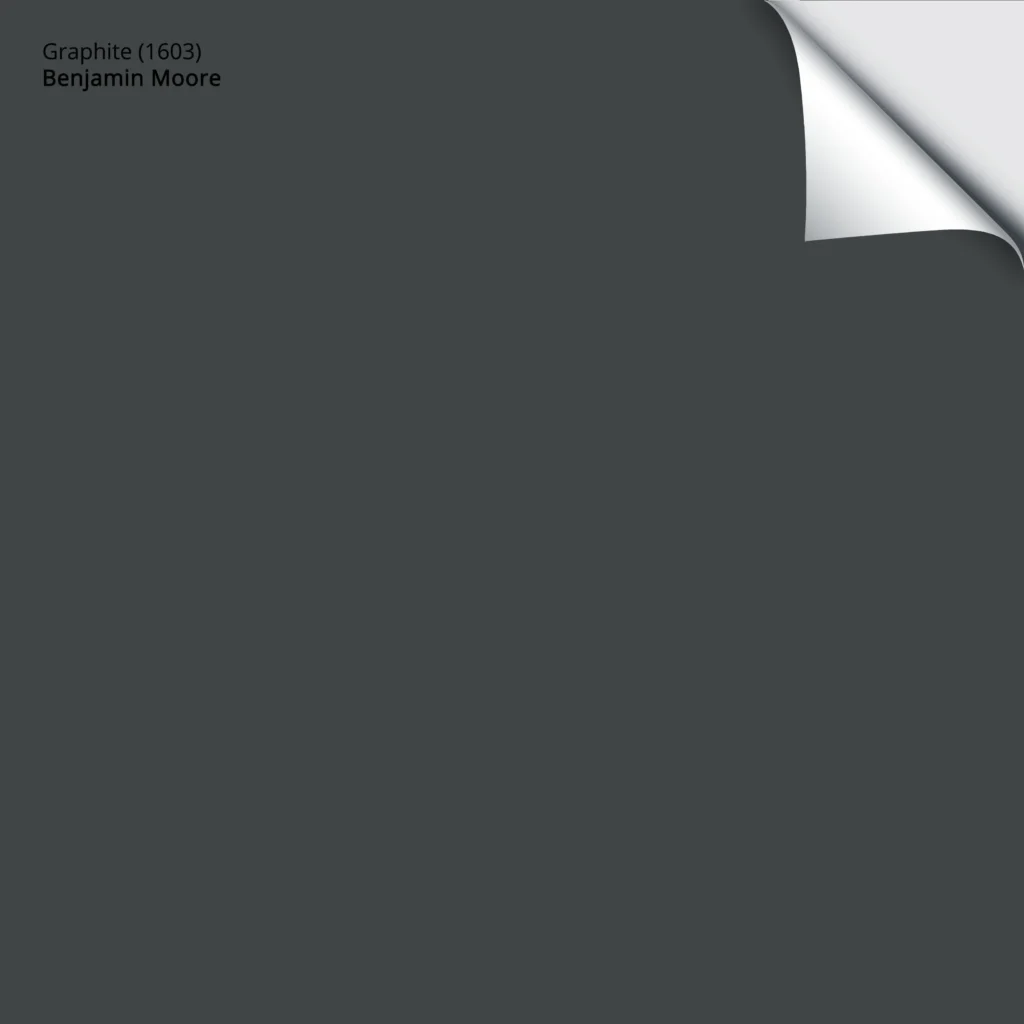
Graphite’s cool undertones make it a stellar choice for modern, minimalist interiors that rely on clean lines and a sense of spaciousness. Think open‑plan living rooms with floor‑to‑ceiling windows, where the gray can serve as a neutral backdrop for bold artwork or vibrant furniture. In kitchens, Graphite on cabinetry creates a high‑contrast look when paired with light countertops and stainless steel appliances, delivering a sleek, professional vibe.
For a bedroom, Graphite can provide a luxurious, “hotel‑like” ambiance when combined with soft, textured bedding in ivory or pastel tones. The coolness of the gray helps balance warmer wood floorings, preventing the room from feeling too dark. In smaller apartments, using Graphite on a single accent wall can add depth without overwhelming the space, especially when the rest of the walls stay light.
When planning a Graphite makeover, consider integrating reflective décor pieces such as chrome floor lamps, mirrored side tables, or glass vases. These elements bounce light back onto the walls, keeping the atmosphere lively. For inspiration on how to blend dark walls with bright accents, see our guide on easy wall décor ideas for apartments.
Practical Applications: Where to Use Benjamin Moore Wrought Iron
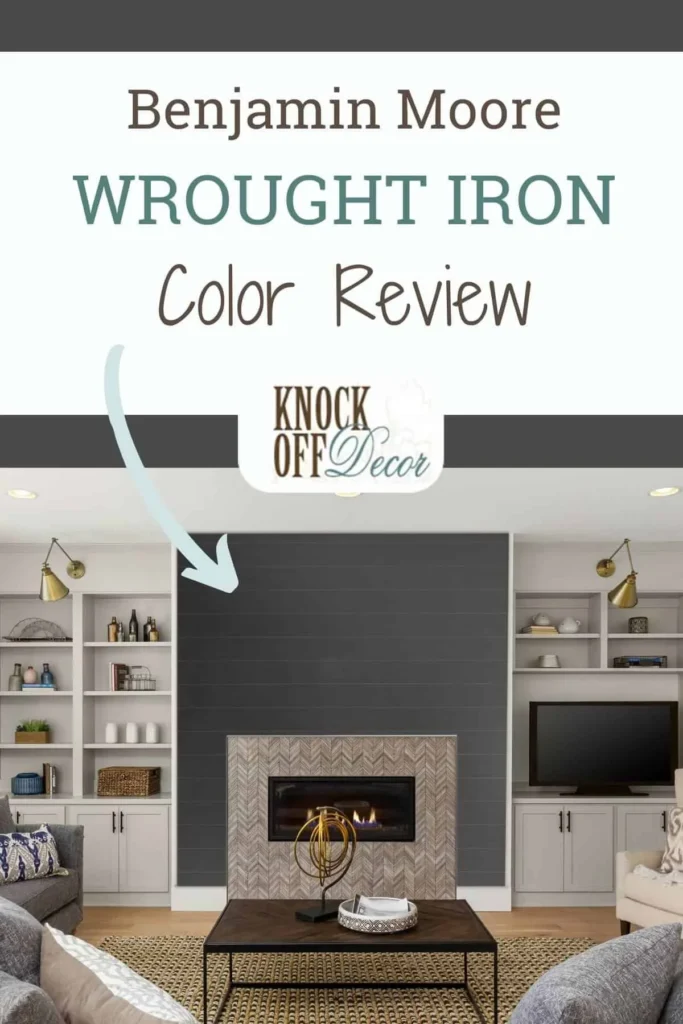
Wrought Iron’s warm undertones lend themselves perfectly to traditional or transitional designs. It excels in dining rooms, where the shade can create an intimate dining experience, especially when paired with warm wood tables and amber lighting. In a home office, Wrought Iron can provide a focused, professional backdrop that reduces visual clutter while still feeling inviting.
For living rooms that emphasize comfort, Wrought Iron works beautifully behind a plush sectional sofa, especially when the sofa is upholstered in neutral linen or soft camel. The color’s warmth complements natural materials such as reclaimed wood coffee tables, woven rugs, and leather accents, creating a cohesive, lived‑in feel.
Because Wrought Iron can appear almost black in low‑light conditions, it’s wise to incorporate layered lighting—floor lamps, sconces, and overhead fixtures—to prevent the room from feeling too closed in. Adding greenery, like a tall fiddle leaf fig, can also break up the darkness and inject a splash of life. For ideas on integrating plants in compact spaces, check out small entryway plant corner ideas.
Finishes, Sheens, and Durability: Technical Considerations
Both Graphite and Wrought Iron are available in Benjamin Moore’s premium lines, including Aura® and Regal®. The choice of finish influences not only the visual depth but also the durability and maintenance of the walls. A matte or flat finish will absorb light, emphasizing the richness of the dark hue, while a satin or low‑sheen finish reflects a modest amount of light, reducing the perception of darkness.
For high‑traffic areas like hallways or family rooms, a satin finish offers easier cleaning without sacrificing too much of the color’s depth. In contrast, a flat finish is ideal for bedrooms or formal dining rooms where a soft, velvety look is desired, and the walls are less likely to encounter scuffs.
When applying either shade, a high‑quality primer is essential. Dark pigments can sometimes reveal surface imperfections, so a stain‑blocking primer ensures a uniform appearance. If you’re concerned about long‑term wear, consider Benjamin Moore’s “StainGuard” technology, which adds resistance to fingerprints and minor marks—particularly helpful in kitchens and bathrooms.
Design Pairings: Furniture, Fixtures, and Accents
Choosing the right furniture and décor to complement Benjamin Moore Graphite vs Wrought Iron can make or break your design scheme. With Graphite’s cooler tone, think about pairing it with metal accents—brushed nickel, chrome, or blackened steel. Light‑colored wood, such as maple or ash, provides a striking contrast that keeps the room feeling airy.
For Wrought Iron, warm wood tones—walnut, cherry, or reclaimed pine—enhance the hue’s natural warmth. Brass or copper lighting fixtures add a luxurious touch that resonates with the subtle amber undertones of the paint. Textiles also play a crucial role; consider deep jewel‑tone cushions (emerald, sapphire) or plush throws in soft neutrals to soften the intensity.
Flooring choices further influence how each gray behaves. Dark hardwood floors harmonize with both shades, but a lighter oak can brighten a Graphite room, while a warm, honey‑tone floor can deepen the coziness of Wrought Iron. If you’re debating between flooring options, read our comparison of Optimax Flooring vs Nucore for detailed insights.
Quick Home Décor Tips for Dark Gray Walls
- Introduce a statement light fixture to offset the darkness and add visual interest.
- Use mirrored or glass accessories to reflect light onto the walls, creating a sense of depth.
- Layer textures—think velvet cushions, chunky knit throws, and natural fiber rugs—to keep the space from feeling flat.
- Consider a lighter ceiling paint to maintain an open feel; white or soft gray works well above Graphite or Wrought Iron.
- Incorporate metallic hardware (door handles, cabinet pulls) in finishes that echo your chosen gray’s undertone.
Common Mistakes When Using Deep Grays and How to Avoid Them
1. Over‑darkening a Small Room: Applying Graphite or Wrought Iron on all walls in a compact space can make it feel cramped. Instead, limit the dark color to one accent wall or use it on the ceiling to draw the eye upward.
2. Neglecting Lighting: Failing to plan layered lighting can leave the room feeling gloomy. Combine ambient, task, and accent lighting to keep the space balanced.
3. Choosing the Wrong Finish: A high‑gloss finish on a dark wall can create glare, while a flat finish in a high‑traffic area may show scuffs. Match finish to function.
4. Ignoring Undertones: Pairing a cool Graphite with warm décor can result in visual dissonance. Align furniture and accessories with the paint’s undertone for harmony.
5. Skipping Primer: Dark paints over unprepared surfaces often reveal patches. Use a quality primer to ensure an even, rich color.
Frequently Asked Questions
Which shade, Graphite or Wrought Iron, looks better in a kitchen?
Both work well, but Graphite’s cooler tone pairs nicely with stainless steel appliances and light countertops, creating a modern, high‑contrast look. Wrought Iron offers a warmer feel that complements wood cabinets and softer lighting.
Can I use Benjamin Moore Graphite vs Wrought Iron on ceilings?
Yes. A dark ceiling can add drama, especially in rooms with high ceilings. Pair it with light walls and ample lighting to avoid a “cave” effect.
How do I test these colors before committing?
Purchase small sample pots and paint swatches on poster board. Observe the swatches at different times of day to see how natural and artificial light influence the hue.
Is a matte finish recommended for dark grays?
Matte (flat) finishes enhance the depth of Graphite and Wrought Iron but are best for low‑traffic areas. For hallways or kids’ rooms, a satin or low‑sheen finish offers better durability.
Do these colors work with wallpaper?
Absolutely. You can use Graphite or Wrought Iron as a backdrop for patterned wallpaper, especially metallic or botanical designs, to add a luxe feel.
Putting It All Together: A Step‑by‑Step Design Plan
Step 1: Assess Light Exposure – Walk through the room at morning, noon, and evening to gauge natural light levels. This will guide you toward Graphite (more light) or Wrought Iron (less light).
Step 2: Choose a Finish – Decide based on traffic and desired sheen. Satin for durability, flat for drama.
Step 3: Sample the Paint – Apply a 12‑inch square on the wall, observe color shifts throughout the day.
Step 4: Select Complementary Décor – Use the pairing tips above to pick furniture, textiles, and lighting that echo the undertone of your chosen shade.
Step 5: Install Layered Lighting – Combine ceiling fixtures, floor lamps, and sconces to keep the space bright and balanced.
Step 6: Finalize with Accents – Add art, mirrors, and plants to break up the solid color and inject personality.
By following these steps, you’ll ensure that Benjamin Moore Graphite vs Wrought Iron becomes a thoughtful, intentional design decision rather than a risky gamble.
Remember, the true power of these deep grays lies in contrast—light against dark, texture against smooth, and warmth against coolness. When balanced correctly, they transform ordinary rooms into sophisticated retreats that feel both modern and welcoming.
Ready to make a bold statement? Grab a sample, experiment with lighting, and let the depth of Graphite or the richness of Wrought Iron redefine your home’s aesthetic.