
Table of Contents
- Cherry vs Maple Cabinets a Comprehensive Guide to Choosing the Perfect Kitchen Upgrade: Understanding the Wood
- Cherry vs Maple Cabinets a Comprehensive Guide to Choosing the Perfect Kitchen Upgrade: Key Differences
- Visual Appeal and Style Compatibility
- Durability, Maintenance, and Longevity
- Cost Considerations and Value
- Matching Hardware and Finish Options
- Quick Tips for Making the Right Choice
- Common Mistakes When Choosing Between Cherry and Maple
- Frequently Asked Questions
Cherry vs Maple Cabinets: A Complete Guide to Choosing the Perfect Kitchen Upgrade
When you stand in a showroom and stare at rows of cabinet doors, the decision often comes down to two classic hardwoods: cherry and maple. Both woods have a storied place in American kitchen design, yet they bring distinct personalities, performance profiles, and price points. Understanding these nuances is essential for anyone looking to upgrade their kitchen without compromising on style or longevity. In this article we’ll explore every angle of the debate, offering a step‑by‑step roadmap that turns “cherry vs maple cabinets a comprehensive guide to choosing the perfect kitchen upgrade” from a vague search term into a confident design decision.
Whether you’re a first‑time homeowner, a seasoned remodeler, or simply a design enthusiast, the choice between cherry and maple can feel overwhelming. The good news is that by breaking down the material characteristics, visual impact, maintenance demands, and budget considerations, you’ll gain the clarity needed to select the wood that best fits your lifestyle and aesthetic goals.
Cherry vs Maple Cabinets a Comprehensive Guide to Choosing the Perfect Kitchen Upgrade: Understanding the Wood
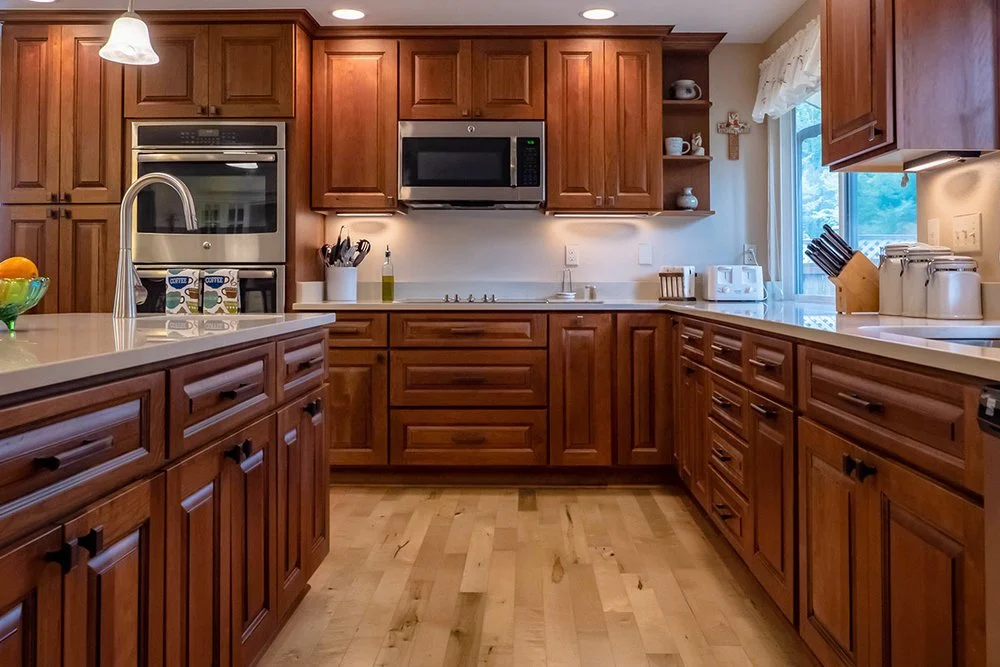
Before you fall in love with a finish, it helps to know the raw material. Cherry (Prunus serotina) is a slow‑growing, fine‑grained hardwood that starts with a light pink‑brown hue and deepens to a rich, reddish‑brown over time. Its natural patina is one of cherry’s most celebrated traits, developing a warm glow that many homeowners describe as “aging gracefully.”
Maple (Acer saccharum), on the other hand, is a dense, uniform‑grain hardwood that typically appears in light cream to honey tones. Its tight grain makes it resistant to warping and an excellent canvas for a wide variety of stains and paints. Because maple is less reactive to light, its color remains fairly consistent, offering a more predictable end result.
Cherry vs Maple Cabinets a Comprehensive Guide to Choosing the Perfect Kitchen Upgrade: Key Differences
- Growth Rate: Cherry grows slower, making it rarer and often more expensive.
- Grain Pattern: Cherry displays a subtle, wavy grain; maple shows a tight, straight grain.
- Color Evolution: Cherry deepens with age; maple stays relatively stable.
- Workability: Both are workable, but maple’s hardness can make machining slightly tougher.
These foundational traits set the stage for the visual, functional, and financial outcomes you’ll experience later on. For a deeper dive into how wood choice affects overall design, see our home décor with clay décor accents guide, which explores complementary textures and finishes.
Visual Appeal and Style Compatibility
When it comes to aesthetics, cherry and maple each lend themselves to different design languages. Cherry’s warm, reddish tone pairs beautifully with traditional, farmhouse, and transitional styles, especially when paired with brass hardware, muted earth tones, or rich marble countertops. The natural darkening of cherry over time adds depth to open‑concept kitchens, creating a cozy, lived‑in feel that ages like fine wine.
Maple’s lighter, neutral canvas is a favorite among modern, minimalist, and Scandinavian interiors. Its ability to accept bold stains means you can achieve everything from sleek, high‑contrast charcoal to soft, pastel hues. When combined with matte black fixtures, concrete countertops, or glass-fronted cabinets, maple can reinforce a clean, contemporary vibe.
Consider your existing palette and the mood you wish to evoke. If you love the idea of a kitchen that becomes richer and more character‑filled as the years pass, cherry may be your champion. If you prefer a crisp, timeless backdrop that adapts easily to changing décor trends, maple is the logical choice.
Durability, Maintenance, and Longevity

Both cherry and maple are hard, durable woods, but they differ in how they respond to everyday wear. Cherry, while strong, is slightly softer than maple, making it more prone to minor dents and scratches. However, these imperfections often blend into the wood’s natural character, especially as the surface darkens.
Maple’s high Janka hardness rating (1,450 lbf) gives it excellent resistance to dents, making it a practical option for high‑traffic kitchens or households with busy families. Its uniform grain also hides scratches well, especially when finished with a high‑gloss or polyurethane coat.
Maintenance for both woods involves regular cleaning with mild soap, avoiding abrasive cleaners, and periodic refinishing to restore luster. Cherry’s tendency to darken can be mitigated with UV‑blocking window films if you want to preserve its original tone. Maple’s color stability means you’ll spend less time worrying about sun‑induced changes.
Cost Considerations and Value
Price is often the decisive factor in the “cherry vs maple cabinets a comprehensive guide to choosing the perfect kitchen upgrade” conversation. Cherry’s slower growth and limited supply generally place it in the higher price bracket, ranging from $500 to $800 per linear foot for custom‑made doors, depending on finish and hardware.
Maple, being more abundant, typically falls between $300 and $600 per linear foot for similar custom work. While the initial outlay is lower, it’s worth noting that both woods hold resale value, especially when paired with quality hardware and thoughtful design.
If your budget is tight but you still crave the warmth of cherry, consider a cherry veneer over a maple core—a hybrid solution that delivers the look of cherry at a fraction of the cost. This approach also offers the structural stability of maple, marrying the best of both worlds.
Matching Hardware and Finish Options
The choice of hardware can amplify or mute the character of either wood. For cherry cabinets, brushed brass, oil‑rubbed bronze, or antique gold knobs create a harmonious, warm aesthetic. These finishes echo cherry’s natural reddish tones and enhance its timeless appeal.
Maple cabinets shine with sleek, contemporary hardware—think matte black, brushed nickel, or polished chrome. Because maple’s light background provides contrast, bold hardware can become a focal point, adding visual interest without overwhelming the space.
Finishes also play a pivotal role. Cherry often looks stunning with a clear, low‑gloss finish that lets the wood breathe and develop patina. Maple benefits from a range of staining options—whitewashed, gray, or even deep espresso—allowing you to customize the look to suit any design direction. For a deeper dive into hardware selection, read our article on the best touch faucet for modern kitchens.
Quick Tips for Making the Right Choice
- Assess natural light: Sunlight accelerates cherry’s darkening; if you prefer a stable color, lean toward maple.
- Test samples: Bring home a small piece of each wood and place it in the intended kitchen spot for a few days.
- Consider future resale: Both woods add value, but cherry often commands a premium in high‑end markets.
- Plan for hardware early: The right knobs and pulls can make or break the overall look.
- Think about maintenance: If you dislike refinishing, maple’s color stability may suit you better.
Common Mistakes When Choosing Between Cherry and Maple
Even seasoned remodelers slip up when navigating the “cherry vs maple cabinets a comprehensive guide to choosing the perfect kitchen upgrade.” Below are pitfalls to avoid:
- Ignoring the kitchen’s lighting: Bright, direct sunlight will darken cherry faster than expected, leading to an unintended dramatic shift.
- Over‑staining maple: Because maple’s grain is tight, heavy stains can appear blotchy; a pre‑test is essential.
- Choosing hardware that clashes: Brass on maple can feel mismatched, while chrome on cherry may look cold.
- Underestimating cost: Cherry veneer over maple can be economical, but the veneer layer adds a step in installation and may affect durability.
- Skipping a professional finish: DIY finishing can result in uneven sheen, especially on cherry, which reveals imperfections more readily.
Frequently Asked Questions
Will cherry cabinets darken over time?
Yes, cherry naturally deepens from a light pink‑brown to a richer reddish‑brown as it ages, especially when exposed to sunlight. This change is often prized for adding character.
Is maple more resistant to scratches than cherry?
Maple is slightly harder and typically resists dents and scratches better than cherry. However, both woods can be protected with a quality finish.
Can I paint cherry or maple cabinets?
Both woods accept paint well, but preparation is key. Sand to a smooth finish, use a high‑quality primer, and apply a durable topcoat to ensure longevity.
Which wood is better for a small kitchen?
Maple’s lighter tone can make a small space feel larger and brighter, while cherry’s deeper hues can create a cozy atmosphere if paired with ample lighting.
How does the cost of custom cherry cabinets compare to stock maple cabinets?
Custom cherry cabinets are generally more expensive due to material scarcity and labor. Stock maple cabinets can be a budget‑friendly alternative, offering solid quality at a lower price point.
Do I need to refinish cherry cabinets more often than maple?
Cherry may require occasional refinishing to maintain its sheen, especially if the darkening is uneven. Maple’s stable color typically needs less frequent touch‑ups.
Choosing the right cabinetry is a blend of art and science. By weighing the visual language, durability, cost, and hardware compatibility, you can confidently navigate the “cherry vs maple cabinets a comprehensive guide to choosing the perfect kitchen upgrade.” Take the time to sample, visualize, and plan—your future self will thank you every time you open a drawer or swing a door.
Ready to start your kitchen transformation? Explore more ideas on the latest trends, from entryway styling to small hallway makeovers, and let The Homara be your trusted guide on the journey to a beautiful, functional home.
[METADATA]
[/METADATA]