
Table of Contents
- Understanding the Core Dimensions: 27 vs 30 Inch Wall Oven
- Why the 27 vs 30 Inch Wall Oven Decision Matters for Kitchen Flow
- Interior Capacity and Cooking Performance
- Cooking Scenarios: When a 27‑Inch Oven Shines
- Cooking Scenarios: When a 30‑Inch Oven Excels
- Design Integration: Matching Your Oven to Cabinetry and Style
- Styling Tips for a Cohesive Look
- Energy Efficiency and Operating Costs
- Calculating Long‑Term Costs
- Installation Considerations and Space Planning
- Quick Installation Checklist
- Quick Tips for Choosing the Right Size
- Common Mistakes to Avoid When Deciding 27 vs 30 Inch Wall Oven
- Frequently Asked Questions
- Can a 27‑inch wall oven fit in a 30‑inch cabinet opening?
- Is a 30‑inch wall oven always more expensive than a 27‑inch model?
- Do 27‑inch and 30‑inch ovens require different power circuits?
- How does the oven size affect cleaning routines?
- Can I install a 30‑inch oven in a kitchen with low ceilings?
- Will a larger oven affect the resale value of my home?
27 vs 30 Inch Wall Oven – Which Size Fits Your Kitchen Best?
Choosing a wall oven is more than picking a color or a brand; the dimensions of the unit can reshape how you work, store, and style your kitchen. The debate between a 27‑inch and a 30‑inch wall oven is a classic one, especially for homeowners who are balancing limited space with the desire for professional‑grade performance. In this guide we’ll unpack the practical differences, explore how each size interacts with modern kitchen layouts, and give you the confidence to decide which model aligns with your cooking habits and design aesthetic.
Whether you’re renovating a compact apartment kitchen or planning a spacious open‑concept remodel, understanding the nuances of the 27 vs 30 inch wall oven conversation helps you avoid costly missteps. We’ll walk through interior dimensions, capacity, energy use, and styling considerations, and we’ll sprinkle in real‑world examples so you can picture the perfect fit in your own home.
Understanding the Core Dimensions: 27 vs 30 Inch Wall Oven
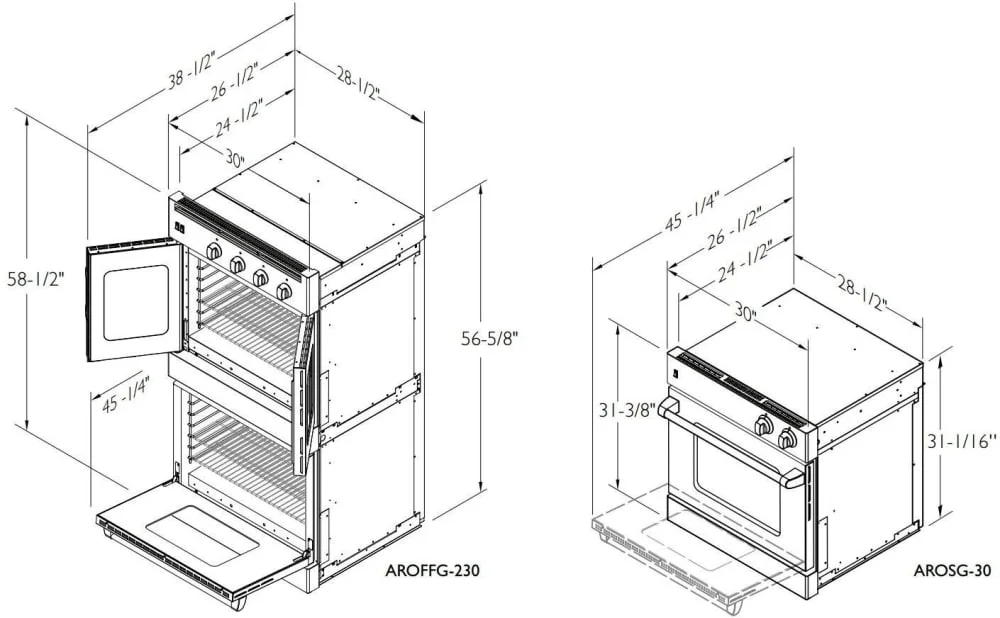
The most obvious distinction between a 27‑inch and a 30‑inch wall oven is the exterior width. A 27‑inch model typically measures about 27 inches wide, 24 inches deep, and 29‑30 inches high, while a 30‑inch unit adds roughly three extra inches in width and may be slightly taller, often reaching 31‑33 inches. Those extra inches translate into a larger interior cavity, which can affect cooking versatility, rack configuration, and even the overall look of your cabinetry.
From an installation perspective, the 27‑inch oven fits comfortably into most standard wall cabinets that are 27 inches wide, leaving a clean, flush finish. The 30‑inch oven, however, requires a dedicated 30‑inch cabinet or a custom opening. This can be a deciding factor if your kitchen layout is already locked in, but it also opens up opportunities for design statements—think a bold, wide appliance anchoring a modern island.
Why the 27 vs 30 Inch Wall Oven Decision Matters for Kitchen Flow
Kitchen ergonomics hinge on the relationship between work zones: prep, cooking, and cleaning. A 27‑inch oven often works well in kitchens where the cooking zone is compact, allowing you to keep the oven close to the stovetop without crowding the countertop. A 30‑inch oven, with its larger interior, may require a bit more clearance, but it can serve as a central hub in larger kitchens, enabling you to bake multiple dishes simultaneously without sacrificing space on the counter.
Interior Capacity and Cooking Performance
Capacity is more than just cubic feet; it influences how often you’ll need to run multiple batches. A typical 27‑inch wall oven offers around 4.0‑4.5 cubic feet of usable space, while a 30‑inch model can range from 4.5‑5.5 cubic feet. That extra volume allows you to place larger roasts, multi‑tier bakeware, or a full sheet pan alongside a casserole, a convenience many home chefs cherish.
Performance-wise, the size itself does not dictate heating technology, but manufacturers often pair the larger cavity with more powerful heating elements and advanced convection fans. This can lead to more even browning and faster preheat times. However, a well‑engineered 27‑inch oven can still deliver restaurant‑grade results, especially if it features true convection, smart temperature controls, and a reliable self‑cleaning system.
Cooking Scenarios: When a 27‑Inch Oven Shines
- Small families or couples who rarely cook multiple dishes at once.
- Kitchens with limited wall space where a 30‑inch opening would require costly cabinet modifications.
- Homeowners who prioritize a sleek, streamlined look over bulkier appliances.
Cooking Scenarios: When a 30‑Inch Oven Excels
- Entertaining enthusiasts who often bake several trays of cookies or roast a turkey while cooking side dishes.
- Open‑plan kitchens where the oven serves as a visual centerpiece.
- Homes with high‑ceiling cabinets that can accommodate the taller profile without compromising aesthetics.
Design Integration: Matching Your Oven to Cabinetry and Style
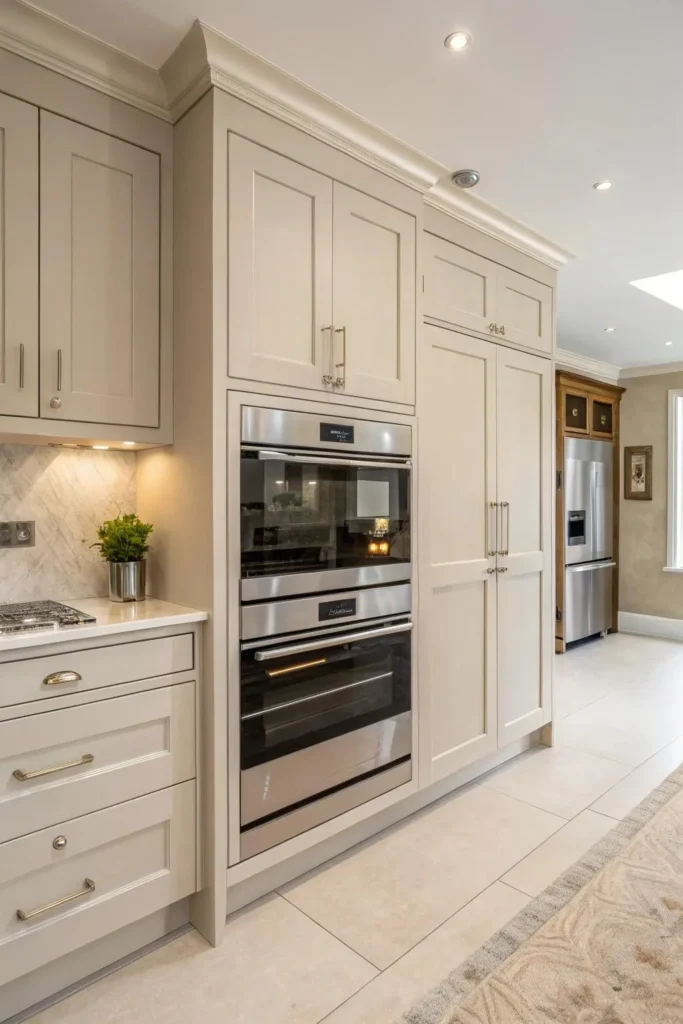
The visual impact of a wall oven extends beyond its functional role. A 27‑inch oven tends to blend seamlessly into a traditional cabinet layout, offering a subtle, integrated appearance. In contrast, a 30‑inch oven can become a statement piece—especially when paired with contrasting cabinet finishes or a bold front panel.
When planning your kitchen remodel, consider the surrounding materials. If you have dark, matte cabinets, a lighter‑toned 30‑inch oven can create a pleasant contrast. Conversely, a white or stainless‑steel 27‑inch unit can maintain a minimalist, monochrome vibe. For those wrestling with the decision, our Cherry vs Maple Cabinets guide offers insights on how wood tones interact with appliance finishes.
Styling Tips for a Cohesive Look
- Use the same hardware finish on the oven door as on nearby cabinets to unify the design.
- In a 30‑inch installation, consider a custom panel that matches the surrounding cabinetry for a built‑in look.
- Install LED under‑cabinet lighting to highlight the oven’s controls and enhance the cooking area’s ambiance.
Energy Efficiency and Operating Costs
Energy consumption is a practical factor that often gets overlooked. While a larger oven has a bigger heating element, modern 30‑inch models frequently come equipped with Energy Star certifications, sophisticated sensors, and smart power‑saving modes. A 27‑inch oven, being smaller, may heat up slightly faster and use marginally less electricity per bake, but the difference is usually modest.
To maximize efficiency regardless of size, look for features such as:
- Moisture‑sensing technology that adjusts cooking time based on humidity.
- Precise convection fans that circulate hot air evenly, reducing hot spots.
- Self‑cleaning cycles that use lower temperatures (steam clean) instead of high‑heat pyrolytic cleaning.
Calculating Long‑Term Costs
Assume a 27‑inch oven uses 2.1 kWh per hour on average, while a 30‑inch model uses 2.4 kWh. If you bake for an hour each week, the annual difference is roughly 15 kWh, translating to less than $2 in electricity costs (based on $0.13/kWh). The real cost factor is the initial price: 30‑inch ovens often carry a $150‑$400 premium, which may be justified by the extra capacity and design flexibility.
Installation Considerations and Space Planning
Proper installation ensures safety, performance, and longevity. A 27‑inch wall oven generally fits into a standard 27‑inch cabinet opening with a simple trim kit. The installation process involves securing the oven to the cabinet walls, connecting the power supply, and ensuring proper ventilation.
A 30‑inch oven, meanwhile, may require a reinforced cabinet or a custom-built frame, especially if the surrounding cabinets are not designed to support the additional weight (often 70‑100 lbs). It’s advisable to consult a professional installer and verify that the electrical circuit can handle the oven’s amperage—most wall ovens need a dedicated 240‑volt line.
Space‑planning tools, such as kitchen layout apps, can help you visualize both options before committing. Measure the distance from the floor to the top of the cabinet, the depth of the wall cavity, and the clearance needed for the door swing. Remember that a 30‑inch oven may extend a few inches beyond the cabinet when the door opens, which could affect traffic flow.
Quick Installation Checklist
- Confirm cabinet dimensions (width, depth, height).
- Verify the electrical circuit meets the oven’s specifications.
- Check for proper ventilation space behind the unit.
- Use a level to ensure the oven sits evenly; uneven placement can cause door misalignment.
- Secure the oven with the supplied mounting brackets before connecting wiring.
Quick Tips for Choosing the Right Size
- Measure your existing cabinet opening twice—once for width, once for height—to avoid costly modifications.
- Consider your typical cooking load: if you often bake two trays at once, the 30‑inch option offers real convenience.
- Match the oven’s exterior finish with your kitchen’s design language for a harmonious look.
Common Mistakes to Avoid When Deciding 27 vs 30 Inch Wall Oven
Even seasoned remodelers can slip up when selecting a wall oven size. Below are frequent pitfalls and how to sidestep them:
- Ignoring future needs: A growing family may outgrow a 27‑inch oven quickly. Think ahead and factor in potential changes in cooking habits.
- Overlooking clearance for door swing: Both sizes need space for the door to open fully. Forgetting this can lead to a cramped kitchen workflow.
- Choosing based solely on price: The cheaper 27‑inch unit may save money upfront but could limit cooking flexibility, prompting a premature upgrade.
- Neglecting ventilation requirements: Inadequate airflow can cause overheating and shorten the appliance’s lifespan. Ensure a clear gap behind the oven.
- Skipping professional installation: DIY wiring errors are a safety hazard. Always enlist a licensed electrician for the power hookup.
Frequently Asked Questions
Can a 27‑inch wall oven fit in a 30‑inch cabinet opening?
Yes, a 27‑inch oven will fit into a 30‑inch opening, but you’ll need filler panels or a custom trim kit to close the gap and maintain a seamless appearance. This can be a cost‑effective solution if you prefer the smaller appliance but have a larger cabinet space.
Is a 30‑inch wall oven always more expensive than a 27‑inch model?
Generally, the 30‑inch version carries a higher price tag due to its larger cavity and often more advanced features. However, pricing varies by brand, technology (such as smart connectivity), and finish. Shopping during sales events can narrow the price gap significantly.
Do 27‑inch and 30‑inch ovens require different power circuits?
Both sizes typically need a dedicated 240‑volt circuit, but the amperage may differ slightly. A 27‑inch unit might require 20‑30 amps, while a 30‑inch model could need 30‑40 amps. Always consult the manufacturer’s specifications and have a qualified electrician verify your home’s wiring.
How does the oven size affect cleaning routines?
The cleaning process is similar for both sizes, especially if they share the same cleaning technology (self‑clean, steam clean, or manual wipe). The larger interior of a 30‑inch oven may take a few extra minutes for a full pyrolytic clean, but the difference is negligible for most users.
Can I install a 30‑inch oven in a kitchen with low ceilings?
Yes, but you’ll need to ensure the overall height of the oven plus the cabinet does not exceed the available space. Some manufacturers offer “low‑profile” models that reduce height without sacrificing interior volume.
Will a larger oven affect the resale value of my home?
A well‑chosen, high‑quality 30‑inch wall oven can be an attractive selling point, especially in upscale markets where buyers expect professional‑grade appliances. In contrast, a 27‑inch model may be perfectly adequate in smaller homes, where space efficiency is prized.
Choosing between a 27‑inch and a 30‑inch wall oven is ultimately a balance of space, cooking habits, and design goals. By weighing interior capacity, installation requirements, energy use, and aesthetic impact, you can make a decision that enhances both the function and the look of your kitchen. If you’re still uncertain, visit a showroom to compare real units side‑by‑side, and don’t hesitate to consult a kitchen designer who can model both options within your specific layout.
Ready to explore more design ideas? Check out our guide on simple entryway styling ideas for inspiration on how a cohesive look can start from the moment you step inside. For a deeper dive into small‑space solutions, our article on small hallway decorating inspiration offers practical tips that complement any kitchen upgrade.