
Table of Contents
- Understanding the Core Differences: cast iron sink vs stainless steel
- Material composition and durability
- Design Aesthetics and Style Impact of cast iron sink vs stainless steel
- Finish options and visual appeal
- Installation and Maintenance Considerations for cast iron sink vs stainless steel
- Installation process
- Cost, Longevity, and Environmental Factors of cast iron sink vs stainless steel
- Lifecycle cost analysis
- Best Fit for Different Kitchen Scenarios
- Small apartments vs large homes
- Quick Tips for Choosing the Right Sink
- Common Mistakes to Avoid
- Frequently Asked Questions
- Is a cast iron sink heavier than a stainless steel sink?
- Can I use the same cleaning products for both materials?
- Which sink material is more resistant to scratches?
- Do cast iron sinks rust?
- Will a stainless steel sink make my kitchen look smaller?
Cast Iron Sink vs Stainless Steel: Which Is Right for Your Kitchen?
Choosing a kitchen sink isn’t just about function; it’s a design decision that can set the tone for the entire space. Homeowners often find themselves weighing the classic heft of a cast iron basin against the sleek, modern vibe of a stainless steel unit. Both materials have loyal followings, and each brings its own set of strengths and challenges.
In this article, we’ll break down the essential factors—durability, aesthetics, installation, cost, and environmental impact—so you can make an informed decision. Whether you’re renovating a historic home, fitting out a compact apartment, or simply upgrading for everyday convenience, the right sink can elevate your kitchen’s style and performance.
Understanding the Core Differences: cast iron sink vs stainless steel

At the most fundamental level, cast iron and stainless steel are built from very different materials. A cast iron sink is formed by pouring molten iron into a mold, then coating the interior with enamel to prevent rust. Stainless steel, on the other hand, is fabricated from an alloy of iron, carbon, and chromium, which gives it inherent corrosion resistance.
These construction methods affect everything from weight to heat retention. A typical cast iron sink can weigh between 150–250 lb, making it a solid anchor for countertop installations, while a stainless steel basin usually weighs under 100 lb, offering easier handling during replacement.
Material composition and durability
- Cast iron: Extremely durable and resistant to impact; the enamel finish protects against stains but can chip if struck with heavy objects.
- Stainless steel: Highly resistant to rust and dents, especially higher‑grade (18/10) options; however, softer grades may scratch more easily.
Both materials can last decades when cared for properly, but the way you maintain them differs, a topic we’ll explore later.
Design Aesthetics and Style Impact of cast iron sink vs stainless steel
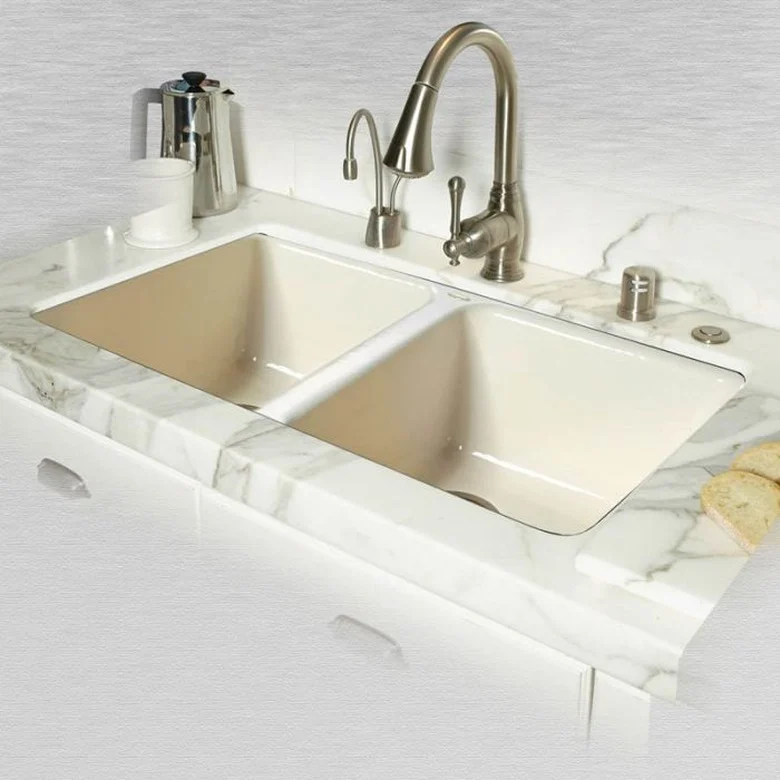
When it comes to visual appeal, the two options sit at opposite ends of the style spectrum. A cast iron sink often features a deep, glossy enamel finish that can be found in classic white, matte black, or even bold hues like deep green. This makes it a natural fit for traditional or farmhouse kitchens where the sink becomes a focal point.
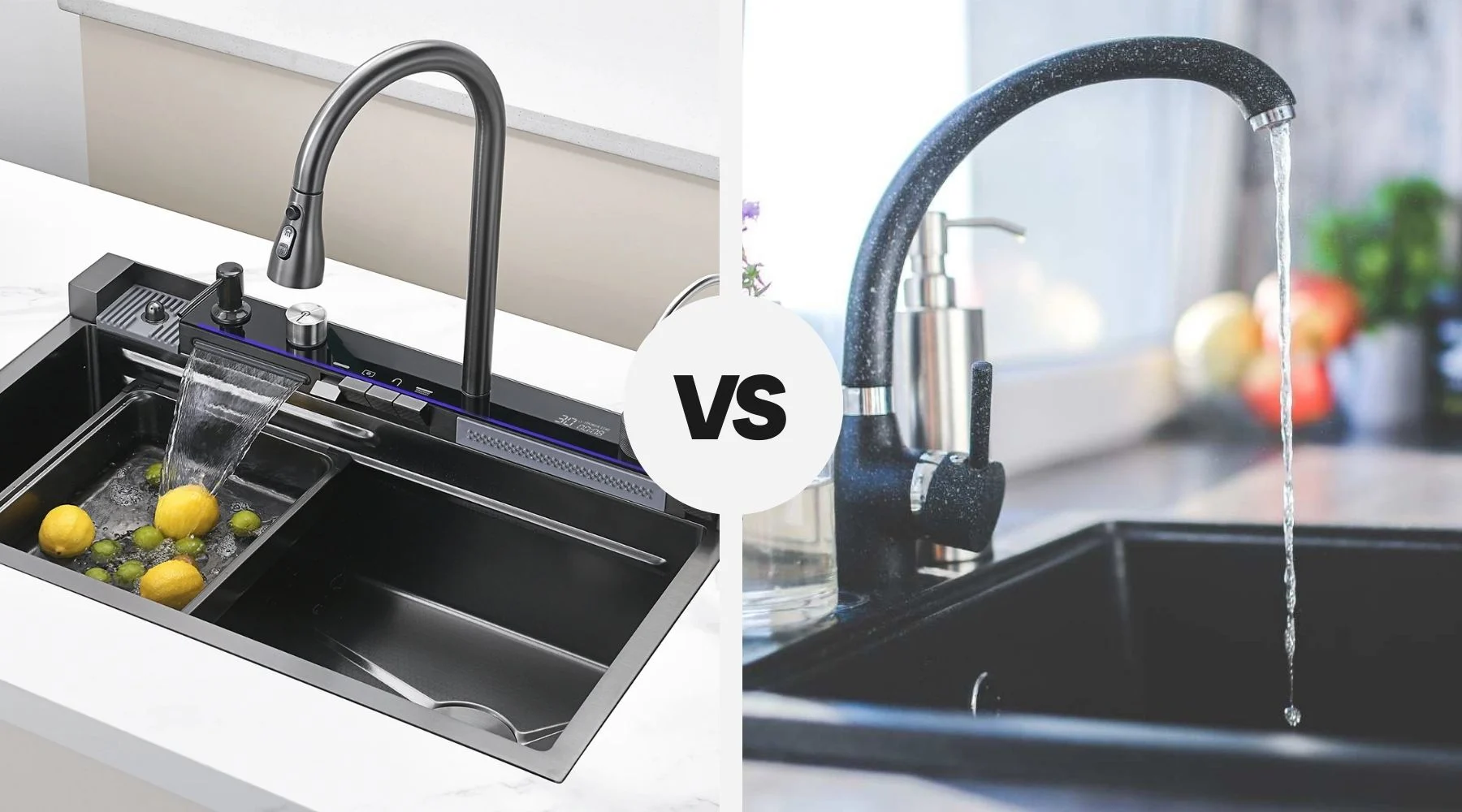
Stainless steel sinks, meanwhile, convey a contemporary, industrial feel. Their reflective surface can make a small kitchen appear larger by bouncing light around the room. They also pair seamlessly with modern countertops such as quartz or concrete.
Finish options and visual appeal
- Enamel-coated cast iron offers a smooth, seamless surface that hides scratches and stains.
- Stainless steel comes in varied gauges (thickness) and finishes—brushed, satin, or polished—allowing you to match the texture of other appliances.
For homeowners who love to mix styles, consider a stainless steel sink paired with a vintage pendant light or a cast iron basin set against a sleek, white subway tile backsplash for an eclectic vibe.
Installation and Maintenance Considerations for cast iron sink vs stainless steel

Installation is where the practical differences truly emerge. Because of its weight, a cast iron sink typically requires reinforced countertops and professional handling. The heavy basin can also stress cabinet frames if not properly supported, so a sturdy substructure is essential.
Stainless steel sinks are lighter and often come with mounting brackets that simplify DIY installation. However, precise leveling is still crucial to avoid water pooling and noise.
Installation process
- Assess countertop strength—reinforce if you choose a cast iron model.
- Measure cutout dimensions accurately; even a half‑inch mismatch can cause leaks.
- Apply a silicone sealant around the edge before setting the sink to ensure a watertight seal.
- Secure mounting clips according to manufacturer instructions; stainless steel may need fewer clips.
Maintenance routines also diverge. Enamel on a cast iron sink can be gently cleaned with non‑abrasive cleaners; harsh scrubbing may wear the coating. Stainless steel benefits from daily wiping with a soft cloth and occasional polishing to keep the surface bright.
Cost, Longevity, and Environmental Factors of cast iron sink vs stainless steel
Budget is a common deciding factor. Cast iron sinks are generally more expensive upfront due to the casting process and enamel coating. Expect prices ranging from $400 to $1,200 for a mid‑size model, with premium designer pieces climbing higher.
Stainless steel sinks, especially those made from thinner gauge steel, can be more budget‑friendly, often priced between $150 and $600. Higher‑grade, thicker‑gauge stainless models will sit closer to the cast iron price point but offer added durability.
Lifecycle cost analysis
When you factor in long‑term maintenance, the cost gap narrows. A well‑cared‑for cast iron sink can retain its appearance for 30 years or more, while a stainless steel basin, depending on gauge, may need replacement after 15–20 years due to scratches or denting. Both materials are recyclable, though the enamel coating on cast iron can complicate recycling processes.
If sustainability matters, look for manufacturers that use recycled steel and low‑VOC enamel. These choices can reduce the environmental footprint of either sink type.
Best Fit for Different Kitchen Scenarios
Every kitchen has unique requirements, and the “right” sink often aligns with the overall layout and usage patterns. Below are some common scenarios and which material tends to excel.
Small apartments vs large homes
- Small apartments: A stainless steel sink’s lighter weight and lower profile make it easier to install in limited spaces. Its reflective surface can also visually expand the room.
- Large homes or open‑plan kitchens: A cast iron sink becomes a statement piece, anchoring the design and offering a deep basin for large pots and pans.
- High‑traffic families: Cast iron’s enamel is resistant to daily stains, while stainless steel’s smoother surface can show fingerprints and water spots more readily.
For a balanced approach, you might combine a stainless steel prep sink with a separate cast iron farmhouse sink if space allows. This dual‑sink setup delivers both functionality and style.
Quick Tips for Choosing the Right Sink
- Match the sink’s gauge or thickness to your daily use—thicker steel (22 gauge) for heavy cooking, enamel‑coated cast iron for a classic look.
- Consider the countertop material; heavy cast iron may require a reinforced stone or wood base.
- Check the finish’s resistance to common kitchen chemicals; avoid acidic cleaners on enamel to prevent dulling.
- Think about acoustics—stainless steel can be noisier; add a sound‑deadening pad if you prefer a quieter basin.
- Plan for future resale value; classic cast iron often appeals to buyers of historic homes, while sleek stainless fits modern markets.
Common Mistakes to Avoid
- Skipping reinforcement for a cast iron sink, leading to cracked countertops.
- Choosing a low‑grade stainless steel (12/10) that dents easily.
- Using abrasive cleaners on enamel, which can chip the coating.
- Neglecting to level the sink during installation, causing water pooling.
- Overlooking the impact of sink depth on cabinet space; deeper basins may interfere with drawer clearance.
Frequently Asked Questions
Is a cast iron sink heavier than a stainless steel sink?
Yes. Cast iron sinks typically weigh between 150–250 lb, while stainless steel models usually weigh under 100 lb. The extra weight can affect installation and may require reinforced countertops.
Can I use the same cleaning products for both materials?
While mild dish soap works for both, avoid abrasive pads on enamel cast iron and harsh chemicals on stainless steel, as they can damage the surface finish.
Which sink material is more resistant to scratches?
Enamel‑coated cast iron resists scratches well, but the coating can chip if struck. High‑grade (18/10) stainless steel resists scratches better than lower grades but can still show fine marks over time.
Do cast iron sinks rust?
The enamel coating protects the iron core from rust. However, if the enamel chips and exposes raw iron, rust can develop. Prompt repairs can prevent long‑term damage.
Will a stainless steel sink make my kitchen look smaller?
Not necessarily. The reflective surface can actually brighten a small space, creating an illusion of larger area. Pair it with light‑colored cabinets for the best effect.
Choosing between a cast iron sink vs stainless steel ultimately depends on your aesthetic preferences, budget, and functional needs. Both options can serve you well when selected thoughtfully and installed correctly. For more inspiration, see our guide on modern living room décor ideas or explore DIY décor with rope plant holders for complementary styling tips.
Whichever material you choose, the right sink will become the centerpiece of daily kitchen rituals, blending practicality with the design language of your home. Take the time to evaluate each factor, and you’ll end up with a basin that not only looks great but also stands the test of time.