
Table of Contents
- Can I Bathe My Bearded Dragon in Tap Water?
- Can I Bathe My Bearded Dragon in Tap Water: Water Quality Considerations
- Why Bathing Is Important for Bearded Dragons
- Preparing the Bath: Step‑by‑Step Guide
- Alternatives to Tap Water: When to Choose Other Sources
- Integrating Bath Time with Enclosure Design
- Quick Tips for Safe Bathing
- Common Mistakes and How to Avoid Them
- Frequently Asked Questions
Bearded dragons are among the most popular reptile pets, cherished for their curious personalities and relatively easy care requirements. One common question that new owners grapple with is whether they can bathe their bearded dragon in tap water. The answer isn’t as straightforward as “yes” or “no,” because it hinges on water quality, temperature, and the specific needs of your dragon.
In this article we’ll explore the factors that determine if tap water is suitable for a bath, outline safe bathing practices, and provide actionable tips to keep your scaly companion healthy and happy. Whether you’re setting up a terrarium for the first time or looking to refine your routine, understanding the nuances of water selection can make a noticeable difference in your bearded dragon’s skin health and overall well‑being.
Can I Bathe My Bearded Dragon in Tap Water?
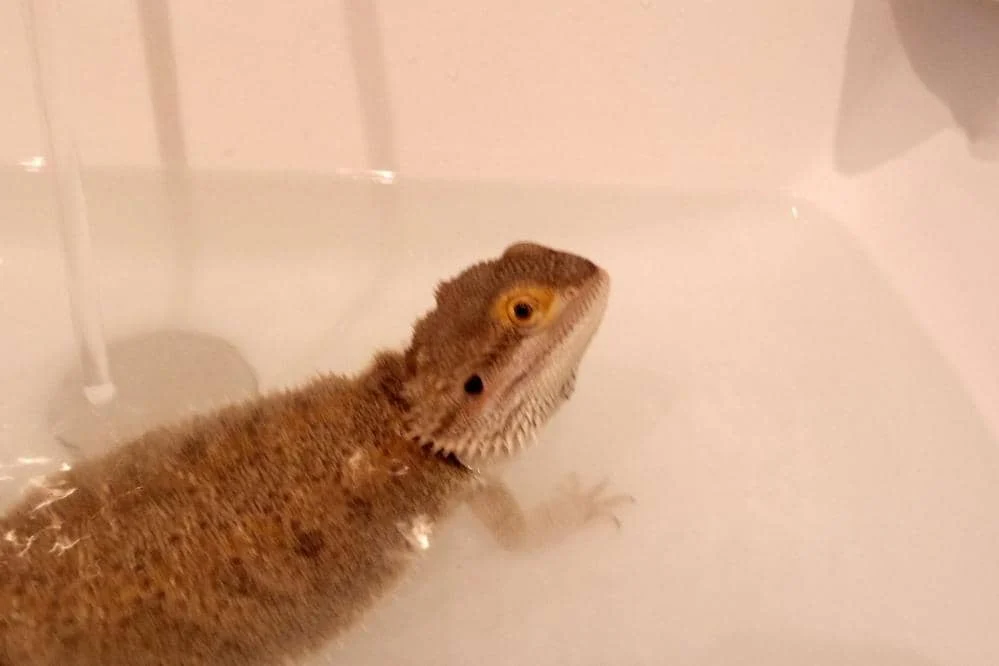
The short answer is that you can use tap water for a bearded dragon bath, but only if you treat it properly first. Municipal tap water often contains chlorine, chloramine, or even trace amounts of heavy metals that can irritate a reptile’s delicate skin and mucous membranes. Unlike mammals, reptiles absorb water through their skin, making them more susceptible to chemical imbalances.
To make tap water safe, most experienced keepers either let the water sit for 24–48 hours to allow chlorine to evaporate, or they use a water conditioner specifically designed for reptiles. Some also opt for filtered or distilled water, especially in areas where tap water is known to be hard or heavily chlorinated. By taking these steps, you can provide a comfortable soak without risking skin irritation or respiratory issues.
Can I Bathe My Bearded Dragon in Tap Water: Water Quality Considerations
When evaluating tap water, keep an eye on three key parameters:
- Chlorine and Chloramine: Both are common disinfectants. Chlorine will dissipate if left uncovered for a day, while chloramine requires a chemical neutralizer.
- Hardness (Calcium and Magnesium): Hard water can leave mineral deposits on the dragon’s skin, potentially leading to dry patches.
- pH Level: Ideally, the water should be slightly acidic to neutral (pH 6.5‑7.5). Extreme pH can stress the animal.
Investing in a simple water testing kit can give you peace of mind, and a few drops of reptile‑safe conditioner can neutralize harmful chemicals instantly.
Why Bathing Is Important for Bearded Dragons
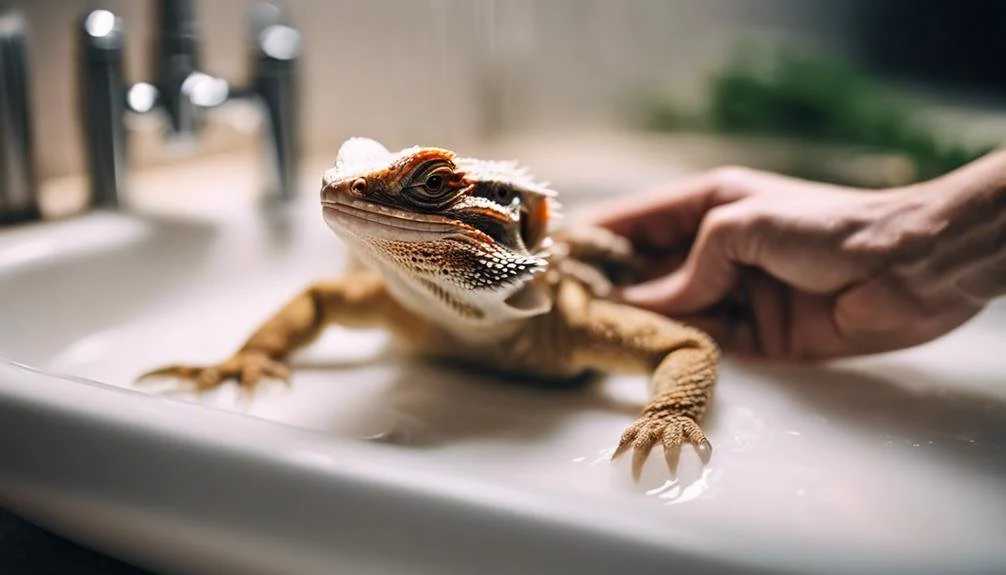
Bearded dragons do not drink water as frequently as mammals; they often obtain moisture from the food they eat and from the humidity in their enclosure. Bathing serves several purposes:
- Hydration: A brief soak encourages the dragon to drink, especially during shedding cycles.
- Shedding Assistance: Warm water softens old skin, making it easier for the dragon to remove it.
- Temperature Regulation: A cool soak can help lower body temperature on hot days, while a warm bath can raise it during cooler periods.
Providing a safe bathing environment also reinforces the bond between owner and pet, as many dragons enjoy the gentle splash and the opportunity to explore a new surface.
Preparing the Bath: Step‑by‑Step Guide

Follow these steps to ensure a safe, effective bathing session:
- Gather Supplies: Use a shallow, non‑slippery container (a plastic tub or a clean sink). Have a thermometer, a water conditioner, and a soft towel ready.
- Condition the Water: Fill the tub with tap water at room temperature (around 78‑82°F / 25‑28°C). Add a few drops of reptile‑safe conditioner if your tap water contains chloramine.
- Check Temperature: Use a thermometer to verify the water is within the safe range. Too hot can cause burns; too cold may stress the dragon.
- Introduce Your Dragon: Gently place the bearded dragon in the water. Allow it to explore for 5‑10 minutes. Watch for signs of distress—if the dragon tries to climb out repeatedly, remove it promptly.
- Dry Thoroughly: After the soak, lift the dragon onto a dry towel and pat gently. Ensure the basking spot is ready so the animal can warm up and dry completely.
Alternatives to Tap Water: When to Choose Other Sources
Even with conditioning, there are scenarios where tap water may not be the best choice:
- Hard Water Regions: In areas with very high mineral content, filtered or distilled water prevents scale buildup.
- Sensitive Dragons: Some dragons have especially sensitive skin and may react to even low levels of chemicals.
- Frequent Bathers: If you bathe your dragon regularly (more than once a week), switching to filtered water reduces cumulative exposure.
Using a simple pitcher filter or purchasing pre‑treated bottled water can be a cost‑effective compromise for most owners.
Integrating Bath Time with Enclosure Design
Bathing doesn’t have to be a separate activity; you can incorporate it into your terrarium’s aesthetic. For example, a shallow water feature made from a decorative glass bowl can double as a soaking spot and a visual accent. Pair it with plant stands to create a naturalistic backdrop that complements the desert‑like vibe of a bearded dragon’s habitat.
If your bathroom itself is a design showcase, consider adding handmade wall prints that feature reptile motifs or desert scenes. Not only does this elevate the space, it also reminds you of the care routine you’ve established for your pet.
Lastly, a sleek ceramic mug can serve as a stylish water bowl for post‑bath hydration, merging functionality with décor.
Quick Tips for Safe Bathing
- Never use scented soaps or shampoos—plain water is sufficient.
- Always supervise your bearded dragon during the entire soak.
- Keep the bath area free of sharp objects or heavy decorations.
- Maintain a consistent bathing schedule (once every 1‑2 weeks) to aid shedding.
- After each bath, ensure the enclosure’s humidity returns to the optimal range (30‑40%).
Common Mistakes and How to Avoid Them
Many new owners fall into these pitfalls:
- Using Hot Tap Water: Directly from the faucet can be too hot. Always check temperature before introducing your dragon.
- Skipping Water Conditioning: Ignoring chloramine can lead to respiratory irritation.
- Bathing Too Frequently: Over‑bathing can strip natural oils, leading to dry skin.
- Leaving the Dragon Unattended: Reptiles can become stressed quickly; constant observation is key.
By recognizing these errors early, you can adjust your routine and keep your bearded dragon thriving.
Frequently Asked Questions
Can I use cold tap water for a bath?
Cold water can be shocking and may cause stress. Aim for lukewarm water around 78‑82°F (25‑28°C) to keep your dragon comfortable.
How often should I bathe my bearded dragon?
Generally, once every 1‑2 weeks is sufficient. Increase frequency during shedding periods or if your dragon appears dehydrated.
Is distilled water better than tap water?
Distilled water eliminates all minerals and chemicals, making it a safe option. However, it lacks beneficial trace minerals, so occasional use of conditioned tap water is acceptable.
Can I add Epsom salt to the bath?
Epsom salt is not recommended for bearded dragons. Their skin is sensitive, and salts can cause irritation or imbalance.
What should I do if my dragon refuses to bathe?
Try a shallower depth, a warmer temperature, or a different time of day. Some dragons prefer misting rather than full immersion.
Bathing your bearded dragon can be a rewarding part of their care routine when done correctly. By assessing the quality of tap water, treating it when necessary, and following safe bathing practices, you’ll provide a comfortable environment that supports healthy shedding and hydration. Remember that each dragon is an individual; observe how yours responds and adjust the routine accordingly.
Enjoy the bonding moments that come with a gentle soak, and feel confident that you’re giving your reptile the best possible care—one mindful splash at a time.