
Table of Contents
- Cambria Whitehall vs White Cliff: A Detailed Comparison
- Cambria Whitehall vs White Cliff – Color and Pattern Analysis
- Performance and Durability: What the Numbers Say
- Cost Considerations: Budgeting for Your Countertop
- Design Applications: Where Each Finish Shines
- Kitchen
- Bathroom
- Living Room & Open‑Plan Areas
- Installation Tips: Ensuring a Flawless Finish
- Quick Home Décor Tips
- Common Mistakes to Avoid When Choosing Cambria Whitehall vs White Cliff
- Frequently Asked Questions
- Is Cambria Whitehall more durable than White Cliff?
- Can I use Cambria Whitehall or White Cliff for a bathroom vanity?
- How do I maintain a Cambria countertop?
- Will the color of Whitehall or White Cliff change over time?
- Is there a noticeable price difference between the two?
- Can I match Cambria Whitehall or White Cliff with existing tile?
Cambria Whitehall vs White Cliff – Which Is Right for Your Home?
Choosing the perfect quartz countertop is one of the most impactful decisions you’ll make during a remodel. Among Cambria’s extensive collection, two popular options—Cambria Whitehall and Cambria White Cliff—often end up side by side in design conversations. While both belong to the same brand, their visual language, performance characteristics, and price points differ enough to merit a careful look.
Homeowners, renters who are planning a temporary upgrade, and interior‑design enthusiasts alike need a clear, unbiased comparison to decide which surface aligns with their aesthetic vision and practical requirements. This article walks you through the essential aspects of Cambria Whitehall vs White Cliff, from color nuances and pattern scale to durability, maintenance, and cost considerations. By the end, you’ll have a concrete (pun intended) understanding of which slab will best complement your space.
We’ll also sprinkle in actionable tips, highlight common pitfalls, and answer the most frequent questions that pop up when shoppers compare these two finishes. Let’s dive in.
Cambria Whitehall vs White Cliff: A Detailed Comparison
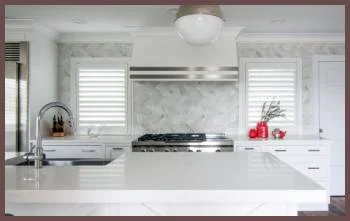
At first glance, both Cambria Whitehall and Cambria White Cliff showcase a crisp, clean white backdrop that works beautifully in modern and traditional settings. However, the subtle differences in veining, translucency, and overall pattern density create distinct moods. Whitehall leans toward a cooler, almost marble‑inspired appearance with fine, delicate veins that whisper across the surface. White Cliff, on the other hand, introduces a warmer undertone and a slightly more pronounced, organic pattern that mimics the look of natural stone cliffs.
Understanding these visual cues helps you decide whether you want a subtle, airy feel (Whitehall) or a richer, earthy backdrop (White Cliff). Both options are engineered quartz, meaning they share Cambria’s reputation for durability, non‑porous surface, and resistance to stains. The real differentiator lies in the aesthetic language each brings to a room.
Cambria Whitehall vs White Cliff – Color and Pattern Analysis
- Color Temperature: Whitehall exhibits a cooler, almost bluish-white tone, perfect for spaces that aim for a sleek, minimalist vibe. White Cliff carries a soft, warm beige‑white hue, ideal for rooms where you want a touch of coziness without compromising brightness.
- Vein Visibility: Whitehall’s veins are fine, linear, and scattered, providing a subtle texture that mimics high‑grade marble. White Cliff shows broader, more irregular veining reminiscent of natural rock formations.
- Reflectivity: Both surfaces have a polished finish, but Whitehall’s smoother pattern reflects light slightly more, enhancing the perception of space in compact kitchens.
When you compare cambria whitehall vs white cliff in a side‑by‑side visual, the contrast becomes clearer. If you’re designing a kitchen with a lot of natural light, Whitehall may amplify that brightness. In darker rooms, White Cliff’s warm undertones can add depth without feeling heavy.
Performance and Durability: What the Numbers Say

Both Whitehall and White Cliff are engineered from 93% quartz crystals bound together with polymer resins, making them highly resistant to scratches, heat, and stains. Cambria’s proprietary technology also ensures consistent color throughout each slab, reducing the risk of noticeable variation from edge to edge.
In practical terms, cambria whitehall vs white cliff perform similarly under everyday wear. However, a few nuances are worth noting:
- Heat Resistance: Both can withstand typical kitchen temperatures, but placing a hot pan directly on the surface for extended periods (over 30 minutes) could affect the resin. Use trivets as a precaution.
- Scratch Resistance: The quartz composition provides a Mohs hardness of around 7, making it tougher than most natural stones. Light scratches from knives are rare; cutting boards remain advisable.
- Stain Resistance: Because the surface is non‑porous, spills (wine, coffee, oil) can be wiped clean without penetration. This is a key advantage over porous marble alternatives.
If durability is your primary concern, both options stand strong. The decision between cambria whitehall vs white cliff will therefore tilt more toward visual preference and budget.
Cost Considerations: Budgeting for Your Countertop
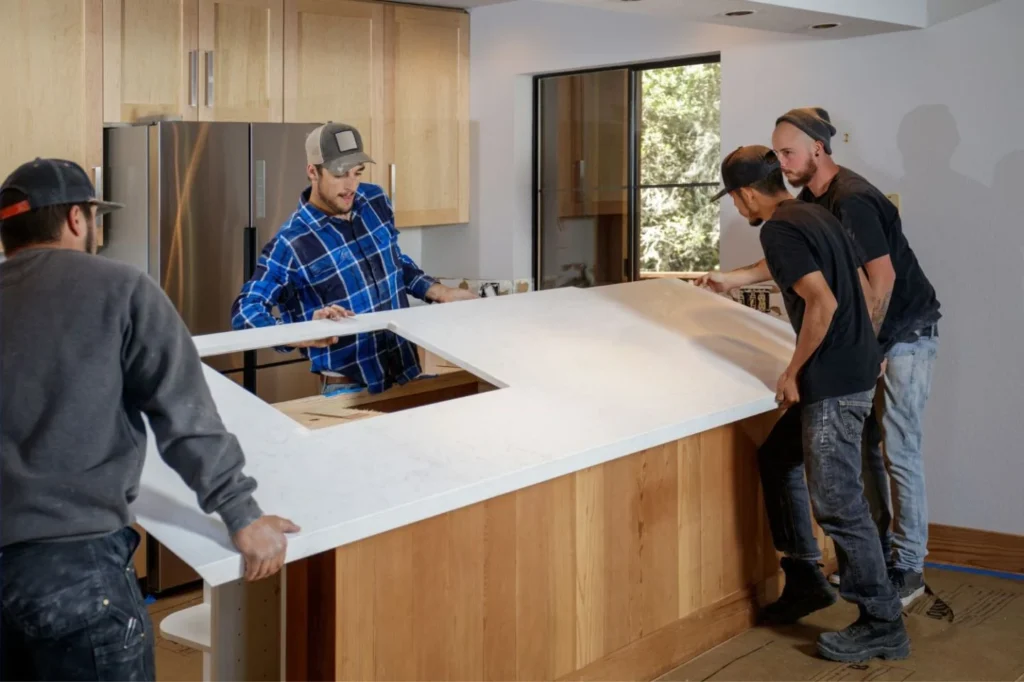
Pricing for Cambria quartz can fluctuate based on region, installer rates, and slab thickness. Generally, Whitehall sits slightly higher in price than White Cliff due to its more refined aesthetic and higher demand among high‑end modern projects.
Here’s a quick cost breakdown (prices per square foot, inclusive of fabrication and installation):
- Cambria Whitehall: $95‑$115
- Cambria White Cliff: $85‑$105
These figures are averages; your actual quote may vary. When budgeting, also factor in edge profiles (e.g., eased, beveled, bullnose) and any additional services like templating or backer board installation. If you’re on a tighter budget, White Cliff offers a comparable look at a modestly lower price point, while still delivering Cambria’s premium performance.
Design Applications: Where Each Finish Shines
Choosing cambria whitehall vs white cliff isn’t just about color; it’s about how each finish interacts with surrounding elements such as cabinetry, flooring, and lighting. Below are a few room‑by‑room scenarios where each slab truly shines.
Kitchen
In a contemporary kitchen with matte black or dark gray cabinetry, Whitehall’s cooler tone creates a striking contrast, emphasizing the sleek cabinet fronts. Pair it with brushed nickel hardware for a cohesive, modern look. For a farmhouse‑style kitchen featuring shaker cabinets in warm wood tones, White Cliff’s subtle warmth complements the natural wood, delivering an inviting, lived‑in feel.
Bathroom
Whitehall’s bright, clean appearance works beautifully in small bathroom vanity tops, helping to visually expand the space. Combine it with chrome fixtures and a glass shower enclosure for a spa‑like ambiance. White Cliff, with its warmer undertones, pairs nicely with brushed brass or antique gold hardware, adding a touch of luxury to master baths.
Living Room & Open‑Plan Areas
If you’re installing a quartz island that doubles as a dining or work surface in an open‑plan layout, consider the surrounding wall colors. Whitehall can act as a neutral canvas for bold accent walls, while White Cliff can blend seamlessly with earth‑tone palettes, creating a harmonious flow between zones.
For further inspiration on how to integrate quartz countertops into broader home design, see our guide on hallway décor with ceramic décor pieces.
Installation Tips: Ensuring a Flawless Finish
Even the most beautiful slab can suffer from a poor install. Below are practical pointers to keep the process smooth, whether you choose Whitehall or White Cliff.
- Accurate Measurements: Request a detailed template from your installer. Small measurement errors can lead to costly adjustments.
- Edge Profile Selection: The edge not only affects aesthetics but also durability. A bullnose edge reduces chipping risk on high‑traffic islands.
- Seam Placement: Position seams in less visible areas such as under a backsplash or behind a cooktop. Cambria’s consistent pattern makes seam concealment easier.
- Professional Fabrication: Use only Cambria‑certified fabricators. Their equipment ensures precise cuts and a perfect fit.
When working with installers, discuss any specific concerns you have about cambria whitehall vs white cliff—especially if you plan to match the countertop with existing tile or stone.
Quick Home Décor Tips
- Pair Whitehall with matte black or navy accents for a high‑contrast, modern vibe.
- Use warm wood tones and brushed gold hardware to enhance White Cliff’s earthy feel.
- In small spaces, opt for a light‑reflective edge (e.g., eased) on Whitehall to maximize brightness.
- Consider backlighting under a White Cliff island to highlight its subtle veining after dark.
- Apply a clear quartz sealant every 2‑3 years for added protection, even though Cambria is non‑porous.
Common Mistakes to Avoid When Choosing Cambria Whitehall vs White Cliff
Even seasoned homeowners can stumble into pitfalls when selecting a quartz countertop. Here are the most frequent errors and how to sidestep them.
- Ignoring Lighting Conditions: Selecting a cooler slab like Whitehall for a dimly lit kitchen can make the space feel colder. Assess natural and artificial light before deciding.
- Overlooking Edge Profile Impact: Choosing a thin, sharp edge for a high‑traffic island can lead to chips. Match edge style to usage patterns.
- Focusing Solely on Price: While White Cliff may be cheaper, the final cost includes installation, edge work, and possible backer board. Compare total project budgets.
- Neglecting Seam Placement: Poor seam placement can break visual continuity. Work with the installer to hide seams strategically.
- Skipping Samples: Order full‑size samples of both Whitehall and White Cliff. Seeing them under your home’s lighting eliminates guesswork.
Frequently Asked Questions
Is Cambria Whitehall more durable than White Cliff?
Both slabs share the same engineered quartz composition, offering identical resistance to scratches, stains, and heat. Durability differences are negligible; the choice hinges on visual preference and budget.
Can I use Cambria Whitehall or White Cliff for a bathroom vanity?
Yes. Their non‑porous surfaces resist moisture and are easy to clean, making them excellent for bathroom applications. Pair with water‑resistant backsplashes for added protection.
How do I maintain a Cambria countertop?
Simple daily cleaning with mild dish soap and a soft cloth is sufficient. Avoid abrasive cleaners or scouring pads. For stubborn stains, a mixture of water and isopropyl alcohol works well.
Will the color of Whitehall or White Cliff change over time?
No. Cambria’s engineered quartz is color‑stable. The resin binder and quartz particles are UV‑resistant, preventing fading or discoloration even in sunny rooms.
Is there a noticeable price difference between the two?
Whitehall typically carries a slightly higher price tag—about $10‑$15 per square foot—due to its cooler aesthetic and higher demand in contemporary designs. White Cliff offers a comparable look at a modestly lower price.
Can I match Cambria Whitehall or White Cliff with existing tile?
Both slabs are versatile enough to complement a range of tile palettes. Use full‑size samples placed against your existing tile to assess visual harmony before committing.
Choosing between Cambria Whitehall and White Cliff ultimately rests on the story you want your home to tell. If you crave a bright, ultra‑modern canvas, Whitehall’s cool, understated veins provide a sleek backdrop. If you prefer a softer, warm ambience with a hint of natural ruggedness, White Cliff’s gentle patterns deliver that feeling without sacrificing the durability you expect from quartz.
Take the time to view samples in your own space, consider lighting, and think about how each slab will interact with your cabinetry, hardware, and overall colour scheme. With the right choice, your countertop will not only serve as a functional work surface but also as a lasting design statement that elevates the entire room.
Ready to start your project? Explore more design ideas, from the perfect kitchen island layout to complementary backsplash selections, by browsing our extensive library of articles. Happy designing!