
Table of Contents
- Why Choose Hallway Décor with Ceramic Décor Pieces?
- Key Benefits of Hallway Décor with Ceramic Décor Pieces
- Planning Your Hallway Layout Before Adding Ceramic Pieces
- Selecting the Right Types of Ceramic Décor for Your Space
- 1. Ceramic Wall Plates and Tiles
- 2. Ceramic Vases and Urns
- 3. Ceramic Sculptures and Figurines
- 4. Functional Ceramic Accessories
- Color Coordination and Styling Techniques
- Integrating Ceramic Décor with Other Materials
- Quick Tips for Hallway Décor with Ceramic Décor Pieces
- Common Mistakes to Avoid
- Frequently Asked Questions
- Can I use ceramic tiles on hallway walls without a professional?
- How do I prevent ceramic pieces from chipping in a high‑traffic hallway?
- What budget‑friendly ceramic options look high‑end?
- Is it okay to mix different ceramic styles together?
- How can I incorporate seasonal décor without replacing my ceramic pieces?
- Do ceramic décor pieces affect hallway acoustics?
Walking through a hallway is often a fleeting experience, yet it sets the tone for the rest of the home. When you enhance this transitional space with carefully chosen ceramic décor pieces, you create an immediate impression of style, personality, and cohesion. Ceramic, with its endless range of textures, glazes, and shapes, offers a versatile palette that can complement both minimalist modern homes and more eclectic interiors.
In this article we’ll explore how to turn an ordinary corridor into a curated gallery of ceramic art. You’ll learn practical placement strategies, color‑coordination tricks, and budget‑friendly ideas that work for apartments, townhomes, and large houses alike. Whether you’re a first‑time renter looking for non‑permanent upgrades or a seasoned homeowner ready to invest in statement pieces, the guidance here is designed to be actionable and adaptable.
By the end of the read, you’ll feel confident selecting the right ceramic vases, tiles, wall plates, and sculptural accents to reflect your taste while keeping the hallway functional and inviting.
Why Choose Hallway Décor with Ceramic Décor Pieces?
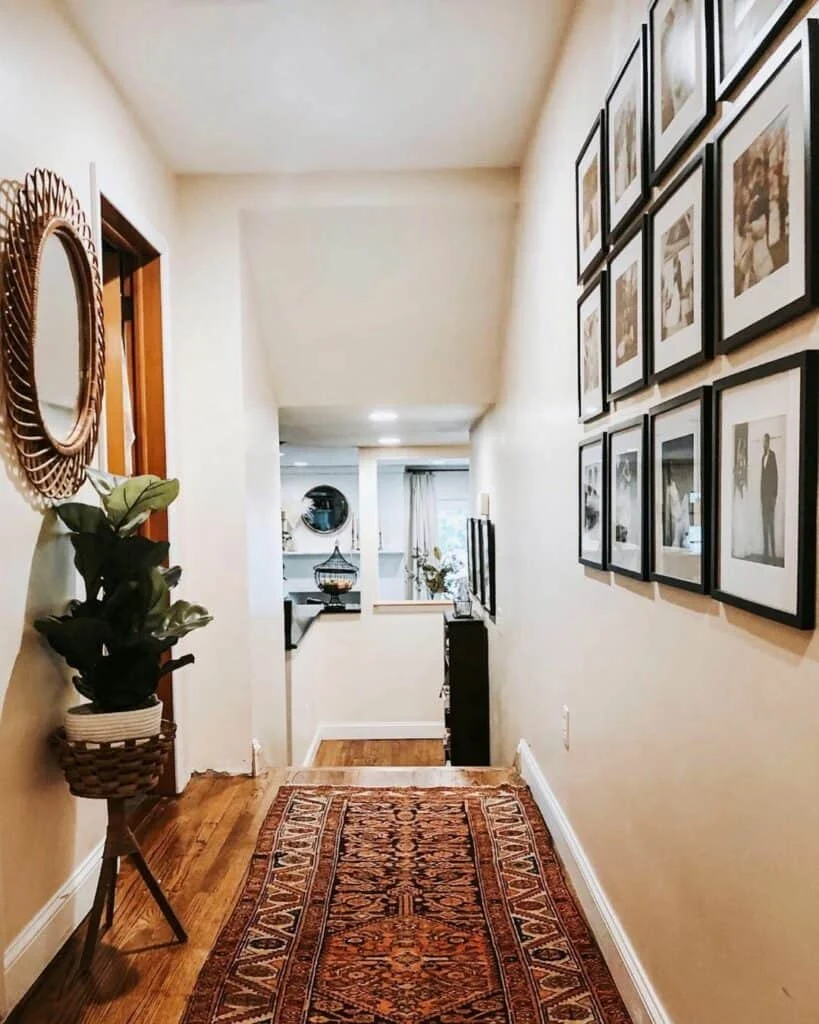
Ceramic décor brings a tactile richness that other materials often lack. Its natural coolness works well in high‑traffic zones, and the material’s durability means it can withstand the occasional bump from shoes or a stray bag. Moreover, ceramic pieces can be glazed in matte, glossy, or textured finishes, allowing you to match or contrast with existing paint colors, flooring, or lighting.
From hand‑thrown pottery that showcases artisan skill to mass‑produced decorative tiles, the spectrum of options means you can curate a look that feels both personal and polished. When paired with strategic lighting, ceramic accents can also help brighten a narrow corridor, creating the illusion of a more spacious passage.
Key Benefits of Hallway Décor with Ceramic Décor Pieces
- Versatility: Works with modern, rustic, or traditional aesthetics.
- Durability: Resistant to wear, easy to clean, and long‑lasting.
- Artistic Expression: From subtle glaze variations to bold sculptural forms.
- Eco‑Friendly Options: Many ceramic manufacturers use sustainable kilns and locally sourced clays.
- Easy to Update: Swap out a vase or wall plate without major renovations.
Planning Your Hallway Layout Before Adding Ceramic Pieces

Before you start purchasing, take a moment to assess the hallway’s dimensions, natural light, and existing décor. Sketch a simple floor plan and note the height of the walls, the width of the passage, and any architectural features such as niches or archways. This planning stage helps you avoid overcrowding and ensures each ceramic item has room to breathe.
Consider the following checklist:
- Measure wall length and ceiling height.
- Identify focal points—perhaps a decorative arch or a doorway leading to a living area.
- Determine the dominant color palette of adjacent rooms.
- Note sources of natural light; bright spaces can handle darker ceramic glazes, while dimmer hallways benefit from lighter tones.
Once you have a clear map, you can decide whether to create a linear display (e.g., a row of wall plates) or a clustered vignette (e.g., a small console table with ceramic vases). Both approaches can be effective, but the key is consistency in scale and style.
Selecting the Right Types of Ceramic Décor for Your Space
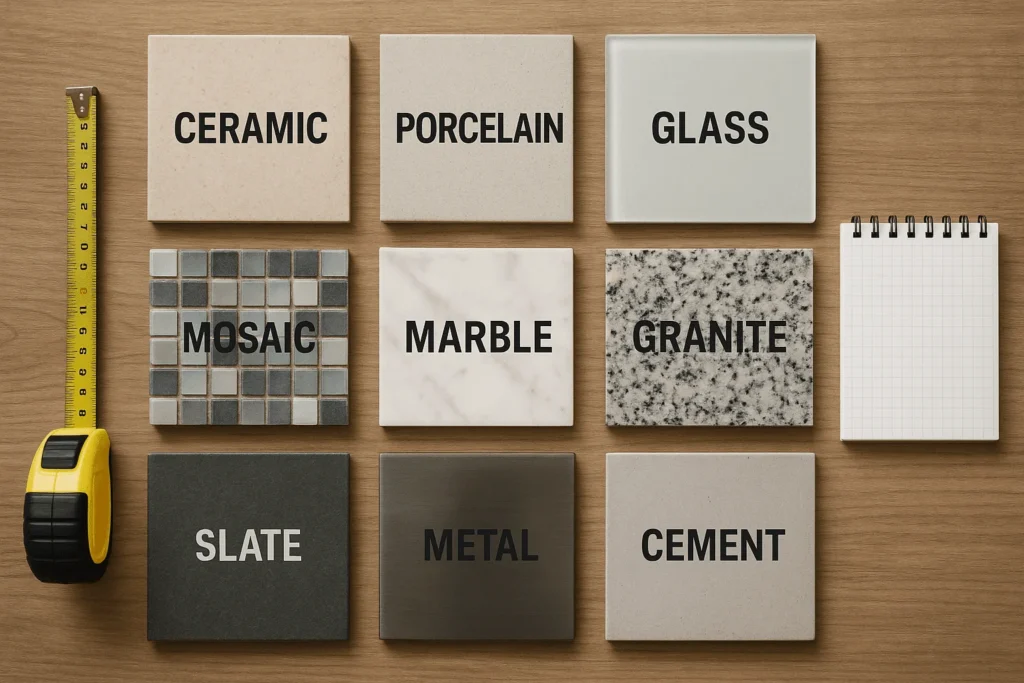
Not every ceramic object is suitable for a hallway. Here are the most popular categories, along with tips on how to use them effectively:
1. Ceramic Wall Plates and Tiles
Wall plates act like miniature artworks and can be arranged in a grid, a staggered pattern, or an organic collage. Choose plates with subtle glaze variations for a soothing effect, or bold, hand‑painted motifs for a statement wall. If your hallway is narrow, a single vertical column of plates can elongate the space.
For a more permanent solution, consider installing decorative ceramic tiles as a backsplash along the baseboard or as a narrow border that runs the length of the corridor. This adds texture without overwhelming the eye.
2. Ceramic Vases and Urns
Place a tall, slender ceramic vase on a console table or a narrow shelf. Fill it with a single stem or a minimalist arrangement of dried botanicals to keep the look light. Urns with matte finishes work well on low shelves, adding a sculptural element that draws the eye upward.
3. Ceramic Sculptures and Figurines
Small sculptural pieces—think abstract forms or traditional figures—can serve as conversation starters. Position them on a floating shelf or a recessed niche. Ensure the scale is appropriate; a piece that’s too large will dominate the hallway, while one that’s too small may get lost.
4. Functional Ceramic Accessories
Think beyond pure décor. Ceramic key bowls, mail organizers, or small trays can be placed near the entry door for practical use. These items blend functionality with style, reinforcing the theme without adding clutter.
Color Coordination and Styling Techniques
Color is the most powerful tool in hallway décor with ceramic décor pieces. When you harmonize tones, you create a cohesive flow that feels intentional. Here are three proven strategies:
- Monochromatic Scheme: Choose ceramic pieces in varying shades of the same hue. For example, a soft dove‑gray wall plate series paired with a deeper charcoal vase creates depth while staying unified.
- Complementary Contrast: Pair warm ceramic glazes (terracotta, amber) with cool wall colors (soft blues or greys). The contrast energizes the space without clashing.
- Accent Pop: Use a mostly neutral hallway palette and introduce one bold ceramic accent—perhaps a cobalt‑blue plate or a bright mustard vase—to serve as a focal point.
Lighting plays a crucial role in showcasing ceramic finishes. Recessed spotlights or wall‑mounted sconces angled toward the ceramic pieces can highlight glaze textures and bring out subtle color shifts that might otherwise go unnoticed.
Integrating Ceramic Décor with Other Materials
While ceramic is the star, it works best when balanced with complementary materials. Here are a few pairings that enhance hallway décor with ceramic décor pieces:
- Wood: A reclaimed wooden console paired with a ceramic vase adds warmth and an organic feel.
- Metal: Brass or brushed nickel wall fixtures provide a sleek contrast to glossy ceramic surfaces.
- Glass: Clear glass shelves allow ceramic items to float visually, making the hallway feel lighter.
- Natural Fibers: A woven rug or jute runner underfoot softens the ceramic’s hardness, creating a welcoming tactile experience.
These combinations prevent the hallway from feeling too sterile, especially in modern minimalist homes where ceramic alone might appear overly austere.
Quick Tips for Hallway Décor with Ceramic Décor Pieces
- Start with one large statement piece (like a wall plate) and build around it.
- Use varying heights to add visual interest; a tall vase next to a low sculpture creates rhythm.
- Keep the floor clear of heavy objects to maintain flow; opt for wall‑mounted or suspended displays.
- Refresh the look seasonally by swapping smaller ceramic accessories (e.g., colored vases) without replacing permanent pieces.
- Protect delicate ceramics with acrylic display cases if the hallway sees high traffic from children or pets.
Common Mistakes to Avoid
Even the most enthusiastic décor lover can slip into pitfalls. Recognizing these early prevents costly re‑arrangements:
- Overcrowding: Too many ceramic items can make the hallway feel cluttered. Aim for a balanced ratio of décor to negative space.
- Mismatched Scale: A gigantic urn next to a tiny wall plate creates visual tension. Keep sizes proportional to the hallway’s dimensions.
- Ignoring Lighting: Ceramic’s sheen can become dull in low light. Ensure adequate illumination to showcase textures.
- Choosing Incompatible Styles: Mixing ultra‑modern sleek ceramics with rustic wood without a unifying element can look chaotic.
- Neglecting Maintenance: Some glazes attract dust more readily. Regular dusting with a soft cloth preserves the finish.
Frequently Asked Questions
Can I use ceramic tiles on hallway walls without a professional?
Yes, many homeowners install narrow ceramic tile strips as an accent border using a standard tile cutter and adhesive. For full‑wall installations, hiring a professional ensures proper waterproofing and alignment.
How do I prevent ceramic pieces from chipping in a high‑traffic hallway?
Place fragile items on elevated shelves or inside glass display cases. For floor‑level pieces, choose glazed ceramics with a high‑fire rating; these are more resistant to impacts.
What budget‑friendly ceramic options look high‑end?
Look for mass‑produced hand‑glazed vases from reputable brands, or shop at local artisan markets where you can often negotiate prices. Even simple white porcelain can appear upscale when paired with polished metal hardware.
Is it okay to mix different ceramic styles together?
Absolutely, as long as you maintain a unifying color or texture. A mix of matte and glossy finishes can add depth, while a consistent glaze palette ties the collection together.
How can I incorporate seasonal décor without replacing my ceramic pieces?
Swap smaller accessories like ceramic candle holders, mini vases, or decorative plates that feature seasonal colors. The core ceramic pieces remain, but the overall mood shifts with the seasons.
Do ceramic décor pieces affect hallway acoustics?
Hard surfaces can reflect sound, potentially making a hallway louder. Adding a soft rug or wall fabric can absorb excess echo while still allowing your ceramic décor to shine.
For more inspiration on how to balance reflective surfaces, see our guide on Hallway Wall Décor with Mirrors – Style Your Hallway. If you’re curious about selecting the right door style to complement your ceramic accents, read Cased Opening vs Frame Opening: Choosing the Best Door Style for Your Home. And for compact living tips, check out Compact Home Decorating Ideas for Stylish Small Spaces.
Incorporating ceramic décor into a hallway is an affordable, creative way to elevate an often‑overlooked part of the home. By selecting pieces that reflect your personal taste, planning their arrangement thoughtfully, and paying attention to color, lighting, and scale, you can transform a simple passage into a curated experience that welcomes guests and delights residents alike. Take the ideas shared here, experiment with a few pieces, and let your hallway become a subtle yet powerful statement of your design sensibility.