
Table of Contents
- Caesarstone vs Pental Quartz: Core Material Differences
- Design Flexibility in Caesarstone vs Pental Quartz
- Durability and Maintenance: Caesarstone vs Pental Quartz in Daily Use
- Heat Resistance Compared: Caesarstone vs Pental Quartz
- Installation Considerations: What Sets Caesarstone vs Pental Quartz Apart?
- Cost Comparison: Caesarstone vs Pental Quartz
- Environmental Impact and Sustainability: Caesarstone vs Pental Quartz
- Certifications and Standards for Caesarstone vs Pental Quartz
- Design Applications: Where Caesarstone vs Pental Quartz Shine the Most
- Styling Tips for Caesarstone vs Pental Quartz in Open‑Concept Spaces
- Quick Tips for Choosing Between Caesar Stone and Pental Quartz
- Common Mistakes to Avoid When Selecting Caesarstone vs Pental Quartz
- Frequently Asked Questions
- Bringing It All Together: Making the Right Choice
Caesarstone vs Pental Quartz – Which Engineered Stone Wins for Your Kitchen?
When it comes to selecting a countertop surface that blends style, durability, and everyday practicality, homeowners often find themselves caught between two leading names: Caesarstone and Pental Quartz. Both brands promise a seamless mix of natural stone aesthetics and engineered resilience, yet subtle differences in composition, design catalog, and performance can tip the scales depending on your specific needs. Understanding these nuances helps you avoid costly mistakes and ensures the surface you choose will look stunning for years to come.
This guide walks you through every critical factor— from material makeup and wear resistance to price points and environmental credentials. By the end, you’ll have a clear picture of how Caesarstone vs Pental Quartz stacks up in real‑world kitchens, bathrooms, and even outdoor applications. Let’s dive into the details, explore practical design tips, and answer the most common questions homeowners ask about these engineered quartz options.
Caesarstone vs Pental Quartz: Core Material Differences
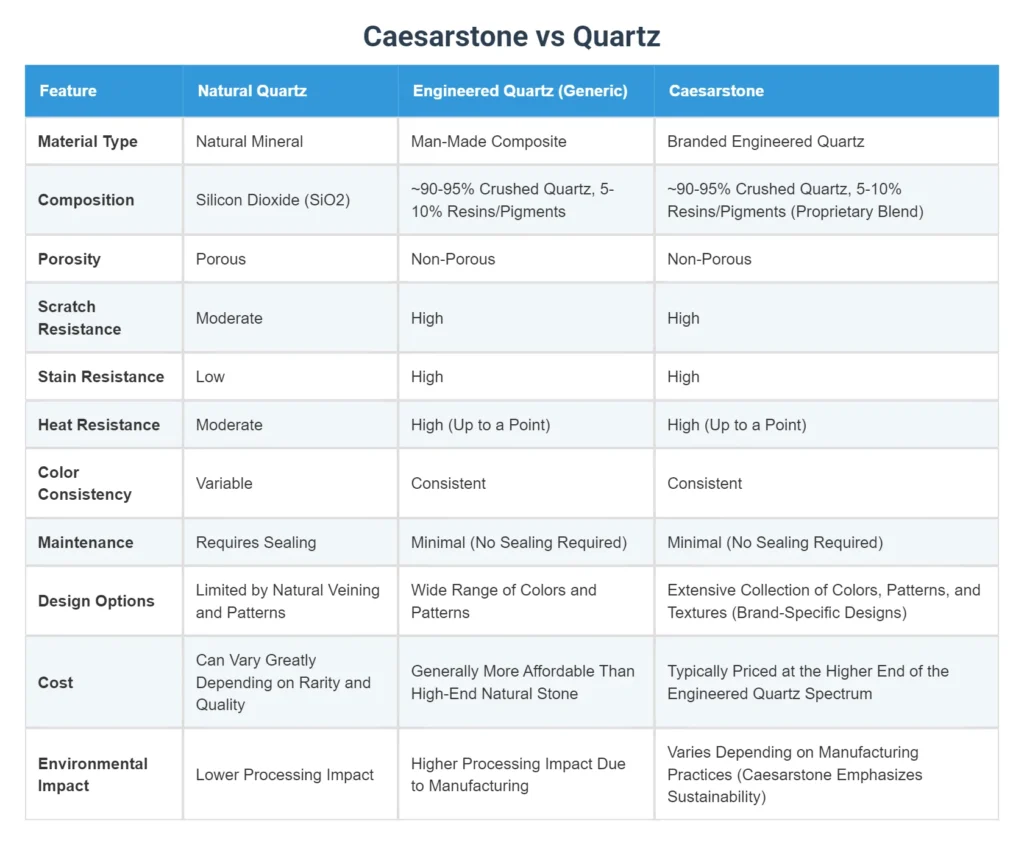
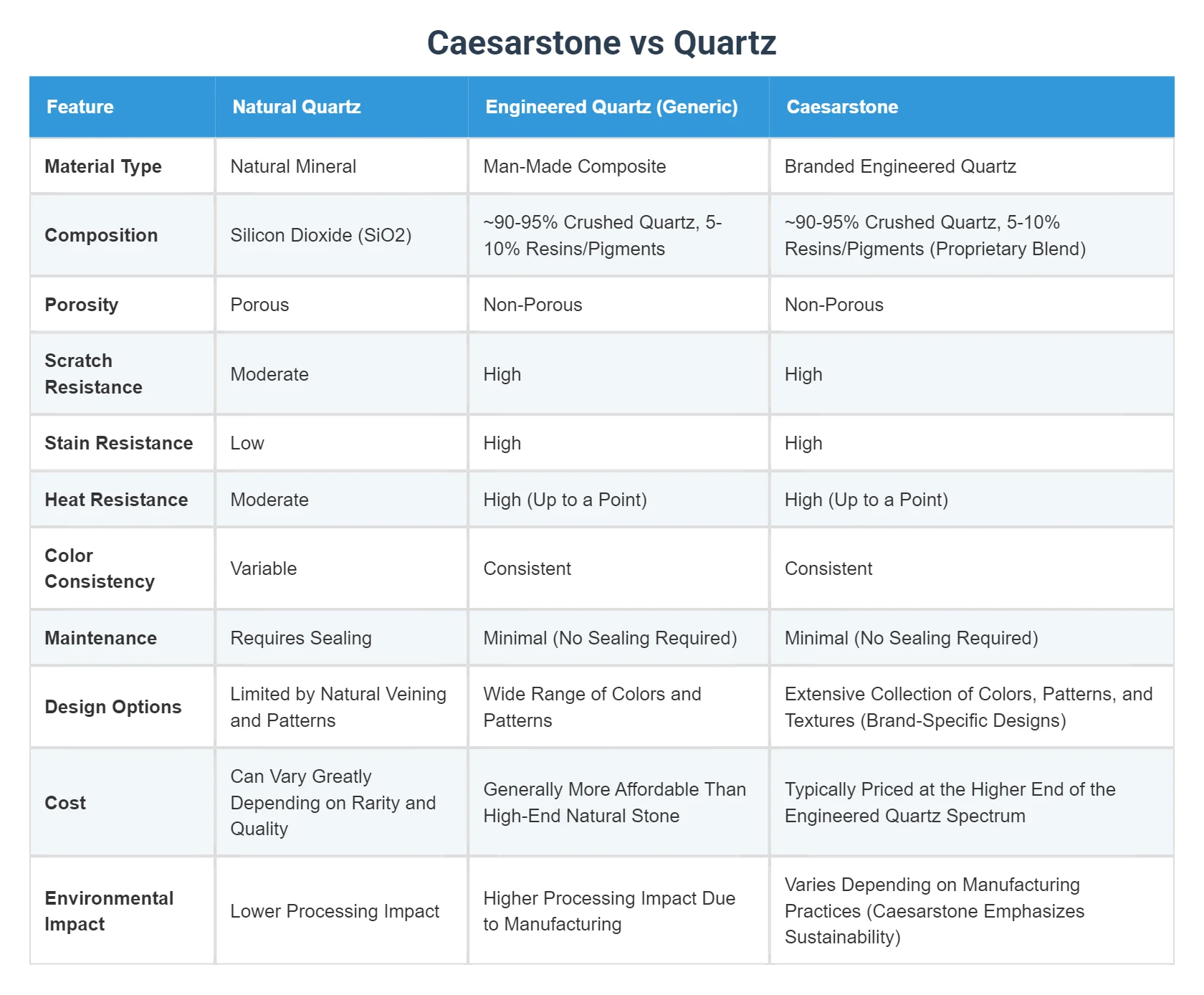
At the heart of any engineered quartz surface lies a blend of crushed natural quartz, resin binders, and pigments. Caesarstone typically uses a higher proportion of quartz—around 93%—combined with a proprietary polymer blend. Pental Quartz, on the other hand, leans slightly more on resin, featuring roughly 90% quartz and 10% resin. This subtle variance influences not only the visual depth of the stone but also its impact resistance and heat tolerance.
Both brands employ advanced manufacturing processes that compress the mixture under high pressure and temperature, creating a non‑porous slab that resists staining and bacterial growth. However, Caesarstone’s patented Surface Protection System adds an extra layer of UV resistance, making it a favorite for sun‑lit kitchens. Pental Quartz counters this with a focus on eco‑friendly production, using recycled materials in its resin mix to reduce carbon footprint.
Design Flexibility in Caesarstone vs Pental Quartz
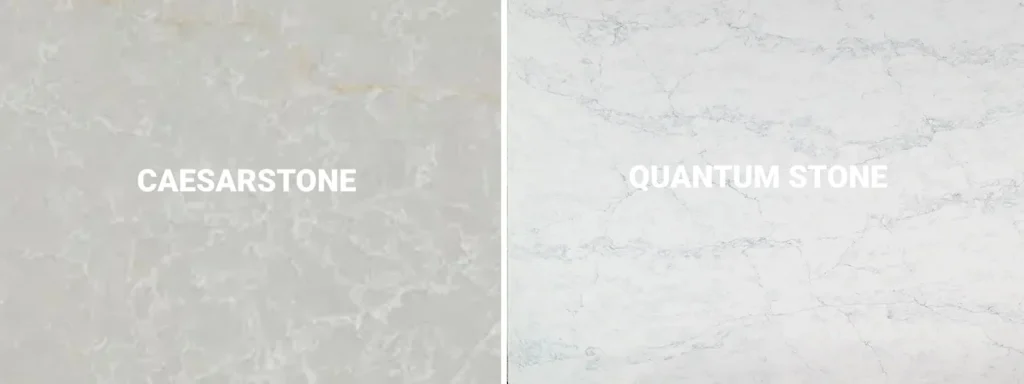
- Color Range: Caesarstone offers over 150 colors, from classic whites to dramatic veined patterns. Pental Quartz provides a curated collection of about 80 shades, emphasizing muted, natural tones.
- Pattern Consistency: Caesarstone’s digital printing technology ensures uniform pattern replication across large installations, while Pental Quartz often showcases subtle variations that mimic natural stone more closely.
- Edge Profiles: Both brands support a wide array of edge options—eared, beveled, bullnose, and custom profiles—allowing designers to tailor the finish to specific kitchen styles.
Durability and Maintenance: Caesarstone vs Pental Quartz in Daily Use
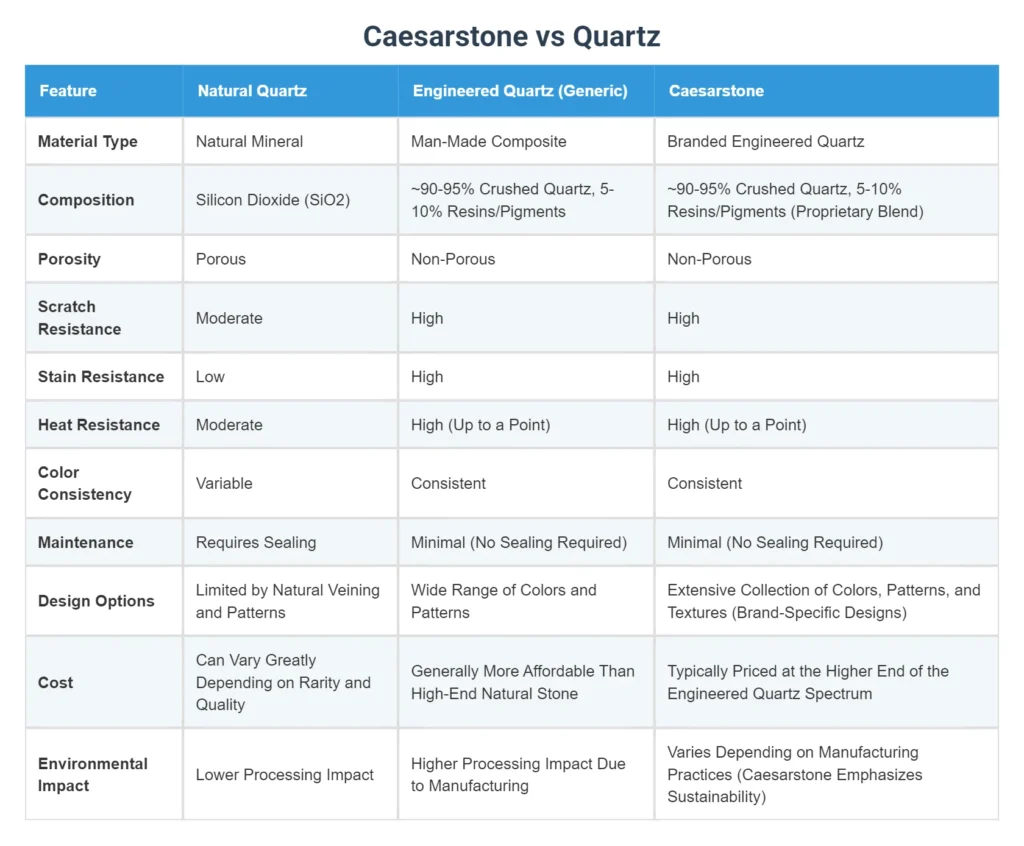
Durability is a top concern for anyone installing a countertop that will face hot pans, sharp knives, and constant cleaning. Caesarstone’s higher quartz content translates into a slightly harder surface, registering a Mohs hardness of 7.5. This means scratches are less likely, and the material can tolerate occasional direct contact with hot cookware without immediate damage.
Pental Quartz, while marginally softer at a Mohs rating of 7, compensates with a resilient resin matrix that absorbs impacts better. Both surfaces are non‑porous, making them resistant to stains from coffee, wine, or oil. Routine maintenance simply involves wiping with mild soap and water; harsh chemicals are unnecessary and can degrade the polish over time.
Heat Resistance Compared: Caesarstone vs Pental Quartz
Even though neither brand is a true heat‑proof material, Caesarstone’s enhanced polymer blend can handle temperatures up to 150°C (300°F) before the resin may begin to soften. Pental Quartz tolerates up to 130°C (266°F). Using trivets or heat‑resistant pads is always recommended, especially for heavy-duty cooking appliances.
Installation Considerations: What Sets Caesarstone vs Pental Quartz Apart?
Installation quality can make or break the performance of engineered quartz. Caesarstone slabs are typically thicker (30 mm) and come with pre‑fabricated templates for complex layouts like waterfall islands. This thickness provides additional rigidity, reducing the risk of cracking during transport or installation.
Pental Quartz often offers a slimmer 20 mm profile, which can be advantageous in remodels where cabinet heights are limited. However, thinner slabs may require additional support, such as a reinforced substrate, to avoid flexing under heavy loads. Both brands recommend professional installers certified by the manufacturer to ensure proper seam sealing and edge finishing.
Cost Comparison: Caesarstone vs Pental Quartz
Price is a decisive factor for most homeowners. Caesarstone generally commands a premium price range of $120–$150 per square foot, reflecting its extensive color library and high quartz content. Pental Quartz, with its streamlined collection, typically falls between $90–$120 per square foot. While the initial outlay for Pental Quartz is lower, consider long‑term value—Caesarstone’s durability may reduce replacement costs over a longer lifespan.
Environmental Impact and Sustainability: Caesarstone vs Pental Quartz
Eco‑conscious consumers increasingly evaluate the lifecycle footprint of building materials. Caesarstone has invested heavily in renewable energy, with production facilities powered by solar and wind sources in Israel and the United States. Their manufacturing waste is recycled back into the production line, minimizing landfill contributions.
Pental Quartz positions itself as a greener alternative by incorporating up to 30% recycled glass and reclaimed quartz in its resin blend. The brand also adheres to strict VOC (volatile organic compound) emissions standards, ensuring indoor air quality remains high after installation.
Certifications and Standards for Caesarstone vs Pental Quartz
- LEED‑qualified production facilities (both brands)
- NSF/ANSI 51 certification for food‑contact surfaces
- ISO 9001 quality management systems
- GREENGUARD Gold certification (Pental Quartz)
Design Applications: Where Caesarstone vs Pental Quartz Shine the Most
Both engineered quartz options excel in kitchens, but each brings unique strengths to other interior spaces. Caesarstone’s bold, high‑contrast patterns make an eye‑catching statement for contemporary kitchen islands and bar tops. Its UV‑resistant finish also performs well in outdoor kitchens and patio bar counters, where sunlight exposure can fade lower‑quality surfaces.
Pental Quartz’s softer, nature‑inspired hues blend seamlessly into bathroom vanities, laundry rooms, and even indoor wall cladding. The subtle veining adds texture without overwhelming the space, making it ideal for minimalist or Scandinavian‑inspired interiors. For homeowners seeking a cohesive look across multiple rooms, Pental Quartz offers a versatile palette that unifies design language.
Styling Tips for Caesarstone vs Pental Quartz in Open‑Concept Spaces
In an open‑concept floor plan, consider extending the countertop material onto a breakfast bar or a kitchen island that doubles as a dining surface. Caesarstone’s bold patterns can anchor the visual flow, while Pental Quartz’s muted tones provide a seamless backdrop for pendant lighting and decorative accessories. Pair either surface with matte‑finished cabinets to let the quartz shine without competing for attention.
For inspiration on how to integrate engineered quartz into a cohesive design, explore our neutral kitchen interior inspiration guide. It showcases real‑world applications that highlight both style and function.
Quick Tips for Choosing Between Caesar Stone and Pental Quartz
- Assess your budget: Caesarstone offers a broader color range at a higher price point; Pental Quartz provides cost‑effective elegance.
- Consider heat exposure: For sun‑filled kitchens, Caesarstone’s UV‑resistant coating gives it an edge.
- Match your design language: Choose Caesarstone for dramatic, high‑contrast looks; opt for Pental Quartz if you prefer subtle, natural tones.
- Check installation requirements: Thicker Caesarstone slabs need less sub‑structure support, while thinner Pental Quartz may require additional reinforcement.
- Prioritize sustainability: If recycled content is a priority, Pental Quartz’s composition aligns with green building goals.
Common Mistakes to Avoid When Selecting Caesarstone vs Pental Quartz
Even with thorough research, homeowners can fall into typical pitfalls. One frequent error is assuming all engineered quartz is heat‑proof; both Caesarstone and Pental Quartz require protective trivets for hot pots. Another mistake is overlooking seam placement—poorly aligned seams can become visible over time, especially with lighter colors.
Finally, some buyers focus solely on price and ignore long‑term maintenance. While Pental Quartz may appear cheaper upfront, a lower quartz content could lead to more frequent polishing in high‑traffic areas. Balancing initial cost with durability ensures you make a financially sound investment.
Frequently Asked Questions
Is Caesarstone or Pental Quartz better for outdoor kitchens?
Both surfaces are suitable for outdoor use, but Caesarstone’s enhanced UV resistance generally outperforms Pental Quartz under prolonged sunlight exposure. Using a protective sealant adds extra durability for either option.
Can I install Caesarstone vs Pental Quartz myself?
While DIY installation is technically possible, it is not recommended. Both materials require precision cutting, proper substrate support, and professional seam sealing to prevent cracking and ensure a flawless finish.
How does the resale value of a home change with Caesarstone vs Pental Quartz countertops?
High‑quality engineered quartz, especially well‑known brands like Caesarstone, can boost resale value by 2–4%. Pental Quartz also adds value, though the impact may be slightly lower due to brand recognition differences.
Are there health concerns associated with the resin used in Caesarstone vs Pental Quartz?
Both brands meet strict NSF/ANSI 51 standards for food‑contact surfaces and emit low VOCs. Pental Quartz’s recycled content further reduces potential off‑gassing, making it a safe choice for indoor environments.
What is the typical lifespan of Caesarstone vs Pental Quartz?
When properly maintained, both engineered quartz surfaces can last 25 years or more. Caesarstone’s higher quartz content may provide a marginally longer lifespan, but regular cleaning and avoiding extreme heat are key for both.
Bringing It All Together: Making the Right Choice
Choosing between Caesarstone and Pental Quartz ultimately hinges on your project’s priorities. If you crave a bold aesthetic, need superior UV resistance, and have a flexible budget, Caesarstone often takes the lead. Conversely, if sustainability, subtle elegance, and cost efficiency rank higher on your checklist, Pental Quartz presents a compelling alternative.
Whichever brand you select, remember that proper installation, regular maintenance, and thoughtful design integration are essential to unlocking the full potential of engineered quartz. Pair your chosen surface with complementary cabinetry, lighting, and hardware to create a harmonious space that reflects your personal style.
For additional inspiration on cohesive home design, check out our cozy entryway inspiration article, which offers practical tips for tying together color palettes and textures throughout your home.
Ready to start your countertop journey? Explore sample showrooms, request fabric swatches, and consult with certified installers to ensure a seamless experience from concept to completion. The right quartz surface will not only elevate your kitchen’s visual appeal but also provide a durable workhorse for daily culinary adventures.