

Table of Contents
- cabinets with crown molding vs without: A design overview
- cabinets with crown molding vs without – Budget considerations
- Visual impact and proportion
- Functionality and maintenance
- Installation complexity
- Styling synergy with other décor elements
- Material choices for crown molding
- Colour coordination and finishes
- Real‑world room examples
- Quick Home Décor Tips
- Common mistakes and how to avoid them
- Frequently Asked Questions
- Does crown molding affect cabinet resale value?
- Can I install crown molding myself?
- Is there a recommended height for crown molding on cabinets?
- How does crown molding interact with under‑cabinet lighting?
- Will crown molding interfere with cabinet doors or drawers?
- Is it worth adding molding to existing cabinets?
Cabinets with Crown Molding vs Without – Which Choice Elevates Your Space?
When it comes to refining a room’s visual hierarchy, the decision to add crown molding to cabinets can feel surprisingly pivotal. Homeowners often wonder whether the extra detail will truly transform a kitchen or bathroom, or if a clean‑lined look without molding is the smarter route. This article breaks down the aesthetic, functional, and financial implications of cabinets with crown molding vs without, giving you a clear roadmap to match your style, budget, and practical needs.
Whether you’re planning a full remodel, a modest refresh, or simply looking to upgrade a single row of cabinets, understanding the subtle power of crown molding helps you avoid costly missteps and ensures every element works harmoniously. By the end of this guide, you’ll be equipped to make an informed choice that complements your overall interior design vision.
cabinets with crown molding vs without: A design overview

Crown molding, historically used to finish the junction between walls and ceilings, has migrated into cabinet design as a decorative cap that adds height and visual interest. When installed on upper cabinets, it creates a seamless transition that can make a room feel taller and more cohesive. Without molding, cabinets present a minimalist silhouette that suits modern, industrial, or ultra‑contemporary schemes. The key is to align the decision with the architectural language of the space.
For example, a traditional farmhouse kitchen often thrives on the warmth of cabinets with crown molding, echoing classic trim work. In contrast, a sleek urban loft may benefit from the clean lines of cabinets without molding, allowing other textures—like concrete or glass—to dominate. The choice also influences lighting: crown molding can act as a subtle reflector, while a bare cabinet top offers a direct surface for under‑cabinet lighting.
cabinets with crown molding vs without – Budget considerations
Adding crown molding inevitably raises material and labor costs. Custom‑crafted molding can cost anywhere from $5 to $15 per linear foot, plus installation fees that vary by region. If you’re working with a modest budget, opting for cabinets without molding might free up funds for higher‑quality hardware or premium countertop materials. However, many manufacturers now offer pre‑finished, factory‑installed crown molding as a standard upgrade, reducing the price gap.
It’s also worth calculating the long‑term value. Crown molding can increase resale appeal, especially in markets that favor classic detailing. Home buyers often perceive the extra trim as a sign of a well‑finished home, potentially boosting the property’s perceived value. Weigh these factors against your immediate financial constraints to decide which side of the equation serves you best.
Visual impact and proportion
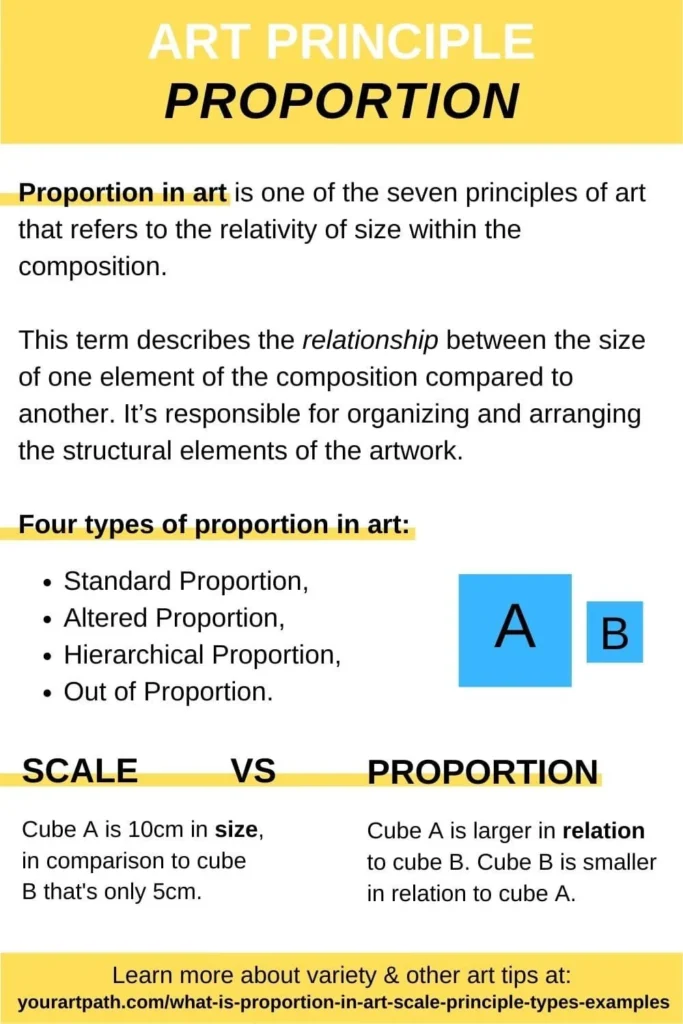
The visual weight of crown molding can dramatically shift how a room feels. A tall ceiling paired with cabinets topped by a modest profile molding can accentuate vertical lines, making the space appear even loftier. Conversely, heavy, ornate molding on a low ceiling might compress the room, creating a cramped sensation. When you skip the molding, the cabinet’s top edge becomes the definitive line, which can simplify the visual field and emphasize other design elements like backsplashes or wall art.
Consider the proportion of your cabinetry relative to the overall wall height. A rule of thumb is that the molding height should be roughly 1/10th of the cabinet height for balanced aesthetics. If the cabinets are short, a delicate profile works best; for taller units, a more substantial molding can anchor the design without overwhelming the space.
Functionality and maintenance
Beyond looks, crown molding can serve functional purposes. It provides a protective edge that shields the cabinet’s top surface from accidental scratches and moisture, especially in kitchens where steam may rise. The molding also creates a slight overhang that can hide minor gaps between the cabinet and ceiling, reducing dust accumulation.
Maintenance-wise, both options are comparable. However, molded tops may require occasional cleaning of the molding’s crevices to prevent grime buildup. If you prefer a low‑maintenance approach, cabinets without molding present a smoother surface that wipes clean with a single cloth.
Installation complexity
Installing crown molding on cabinets typically involves measuring, cutting, and fastening the trim pieces, then filling seams with caulk or wood filler. This process adds time to the remodel schedule, especially if the cabinets are already in place and require removal for precise fitting. On the other hand, cabinets without molding are installed directly against the ceiling or soffit, streamlining the construction timeline.
If you’re managing a DIY project, the added complexity may be a deterrent. Many homeowners find that hiring a skilled carpenter for molding installation ensures a flawless finish, but it also adds to labor costs. For a quicker, more straightforward renovation, choosing cabinets without molding can keep the project moving smoothly.
Styling synergy with other décor elements
Cabinets with crown molding naturally echo other trim details such as baseboards, door casings, and window frames. This continuity can unify a space, especially when you’re working with a traditional or transitional style. Pairing molding with complementary hardware finishes—like brushed nickel or oil‑rubbed bronze—enhances the cohesive feel.
In a modern setting, the sleek profile of cabinets without molding creates a canvas for bold colour choices or textured backsplashes. You might introduce visual interest through indoor plants placed on open shelves, or by using a striking pendant lighting scheme that draws the eye upward without competing with trim.
Material choices for crown molding
Traditional crown molding is crafted from solid wood, MDF, or polyurethane. Solid wood offers authentic grain and durability but can be pricey and prone to warping in humid environments. MDF provides a smooth surface that’s easy to paint and budget‑friendly, yet it may not hold up as well over decades. Polyurethane (or “foam”) molding is lightweight, resistant to moisture, and ideal for DIY installations.
When selecting a material, consider the overall kitchen environment. In high‑humidity areas like bathrooms, polyurethane or moisture‑resistant MDF may be wiser to prevent swelling. If you cherish the natural warmth of wood, choose a stable hardwood and apply a high‑quality sealant to protect against moisture.
Colour coordination and finishes
The colour of crown molding can either blend with the cabinet colour for a seamless look or contrast to become a decorative accent. Painting the molding the same shade as the cabinet is a popular technique for a unified aesthetic, especially in contemporary spaces. Alternatively, a crisp white or muted pastel molding can highlight the cabinetry, adding depth without overwhelming the palette.
Finish choices also matter. A matte paint can soften the profile, while a semi‑gloss finish accentuates the moulded edges, catching ambient light. If you’re working with a bold colour scheme, a contrasting crown molding can serve as a subtle accent that balances the overall visual weight.
Real‑world room examples
- Classic kitchen remodel: White shaker cabinets topped with soft‑profile white crown molding, paired with a subway tile backsplash, created a timeless look that feels both spacious and refined.
- Urban loft bathroom: Dark espresso vanity without crown molding allowed the striking geometric tile pattern to dominate, while floating fixtures kept the space airy.
- Small apartment bedroom: Light‑grey built‑in wardrobes without molding saved valuable wall space and maintained a clean silhouette, making the room feel larger.
These scenarios illustrate how the decision between cabinets with crown molding vs without can be tailored to the room’s function, size, and design language.
Quick Home Décor Tips
- Match crown molding colour to the ceiling for a subtle, integrated appearance.
- Use LED strip lighting behind molding to create a soft halo effect.
- In small rooms, opt for cabinets without molding to preserve visual simplicity.
- Combine brushed nickel hardware with white molding for a crisp, modern contrast.
- When on a budget, choose pre‑finished molding kits that include all necessary hardware.
Common mistakes and how to avoid them
Even seasoned remodelers can stumble when deciding on cabinets with crown molding vs without. Here are three frequent pitfalls and solutions:
- Oversized molding on low ceilings: Large profiles can make a room feel cramped. Choose a slim, low‑profile trim or skip molding entirely for low‑height spaces.
- Neglecting moisture protection: In kitchens and bathrooms, moisture can warp wood molding. Opt for moisture‑resistant MDF or polyurethane, and seal all joints with waterproof caulk.
- Colour clash with existing trim: Painting molding a starkly different colour can create visual discord. Use a colour palette that harmonizes with surrounding baseboards, window casings, and ceiling paint.
Frequently Asked Questions
Does crown molding affect cabinet resale value?
Yes, in many markets, cabinets with crown molding are perceived as higher‑end finishes, potentially increasing resale appeal. Buyers often associate the detail with a well‑crafted home, which can translate to a modest price boost.
Can I install crown molding myself?
DIY installation is possible if you have basic carpentry skills, a miter saw, and patience for precise cuts. However, for a flawless fit—especially on existing cabinets—many homeowners prefer professional installation to avoid gaps and uneven seams.
Is there a recommended height for crown molding on cabinets?
Generally, the molding height should be about 1/10th of the cabinet height. For a standard 30‑inch upper cabinet, a 3‑inch molding works well. Adjust proportionally for taller or shorter cabinets to maintain balance.
How does crown molding interact with under‑cabinet lighting?
Crown molding can serve as a reflective surface, enhancing the glow of LED strip lights. When placed just above the cabinets, the molding helps distribute light evenly, creating a warm, ambient effect.
Will crown molding interfere with cabinet doors or drawers?
Properly installed molding sits above the cabinet doors, so it does not impede operation. Ensure the molding is flush with the cabinet top and that any hardware clearances are measured before cutting.
Is it worth adding molding to existing cabinets?
Retrofitting molding can refresh a dated look without replacing the cabinets. It’s a cost‑effective way to add visual interest, especially if the cabinets are in good condition but lack finishing detail.
Choosing between cabinets with crown molding vs without is ultimately a balance of style, budget, and functional needs. By evaluating the visual impact, cost implications, maintenance considerations, and how the detail fits within your overall design narrative, you can make a decision that enhances both aesthetics and everyday living. Whether you embrace the classic elegance of molded caps or the sleek simplicity of clean lines, the right choice will make your space feel thoughtfully curated and uniquely yours.