
Table of Contents
- How to Decorate Your Home with Indoor Plants: A Room‑by‑Room Guide
- Living Room: Creating a Lush Focal Point
- How to Decorate Your Home with Indoor Plants in Small Spaces
- Bedroom: Promoting Restful Ambiance
- Kitchen: Harvest Meets Décor
- Bathroom: Moisture‑Loving Beauties
- Choosing the Right Plants for Your Lifestyle
- Low‑Maintenance Favorites
- Pet‑Friendly Selections
- Seasonal Adjustments
- Styling Tips to Make Plants Part of Your Design Narrative
- Color Coordination
- Texture Play
- Scale and Proportion
- Quick Home Décor Tips
- Common Mistakes and How to Avoid Them
- Overwatering
- Ignoring Light Requirements
- Improper Pot Size
- Frequently Asked Questions
- Can indoor plants improve air quality?
- How often should I repot my indoor plants?
- Do I need special soil for indoor plants?
- What’s the best way to display plants in a modern home?
- How can I incorporate plants into a home office?
- Are there any indoor plants that bloom regularly?
Bringing nature indoors is more than a fleeting trend; it’s a timeless way to add life, color, and health benefits to any living space. Whether you’re a seasoned plant parent or just starting, learning how to decorate your home with indoor plants can transform dull corners into vibrant focal points. In this article, we’ll explore practical strategies that blend aesthetics with functionality, helping you create a harmonious environment that feels both fresh and inviting.
From airy living rooms to compact apartments, indoor plants adapt to a variety of styles and constraints. By the end of this guide, you’ll have a toolbox of design principles, plant selections, and maintenance habits that empower you to curate a green‑filled home without overwhelming your schedule or budget.
How to Decorate Your Home with Indoor Plants: A Room‑by‑Room Guide
Each area of your house presents unique opportunities for greenery. Understanding light levels, traffic flow, and the purpose of each room will help you choose the right species and placement.
Living Room: Creating a Lush Focal Point
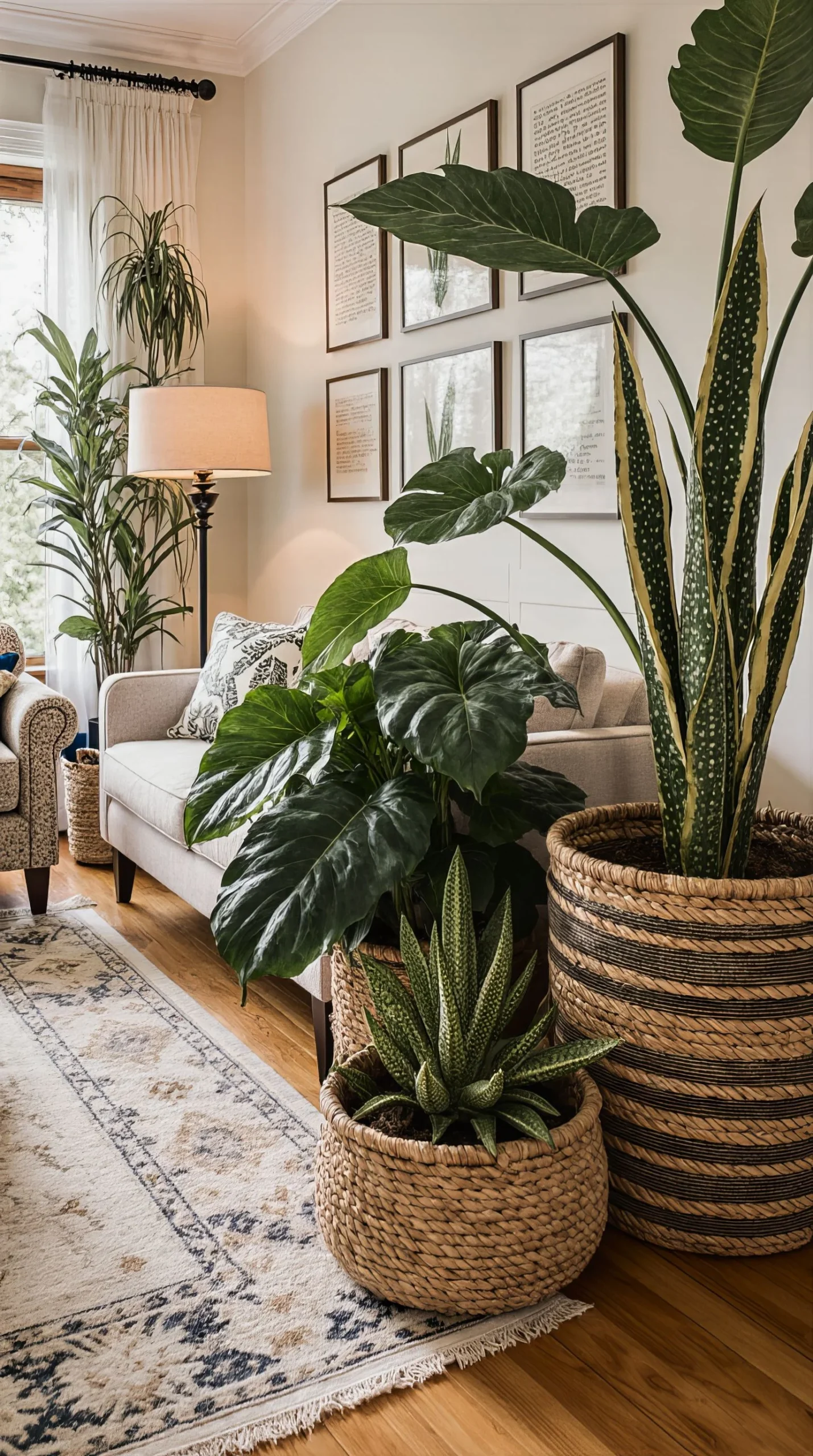
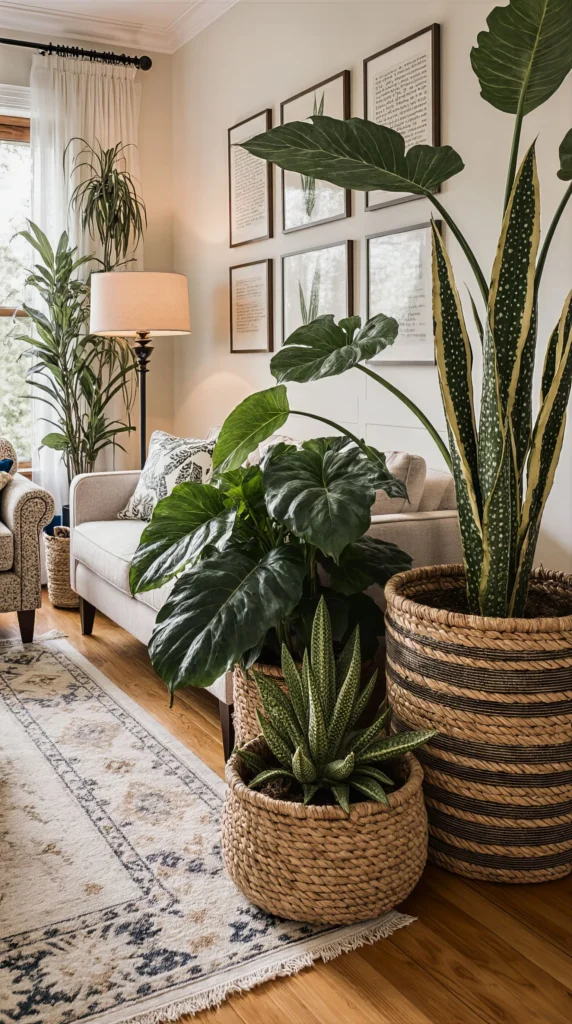
The living room is often the visual heart of the home. A tall, sculptural plant such as a fiddle‑leaf fig or a Monstera deliciosa can serve as a natural centerpiece. Pair it with smaller companions—like a pothos cascade on a side table—to add layers of texture.
- Place tall plants near empty corners to fill vertical space.
- Use decorative planters that echo your sofa’s fabric or metal accents for cohesion.
- Consider a tiered plant stand for a mini‑garden effect.
How to Decorate Your Home with Indoor Plants in Small Spaces
In apartments or tiny studios, floor space is premium. Hang trailing varieties (e.g., string of pearls or English ivy) from ceiling hooks, or use wall‑mounted pocket planters. Shelves become mini‑green galleries when you mix succulents, air plants, and low‑light ferns.
Bedroom: Promoting Restful Ambiance
Plants can improve air quality and calm the mind—perfect for a bedroom. Choose low‑maintenance, low‑light tolerant options like snake plant, ZZ plant, or peace lily. Position them a few feet from the bed to avoid drafts while still reaping their benefits.
- Use a bedside table planter with a soft, woven basket for a cozy feel.
- Opt for white or muted ceramic pots to keep the space serene.
- Avoid overly fragrant plants if you’re sensitive to scents during sleep.
Kitchen: Harvest Meets Décor
A kitchen is an ideal spot for herb gardens. Small pots of basil, thyme, and mint not only add greenery but also supply fresh flavors for cooking. Mount a vertical garden on an empty wall or line the windowsill with a row of compact herbs.
Bathroom: Moisture‑Loving Beauties
Bathrooms often have high humidity, which many tropical plants love. Place a Boston fern or a pothos near the shower to thrive in the misty environment. Ensure the plant receives indirect light to avoid leaf burn.
For more ideas on bathroom styling, check out our article Unveiling the Wonders of Bath Foam: A Home Décor Perspective.
Choosing the Right Plants for Your Lifestyle

Not every plant suits every homeowner. Assess your time, light exposure, and care preferences before committing.
Low‑Maintenance Favorites
If you travel frequently or have a busy schedule, select hardy species that tolerate occasional neglect.
- Snake plant – tolerates low light and infrequent watering.
- ZZ plant – thrives in dim corners.
- Succulent mix – needs bright light and minimal water.
Pet‑Friendly Selections
For families with curious pets, avoid toxic varieties like philodendron or oleander. Safe choices include spider plant, Boston fern, and areca palm.
Seasonal Adjustments
Some plants are more active during specific seasons. Rotate foliage plants outdoors during summer for a breath of fresh air, then bring them inside when temperatures dip.
Styling Tips to Make Plants Part of Your Design Narrative

Plants are not just accessories; they’re design statements. Integrate them thoughtfully to reinforce your interior theme.
Color Coordination
Match the foliage’s green tones with your color palette. For a neutral scheme, choose matte white or concrete pots. In a boho‑inspired room, opt for woven baskets and macramé hangers.
Texture Play
Combine smooth-leaved plants (e.g., rubber plant) with feathery fronds (e.g., Boston fern) to create visual intrigue. Layering different textures adds depth without clutter.
Scale and Proportion
Balance large floor plants with small tabletop varieties. A common mistake is crowding a room with too many similarly sized pots, which can feel chaotic. Instead, vary heights and pot diameters for a balanced composition.
Quick Home Décor Tips
- Group plants with similar watering needs together to simplify care.
- Use LED grow lights under shelves if natural light is limited.
- Refresh soil annually to prevent nutrient depletion.
Common Mistakes and How to Avoid Them
Even experienced plant lovers stumble. Recognizing pitfalls early saves both plants and money.
Overwatering
Most indoor plants die from “root rot,” a result of excess moisture. Test soil moisture with a finger or a moisture meter before each watering.
Ignoring Light Requirements
Placing a sun‑loving cactus in a low‑light hallway leads to etiolation (stretchy, weak growth). Match each plant’s light tolerance to its location.
Improper Pot Size
Too‑large pots hold excess soil that stays damp, while tiny pots restrict root growth. Choose a pot that allows 1–2 inches of space around the root ball.
Frequently Asked Questions
Can indoor plants improve air quality?
Yes. Studies show that plants like peace lilies, snake plants, and spider plants can filter volatile organic compounds (VOCs) and increase oxygen levels, contributing to a healthier indoor environment.
How often should I repot my indoor plants?
Generally, repot every 12–18 months or when you notice roots circling the pot. Spring, when growth resumes, is the optimal time for repotting.
Do I need special soil for indoor plants?
Most indoor foliage thrives in a well‑draining, peat‑based potting mix. Cacti and succulents require a gritty mix with added sand or perlite to improve drainage.
What’s the best way to display plants in a modern home?
Embrace clean lines and minimalism. Use sleek ceramic or concrete containers, group plants in geometric arrangements, and keep decorative clutter to a minimum.
How can I incorporate plants into a home office?
Place a medium‑size plant like a rubber plant on a side table for visual relief, and add a small desk‑top succulent for a touch of green without distracting from work.
Are there any indoor plants that bloom regularly?
Yes. African violets, orchids, and bromeliads can produce regular blooms when given proper light, humidity, and feeding.
By thoughtfully selecting, positioning, and caring for your greenery, you’ll discover that how to decorate your home with indoor plants is both an art and a science. The right mix of species, containers, and styling techniques will breathe new life into every room, creating a sanctuary that feels both modern and timeless.
Ready to start your green transformation? Dive deeper into design inspiration with our guide on how to become a home decorator, explore creative ways to use natural wood shelves, or learn the nuances of finishes like satin nickel versus chrome for a cohesive look.
Take the first step today—choose a plant, find the perfect spot, and watch your home blossom.