
Table of Contents
- Understanding bedroom décor with minimalist art
- Key principles of bedroom décor with minimalist art
- Choosing the Right Minimalist Art Pieces
- Size, scale, and placement for bedroom décor with minimalist art
- Color Palette and Materials that Complement Minimalist Art
- Furniture and Layout: Keeping the Space Calm
- Lighting Strategies to Highlight Minimalist Artwork
- Accessorizing without Overcrowding
- Quick Tips for bedroom décor with minimalist art
- Common Mistakes to Avoid
- Frequently Asked Questions
- Can I use colorful minimalist art in a neutral bedroom?
- Is it okay to hang multiple minimalist pieces together?
- What type of frame works best with minimalist art?
- How do I maintain a minimalist bedroom while still feeling warm?
- Should I match the art style with my bedding?
Bedroom décor with minimalist art: A Complete Guide
In recent years, the allure of simplicity has reshaped the way we approach personal spaces. Bedroom décor with minimalist art offers a serene backdrop that encourages relaxation, focus, and a sense of spaciousness, even in compact rooms. By selecting clean lines, restrained color schemes, and carefully curated artwork, you can create a retreat that feels both sophisticated and inviting.
Whether you’re a first‑time homeowner, a renter looking to personalize a leased space, or a seasoned decorator aiming to refresh a familiar bedroom, understanding the fundamentals of minimalist art integration is essential. This guide walks you through the core principles, practical choices, and styling tricks that make minimalist art work harmoniously with bedroom décor.
Throughout the article, you’ll find actionable advice, quick‑tip lists, and answers to common questions. By the end, you’ll have a clear roadmap to redesign your bedroom with confidence, while also discovering related ideas such as soft cozy bedroom design ideas that complement a minimalist aesthetic.
Understanding bedroom décor with minimalist art
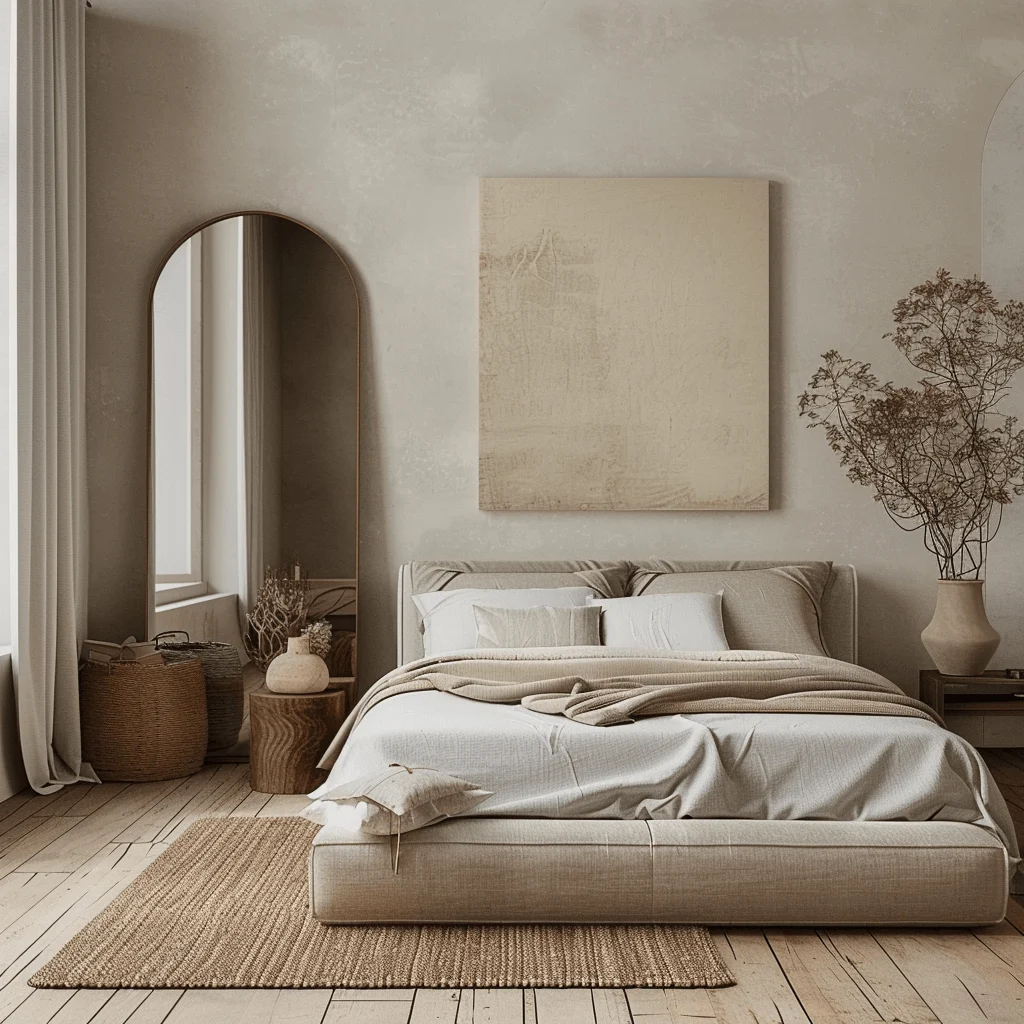
Minimalism in interior design is more than just “less is more.” It’s a philosophy that emphasizes intentionality, balance, and the purposeful use of space. When applied to bedroom décor, the approach encourages a calm environment that supports restful sleep and mental clarity. The first step is to recognize that bedroom décor with minimalist art isn’t about stripping the room bare; rather, it’s about selecting each element—furniture, textiles, lighting, and artwork—with a clear intention.
Key principles of bedroom décor with minimalist art
- Simplicity: Choose artwork that features clean shapes, limited color palettes, and uncluttered compositions.
- Functionality: Every piece should serve a purpose, whether it’s a visual focal point or a functional storage solution.
- Negative space: Embrace the areas left empty; they give the eye room to rest and highlight the art.
- Harmony: The art must echo the room’s overall palette and material choices, creating a seamless visual flow.
By adhering to these principles, you can curate a bedroom that feels curated yet effortless, allowing the minimalist artwork to become a natural extension of the space rather than an afterthought.
Choosing the Right Minimalist Art Pieces
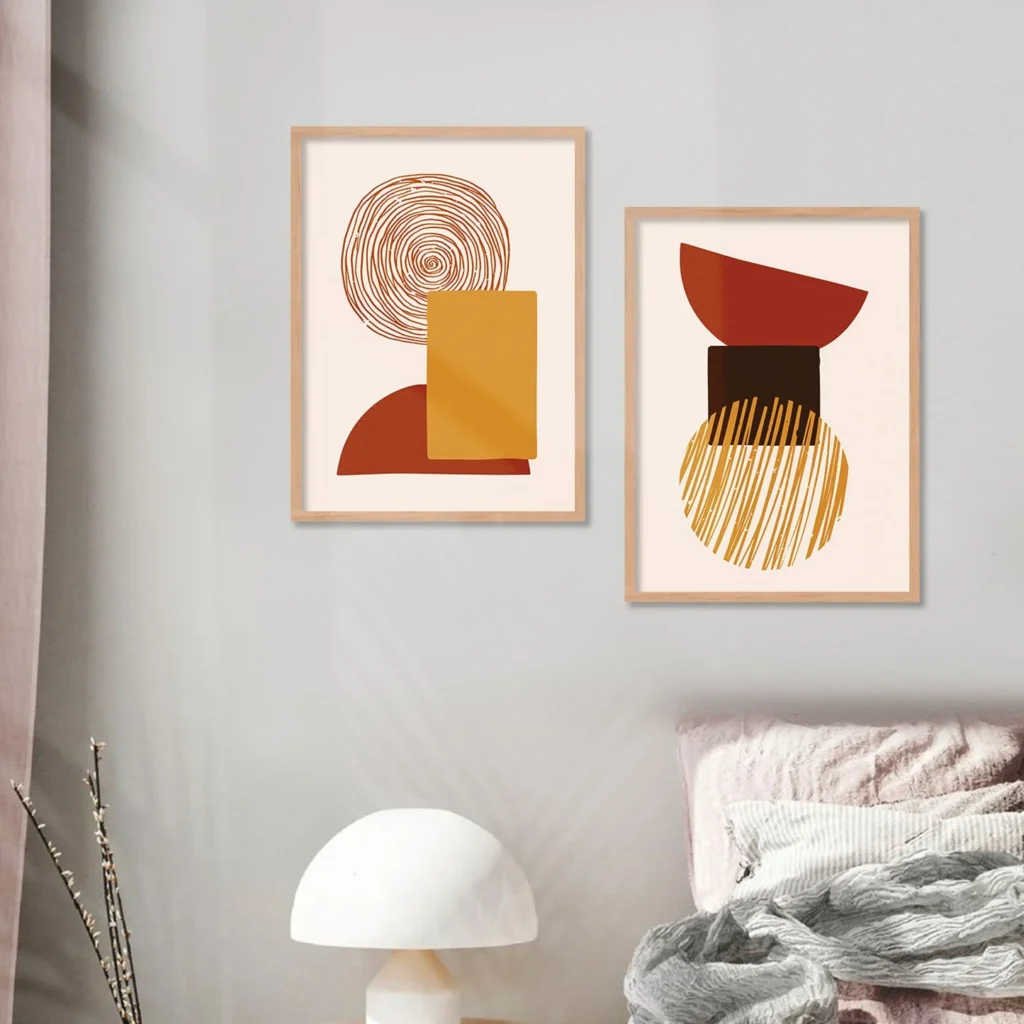
Artwork is the heart of bedroom décor with minimalist art. Selecting pieces that resonate with the room’s scale and mood is crucial. Start by evaluating the wall dimensions: a large, bold canvas can become a statement focal point above the bed, while a series of smaller prints can create a gallery wall that adds rhythm without overwhelming the senses. Consider materials beyond traditional canvas—metal prints, acrylic panels, or even subtle embossed wall treatments can add texture while preserving a minimal aesthetic.
When shopping, look for artists who employ restrained color schemes such as monochrome black‑white, muted earth tones, or soft pastels. Geometric abstractions, line drawings, and nature‑inspired silhouettes often work best in a bedroom setting because they convey calm without visual noise. If you’re uncertain about committing to a large piece, start with a modestly sized print and test how it feels under different lighting conditions.
Size, scale, and placement for bedroom décor with minimalist art
Proportion is a decisive factor in making bedroom décor with minimalist art successful. A piece that is too small may get lost against a neutral wall, while an oversized artwork can dominate the room and create a feeling of confinement. A good rule of thumb: the artwork should be roughly two‑thirds the width of the headboard if you’re placing it directly above the bed. For side walls, consider a vertical piece that aligns with the height of the nightstand, creating a balanced visual line.
Placement also influences how the art interacts with natural and artificial light. Position pieces where they receive indirect sunlight to avoid glare, and consider adding adjustable wall-mounted spotlights for evening ambience. By thoughtfully planning size, scale, and placement, you ensure the minimalist art enhances, rather than competes with, the overall bedroom décor.
Color Palette and Materials that Complement Minimalist Art
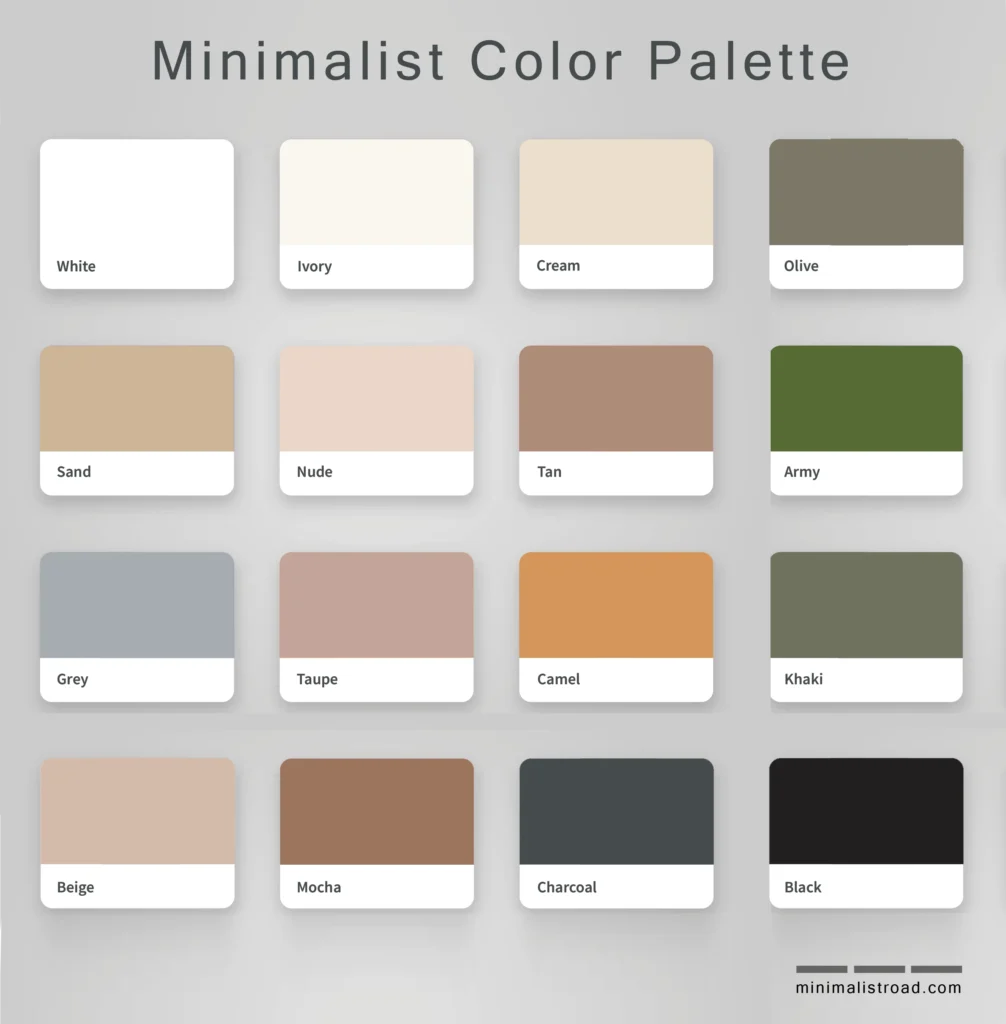
Minimalist artwork thrives in environments where the surrounding colors act as a quiet backdrop. Neutral tones such as soft whites, warm beiges, light grays, and muted taupes provide the ideal canvas, allowing the art’s subtle hues to pop without clashing. If you prefer a bit of color, integrate muted accents—like a dusty sage wall or a pale blush throw—through textiles and small décor objects.
Material choices matter as well. Natural fibers like linen, cotton, and wool add warmth, while sleek finishes such as polished wood, matte metal, and glass reinforce the minimalist vibe. Pairing a linen duvet cover with a reclaimed oak nightstand creates a layered yet understated look that supports bedroom décor with minimalist art. For an extra touch of refinement, consider a microfiber vs jersey sheets comparison to select bedding that feels luxurious without disrupting the visual calm.
Furniture and Layout: Keeping the Space Calm
The furniture you choose should echo the simplicity of the artwork while offering functional comfort. Low‑profile platforms, floating nightstands, and streamlined dressers in light wood or matte finishes keep the floor space open, reinforcing the airy feel that minimalist art seeks to create. Avoid overly ornate headboards; instead, opt for upholstered options in solid neutrals or even a simple wooden slat design that subtly frames the artwork above.
When arranging the layout, maintain clear pathways and avoid clustering. A well‑placed chair or bench can create a small reading nook without crowding the room. If your bedroom doubles as a workspace, select a compact desk that blends with the wall’s color palette, ensuring the art remains the primary visual focus. Consistency in furniture style helps tie together the overall theme of bedroom décor with minimalist art, making the space feel cohesive and intentional.
Lighting Strategies to Highlight Minimalist Artwork
Lighting is the silent partner of any successful bedroom design, especially when showcasing minimalist art. Aim for a layered approach: ambient lighting for overall illumination, task lighting for reading or dressing, and accent lighting to draw attention to the artwork. Recessed ceiling lights or a subtle cove lighting system provide soft, even brightness that doesn’t compete with the art’s subtle tones.
Accent lighting can be achieved through wall washers, picture lights, or LED strips placed behind floating shelves. These fixtures add a gentle glow that accentuates the fine lines and textures of minimalist pieces. For those who love natural light, sheer curtains in a neutral hue diffuse sunlight, creating a warm, diffused glow that softens the room while preserving the clean lines of bedroom décor with minimalist art. Remember to install dimmers to adjust the mood throughout the day and night.
Accessorizing without Overcrowding
Accessories add personality, but in a minimalist setting they must be chosen sparingly. Opt for functional decor that also serves an aesthetic purpose: a handcrafted ceramic vase, a single sculptural object, or a set of muted-toned pillows. Textiles such as a plush rug in a natural fiber can define the sleeping area without adding visual clutter.
When selecting decorative objects, keep the color palette consistent and limit the number of items per surface. A nightstand might feature a sleek alarm clock, a small plant, and one carefully chosen book. Mirrors with simple frames can reflect light and make the space feel larger, while also echoing the clean lines of the artwork. By curating each accessory with intention, you preserve the tranquil atmosphere that bedroom décor with minimalist art demands.
Quick Tips for bedroom décor with minimalist art
- Choose artwork with a maximum of three colors to maintain visual simplicity.
- Position art at eye level when standing; this creates a natural focal point.
- Use matte-finished frames to avoid glare and keep attention on the piece.
- Incorporate a single statement lighting fixture to highlight the art without overwhelming the room.
- Limit decorative objects to one or two per surface for a clutter‑free look.
Common Mistakes to Avoid
Even seasoned decorators can stumble when integrating minimalist art into a bedroom. Below are typical pitfalls and how to sidestep them:
- Over‑matching: Selecting art that mirrors the wall color exactly can cause it to disappear. Introduce a subtle contrast.
- Ignoring scale: Too large a piece can dominate a small bedroom; too small can feel insignificant. Measure wall space before purchasing.
- Excessive décor: Adding too many accessories defeats the purpose of minimalism. Keep accents purposeful.
- Poor lighting: Insufficient or harsh lighting can flatten the artwork. Use layered lighting for depth.
- Choosing trend‑only pieces: Opt for timeless designs rather than fleeting trends to ensure longevity.
Frequently Asked Questions
Can I use colorful minimalist art in a neutral bedroom?
Yes. A single splash of muted color—such as a soft teal or warm mustard—can add interest while preserving the room’s calm vibe. Ensure the color appears in other subtle elements like pillows or a rug to create cohesion.
Is it okay to hang multiple minimalist pieces together?
Absolutely. Grouping 2‑3 similarly sized prints creates a balanced gallery wall. Keep the frames uniform and maintain equal spacing to retain a clean, organized appearance.
What type of frame works best with minimalist art?
Simple, thin frames in black, white, or natural wood enhance the artwork without competing for attention. Matte finishes are preferable over glossy ones, which can reflect light and distract the eye.
How do I maintain a minimalist bedroom while still feeling warm?
Introduce texture through natural fabrics—think linen bedding, woven rugs, or a soft throw. These tactile elements add warmth without adding visual clutter, supporting the minimalist ethos.
Should I match the art style with my bedding?
Not necessarily. While it’s helpful for the colors to complement each other, the patterns can differ. A geometric print can coexist nicely with solid‑colored bedding, provided the palette aligns.
Designing a bedroom with minimalist art is a rewarding journey that blends visual elegance with functional serenity. By understanding the core principles, selecting the right pieces, and applying thoughtful lighting and accessorizing techniques, you can craft a personal sanctuary that feels both spacious and inviting. Remember to keep the focus on intentionality—each item should earn its place in the room. As you experiment, feel free to explore related inspirations like the calm neutral bedroom color palette for additional ideas that harmonize perfectly with minimalist art.