
Table of Contents
- Understanding Aluminum Kitchen Cabinets vs Wood: Material Basics
- Aluminum Kitchen Cabinets vs Wood: Durability Comparison
- Aesthetic Considerations for Aluminum Kitchen Cabinets vs Wood
- Aluminum Kitchen Cabinets vs Wood: Style Flexibility
- Cost and Budgeting Implications of Aluminum Kitchen Cabinets vs Wood
- Aluminum Kitchen Cabinets vs Wood: Price Points
- Maintenance and Longevity for Aluminum Kitchen Cabinets vs Wood
- Aluminum Kitchen Cabinets vs Wood: Cleaning Tips
- Environmental Impact and Sustainability of Aluminum Kitchen Cabinets vs Wood
- Aluminum Kitchen Cabinets vs Wood: Eco‑Friendly Factors
- Installation and Compatibility with Kitchen Layouts
- Aluminum Kitchen Cabinets vs Wood: Fit with Design Trends
- Quick Tips for Choosing Between Aluminum and Wood Cabinets
- Common Mistakes to Avoid When Selecting Cabinet Materials
- Frequently Asked Questions
- Conclusion
Aluminum Kitchen Cabinets vs Wood: A Comprehensive Comparison for Modern Homes
Choosing the right cabinetry can make or break a kitchen renovation. With countless materials on the market, homeowners often find themselves weighing the sleek, industrial feel of metal against the timeless warmth of timber. Understanding the strengths and limitations of each option helps you create a space that not only looks great but also stands up to daily use.
In this article we’ll dive deep into the practical and aesthetic aspects of aluminum kitchen cabinets vs wood. Whether you’re updating a compact apartment kitchen or redesigning a sprawling family hub, the insights below will guide you toward a decision that matches your budget, lifestyle, and design vision.
We’ll explore durability, style flexibility, cost considerations, maintenance routines, environmental impact, and installation nuances. By the end, you’ll have a clear roadmap for selecting the cabinetry that best fits your modern home.
Understanding Aluminum Kitchen Cabinets vs Wood: Material Basics

At the core of any cabinetry decision is the material composition. Aluminum cabinets are crafted from lightweight metal sheets that are either pressed or extruded, then coated with a powder finish for added protection. This process yields a surface that resists corrosion, dents, and scratches. In contrast, wood cabinets are built from solid hardwoods (such as maple, cherry, or oak) or engineered wood like plywood and MDF, often finished with veneer, paint, or stain.
The structural differences affect everything from weight to structural integrity. Aluminum’s low density means cabinets are easier to handle during installation, while wood’s heavier frame can provide a more solid feel, especially in high‑traffic kitchens. Both materials can be engineered to incorporate internal framing, shelves, and drawer systems, but the choice of core influences long‑term performance.
Aluminum Kitchen Cabinets vs Wood: Durability Comparison
- Resistance to moisture: Aluminum is non‑porous, making it highly resistant to water damage, swelling, or warping. Wood, even when sealed, can still absorb moisture over time.
- Impact tolerance: A dent in aluminum is usually superficial, while a dent in wood can compromise the grain and require repair.
- Heat exposure: Proximity to stovetops can cause wood finishes to discolor, whereas aluminum tolerates heat without discoloration.
For homeowners who cook frequently or live in humid climates, aluminum kitchen cabinets vs wood may offer a practical edge in durability.
Aesthetic Considerations for Aluminum Kitchen Cabinets vs Wood

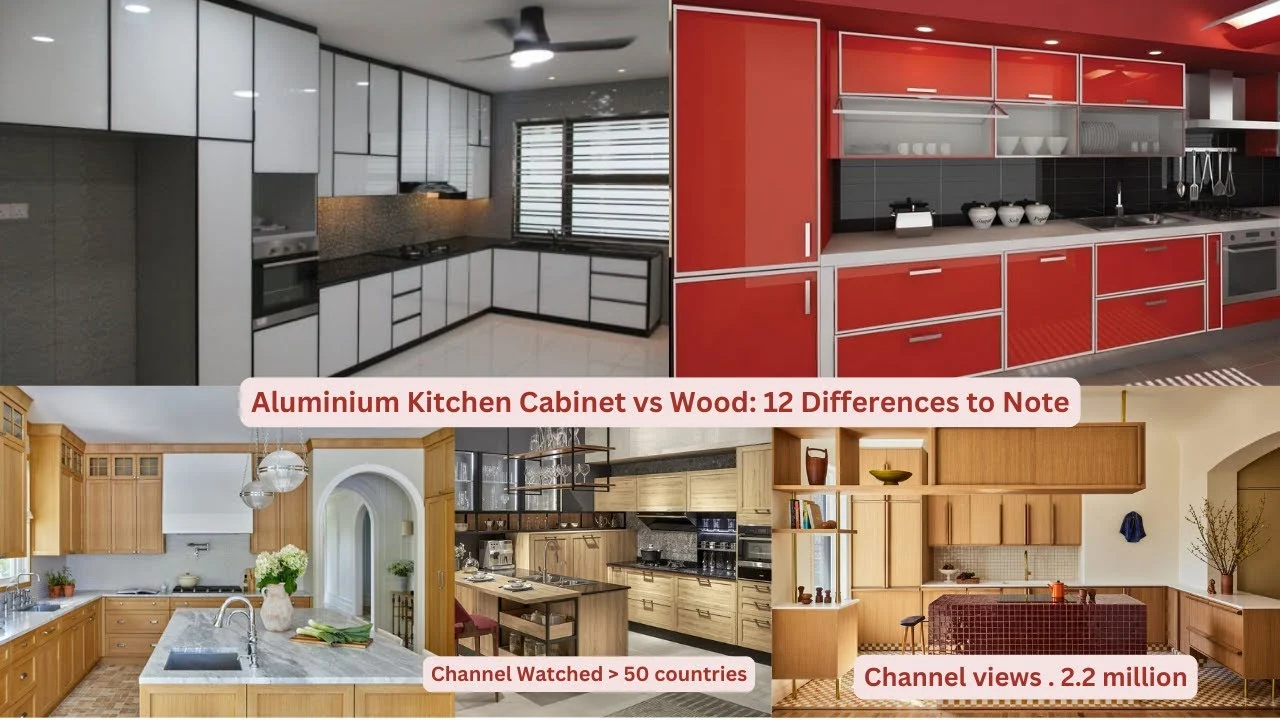
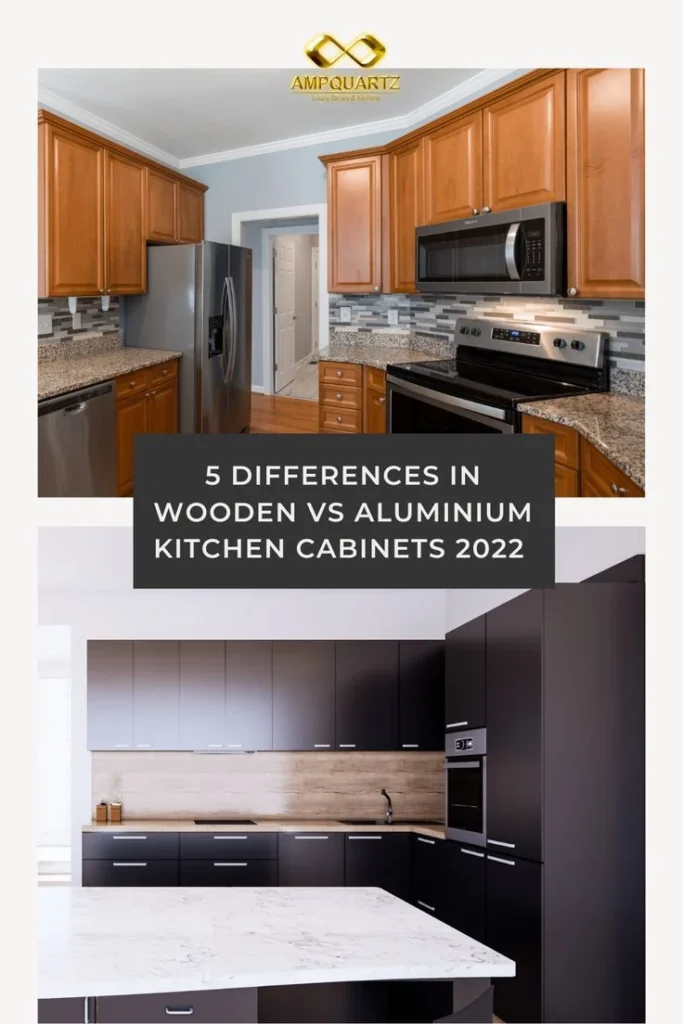
Design aesthetics often drive material selection. Aluminum cabinets bring a contemporary, industrial vibe that pairs well with minimalist hardware, glass inserts, and bold color palettes. Their sleek surfaces can be matte, glossy, or even brushed, allowing for a modern look that reflects light and expands visual space.
Wood, on the other hand, provides warmth and texture that can be tailored through stains, paints, or natural finishes. From rustic farmhouse charm to sleek mid‑century modern, wood’s versatility is unmatched. It also ages gracefully, developing a patina that many homeowners find desirable.
Aluminum Kitchen Cabinets vs Wood: Style Flexibility
Both materials can be customized, but the methods differ. Aluminum can be laser‑cut for intricate patterns or anodized in a spectrum of colors, enabling designers to create unique visual statements. Wood can be carved, routed, or reclaimed, offering a tactile experience that metal cannot replicate.
If you’re seeking a kitchen that feels airy and modern, aluminum may be the answer. If you prefer a cozy, inviting atmosphere, wood often delivers that emotional connection.
Cost and Budgeting Implications of Aluminum Kitchen Cabinets vs Wood
Budget is a decisive factor in any remodel. Generally, aluminum cabinets carry a higher upfront price due to the manufacturing processes involved—especially for custom finishes and precise metalworking. However, their longevity can offset the initial expense.
Wood cabinets vary widely in cost. Engineered wood options can be budget‑friendly, while solid hardwood and custom millwork can rival or exceed the price of aluminum. Additionally, wood may require more frequent refinishing or repairs, which can add to long‑term costs.
Aluminum Kitchen Cabinets vs Wood: Price Points
- Base models: Engineered wood cabinets often start lower than basic aluminum units.
- Mid‑range: High‑quality hardwoods (e.g., maple) can match the cost of premium aluminum finishes.
- High‑end: Custom‑fabricated aluminum with anodized colors can surpass the price of bespoke solid‑wood cabinetry.
When budgeting, consider not only material costs but also hardware, finishes, and potential future maintenance.
Maintenance and Longevity for Aluminum Kitchen Cabinets vs Wood
Ease of upkeep is essential for busy households. Aluminum cabinets are simple to clean—usually a wipe with a damp cloth and mild detergent is sufficient. The powder‑coat finish resists staining and does not require periodic resealing.
Wood cabinets demand more attention. Regular cleaning with wood‑safe cleaners, occasional polishing, and resealing of edges are necessary to protect against moisture and wear. Scratches may need sanding and refinishing, which adds to the maintenance schedule.
Aluminum Kitchen Cabinets vs Wood: Cleaning Tips
To keep your cabinets looking fresh:
- Use a soft microfiber cloth with warm water and a gentle dish soap.
- Avoid abrasive cleaners or steel wool on aluminum to prevent surface dulling.
- For wood, apply a wood‑specific conditioner quarterly to maintain the finish.
- Wipe up spills immediately on both materials to prevent stains.
Choosing the right material can reduce the time you spend on routine cleaning, especially in high‑traffic kitchens.
Environmental Impact and Sustainability of Aluminum Kitchen Cabinets vs Wood
Eco‑conscious homeowners often weigh the sustainability of their choices. Aluminum is highly recyclable; up to 95% of new aluminum products contain recycled content, reducing the need for virgin mining. The manufacturing process, however, can be energy‑intensive, though modern facilities employ renewable energy sources.
Wood’s environmental footprint depends on sourcing. Responsibly harvested timber from certified forests (FSC or PEFC) can be a renewable resource. Conversely, illegal logging or the use of low‑grade MDF with formaldehyde resins raises sustainability concerns.
Aluminum Kitchen Cabinets vs Wood: Eco‑Friendly Factors
- Recyclability: Aluminum can be reclaimed and melted down without loss of quality.
- Renewability: Wood is renewable when sourced responsibly, but transportation and processing add carbon emissions.
- Life cycle: Aluminum’s durability may lead to fewer replacements, while wood may need more frequent refinishing.
For a greener kitchen, consider the full life cycle of each material, from extraction to end‑of‑life disposal.
Installation and Compatibility with Kitchen Layouts
Installation logistics can influence material choice. Aluminum’s lightweight nature makes it easier for installers to transport and mount, especially in high‑rise apartments where stairwells are narrow. Its rigidity also allows for seamless integration with modern frameless designs.
Wood cabinets often require additional reinforcement, particularly in larger spans, to prevent sagging. They pair well with both traditional face‑frame layouts and contemporary slab styles. The choice may also affect hardware selection; aluminum can accommodate stainless steel hinges and soft‑close mechanisms just as effectively as wood.
Aluminum Kitchen Cabinets vs Wood: Fit with Design Trends
Current kitchen trends favor clean lines, integrated appliances, and open shelving. Aluminum cabinets naturally complement these trends, especially when paired with concrete countertops or glass backsplashes. Wood remains a staple for transitional designs that blend classic charm with modern functionality.
For inspiration on how to blend cabinetry styles, check out our guide on horizontal vs vertical kitchen cabinets, which shows how layout choices can enhance either material.
Quick Tips for Choosing Between Aluminum and Wood Cabinets
- Assess your kitchen’s moisture levels—high humidity favors aluminum.
- Match your overall interior style; industrial looks pair well with aluminum, while warm, rustic vibes suit wood.
- Set a realistic budget that includes long‑term maintenance costs.
- Consider the environmental certifications of wood sources or the recycled content of aluminum.
- Consult with a professional installer to verify structural requirements for heavier wood cabinets.
Common Mistakes to Avoid When Selecting Cabinet Materials
Even seasoned renovators can slip into pitfalls. One frequent error is assuming that a lower‑priced wood cabinet will always be cheaper in the long run; hidden costs like frequent sealing or repairs can add up. Another mistake is overlooking the weight of solid‑wood doors, which may strain hinges and drawer slides if not properly supported.
Conversely, opting for aluminum solely for its modern look without considering the need for compatible hardware can lead to mismatched finishes. Always verify that handles, pulls, and hinges complement the chosen material’s aesthetic.
Frequently Asked Questions
Is aluminum safe to use near a stove?
Yes, aluminum’s heat‑resistant properties make it safe for cabinets placed close to cooking appliances. It will not scorch or discolor when exposed to typical kitchen heat levels.
Can I repaint or refinish aluminum cabinets?
Aluminum can be repainted using specialty metal primers and finishes. However, the process requires proper surface preparation to ensure adhesion, making it less straightforward than repainting wood.
Do wood cabinets warp over time?
Solid hardwood is less prone to warping than engineered wood, but all wood can expand or contract with moisture changes. Proper sealing and climate control mitigate this risk.
Which material offers better resale value?
Both aluminum and high‑quality wood can boost resale value, but wood’s timeless appeal often resonates more with a broader buyer base, especially in traditional markets.
How does the weight of each material affect installation?
Aluminum cabinets are lighter, easing handling and reducing labor costs. Wood cabinets are heavier, potentially requiring additional support or reinforced mounting hardware.
Are there eco‑friendly certifications for aluminum cabinets?
Look for products that specify recycled aluminum content or certifications like ISO 14001, indicating environmentally responsible manufacturing processes.
Conclusion
Deciding between aluminum kitchen cabinets vs wood ultimately hinges on your lifestyle, design preferences, and budget. Aluminum delivers unmatched durability, low maintenance, and a sleek modern aesthetic, while wood offers timeless warmth, versatile styling, and a natural feel that many homeowners cherish. By weighing factors such as cost, upkeep, sustainability, and how each material integrates with your kitchen layout, you can choose the cabinetry that not only meets functional needs but also enhances the overall ambiance of your home.
Take these insights into your next design meeting, explore sample finishes, and don’t hesitate to ask suppliers about recycled content or wood sourcing. With the right choice, your kitchen will become a lasting centerpiece of comfort and style.