
Table of Contents
- Understanding the Basics: What Makes Alder and Maple Different?
- Design Aesthetics: Matching Wood to Your Interior Style
- Durability & Maintenance: Which Wood Stands Up to Daily Use?
- Cost Considerations: Budgeting for Alder vs Maple Cabinets
- Installation Insights: What to Expect on Site
- Environmental Impact: Choosing a Sustainable Option
- Quick Tips for Selecting the Right Wood
- Common Mistakes When Choosing Between Alder and Maple
- Frequently Asked Questions
- Which wood is better for a high‑traffic kitchen?
- Can I paint alder cabinets the same way I would paint maple?
- How do I maintain the natural colour of maple cabinets over time?
- Is there a noticeable price difference between custom alder and custom maple cabinets?
- Do both woods work well with open‑shelf designs?
- What warranty options are commonly offered for these cabinet types?
alder vs maple cabinets choosing the perfect fit for your home
When it comes to customizing your kitchen or any built‑in storage, the wood you select can define the entire aesthetic and performance of the space. Alder and maple are two of the most popular hardwoods on the market, each offering its own set of visual cues, strength characteristics, and price points. Understanding the nuances between these materials helps you make a confident decision that aligns with your style, budget, and long‑term maintenance expectations.
In this article we’ll walk through every factor that matters—from grain pattern and colour to durability, sustainability, and installation considerations. Whether you’re renovating a compact apartment kitchen or designing a sprawling family‑home culinary haven, the insights below will guide you toward the right choice for your project.
Read on to discover how alder vs maple cabinets choosing the perfect fit for your home can transform your interiors, and learn practical tips that seasoned designers use to achieve balanced, timeless results.
Understanding the Basics: What Makes Alder and Maple Different?
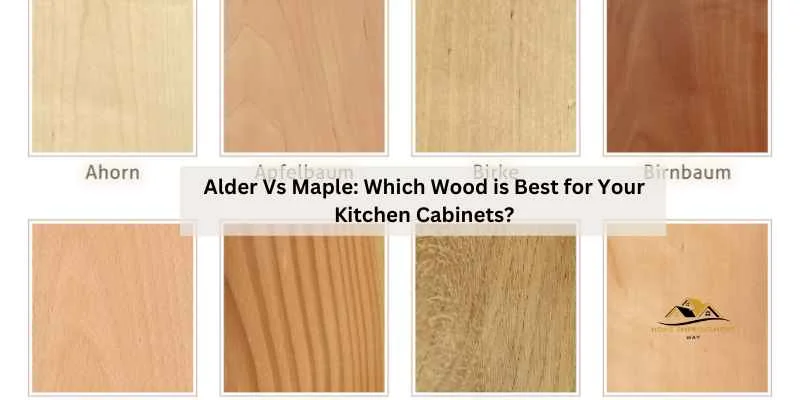
Both alder and maple belong to the broad category of hardwoods, but they grow in distinct regions and possess unique anatomical structures that affect appearance and durability. Alder, a member of the birch family, typically yields a light, honey‑tone that can range from pale cream to a warm reddish‑brown. Its grain is relatively straight, with occasional subtle waves that add gentle texture without overwhelming the eye.
Maple, on the other hand, belongs to the sugar maple family and is renowned for its tight, uniform grain. The colour often leans toward a creamy white to light amber, and when finished, maple can take on a slightly more pronounced grain pattern—especially in the popular “flame” or “curly” varieties prized by high‑end cabinetry makers.
These intrinsic differences influence everything from how the wood reacts to stains and paints, to its resistance against dents, scratches, and moisture. In the context of alder vs maple cabinets choosing the perfect fit for your home, these material traits become decisive factors.
Design Aesthetics: Matching Wood to Your Interior Style

Choosing between alder and maple is often a matter of visual harmony with the rest of your home décor. Alder’s warm undertones blend seamlessly with rustic, farmhouse, or mid‑century modern schemes. Its slightly softer appearance can soften stark lines, making it an excellent backdrop for open‑concept kitchens where you want a welcoming vibe.
Maple’s clean, crisp grain shines in contemporary, minimalist, and Scandinavian designs. When paired with high‑gloss finishes or matte lacquers, maple cabinets can create a sleek, almost architectural feel that emphasizes clean lines and a sense of spaciousness.
To see how colour palettes play together, check out our guide on living room décor with natural fiber cushions. The same principles of warm versus cool tones apply across rooms, helping you maintain a cohesive look throughout your home.
Durability & Maintenance: Which Wood Stands Up to Daily Use?
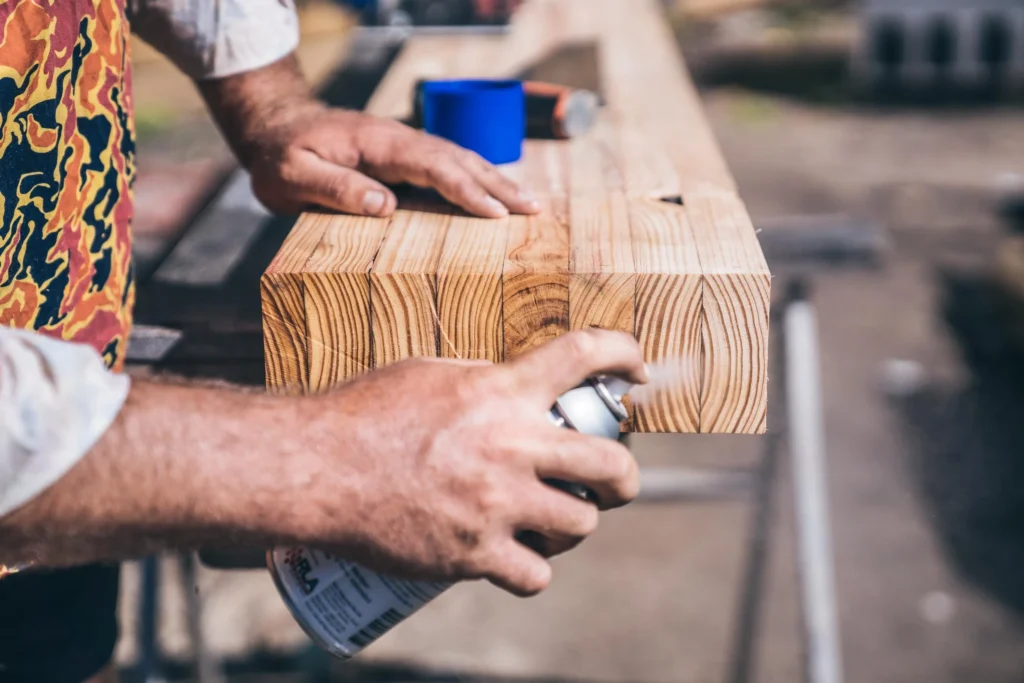
Kitchen cabinets endure frequent opening, closing, and exposure to heat, moisture, and occasional spills. Alder is moderately hard—ranking around 590 on the Janka hardness scale—making it resistant to minor dents but more susceptible to deep scratches compared to maple.
Maple, with a Janka rating of roughly 1450, is substantially harder. This hardness translates to superior resistance against dents from pots, pans, and everyday kitchen traffic. However, the increased density also means maple can be more prone to splitting if not properly acclimated before installation.
Both woods respond well to regular cleaning with a mild soap solution and a soft cloth. For stubborn stains, a gentle wood‑safe cleaner works fine. Applying a high‑quality polyurethane or oil‑based finish enhances resistance to moisture, especially important if you live in a humid climate.
Cost Considerations: Budgeting for Alder vs Maple Cabinets
Budget is a practical driver in the decision‑making process. Alder generally commands a lower price point because it grows faster and is more abundant in the Pacific Northwest. Expect raw alder lumber to cost roughly 15‑20% less per board foot than premium maple.
Maple’s higher cost reflects its slower growth, tighter grain, and higher demand for high‑end cabinetry. If you opt for specialty grain patterns like quilted or curly maple, the price premium can increase dramatically—sometimes up to double the cost of plain maple.
When planning your remodel, consider not only the material cost but also the finishing expenses. Maple may require more sanding and finishing steps to achieve an even look, while alder often takes stain uniformly, potentially reducing labour time.
Installation Insights: What to Expect on Site
Both alder and maple are straightforward to work with for seasoned carpenters, but each has quirks that affect installation. Alder’s relatively softer nature makes it easier to cut, shape, and route without splintering, which can be a boon when creating custom hardware cut‑outs or intricate panel designs.
Maple’s density demands sharp tools and slower feed rates to avoid tear‑out. It also tends to expand and contract more noticeably with humidity changes, so proper acclimatization (letting the wood sit in the installation environment for 48–72 hours) is essential to prevent warping after the cabinets are mounted.
Professional installers often recommend using moisture‑resistant glue and sealed edge banding on both types to enhance stability over time.
Environmental Impact: Choosing a Sustainable Option
Eco‑conscious homeowners increasingly ask about the sustainability of their material choices. Alder is typically harvested from responsibly managed forests in the United States and Canada, with a growth cycle that replenishes faster than many hardwoods.
Maple, especially sugar maple, also comes from well‑managed North American forests, but its slower growth can make it a slightly less renewable option if sourced irresponsibly. Look for FSC‑certified lumber for both species to ensure you’re supporting sustainable forestry practices.
When evaluating alder vs maple cabinets choosing the perfect fit for your home, factor in the carbon footprint of transportation as well. Locally sourced alder may have a lower overall environmental impact than maple shipped from distant regions.
Quick Tips for Selecting the Right Wood
- Test a sample board in the actual lighting of your kitchen to see true colour.
- Consider the finish: a matte lacquer highlights maple’s grain; a satin stain softens alder’s warmth.
- Match hardware style—brushed nickel pairs nicely with maple’s cool tones, while oil‑rubbed bronze complements alder.
- Ask for a moisture‑content report before purchase to avoid future warping.
- Plan for future resale: maple cabinets often add perceived value in high‑end markets.
Common Mistakes When Choosing Between Alder and Maple
Even seasoned homeowners can slip into pitfalls that affect the final look and longevity of their cabinets. Below are frequent errors and how to avoid them:
- Ignoring the grain direction. Installing cabinets with the grain running perpendicular to the door swing can cause uneven wear and visual inconsistency.
- Choosing the cheapest finish. Low‑quality paints or stains may not penetrate alder’s softer pores fully, leading to blotchy results. Maple’s tight grain also needs a finish that can seep into the wood for a uniform sheen.
- Overlooking humidity levels. In humid climates, alder can swell more than maple, so consider a moisture‑resistant sealant regardless of the wood you pick.
- Skipping a mock‑up. A full‑scale mock‑up of cabinet fronts helps you visualise the interaction with countertops, backsplashes, and lighting.
Frequently Asked Questions
Which wood is better for a high‑traffic kitchen?
Maple’s higher Janka hardness makes it more resistant to dents and scratches, so it generally outperforms alder in busy kitchens. However, proper finishing can protect alder sufficiently for most households.
Can I paint alder cabinets the same way I would paint maple?
Yes, both woods accept paint well, but alder’s softer surface may require an extra sanding step to achieve a perfectly smooth base coat. Applying a primer designed for hardwoods ensures even colour coverage.
How do I maintain the natural colour of maple cabinets over time?
Use a UV‑blocking finish to prevent yellowing, and clean with a non‑abrasive, pH‑neutral cleaner. Avoid harsh chemicals that can break down the finish and expose the underlying wood.
Is there a noticeable price difference between custom alder and custom maple cabinets?
Custom alder cabinets typically run 15‑20% lower than custom maple cabinets, largely due to material costs. The price gap widens if you select premium maple grain patterns or intricate detailing.
Do both woods work well with open‑shelf designs?
Both alder and maple can be used for open shelving, but maple’s tighter grain offers a cleaner look when items are displayed, while alder adds a softer, more organic feel.
What warranty options are commonly offered for these cabinet types?
Reputable manufacturers often provide a 5‑year warranty on structural integrity for both alder and maple cabinets, with additional coverage for finish defects if a high‑quality coating system is used.
Choosing between alder and maple cabinets is not merely a matter of price; it’s an exercise in aligning material characteristics with your design vision, lifestyle, and sustainability values. By evaluating grain, colour, durability, cost, installation nuances, and environmental impact, you’ll be equipped to select the wood that truly fits your home.
Take the time to request sample boards, view them under your kitchen’s lighting, and consult with a trusted cabinetmaker who can advise on finishes that bring out the best in either species. When you make an informed decision, the cabinets you install today will continue to support your cooking, entertaining, and daily living for years to come.
For more inspiration on cohesive home styling, explore our article on 3 bedroom vs 4 bedroom resale value and see how thoughtful material choices can elevate overall property appeal.
Ready to start planning? Browse our library of design ideas, gather your favorite finishes, and let the natural beauty of alder or maple become the cornerstone of your next home transformation.