
Table of Contents
- Understanding the Basics of How to Decorate Mirror at Home
- How to Decorate Mirror at Home: Choosing the Right Frame
- DIY Enhancements: Simple Projects to Elevate Your Mirror
- Strategic Placement: Where to Position Mirrors for Maximum Impact
- Mixing Materials: Combining Mirrors with Other Décor Elements
- Styling Mirrors in Specific Rooms
- Bathroom – Spa‑Like Serenity
- Bedroom – Soft Elegance
- Living Room – Statement Focal Point
- Kitchen – Functional Chic
- Small Apartment – Space‑Saving Elegance
- Quick Home Décor Tips for Mirrors
- Common Mistakes to Avoid When Decorating Mirrors
- Frequently Asked Questions
How to Decorate Mirror at Home: Creative Ideas for Every Room
Mirrors are more than functional pieces; they are powerful design tools that can brighten a space, create the illusion of depth, and serve as eye‑catching artwork. Whether you live in a compact studio or a spacious family home, learning how to decorate mirror at home opens up endless possibilities for personal expression and visual intrigue.
In this guide, we’ll explore practical strategies, trend‑forward ideas, and simple DIY tricks that turn an ordinary reflective surface into a statement element. From bathroom vanity upgrades to living‑room gallery walls, you’ll discover how to integrate mirrors seamlessly into your décor narrative while maintaining a cohesive, modern aesthetic.
Understanding the Basics of How to Decorate Mirror at Home
Before diving into specific styles, it helps to grasp the fundamental roles mirrors play in interior design. First, they amplify natural and artificial light, making darker rooms feel airy. Second, they can visually expand cramped spaces by reflecting surrounding elements. Finally, mirrors can act as focal points when framed, embellished, or arranged creatively.
When you ask yourself how to decorate mirror at home, consider the room’s purpose, existing colour palette, and the mood you wish to convey. A sleek, frameless mirror might suit a minimalist bathroom, whereas a vintage‑styled frame could enhance a cozy bedroom. The key is to align the mirror’s treatment with the overall design language of the space.
How to Decorate Mirror at Home: Choosing the Right Frame
Frames are the most straightforward way to personalise a mirror. Here are three approaches:
- Modern Minimalist: Opt for thin metal or acrylic frames in matte black, brushed gold, or chrome. This choice works well in contemporary kitchens and open‑plan living areas.
- Rustic Charm: Reclaimed wood frames add warmth and texture, perfect for farmhouse‑style dining rooms or a bedroom with natural accents.
- Artistic Flair: Hand‑painted or patterned frames become artwork in their own right, ideal for an eclectic hallway or a creative studio.
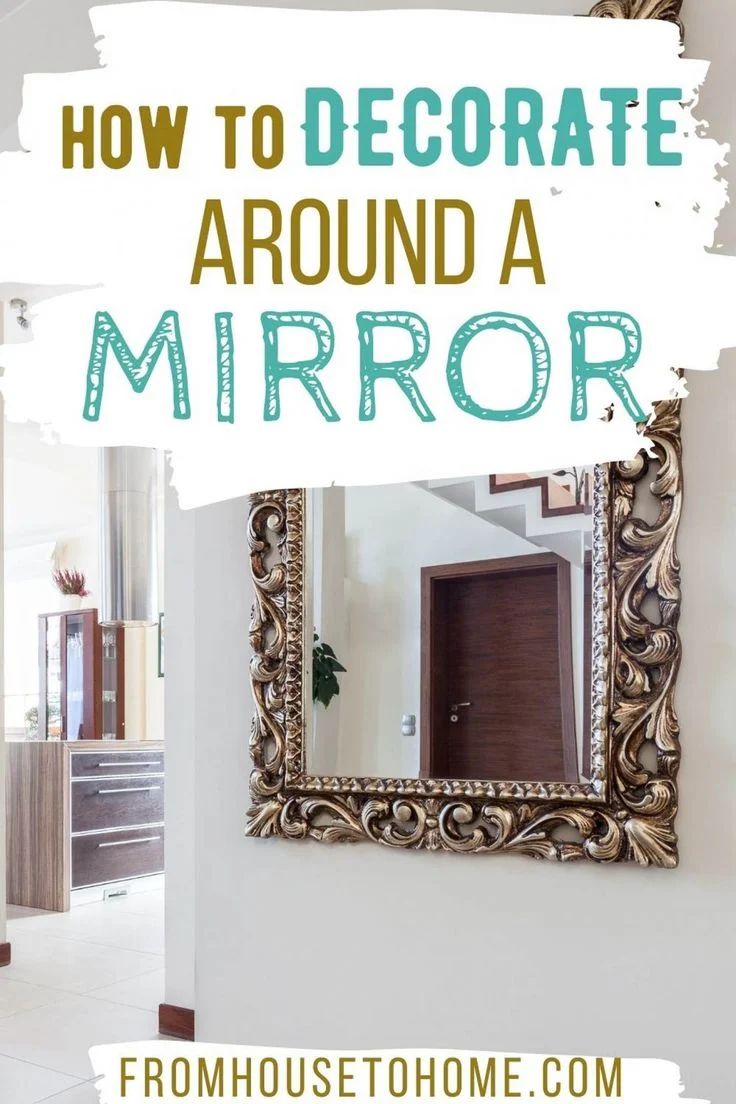
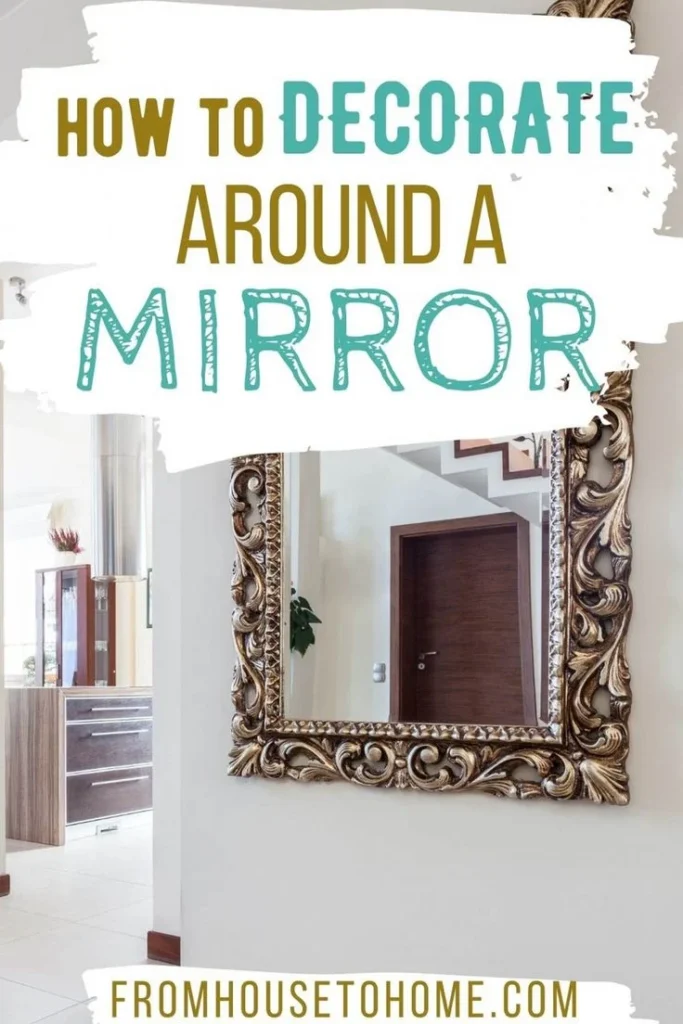
When selecting a frame, keep the scale proportional to the mirror size and the wall space. A large floor mirror with an ornate frame can become a striking centerpiece in a hallway.
DIY Enhancements: Simple Projects to Elevate Your Mirror
For those who enjoy hands‑on creativity, DIY projects provide a budget‑friendly route to mastering how to decorate mirror at home. Below are three approachable ideas that require minimal tools and materials.
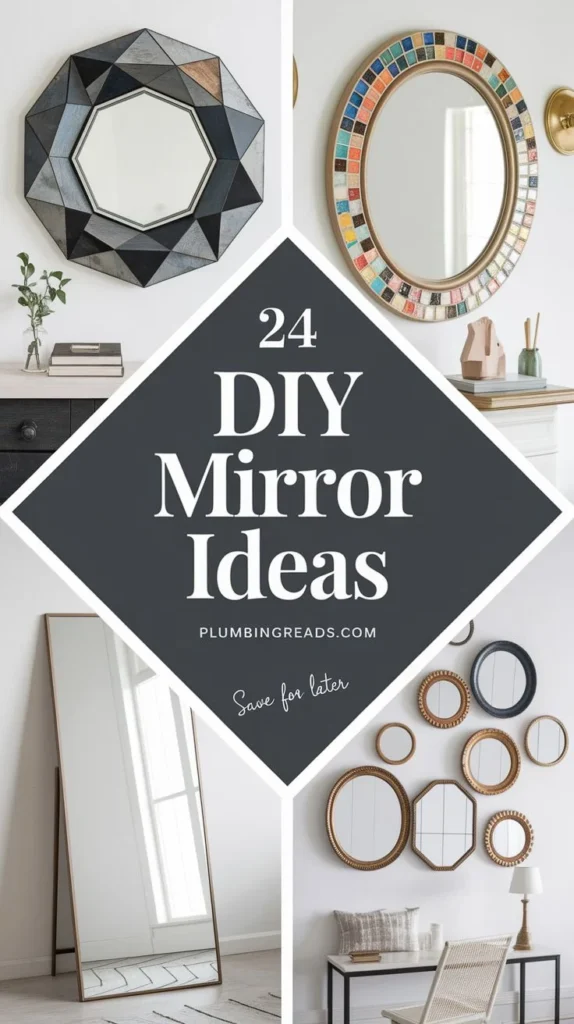
1. Mosaic Border
- Gather small tiles, glass shards, or mirror pieces.
- Apply a thin bead of clear silicone adhesive around the mirror’s edge.
- Press the pieces onto the adhesive, creating a patterned border.
- Seal with a clear grout for durability.
Even a subtle mosaic can transform a plain bathroom mirror into a boutique‑style feature.
2. Painted Frame
- Choose a high‑quality paint suitable for metal or wood.
- Use painter’s tape to create geometric designs or stripes.
- Apply two coats for even coverage, removing the tape while the paint is still tacky for crisp lines.
Bold colours such as deep navy or emerald can complement a neutral bedroom palette, linking back to soft neutral bedroom inspiration for a harmonious look.
3. Hanging Gallery
- Select several small mirrors of varying shapes.
- Arrange them on a large wooden board or directly on the wall in a symmetrical or organic layout.
- Secure each piece with picture‑hanging hooks.
This method not only decorates the mirror but also creates an entire wall art composition, ideal for a living‑room with a modern vibe.
Strategic Placement: Where to Position Mirrors for Maximum Impact
Knowing how to decorate mirror at home also involves thoughtful placement. Here are five strategic locations that enhance both function and aesthetics:
- Above a Sofa or Mantel: A large mirror reflects the seating area, adding depth and inviting conversation.
- Opposite a Window: It bounces natural light throughout the room, brightening darker corners.
- In a Narrow Hallway: A tall, vertical mirror stretches the perception of length, making the corridor feel wider.
- Behind a Door: A hinged or pocket door with a mirror can double as a stylish entry point and a space‑saving solution.
- At the End of a Bedroom Wardrobe: Mirrors enhance dressing routines and visually expand the closet area.
These placement ideas align with modern interior design tips and can be adapted to any floor plan, from a studio apartment to a multi‑story home.
Mixing Materials: Combining Mirrors with Other Décor Elements
Integrating mirrors with complementary materials creates layered visual interest. When learning how to decorate mirror at home, think about pairing reflective surfaces with textures, colours, and shapes that reinforce your design theme.
Wood and Metal
Mount a rectangular mirror on a reclaimed wood slab for a rustic‑industrial look. Add brushed metal brackets to introduce a sleek contrast, perfect for a loft‑style kitchen.
Plants and Greenery
Place a mirror on a console table surrounded by small potted succulents. The reflection multiplies the greenery, a technique highlighted in kitchen décor with small plant pots for fresh, modern spaces.
Artwork and Wall Hangings
Position a mirror beside a large abstract painting. The mirror picks up colours from the artwork, creating a cohesive colour echo that ties the room together.
These material combinations reinforce a cohesive design narrative, ensuring the mirror feels integrated rather than tacked on.
Styling Mirrors in Specific Rooms
Each room presents unique opportunities for how to decorate mirror at home. Below are tailored suggestions for the most common living areas.
Bathroom – Spa‑Like Serenity
A frameless, back‑lit mirror above the vanity creates a sleek, spa‑like atmosphere. Pair it with soft towel hooks and neutral tiles for a calming effect. Adding a small floating shelf beneath the mirror provides space for toiletries without cluttering the countertop.
Bedroom – Soft Elegance
Install a full‑length mirror with a slender wooden frame opposite the bed. This placement expands the room visually and serves practical dressing needs. Layer the space with plush bedding and a muted colour scheme to maintain a restful ambiance. For inspiration, explore calming neutral living spaces.
Living Room – Statement Focal Point
Choose a large, ornately framed mirror as a focal point above the sofa or on a feature wall. Surround it with a curated gallery of framed photos and art prints for a cohesive gallery wall that blends reflection and personal storytelling.
Kitchen – Functional Chic
Mount a round mirror on the backsplash behind the stove to reflect light and make the cooking area feel larger. Combine this with brushed copper cabinet hardware for a contemporary kitchen vibe.
Small Apartment – Space‑Saving Elegance
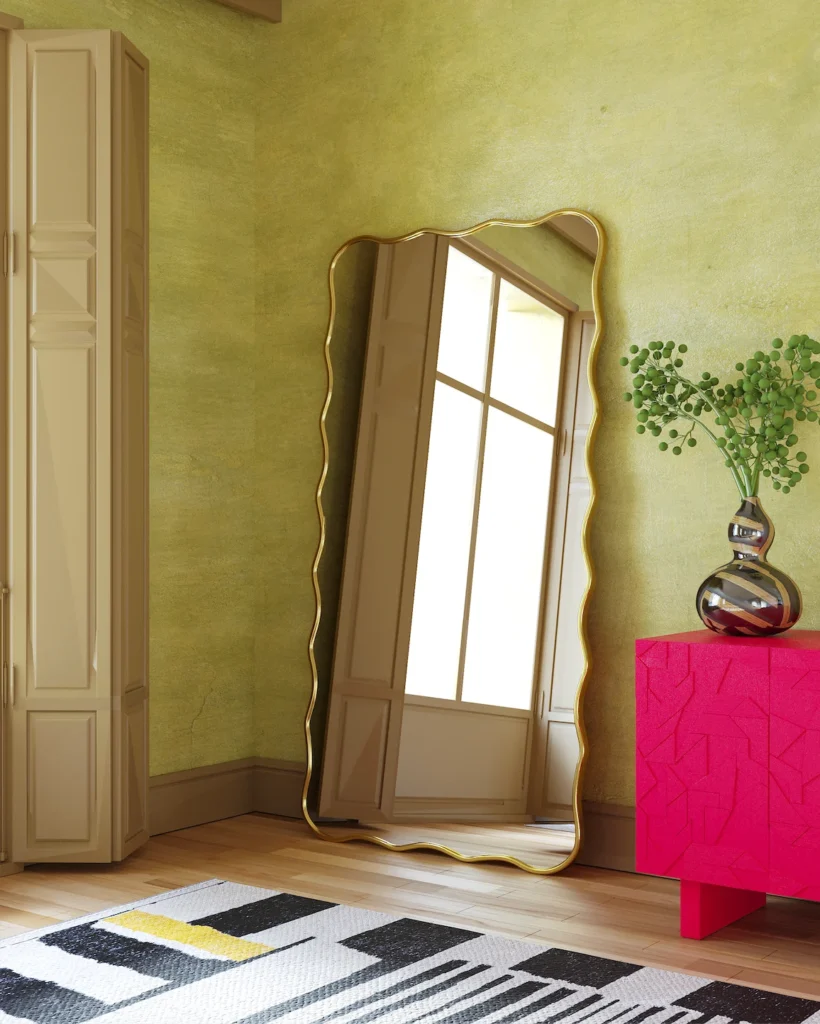
Lean a narrow, full‑height mirror against a wall in the living area to double the sense of depth without permanent mounting. Pair it with a slim console table that doubles as a desk, maximizing utility in limited square footage. For a full‑room solution, see our guide on stylish small apartment décor.
Quick Home Décor Tips for Mirrors
- Use LED strip lighting around the frame to add a soft glow and emphasize the mirror’s edges.
- Mix mirrors of different shapes—circular, hexagonal, oval—to create a dynamic wall composition.
- Apply a thin layer of chalk paint on a metal frame for a matte, vintage finish.
- Incorporate a mirror into a shelving unit by placing it behind open shelves for a hidden reflective surface.
- Swap out frames seasonally; a light pastel frame for spring and a dark wood frame for autumn keep the look fresh.
Common Mistakes to Avoid When Decorating Mirrors
Even seasoned decorators can stumble. Here are common pitfalls and how to steer clear of them:
- Overcrowding the Wall: Placing too many mirrors together can create visual chaos. Stick to a balanced arrangement—two to three pieces at most.
- Ignoring Light Sources: Positioning a mirror opposite a harsh lamp can cause glare. Opt for soft, diffused lighting or angle the mirror slightly.
- Choosing Incompatible Frames: A heavy, ornate frame in a minimalist space can feel out of place. Match the frame style to the room’s overall aesthetic.
- Neglecting Safety: Large floor mirrors should be anchored securely, especially in homes with children or pets.
- Forgetting Scale: A tiny mirror on a massive wall looks lost; ensure size proportion complements the surrounding elements.
Frequently Asked Questions
Can I use a mirror as a room divider?
Yes, a tall, framed mirror can act as an elegant divider while still allowing light to flow between spaces. It works especially well in open‑plan living areas or studio apartments where visual separation is needed without sacrificing brightness.
What type of mirror is best for a bathroom?
For bathrooms, opt for moisture‑resistant, anti‑fog glass with a simple frame or a frameless design. Back‑lit mirrors add a modern touch and improve visibility for grooming tasks.
How often should I clean my decorative mirrors?
Clean mirrors weekly with a soft microfiber cloth and a gentle glass cleaner. For framed mirrors, dust the frame regularly to prevent buildup that could affect the glass’s clarity.
Is it okay to hang a mirror without a frame?
Absolutely. Frameless mirrors provide a sleek, contemporary look and can be mounted directly to the wall using mirror clips or a French cleat system for a secure, invisible mount.
How do I choose the right size mirror for a small room?
Select a mirror that is at least one‑third the width of the wall it will occupy. Larger mirrors create the illusion of space, while overly small mirrors may feel insignificant.
These answers address common concerns and help you feel confident about how to decorate mirror at home.
Decorating mirrors is an art that blends functionality with style, allowing you to reshape the perception of any room. By understanding the basics, experimenting with DIY enhancements, and thoughtfully placing mirrors alongside complementary décor, you can elevate your home’s aesthetic without a major renovation.
Ready to transform your space? Start with one of the ideas above, adapt it to your personal taste, and watch how a simple reflective surface can become the centerpiece of modern home styling.