
Table of Contents
- Understanding the Psychology Behind Calming Neutral Living Spaces
- How Neutral Palettes Influence Mood
- Choosing the Right Neutral Color Palette
- Step‑by‑Step Palette Selection
- Layering Textures for Depth Without Color Overload
- Key Textural Elements to Consider
- Lighting Strategies That Enhance Neutral Calmness
- Three‑Layer Lighting Approach
- Incorporating Natural Elements for Organic Calm
- Simple Ways to Add Greenery
- Furniture Selection: Balancing Form, Function, and Neutrality
- Guidelines for Choosing Sofas and Chairs
- Accessorizing Without Disrupting the Calm
- Smart Accessory Choices
- Quick Tips for Instantly Soothing Your Living Room
- Common Mistakes to Avoid in Calming Neutral Living Spaces
- Over‑decorating with Contrasting Colors
- Choosing the Wrong Finish
- Neglecting Scale and Proportion
- Frequently Asked Questions
- What are the best neutral colors for small living rooms?
- Can I use dark neutrals without making the room feel gloomy?
- How often should I refresh the décor in a neutral living space?
- Is it okay to mix warm and cool neutrals together?
- Do I need to match all furniture in a neutral living room?
- How can I make a neutral living room feel more personalized?
Calming Neutral Living Spaces: A Complete Guide to Serene Home Design
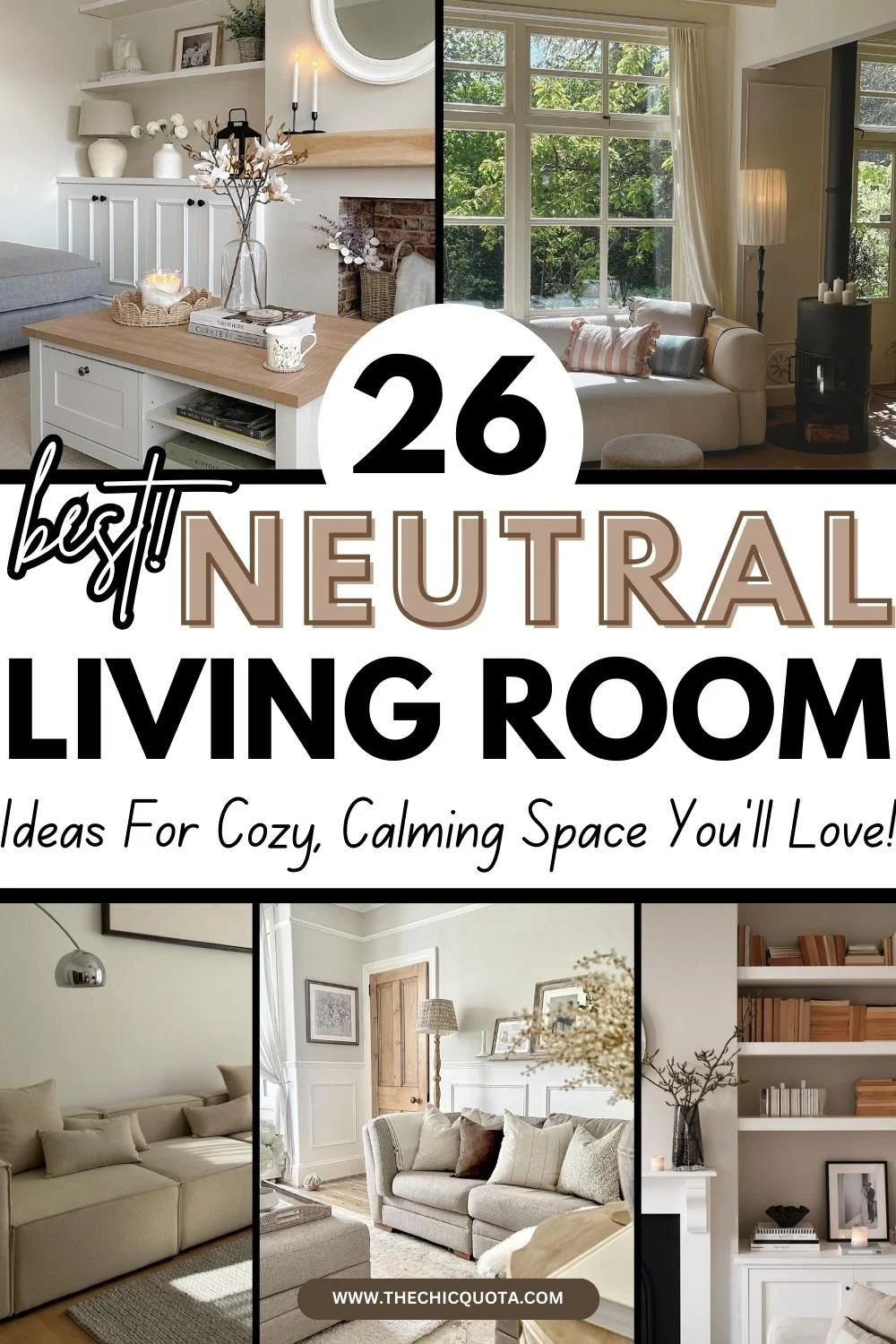
When the world feels noisy and fast‑paced, the home should become a sanctuary of quiet. One of the most effective ways to achieve that sense of peace is by designing calming neutral living spaces. Neutral tones—soft whites, gentle greys, warm beiges, and muted earth hues—create a backdrop that soothes the eye and encourages relaxation. Yet “neutral” does not have to mean boring; the right combination of texture, natural light, and subtle accents can turn a simple palette into a sophisticated, inviting environment.
Homeowners, renters, and interior‑design enthusiasts alike are searching for ways to blend style with serenity. In this guide, you’ll learn how to select the perfect neutral shades, balance light and shadow, incorporate natural elements, and avoid common pitfalls that can make a neutral room feel sterile. By the end, you’ll have a toolbox of practical ideas that can be applied to any living area, from a compact city apartment to a spacious suburban lounge.
Ready to transform your living room into a calm retreat? Let’s explore the essential principles, design strategies, and finishing touches that make calming neutral living spaces not just possible, but effortlessly elegant.
Understanding the Psychology Behind Calming Neutral Living Spaces

Neutral colors have a unique psychological impact. Studies show that soft, desaturated hues reduce visual noise, lower stress levels, and promote a sense of order. When you choose a palette of muted tones, you’re not just decorating—you’re curating an environment that supports mental well‑being.
How Neutral Palettes Influence Mood
- White and off‑white: Creates a feeling of spaciousness and purity, perfect for small rooms.
- Soft greys: Offers a contemporary feel while remaining unobtrusive.
- Warm beiges and taupes: Add a touch of coziness without overwhelming the senses.
- Earthy greens and muted blues: Provide subtle color hints that keep the space from feeling flat.
By grounding your design in these shades, you set a tranquil stage for furniture, artwork, and accessories to shine without competing for attention. The result is a cohesive look that feels both modern and comforting—a hallmark of truly calming neutral living spaces.
Choosing the Right Neutral Color Palette
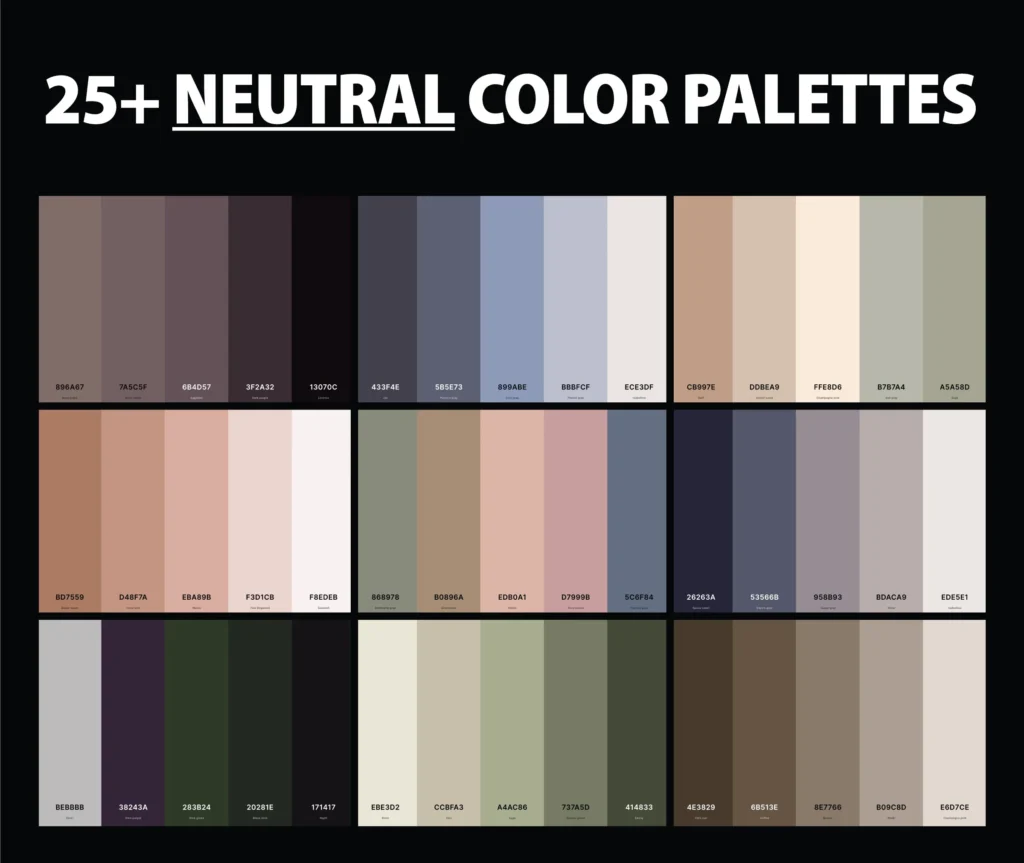
The first step in creating calming neutral living spaces is selecting a harmonious color palette. While many designers recommend a 60‑30‑10 rule (60% dominant color, 30% secondary, 10% accent), applying it to neutrals requires a nuanced approach.
Step‑by‑Step Palette Selection
- Identify the dominant shade: Choose a base such as warm ivory or cool dove‑grey for walls and large surfaces.
- Add a secondary neutral: Use a slightly deeper tone on the ceiling, trim, or built‑in shelving to create depth.
- Introduce subtle accents: Incorporate muted blues, soft sage, or pale terracotta in textiles or artwork for a whisper of color.
Remember, the goal is to keep the overall vibe soothing while allowing small pockets of interest to emerge. For inspiration on blending neutrals with natural elements, check out our article on Natural Cream vs Edgecomb Gray: Ultimate Guide for Modern Décor.
Layering Textures for Depth Without Color Overload

In a room dominated by neutral hues, texture becomes the hero. It adds tactile interest and visual complexity, preventing the space from feeling flat or clinical. Think of texture as the “soft color” that works alongside your palette.
Key Textural Elements to Consider
- Plush rugs: A high‑pile wool rug in a light beige anchors the seating area.
- Natural wood: Light oak coffee tables or reclaimed timber wall panels introduce warmth.
- Linen and cotton: Throw pillows and curtains in linen offer a breezy, lived‑in feel.
- Metallic accents: Brushed brass or matte black hardware adds subtle sheen without clashing.
By mixing these textures, you reinforce the calming effect while giving the eye multiple points of focus. The result is a room that feels inviting and sophisticated—exactly what calming neutral living spaces strive to achieve.
Lighting Strategies That Enhance Neutral Calmness
Light is the invisible brushstroke that shapes the mood of any room. In calming neutral living spaces, lighting should be soft, layered, and adjustable, allowing you to shift the ambiance from bright daytime to relaxed evening.
Three‑Layer Lighting Approach
- Ambient lighting: Recessed LEDs or a central pendant with a frosted shade provide even, diffused illumination.
- Task lighting: Table lamps with linen shades or floor lamps beside a reading nook supply focused light for activities.
- Accent lighting: LED strips behind shelving or spotlights on artwork highlight architectural features.
For a practical example of integrating lighting with other design elements, see our guide on Zephyr vs Best Range Hoods: Choosing the Perfect Kitchen Ventilation, which discusses how functional lighting can complement neutral palettes in kitchens—a principle that translates beautifully to living rooms.
Incorporating Natural Elements for Organic Calm
Bringing nature indoors is a timeless method to deepen the serenity of calming neutral living spaces. Plants, natural fibers, and organic shapes create a biophilic connection that reduces stress and improves air quality.
Simple Ways to Add Greenery
- Small potted plants: Succulents or snake plants on side tables add a fresh touch without overwhelming the space.
- Large statement foliage: A tall fiddle‑leaf fig in a neutral planter becomes a focal point.
- Botanical prints: Framed artwork featuring muted leaf motifs echoes the natural theme.
Our article on Kitchen décor with small plant pots: Fresh Ideas for Modern Spaces showcases how modest plant selections can enliven even the most restrained color schemes.
Furniture Selection: Balancing Form, Function, and Neutrality
Furniture in calming neutral living spaces should be both functional and aesthetically aligned with the overall palette. Choose pieces that showcase clean lines, natural materials, and understated finishes.
Guidelines for Choosing Sofas and Chairs
- Fabric choice: Opt for linen or woven cotton in light greys or warm beiges. These fabrics breathe and age gracefully.
- Structure: Low‑profile frames in light wood or matte metal keep the room feeling airy.
- Scale: Ensure the sofa’s depth and height complement the room’s dimensions; oversized sofas can dominate a small space.
Accent chairs in muted teal or dusty rose can serve as the 10% color pop within a neutral scheme, preserving calm while adding visual interest.
Accessorizing Without Disrupting the Calm
Accessories are the final brushstrokes that personalize calming neutral living spaces. The key is to select items that enhance texture and subtle color without breaking the tranquil flow.
Smart Accessory Choices
- Ceramic vases: Soft ivory or matte terracotta pieces hold fresh flowers.
- Art prints: Black‑and‑white photography or abstract pastel works add depth.
- Throw blankets: Chunky knit in cream or light taupe introduces warmth.
When accessorizing, follow the “one‑to‑three rule”: for every dominant neutral element, limit accessories to one or two pieces per surface. This restraint maintains the room’s calming essence.
Quick Tips for Instantly Soothing Your Living Room
- Swap harsh white LED bulbs for warm‑tone lighting (2700–3000K).
- Introduce a soft, natural‑fiber rug to ground the seating area.
- Place a single, tall plant in a corner to add organic height.
- Replace glossy metal handles with brushed brass or matte black for understated elegance.
- Use sheer curtains to diffuse natural light while preserving privacy.
Common Mistakes to Avoid in Calming Neutral Living Spaces
Even well‑intentioned designers can slip into patterns that diminish the soothing quality of neutral interiors. Below are typical errors and how to correct them.
Over‑decorating with Contrasting Colors
Introducing bold, saturated hues (like bright reds or electric blues) can jar the calm you’re seeking. Instead, keep accents within the same low‑saturation family, such as muted terracotta or soft sage.
Choosing the Wrong Finish
Glossy finishes on walls or furniture reflect light harshly, creating visual noise. Matte or satin finishes absorb light gently, preserving the room’s tranquil vibe.
Neglecting Scale and Proportion
Oversized furniture in a compact room can make the space feel cramped. Conversely, tiny accessories in a large room can look lost. Always measure and visualize before purchasing.
Frequently Asked Questions
What are the best neutral colors for small living rooms?
Light ivory, soft dove‑grey, and warm beige are ideal for small spaces because they reflect light and create an illusion of greater square footage. Pair them with subtle texture to avoid a flat appearance.
Can I use dark neutrals without making the room feel gloomy?
Yes—dark neutrals like charcoal or deep taupe can add depth when balanced with ample lighting, reflective surfaces, and lighter accessories. A dark accent wall behind a light sofa, for instance, creates a cozy yet sophisticated backdrop.
How often should I refresh the décor in a neutral living space?
Because neutrals are timeless, you can keep the core palette for years. Update textiles, artwork, or small accessories seasonally to keep the room feeling fresh without a full redesign.
Is it okay to mix warm and cool neutrals together?
Mixing warm (beige, cream) and cool (grey, greige) neutrals works well when you establish a unifying element—such as wood tones or a consistent texture—to tie them together.
Do I need to match all furniture in a neutral living room?
No. While a cohesive palette is key, mixing different materials (wood, metal, fabric) and subtle variations in shade adds visual interest while maintaining the calming effect.
How can I make a neutral living room feel more personalized?
Incorporate personal items like family photos in muted frames, handcrafted ceramics, or a favorite piece of artwork. Ensure these items echo the room’s neutral tones or introduce low‑saturation colors for cohesion.
Creating calming neutral living spaces is less about stripping away personality and more about curating an environment where simplicity and subtlety let everyday life breathe. By selecting the right palette, layering texture, mastering lighting, and adding natural elements, you’ll build a living room that feels like a quiet retreat—no matter how bustling the world outside may be.
Take the ideas shared here, experiment with your own layout, and watch how a neutral foundation transforms your home into a haven of calm. For more inspiration on small‑space styling, explore our guide on Stylish Small Apartment Décor: Maximizing Space with Modern Elegance. Happy decorating!
[ CATEGORY ]: Living Room