
Table of Contents
- Relaxed Living Room Decorating Ideas: Core Principles
- Prioritize Comfort Over Trendy Showpieces
- Embrace a Cohesive Color Palette
- Furniture Arrangement for a Laid‑Back Feel
- Relaxed Living Room Decorating Ideas: Seating Zones
- Texture & Soft Furnishings: Adding Layers of Calm
- Lighting that Enhances Calm
- Ambient Foundations
- Task Lighting Essentials
- Accent Highlights
- Smart Storage Solutions for a Clutter‑Free Space
- Built‑In Shelving and Cabinets
- Multi‑Functional Furniture
- Bringing Nature Indoors: Plants & Natural Elements
- Select Low‑Maintenance Varieties
- Creative Plant Displays
- Personal Touches & Art: Curating a Relaxed Narrative
- Choosing the Right Artwork
- Incorporating Sentimental Objects
- Quick Tips for an Instantly Relaxed Living Room
- Common Mistakes to Avoid
- Frequently Asked Questions
Relaxed Living Room Decorating Ideas for Calm, Modern Spaces
Creating a living room that feels both inviting and effortlessly stylish is a goal many homeowners share. A space that encourages you to sink into a plush sofa, sip coffee, and unwind after a busy day can set the tone for the entire home. By focusing on relaxed living room decorating ideas, you can transform a chaotic or overly formal area into a tranquil sanctuary without sacrificing modern aesthetics.
In this guide, we’ll explore the essential elements that make a living room feel relaxed yet refined. From choosing soothing color schemes and arranging furniture for flow, to selecting textures that invite touch, each tip is grounded in practical design principles. Whether you live in a compact apartment or a spacious house, these ideas can be adapted to suit any footprint, budget, or personal taste.
Relaxed Living Room Decorating Ideas: Core Principles
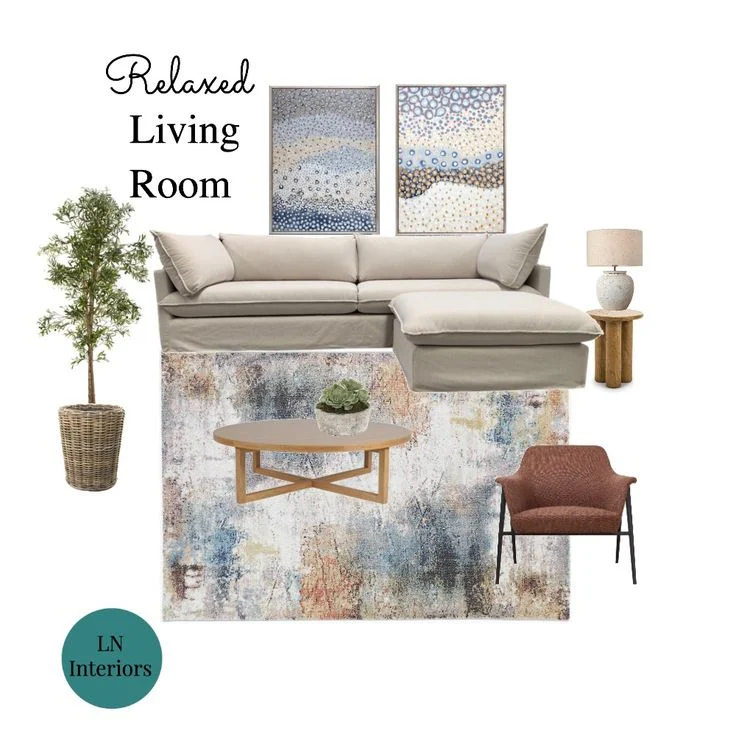
The foundation of any successful design begins with a clear set of principles. When you prioritize comfort, simplicity, and balance, relaxed living room decorating ideas become intuitive rather than forced. Below are three core concepts to keep in mind before you pick paint or furniture.
Prioritize Comfort Over Trendy Showpieces
- Choose seating that supports long periods of sitting—think deep cushions, supportive backrests, and breathable fabrics.
- Layer rugs and throws to add warmth without overwhelming the floor plan.
- Invest in a quality sofa; it’s the anchor of the room and deserves the most attention.
Embrace a Cohesive Color Palette
A unified color story helps the eye glide across the space, reinforcing the relaxed vibe. Soft neutrals, muted blues, and gentle greens are classic choices, but you can also incorporate warm terracotta or dusty lavender for subtle personality. The key is to keep the overall intensity low, allowing the room to breathe.
Furniture Arrangement for a Laid‑Back Feel
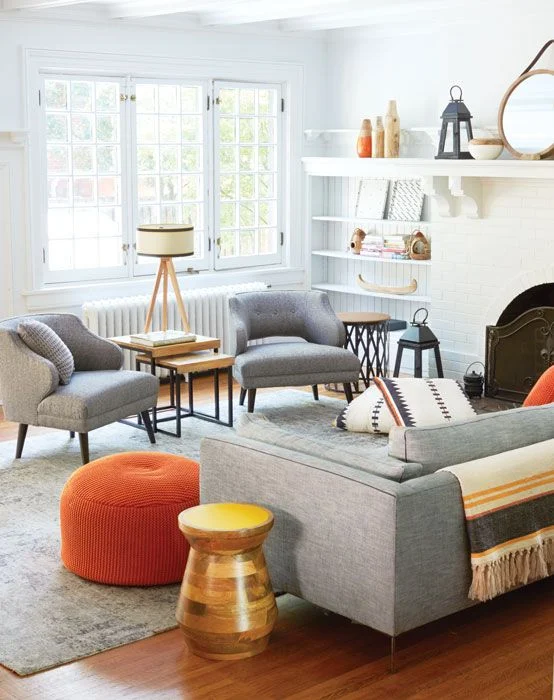
The way you position furniture can either create tension or promote ease. When planning your layout, imagine a natural traffic flow and give each piece breathing room. This not only enhances comfort but also makes the room feel larger—a vital consideration for small apartments.
Relaxed Living Room Decorating Ideas: Seating Zones
Rather than a single, rigid sofa arrangement, think in terms of zones:
- Conversation Cluster: Place a sofa opposite a pair of accent chairs, leaving a coffee table at the center. This encourages dialogue and keeps the space intimate.
- Reading Nook: Add a comfortable armchair with a floor lamp and a small side table. A plush rug can define the area.
- Media Corner: If you enjoy movies, orient a sectional toward a low-profile TV stand, ensuring sightlines are comfortable from all seating.
For additional inspiration on space planning, check out our article on small apartment layout ideas – smart space solutions for modern living.
Texture & Soft Furnishings: Adding Layers of Calm
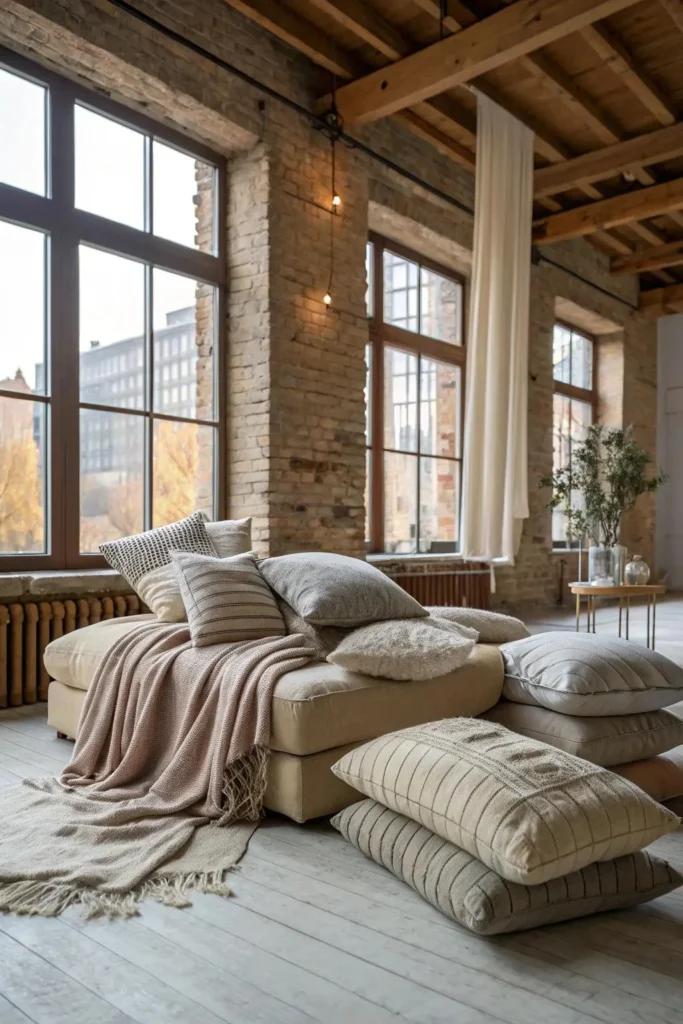
Texture is the silent hero of relaxed living room decorating ideas. It invites tactile interaction, which can be surprisingly soothing. Mixing materials such as linen, woven wool, and brushed leather adds depth without visual clutter.
- Linen Curtains: Light-filtering linen curtains soften natural light while maintaining privacy.
- Plush Throws: A chunky knit throw draped over the back of a sofa adds visual interest and warmth.
- Cushion Mix‑Match: Combine different sizes and fabrics—think silk pillowcases with cotton squares—to create a curated, lived‑in look.
When selecting fabrics, consider durability. For households with pets or children, a performance fabric that resists stains can keep the space looking fresh without sacrificing comfort.
Lighting that Enhances Calm
Lighting plays a pivotal role in shaping mood. A well‑lit living room feels welcoming, while harsh overhead fixtures can create tension. For relaxed living room decorating ideas, aim for a layered lighting approach that balances ambient, task, and accent light.
Ambient Foundations
Start with a dimmable overhead fixture—such as a recessed LED panel or a soft pendant—to provide gentle overall illumination. Dimmers give you control over brightness, allowing the room to transition from daytime vibrancy to evening tranquility.
Task Lighting Essentials
Place a floor lamp next to a reading chair or a table lamp on a side table for focused illumination. Choose designs with warm‑tone bulbs to keep the atmosphere cozy.
Accent Highlights
Use subtle LED strip lighting behind a floating TV console or a set of wall sconces to highlight artwork or architectural features. Accent lighting adds depth and draws attention to curated décor pieces.
Smart Storage Solutions for a Clutter‑Free Space
Clutter is the enemy of relaxation. Incorporating clever storage ensures that everyday items have a home, preserving the sleek aesthetic that relaxed living room decorating ideas strive for.
Built‑In Shelving and Cabinets
Consider low-profile built‑in shelves that blend with the floor, providing display space without towering over the room. For a seamless look, choose finishes that match the wall color or the existing furniture.
Need guidance on integrating storage? Our guide on how to stack wall cabinets to create the perfect pantry offers useful tips that translate well to living‑room cabinetry.
Multi‑Functional Furniture
- Ottomans with hidden compartments can store blankets or magazines.
- A coffee table with drawers keeps remotes and coasters organized.
- Bench seating along a wall doubles as a storage chest for seasonal items.
Bringing Nature Indoors: Plants & Natural Elements
Plants are a natural antidote to stress, and they effortlessly align with relaxed living room decorating ideas. Greenery introduces color, texture, and a subtle sense of movement.
Select Low‑Maintenance Varieties
For busy households, choose hardy plants such as snake plants, pothos, or ZZ plants. They thrive in low‑light conditions and require minimal watering.
Creative Plant Displays
- Hang macramé planters near a window to free up floor space.
- Group different heights on a low console for visual interest.
- Place a large floor‑standing ficus in an empty corner to anchor the room.
For a deeper dive into caring for specific houseplants, see our article on plumeria stem rot vs dehydration: identify, treat, and keep your plants thriving.
Personal Touches & Art: Curating a Relaxed Narrative
Art and personal items give a living room its unique story. When selecting décor, aim for pieces that evoke calm and reflect your personality without overwhelming the senses.
Choosing the Right Artwork
Large-scale, minimalist prints in muted tones complement relaxed living room decorating ideas. A single statement piece can anchor a wall, while a gallery wall of small frames adds interest without clutter.
Explore ideas for cohesive wall displays in our guide on minimalist gallery wall styling: a complete guide for modern homes.
Incorporating Sentimental Objects
- Display travel souvenirs on floating shelves.
- Rotate family photographs in matching frames to keep the look fresh.
- Use handcrafted ceramics as functional décor on side tables.
Quick Tips for an Instantly Relaxed Living Room
- Swap out harsh white bulbs for warm amber LED lights.
- Introduce a soft rug under the coffee table to define the seating area.
- Declutter surfaces weekly—keep only essential items visible.
- Refresh cushions with seasonal colors for an easy update.
- Add a single large plant to a corner for instant calm.
Common Mistakes to Avoid
Even with the best intentions, certain pitfalls can derail the serene atmosphere you’re aiming for. Recognizing these errors early helps you stay on track.
- Over‑Accessorizing: Too many decorative objects create visual noise. Stick to a few meaningful pieces.
- Choosing Dark, Heavy Furniture: Dark tones can make a room feel cramped. Light wood or neutral fabrics keep the space airy.
- Ignoring Scale: Oversized sofas or coffee tables overwhelm smaller rooms. Measure your space and select appropriately sized furniture.
- Neglecting Lighting Layers: Relying solely on overhead lighting can feel clinical. Incorporate floor and table lamps for warmth.
- Skipping Texture: A room with only smooth surfaces feels sterile. Mix textures to add depth and comfort.
Frequently Asked Questions
What colors work best for a relaxed living room?
Soft, muted hues such as beige, dove gray, sage green, and pastel blues create a calming backdrop. These colors reflect natural light and reduce visual strain, making the space feel more open and serene.
How can I make a small living room feel larger?
Use light-colored walls, streamlined furniture, and reflective surfaces like glass coffee tables. Keep décor minimal, and employ multi‑functional pieces that provide storage without adding bulk.
Is it okay to mix modern and vintage pieces?
Absolutely. Combining contemporary silhouettes with vintage accents adds character and warmth. Just ensure the overall palette remains cohesive to avoid a disjointed look.
What type of flooring is ideal for a relaxed living room?
Warm wood floors, light‑colored laminate, or low‑pile natural fiber rugs work well. They provide a soft underfoot feel while contributing to a calm aesthetic.
How often should I update my living room décor?
Minor updates—like swapping cushions, adding a new plant, or changing wall art—can be done seasonally. Major changes, such as repainting or replacing furniture, are typically best every 5‑7 years, depending on wear and personal style evolution.
By embracing these relaxed living room decorating ideas, you’ll create a space that feels both inviting and stylish. Remember, the goal isn’t to chase every trend but to craft an environment that nurtures comfort, supports daily activities, and reflects your unique taste.