
Table of Contents
- Pine Bark Nuggets vs Mulch: Understanding the Basics
- Pine Bark Nuggets vs Mulch: Key Physical Differences
- Aesthetic Considerations: Texture, Color, and Style
- Design Tips for Pine Bark Nuggets vs Mulch in Modern Landscapes
- Functional Benefits: Soil Health, Water Retention, and Weed Control
- Practical Maintenance of Pine Bark Nuggets vs Mulch
- Environmental Impact and Sustainability
- Sustainability Checklist for Pine Bark Nuggets vs Mulch
- Cost, Installation, and Maintenance Practicalities
- Budget‑Friendly Installation Tips for Pine Bark Nuggets vs Mulch
- Matching Ground Cover to Specific Outdoor Spaces
- Quick Tips for Pine Bark Nuggets vs Mulch
- Common Mistakes When Choosing Between Pine Bark Nuggets and Mulch
- Frequently Asked Questions
- Conclusion
Pine Bark Nuggets vs Mulch: Choosing the Right Ground Cover for Modern Home Décor
When it comes to creating a polished outdoor setting, the choice of ground cover can be as decisive as the paint color on a living‑room wall. Homeowners often find themselves comparing pine bark nuggets vs mulch, wondering which material will complement their design vision while delivering practical benefits. Both options are popular in landscaping, yet they differ in texture, longevity, cost, and environmental impact. Understanding these nuances helps you make an informed decision that aligns with your style and the functional needs of your garden.
In this guide we’ll break down the key attributes of pine bark nuggets and traditional mulch, explore how each performs in real‑world scenarios, and provide actionable tips for integrating the right choice into your outdoor décor. By the end, you’ll have a clear picture of which ground cover best supports your modern aesthetic, water‑management goals, and sustainability values.
Pine Bark Nuggets vs Mulch: Understanding the Basics
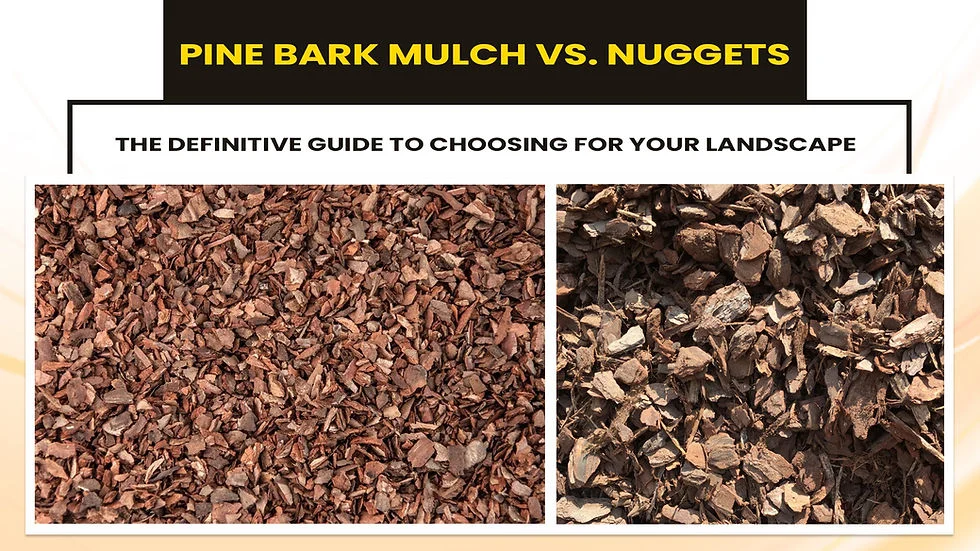
The first step in evaluating pine bark nuggets vs mulch is to know what each product actually is. Traditional mulch is usually made from shredded bark, wood chips, straw, or composted leaves. It’s processed to a fine or medium consistency and is often sold in bulk bags. Pine bark nuggets, on the other hand, are larger, rounder pieces of pine bark that have been screened to retain a uniform size, usually 2‑3 inches in diameter. Because they’re less processed, nuggets retain more of the natural shape of the original bark.
Both materials share common goals: they protect soil, suppress weeds, and retain moisture. However, their physical characteristics lead to different performance outcomes. Pine bark nuggets tend to decompose more slowly, which means they maintain their structural integrity for longer periods. Mulch, especially fine wood chips, breaks down faster, enriching the soil but also requiring more frequent replenishment.
Pine Bark Nuggets vs Mulch: Key Physical Differences
- Size and Shape: Nuggets are chunky and rounded; mulch is finer and irregular.
- Decomposition Rate: Nuggets decompose slowly (12‑18 months); mulch can decompose within 6‑12 months.
- Weight: Nuggets are heavier per volume, providing better anchoring on slopes.
- Color Retention: Nuggets retain a rich, reddish‑brown hue longer than mulch, which can fade to gray.
Aesthetic Considerations: Texture, Color, and Style

Modern home décor often emphasizes clean lines, natural textures, and a sense of curated simplicity. When you compare pine bark nuggets vs mulch from an aesthetic standpoint, the visual impact can be striking. Pine bark nuggets create a bold, sculptural look that can serve as a design focal point. Their uniform size and deep color add depth to planting beds, rock gardens, and pathway edges. Mulch offers a softer, more subtle backdrop that blends seamlessly with surrounding foliage.
Choosing the right visual language depends on the overall design narrative of your outdoor space. If your home features sleek stone pavers, a darker pine bark nugget spread can echo the stone’s weightiness while adding organic warmth. Conversely, a light‑colored mulch can brighten a garden bed and make a small courtyard feel more spacious. Both options can be tinted with natural dyes to match specific colour palettes, but pine bark nuggets naturally hold richer tones, making them a favorite for high‑impact designs.
Design Tips for Pine Bark Nuggets vs Mulch in Modern Landscapes
- Layer nuggets under low‑lying succulents to highlight their geometric forms.
- Use mulch around shade‑loving perennials for a gentle, carpet‑like feel.
- Combine both: place a thin mulch base for soil health, then top with a ring of pine bark nuggets for visual contrast.
- Consider seasonal colour shifts – mulch may turn silvery in winter, while nuggets stay warm.
Functional Benefits: Soil Health, Water Retention, and Weed Control

Beyond looks, the primary job of any ground cover is to protect and improve the soil. When weighing pine bark nuggets vs mulch, examine how each handles moisture, nutrients, and weeds. Mulch excels at quickly absorbing water and releasing it gradually, which is ideal for newly planted beds that need consistent moisture. Its finer texture also creates a tighter seal, limiting weed seed germination more effectively in the short term.
Pine bark nuggets, due to their larger size and air pockets, provide superior drainage on slopes or in areas prone to water pooling. They create a breathable layer that reduces the risk of fungal growth around root zones. While they suppress weeds less aggressively than fine mulch, the slower decomposition rate means they continue to protect the soil for a longer duration without needing frequent top‑ups.
Practical Maintenance of Pine Bark Nuggets vs Mulch
- Inspect yearly for compaction – nuggets may shift on steep terrain.
- Rake mulch lightly to refresh its surface and prevent matting.
- Replenish pine bark nuggets every 12‑18 months to maintain depth.
- Apply a thin layer of organic fertilizer beneath either material to boost nutrient availability.
Environmental Impact and Sustainability
Eco‑conscious homeowners increasingly ask how their material choices affect the planet. Both pine bark nuggets and mulch can be sourced sustainably, but there are nuances. Mulch is often made from by‑products of timber processing, meaning it utilizes waste that would otherwise be discarded. However, if the mulch is sourced from non‑native hardwoods, transportation emissions can offset its green credentials.
Pine bark nuggets are typically derived from the bark of pine trees harvested during timber operations. Since bark is a by‑product, using it for nuggets reduces waste and adds value to the forestry industry. The larger size of nuggets means fewer processing steps, potentially lowering energy consumption compared to finely shredded mulch. When choosing between pine bark nuggets vs mulch, look for certifications such as FSC (Forest Stewardship Council) to ensure responsible sourcing.
Sustainability Checklist for Pine Bark Nuggets vs Mulch
- Confirm the product is a by‑product of certified sustainable forestry.
- Prefer locally produced material to reduce transportation carbon footprint.
- Check for additives – some mulches contain synthetic binders; nuggets are usually natural.
- Consider the end‑of‑life scenario: both can be composted back into the garden.
Cost, Installation, and Maintenance Practicalities
Budget constraints are a reality for most renovation projects. Generally, pine bark nuggets are priced higher per cubic yard than standard mulch because of their size and handling requirements. Installation can also be more labor‑intensive; the heavier nuggets may require a wheelbarrow and extra manpower to spread evenly. Mulch, being lighter and finer, is easier to distribute with a garden rake or a bulk‑delivery spreader.
Despite the higher upfront cost, pine bark nuggets can offer long‑term savings by reducing the frequency of re‑application. Mulch may need to be replenished every season, especially in high‑traffic areas. When calculating total cost of ownership, factor in the lifespan of the material, the labor required for installation, and the potential need for periodic top‑ups.
Budget‑Friendly Installation Tips for Pine Bark Nuggets vs Mulch
- Buy in bulk to lower per‑unit price – many suppliers offer discounts on 5‑yard loads.
- Use a landscape fabric underneath both materials to extend their life.
- Combine a thin mulch base with a top layer of nuggets to achieve the look of nuggets at a reduced cost.
- Rent a small loader or enlist a friend with a garden cart to ease the heavy lifting.
Matching Ground Cover to Specific Outdoor Spaces
The final decision between pine bark nuggets vs mulch should be guided by the particular zone you’re treating. Here are a few common scenarios:
- Rock Gardens: Pine bark nuggets provide a dramatic contrast against stone, emphasizing the rugged texture of the rocks.
- Vegetable Beds: Fine mulch retains moisture and warms the soil, encouraging faster growth for edibles.
- Pathway Borders: Nuggets create a defined edge that resists erosion, while mulch can be used between pavers for a softer transition.
- Small Urban Patios: A light‑colored mulch can visually expand the space; nuggets can be used sparingly as accent islands.
When you’re planning a cohesive look, think about how the ground cover will interact with other design elements, such as planters, lighting, and furniture. For instance, pairing pine bark nuggets with a living room décor with natural baskets can extend the natural theme from indoors to outdoors, creating a seamless flow.
Quick Tips for Pine Bark Nuggets vs Mulch
- Test a small patch first: lay a handful of nuggets and mulch side‑by‑side to see how they look with your plant palette.
- Use a breathable landscape fabric beneath both options to prevent weed breakthrough and prolong material life.
- In sunny, dry climates, opt for pine bark nuggets as they retain moisture longer between rain events.
- Combine a thin mulch layer with a top ring of nuggets for a high‑impact, low‑maintenance hybrid.
- Check local regulations – some municipalities have restrictions on mulch depth near water runoff areas.
Common Mistakes When Choosing Between Pine Bark Nuggets and Mulch
Even seasoned gardeners can stumble over a few pitfalls. Here are the most frequent errors and how to avoid them:
- Applying Too Thick a Layer: More than 4 inches of either material can suffocate plant roots and hinder water infiltration. Aim for 2‑3 inches.
- Neglecting Soil Testing: Without knowing your soil’s pH and nutrient profile, you might choose a material that doesn’t complement it. Conduct a simple test before spreading.
- Mixing Incompatible Materials: Adding rubber mulch or dyed wood chips on top of pine bark nuggets can create uneven drainage.
- Overlooking Seasonal Changes: Mulch may become compacted after winter rain; nuggets may shift on slopes after heavy snowfall. Plan for seasonal adjustments.
Frequently Asked Questions
What is the main difference in lifespan between pine bark nuggets and mulch?
Pine bark nuggets typically last 12‑18 months before they begin to break down noticeably, while fine mulch may need replacement every 6‑12 months, depending on climate and foot traffic.
Can I use pine bark nuggets around vegetable gardens?
Yes, but because nuggets decompose slowly, they provide less immediate organic matter than mulch. Pair them with a thin mulch layer to retain moisture for edible plants.
Which option is better for preventing weeds?
Fine mulch creates a denser barrier that suppresses weed seeds more effectively in the short term. However, the thicker layer of pine bark nuggets can still reduce weed emergence if applied at the recommended depth.
Do pine bark nuggets affect soil acidity?
Both pine bark nuggets and mulch are mildly acidic, which can be beneficial for acid‑loving plants like azaleas and rhododendrons. For neutral‑pH gardens, you may need to monitor and amend the soil periodically.
Is there a visual guide to help me decide?
Many landscape centers offer sample trays showing both materials side by side. Additionally, you can explore our simple kitchen window plant décor article for inspiration on blending ground cover with indoor greenery.
How does the cost of pine bark nuggets compare to premium hardwood mulch?
Premium hardwood mulch can be slightly cheaper per cubic yard, but pine bark nuggets often require fewer re‑applications, which can equalize the overall expense over a two‑year period.
Conclusion
Choosing between pine bark nuggets vs mulch is not a simple either/or decision; it’s a nuanced balance of aesthetics, functionality, sustainability, and budget. Pine bark nuggets deliver a bold, long‑lasting texture that suits modern, sculptural landscapes, while mulch offers quick moisture retention and a softer visual backdrop perfect for intimate planting beds. By evaluating the specific demands of each outdoor zone, considering your design goals, and applying the practical tips shared above, you can select the ground cover that enhances both the beauty and health of your garden. Feel confident to experiment, mix, and adapt as seasons change—your outdoor space, like any well‑styled interior, thrives on thoughtful details and a willingness to evolve.