
Table of Contents
- Understanding the Load Capacity of Furring Strips
- How Much Weight Can Furring Strips Hold in Drywall Applications?
- Factors That Influence Weight Capacity
- How Much Weight Can Furring Strips Hold When Used for Shelving?
- Practical Applications in Home Décor
- How Much Weight Can Furring Strips Hold for Wall‑Mounted Décor?
- Installation Best Practices to Maximize Strength
- Quick Tips for Safe Use
- Common Mistakes to Avoid
- Frequently Asked Questions
How Much Weight Can Furring Strips Hold – A Detailed Guide for Home Décor
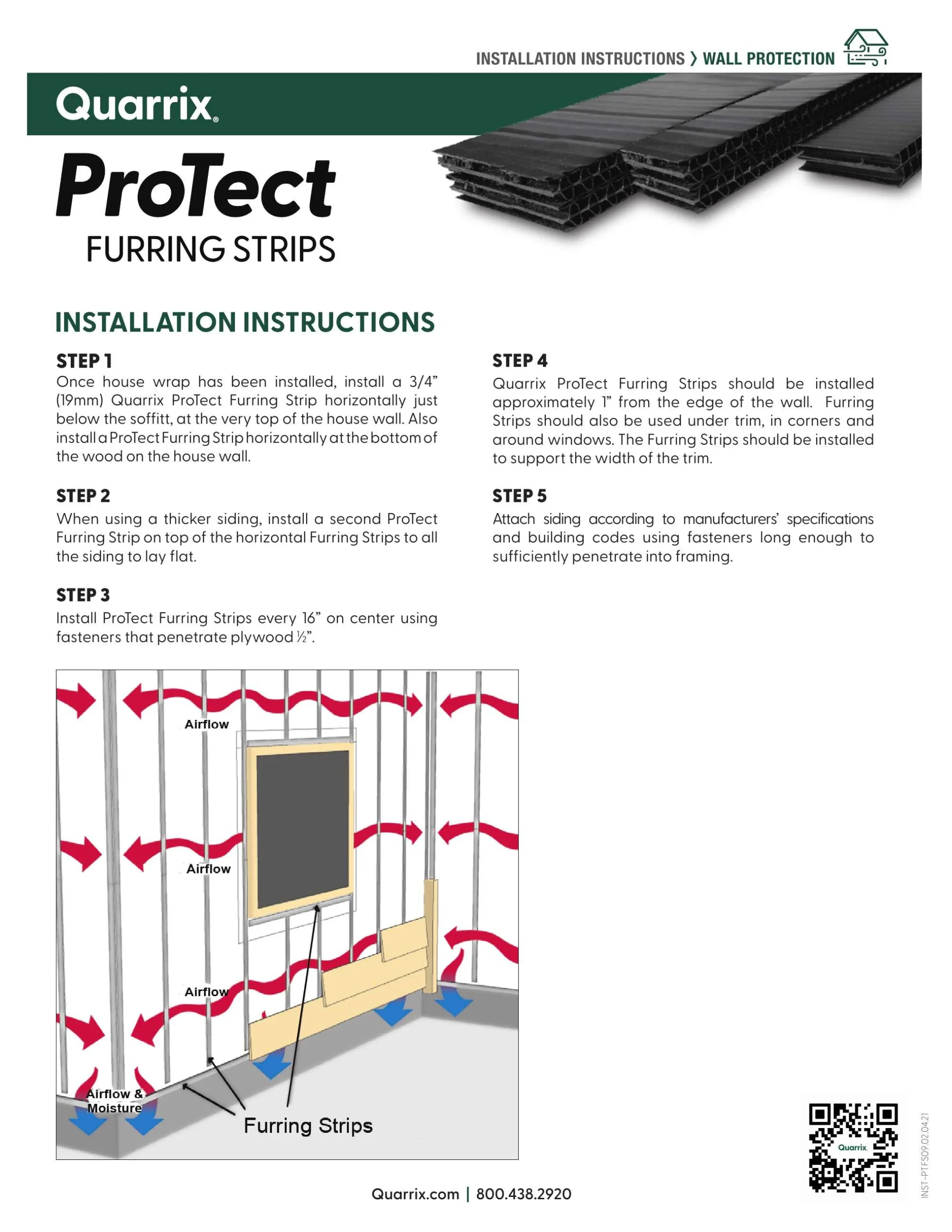
Furring strips are the unsung heroes of many interior projects. These thin, usually wooden or metal, pieces are placed behind drywall, paneling, or decorative finishes to create a level surface and provide a secure mounting point. While most homeowners think of them simply as a spacer, they can also serve as a lightweight structural element for hanging art, shelves, or even small fixtures. Understanding how much weight can furring strips hold is essential before you start turning a blank wall into a gallery or a storage solution.
In this article, we’ll explore the science behind the load‑bearing capacity of furring strips, break down the variables that affect their strength, and give you practical, step‑by‑step advice on how to use them safely in any room of your home. Whether you’re a DIY enthusiast, a renter looking for a low‑impact solution, or a professional interior designer, the insights here will help you make confident decisions and avoid costly mistakes.
By the end of this guide, you’ll know exactly how much weight can furring strips hold in different scenarios, how to reinforce them when needed, and where to find inspiration for stylish applications that complement modern home décor trends.
Understanding the Load Capacity of Furring Strips
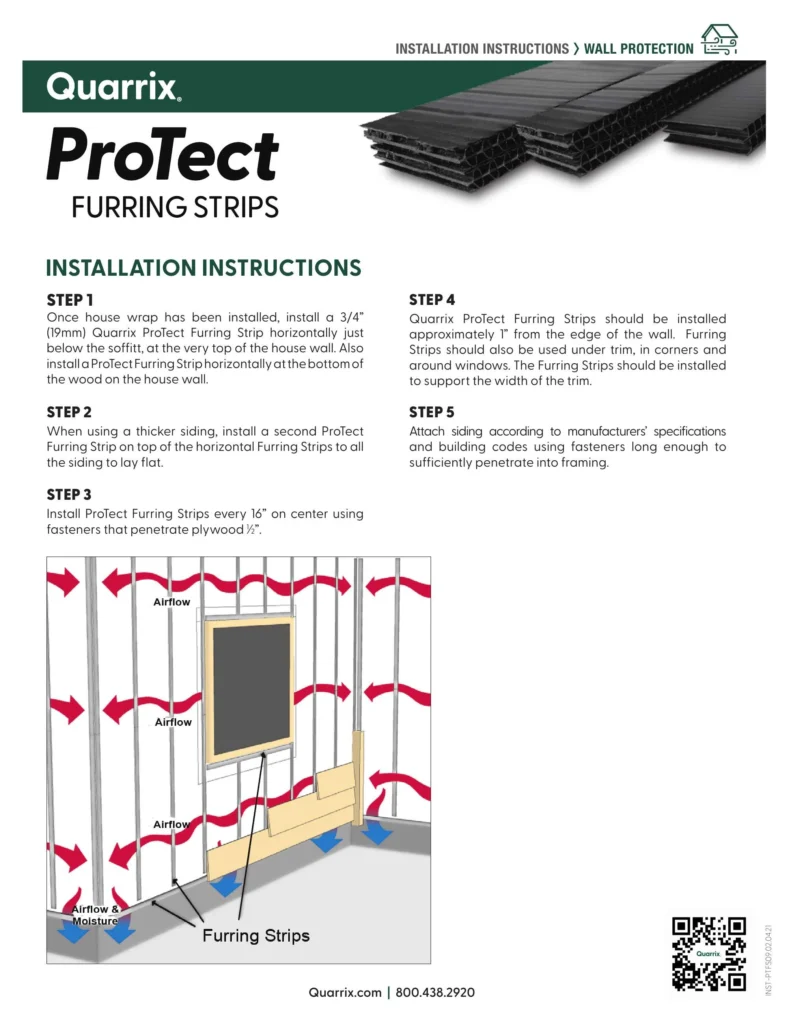
Furring strips come in a variety of materials—most commonly soft‑wood (like pine or spruce), hardwood (such as oak), and metal (usually aluminum). The material, thickness, width, and length all play a role in determining the strip’s ultimate load‑bearing capacity. In a typical residential setting, a 1×3 wooden strip (1 inch thick, 3 inches wide) made from soft‑wood can support anywhere from 20 lb to 40 lb when mounted horizontally and fastened correctly to studs.
However, the real answer to how much weight can furring strips hold depends less on the strip itself and more on how it is integrated into the wall assembly. When the strip is attached directly to a structural stud using appropriate screws or nails, the load is transferred to the stud, which can easily handle hundreds of pounds. The strip then acts as a distribution platform, spreading the weight across a larger area of the wall surface.
When you consider metal furring strips, the numbers shift. A 0.75‑inch thick aluminum strip typically carries a higher load per foot because of its inherent stiffness, often supporting 30 lb to 50 lb per linear foot, again assuming proper anchoring to studs or a solid backing.
How Much Weight Can Furring Strips Hold in Drywall Applications?
Drywall alone is not designed to bear heavy loads. When you attach a furring strip to drywall without reaching a stud, you are essentially relying on the gypsum board’s ability to hold the fasteners. In this case, the safe limit drops dramatically—usually under 10 lb per strip. For heavier items, always locate a stud or use a wall anchor rated for the intended load.
For example, a decorative wooden panel that weighs 25 lb can be safely hung using a furring strip if the strip is secured to a stud with at least two 2‑inch wood screws, and the panel is distributed across the length of the strip. This method effectively transfers the weight to the structural framing, allowing you to answer the question “how much weight can furring strips hold” with confidence.
Factors That Influence Weight Capacity

Even with a solid understanding of the baseline capacities, several variables can increase or decrease the amount of weight a furring strip can support. Let’s look at the most critical factors.
- Material density: Hardwood strips have a higher modulus of elasticity, meaning they bend less under load compared to soft‑wood.
- Strip dimensions: Wider and thicker strips naturally carry more weight. A 2×4 strip can handle roughly double the load of a 1×3 of the same material.
- Spacing between strips: When multiple strips are installed parallel to each other, the load can be shared, effectively raising the total capacity.
- Fastening method: Screws provide better pull‑out resistance than nails. Using construction‑grade screws (e.g., #9 × 2½”) into studs dramatically improves load transfer.
- Orientation: Installing strips vertically versus horizontally changes the way forces act on the wood grain. Vertical placement often offers better load distribution for hanging items.
- Environmental conditions: High humidity can weaken soft‑wood strips over time, reducing their effective capacity.
How Much Weight Can Furring Strips Hold When Used for Shelving?
When you convert furring strips into a lightweight shelving system, the key is to ensure the strips are anchored directly to studs and that the shelf depth is limited to a reasonable size (usually 12‑16 inches). A 1×4 soft‑wood strip, secured with two 2‑inch screws per stud, can typically hold 30 lb to 40 lb of evenly distributed weight. If you use a hardwood strip of the same dimensions, the capacity can increase to 45 lb or more.
For metal strips, you can often double those numbers because the material’s rigidity reduces flexing. Just remember that the screw’s pull‑out strength remains a limiting factor; choosing longer, coarse‑thread screws into the stud will give you the best results.
Practical Applications in Home Décor
Now that you understand the technical side of how much weight can furring strips hold, let’s explore some real‑world décor ideas where these strips shine.
One popular trend is using furring strips to create a recessed gallery wall. By attaching strips horizontally across a wall and then installing thin plywood panels between them, you can hang lightweight frames (5‑10 lb each) without drilling directly into the drywall. This method not only protects the original wall surface but also allows for easy repositioning.
Another clever use is in the kitchen, where a row of furring strips can support a narrow herb garden or spice rack. Because the items are light and the strips are fastened to studs, the setup remains stable while adding a functional decorative element.
For living rooms, consider mounting a decorative acoustic panel system. Furring strips provide a sturdy backing that can hold panels weighing 8‑12 lb each, creating a modern, sound‑absorbing feature wall.
For inspiration on how to integrate decorative elements with structural solutions, check out our guide on kitchen window plant décor – it offers fresh ideas that blend greenery with functional design.
How Much Weight Can Furring Strips Hold for Wall‑Mounted Décor?
When hanging art, mirrors, or decorative tiles, the rule of thumb is to keep each item under 15 lb per strip, provided the strip is secured to a stud. Larger pieces can be distributed across multiple strips or reinforced with additional blocking. This approach ensures that the answer to “how much weight can furring strips hold” remains well within safety margins.
Installation Best Practices to Maximize Strength
Even the strongest strip can fail if installed incorrectly. Follow these best practices to get the most out of your furring strips.
- Locate studs: Use a stud finder to mark the exact location of each stud. Snap a chalk line to keep your strip placement straight.
- Pre‑drill pilot holes: This prevents wood splitting, especially with hardwood strips.
- Use appropriate fasteners: For wood, #9 × 2½” wood screws are ideal. For metal, self‑tapping screws designed for sheet metal work best.
- Space strips wisely: A typical spacing of 16 inches on center aligns with standard stud spacing, ensuring each strip has solid backing.
- Apply construction adhesive: Adding a bead of high‑strength adhesive behind the strip adds shear resistance, especially for vertical installations.
- Check level frequently: Small errors accumulate over long runs, potentially shifting load distribution.
By adhering to these steps, you’ll increase the effective load capacity of your furring strips, making the answer to “how much weight can furring strips hold” more generous without compromising safety.
Quick Tips for Safe Use
- Always anchor to a stud for loads over 10 lb.
- Use two screws per stud to distribute weight evenly.
- Limit the length of unsupported spans to 24 inches for soft‑wood strips.
- Consider a backing board (1/4″ plywood) for heavier decorative panels.
- Re‑check fasteners after a month of use; wood can settle.
Common Mistakes to Avoid
- Relying on drywall alone: Without stud anchoring, even the strongest strip will sag under modest weight.
- Skipping pilot holes: This leads to split wood, reducing the strip’s ability to hold screws firmly.
- Using the wrong screw length: Screws that are too short won’t reach the stud, while overly long screws can puncture through the opposite side of the wall.
- Ignoring humidity: In damp environments, soft‑wood strips can warp, decreasing load capacity.
- Over‑loading a single strip: Spread weight across multiple strips or increase strip dimensions.
Frequently Asked Questions
Can I use furring strips on plaster walls?
Yes, but you must locate the studs behind the plaster. Attach the strip directly to the studs with appropriate screws. Plaster itself offers limited holding power, so the strip must act as a bridge to the framing.
What is the difference between wood and metal furring strips in terms of weight capacity?
Metal strips are generally stiffer and can support higher loads per foot, especially when properly anchored. Wood strips are easier to cut and shape but may require larger dimensions or additional reinforcement for heavier items.
How do I reinforce a furring strip that needs to hold more than the typical 30 lb?
Add a second parallel strip spaced 6‑12 inches apart, attach both to the same studs, and use a solid backing board (e.g., ½‑inch plywood) to spread the load. You can also use a combination of screws and construction adhesive for extra shear strength.
Is it safe to hang a TV on a wall with furring strips?
Only if the strips are anchored directly to studs and the TV mounting bracket is rated for the combined weight of the TV and bracket. For most modern flat‑screen TVs (50‑70 lb), it’s best to mount the bracket directly to the studs without relying solely on furring strips.
Can I paint or stain furring strips after installation?
Absolutely. Paint or stain the strips before installation for a cleaner finish, or use a low‑odor, quick‑dry paint after they’re in place. Ensure any coating is fully cured before attaching heavy items.
Where can I find more ideas for using furring strips in modern décor?
Explore our budget wall décor ideas article for creative, cost‑effective ways to incorporate furring strips into stylish design projects.
Understanding how much weight can furring strips hold is not just a technical question; it’s a design decision that influences the look, safety, and longevity of your interior spaces. By selecting the right material, respecting load limits, and following best‑practice installation methods, you can confidently use furring strips to add depth, texture, and functionality to any room.
Now that you’re equipped with the knowledge and practical tips, go ahead and experiment with furring strips in your next décor project. Whether you’re creating a gallery wall, a custom shelving unit, or a subtle architectural accent, the possibilities are limited only by your imagination—and by a clear understanding of how much weight those humble strips can safely support.