
Table of Contents
- Best Plants for Hanging Baskets in Shade
- Best Plants for Hanging Baskets in Shade – A Quick Overview
- Ferns: Classic Elegance in Low Light
- Impatiens and Begonias: Colorful Blooms without Direct Sun
- Trailing Vines: Adding Movement and Texture
- Care Tips to Keep Shade Baskets Thriving
- Quick Tips for Successful Shade Hanging Baskets
- Common Mistakes to Avoid
- Frequently Asked Questions
Best Plants for Hanging Baskets in Shade – A Complete Guide
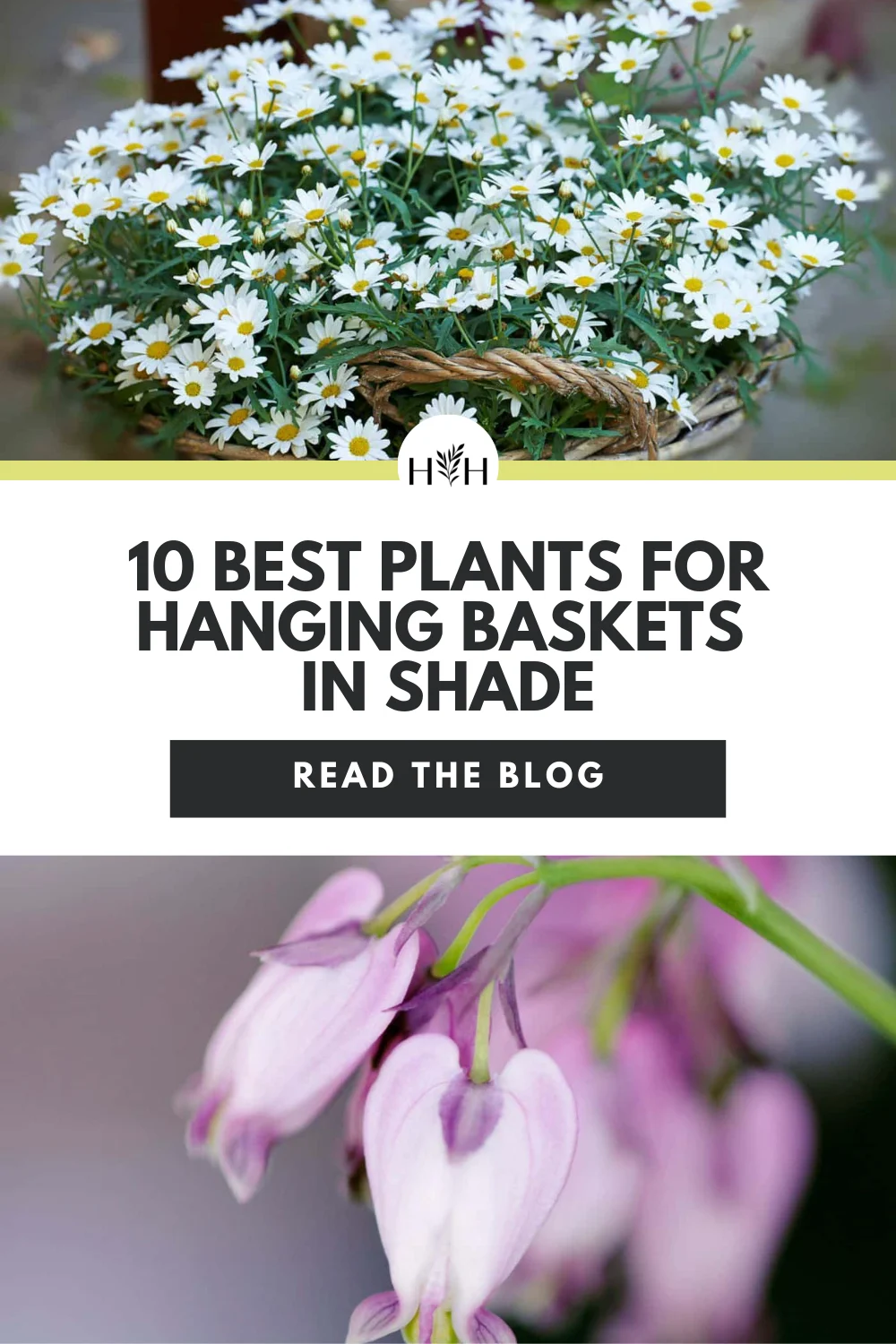
When sunlight is scarce, many gardeners assume hanging baskets are off‑limits. In reality, the right shade‑loving specimens can turn a dim corner into a lush, eye‑catching display. Whether you’re working with a north‑facing balcony, a patio tucked under trees, or a shaded nook in a small courtyard, selecting the best plants for hanging baskets in shade will give you a thriving, low‑maintenance feature that adds texture, colour, and a sense of depth.
In this article we’ll explore which species perform best in low‑light conditions, how to style them for a modern home aesthetic, and practical care advice that keeps your baskets looking fresh season after season. Expect actionable tips, common pitfalls to avoid, and even a quick FAQ so you can confidently bring shade‑friendly greenery into your outdoor décor.
Best Plants for Hanging Baskets in Shade
Best Plants for Hanging Baskets in Shade – A Quick Overview
Not every shade‑tolerant plant is suitable for a hanging basket. The ideal choices combine compact growth habits, a tolerance for limited direct sun, and an attractive form that drapes or spills over the basket’s edge. Below are the top five categories that consistently deliver results:
- Ferns – soft fronds that thrive in moist, filtered light.
- Impatiens and Begonias – vivid annuals that bloom abundantly without direct sun.
- Trailing Vines – vines like Lobelia or English ivy that cascade gracefully.
- Hostas – foliage specialists that add sculptural interest.
- Heuchera (Coral Bells) – colourful foliage that tolerates shade and adds a pop of colour.
Choosing from these groups ensures your basket stays lively even when the sun is shy. Each plant brings a unique texture, so mixing a few creates a layered, dynamic look that works beautifully with modern home styling.
Ferns: Classic Elegance in Low Light
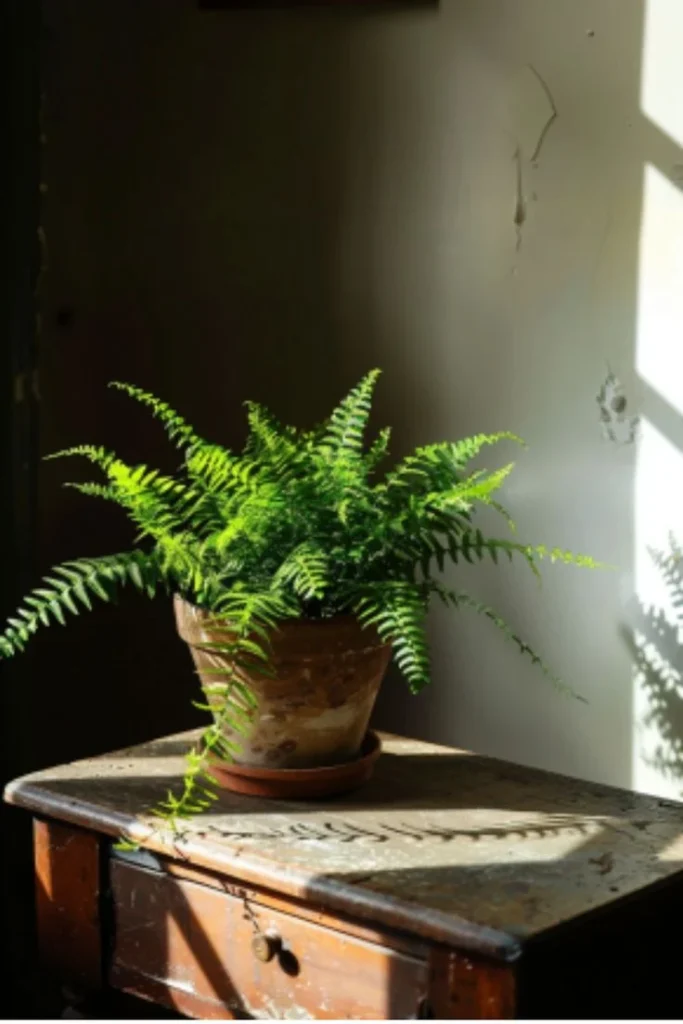
Ferns are the go‑to foliage for shady hanging baskets because they love humidity and indirect light. Species such as the Boston fern (Nephrolepis exaltata) or Japanese sword fern (Polystichum tsukushiense) have feathery fronds that soften the hard edges of metal or wicker baskets. Plant ferns in a well‑draining mix enriched with peat to retain moisture without becoming waterlogged.
Because ferns prefer consistent moisture, place the basket on a saucer and water it daily during hot spells. If you notice fronds browning at the tips, it may be a sign of low humidity—mist the leaves lightly or position the basket near a water feature for added moisture.
Ferns also pair nicely with the natural baskets for living room décor trend, allowing you to carry the same organic vibe from indoors to your outdoor retreat.
Impatiens and Begonias: Colorful Blooms without Direct Sun
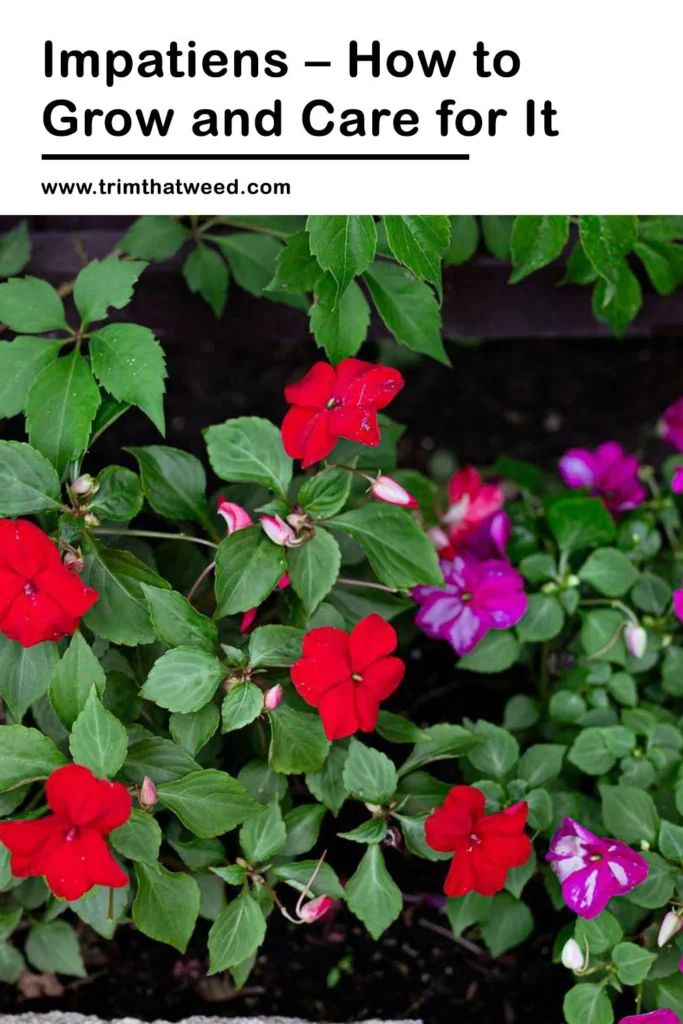
For homeowners who crave colour, impatiens and begonias are unrivalled shade performers. Both genera produce abundant, long‑lasting flowers in shades of pink, red, white, and orange, thriving under dappled light. Choose compact varieties like Impatiens walleriana ‘Super Elfin’ or Begonia rex‑cultivar ‘Escargot’ to keep the basket tidy.
These plants appreciate a rich, loamy potting mix and regular feeding. A balanced liquid fertilizer applied every two weeks supports continuous blooming. Because they are relatively shallow‑rooted, keep the basket’s soil surface moist but not soggy—over‑watering can lead to root rot, especially in cooler, shaded spots.
Incorporating bright impatiens alongside deeper‑green foliage creates a striking contrast that works well with budget‑friendly wall décor ideas, allowing you to echo the same colour palette across indoor and outdoor spaces.
Trailing Vines: Adding Movement and Texture
Trailing vines bring a sense of movement to hanging baskets, especially in shade where vertical growth is limited. Species such as Lobelia erinus, Sweet potato vine (Ipomoea batatas), and English ivy (Hedera helix) cascade down the sides, creating a soft waterfall effect. Their slender stems and delicate leaves soften the basket’s silhouette and fill empty space.
When planting vines, use a lightweight, well‑aerated soil to prevent the stems from becoming heavy and breaking. Trim back excess growth every few weeks to maintain a tidy shape and encourage new branching. If you notice the vines becoming leggy, pinch the tips to stimulate bushier growth.
Vines also complement modern interior trends like organic style living room décor, where natural, flowing elements bridge the gap between indoor comfort and outdoor freshness.
Care Tips to Keep Shade Baskets Thriving
Even the best shade‑loving plants need consistent care. Follow these guidelines to ensure longevity:
- Soil choice: Use a peat‑based mix with perlite for drainage and moisture retention.
- Watering schedule: Check moisture daily; water when the top inch feels dry.
- Fertilization: Apply a slow‑release fertilizer in spring and supplement with a liquid feed every 4–6 weeks.
- Location: Position baskets where they receive filtered light or morning sun, avoiding harsh afternoon glare.
- Pruning: Remove dead foliage promptly to prevent disease and promote new growth.
By adhering to these simple steps, the best plants for hanging baskets in shade will stay vibrant year after year, adding a subtle yet impactful layer to your outdoor décor.
Quick Tips for Successful Shade Hanging Baskets
- Choose baskets with good drainage holes and line them with a thin layer of gravel.
- Group two or three baskets together for a fuller visual impact and micro‑climate benefits.
- Incorporate a mix of foliage and flower varieties to keep the display interesting throughout the season.
- Rotate baskets monthly so each side receives equal light exposure.
- Use a moisture meter if you’re unsure about watering frequency.
Common Mistakes to Avoid
Even experienced gardeners can slip up when working with shade‑loving hanging baskets. Here are the most frequent errors and how to sidestep them:
- Over‑watering: Shade retains moisture longer; water only when the soil surface is dry.
- Choosing deep‑rooted plants: Species like roses or tomatoes struggle in shallow containers.
- Ignoring humidity: Low indoor humidity can dry out foliage; mist regularly or place a water tray nearby.
- Using heavy soil: Dense mixes increase basket weight, stressing hanging hardware.
- Neglecting fertilization: Shade plants still need nutrients; a balanced feed keeps growth vigorous.
Frequently Asked Questions
Can I use the same soil for sun and shade hanging baskets?
While the base components (peat, perlite, compost) are similar, shade baskets benefit from a mix that retains moisture a bit longer. Adding extra peat or coconut coir helps maintain consistent moisture without becoming waterlogged.
How often should I repot my shade hanging basket?
Most shade‑loving perennials can stay in the same basket for 2‑3 years. Refresh the soil annually in early spring, trimming back any dead roots and adding fresh compost to rejuvenate nutrients.
Do I need to prune ferns in shade?
Pruning ferns is mainly about removing dead or yellowing fronds. This encourages fresh growth and improves air circulation, reducing the risk of fungal issues in damp, shaded environments.
Are there any edible plants that work well in shade hanging baskets?
Yes—herbs like mint, cilantro, and parsley tolerate partial shade and can be grown in hanging baskets. Ensure they have good drainage and occasional feeding for a continual harvest.
What is the best time of year to plant shade‑loving baskets?
Early spring or early fall are ideal. Temperatures are moderate, allowing roots to establish before the extremes of summer heat or winter cold.
Choosing the best plants for hanging baskets in shade is less about fighting the lack of sunlight and more about embracing the subtle beauty that low‑light environments offer. By selecting the right species, providing appropriate care, and avoiding common pitfalls, you’ll create a verdant focal point that enhances any outdoor or semi‑outdoor space.
Ready to transform your shaded corners? Experiment with the plants highlighted above, mix textures, and let your creativity flow. For more inspiration on integrating natural elements into modern living spaces, explore our other guides and keep your home styling fresh and inviting.