
Table of Contents
- wide vs narrow shaker cabinets: visual impact and proportion
- Design tricks to blend wide and narrow shaker cabinets
- Functional benefits: storage capacity and workflow
- Impact on countertop and appliance placement
- Cost considerations and installation nuances
- Styling ideas: pairing cabinet width with finishes and hardware
- Quick Home Décor Tips
- Common Mistakes to Avoid
- Frequently Asked Questions
- Can I mix wide and narrow shaker cabinets in the same kitchen?
- Do narrow shaker cabinets reduce countertop workspace?
- Which width is better for small apartments?
- Are wide shaker cabinets more durable?
- How do I choose the right hardware size?
- Conclusion
Choosing the right cabinetry can feel like solving a puzzle, especially when the options span from broad, statement‑making units to sleek, space‑saving slim doors. Shaker cabinets, with their timeless five‑piece construction, remain a favorite for many homeowners, but the decision between wide and narrow configurations often determines how the whole kitchen flows. In this article we’ll unpack the visual, functional, and practical differences of wide vs narrow shaker cabinets, helping you decide which style aligns with your layout, storage needs, and aesthetic goals.
Whether you’re renovating a sprawling suburban kitchen or maximizing a compact urban apartment, understanding the impact of cabinet width goes beyond mere measurements. It influences traffic patterns, countertop space, appliance placement, and even the perception of room size. By the end of this guide, you’ll have a clear roadmap for selecting the right width, integrating complementary design elements, and avoiding common pitfalls that can derail a seemingly perfect design.
Let’s dive into the specifics of wide vs narrow shaker cabinets, explore real‑world applications, and provide actionable tips you can implement right away.
wide vs narrow shaker cabinets: visual impact and proportion
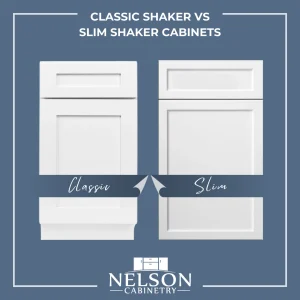
The first impression a kitchen makes is largely dictated by the scale of its cabinetry. Wide shaker cabinets create a bold, anchored look that works beautifully in larger rooms where the eye can wander without feeling cramped. Their broader panels emphasize the classic square‑in‑square design of the shaker style, reinforcing a sense of stability and tradition.
Conversely, narrow shaker cabinets are designed to slice visual clutter and make tighter spaces feel airy. By reducing the horizontal mass of each unit, they allow more wall space for decorative accents, such as open shelving or artwork, without overwhelming the room. In a kitchen that doubles as a dining area, narrow cabinets can preserve a feeling of openness while still delivering the clean lines associated with shaker design.
When deciding which proportion suits your space, consider the overall footprint of the kitchen. A rule of thumb is to keep cabinet widths between 12 and 24 inches for narrow options, while wide choices typically start at 30 inches and can exceed 36 inches. The right balance can enhance both function and aesthetics.
Design tricks to blend wide and narrow shaker cabinets
- Mix widths strategically: place a wide base cabinet at the center of a wall and flank it with narrow wall cabinets to break monotony.
- Use a narrow pantry column to add vertical storage without sacrificing floor space.
- Incorporate glass‑fronted narrow cabinets to introduce visual lightness while maintaining the shaker profile.
Functional benefits: storage capacity and workflow

Storage needs often dictate cabinet width. Wide shaker cabinets typically provide deeper drawers and larger shelves, which are ideal for bulky cookware, mixing bowls, and larger appliances. Their expansive face frames also allow for integrated hardware, such as pull‑out trash bins or spice racks, without compromising on accessibility.
Narrow shaker cabinets excel in environments where every inch counts. By stacking more units vertically, you can increase the total number of storage zones while keeping the countertop clear. For example, a row of narrow wall cabinets can house spice jars, mugs, or small appliances, leaving the worktop free for food prep.
From a workflow perspective, wide cabinets can create longer uninterrupted countertops, which is beneficial for chefs who need expansive prep surfaces. Narrow cabinets, on the other hand, can create natural “stations” that separate cooking, cleaning, and storage zones, fostering a more organized kitchen triangle.
Impact on countertop and appliance placement

Countertop length is directly influenced by cabinet width. Wide shaker cabinets often result in longer, uninterrupted countertops, allowing for larger islands or extended breakfast bars. This layout is popular in open‑concept homes where the kitchen serves as a social hub.
When working with narrow shaker cabinets, you may find more frequent breaks in the countertop line, which can be used creatively for built‑in sinks, cooktops, or wine coolers. These interruptions can also serve as natural visual pauses, preventing the kitchen from feeling like a single, monolithic slab.
Appliance alignment also benefits from thoughtful cabinet width selection. Wide base cabinets can accommodate a full‑size refrigerator or dishwasher without encroaching on cabinet door swing. Narrow cabinets, meanwhile, are perfect for integrating slim appliances such as under‑counter wine refrigerators or compact microwaves, preserving the streamlined look of the shaker style.
Cost considerations and installation nuances
Budget is always a factor. Generally, wide shaker cabinets command a higher price point per unit because they require more material and often feature larger hardware. However, because you need fewer units to cover a wall, the total number of cabinet doors—and thus hinges and handles—may be lower, balancing out the cost.
Narrow shaker cabinets can be more economical on a per‑unit basis, especially when sourced from stock lines. The trade‑off is the increased number of components, which can raise labor costs for installation. Precise alignment of multiple narrow doors is crucial to avoid gaps and ensure a polished finish.
Installation also varies. Wide cabinets demand careful handling due to their weight and size, often requiring additional support brackets. Narrow cabinets, while lighter, need meticulous spacing to maintain consistent reveal and avoid “stacked” looks that can diminish the sleek shaker aesthetic.
Styling ideas: pairing cabinet width with finishes and hardware
Finish choices can amplify or soften the perceived width of shaker cabinets. Dark, rich stains on wide cabinets emphasize their substantial presence, making them perfect for traditional or farmhouse kitchens. Light, matte paints on narrow cabinets, on the other hand, create a breezy, modern vibe that suits contemporary spaces.
Hardware selection further refines the look. For wide shaker cabinets, consider oversized brushed‑nickel or oil‑rubbed bronze pulls that echo the cabinet’s scale. Narrow cabinets benefit from slimmer, minimalist hardware—think 2‑inch stainless steel or sleek black lever handles—that complement their slender profile without overwhelming it.
Integrating complementary décor elements can tie the whole design together. For instance, a hallway décor with woven runner rugs can echo the linearity of narrow cabinets, while a split foyer home design concept may inspire a balanced mix of wide and narrow units to create distinct zones.
Quick Home Décor Tips
- Use under‑cabinet lighting to highlight the clean lines of narrow shaker cabinets and add depth to wide ones.
- Install a slim pull‑out pantry within a narrow cabinet column for easy access to dry goods.
- Choose a contrasting countertop material—like a dark quartz with wide cabinets—to create a striking visual anchor.
- Pair narrow cabinets with open shelving to break up the façade and showcase decorative plates.
- Apply a high‑gloss finish on wide cabinets for a sophisticated, reflective surface that enlarges the space.
Common Mistakes to Avoid
One frequent error is selecting cabinet width without accounting for ceiling height. Extremely wide cabinets in a low‑ceiling kitchen can make the space feel boxed in, while overly narrow cabinets in a tall room may appear lost.
Another pitfall is neglecting the impact on traffic flow. Wide base cabinets placed directly in the work triangle can obstruct movement, especially if the kitchen island is narrow. Conversely, stacking too many narrow cabinets can crowd the backsplash area, limiting space for decorative tiles.
Finally, ignoring hardware scale can undermine the design. Oversized knobs on narrow cabinets look clunky, while tiny pulls on wide cabinets appear under‑designed. Match hardware proportion to cabinet width for visual harmony.
Frequently Asked Questions
Can I mix wide and narrow shaker cabinets in the same kitchen?
Yes. Mixing widths can create visual interest and address functional zones. Place a wide base cabinet for a central cooking area and use narrow wall cabinets to flank it, providing storage without overwhelming the space.
Do narrow shaker cabinets reduce countertop workspace?
Not necessarily. While narrow base cabinets may result in more frequent countertop breaks, strategic placement of islands or extended counter sections can compensate, preserving ample prep area.
Which width is better for small apartments?
Narrow shaker cabinets are generally preferable for compact apartments. Their slim profile maximizes wall space for other décor elements and keeps the kitchen feeling open.
Are wide shaker cabinets more durable?
Durability depends more on construction quality than width. However, wide cabinets often use thicker panels, which can add structural strength, especially for heavy-duty use.
How do I choose the right hardware size?
Match the hardware to the cabinet width: larger pulls (3‑4 inches) for wide cabinets, and slimmer handles (2‑2.5 inches) for narrow cabinets. This maintains proportional balance and enhances usability.
Conclusion
Deciding between wide vs narrow shaker cabinets ultimately hinges on the balance of aesthetics, functionality, and space constraints. Wide cabinets deliver presence and generous storage, ideal for larger kitchens that crave a statement. Narrow cabinets excel in tighter footprints, offering flexibility and a lighter visual feel. By evaluating your layout, workflow, and design preferences—and by applying thoughtful hardware, finishes, and complementary décor—you can create a kitchen that feels both functional and beautiful. Explore more ideas on The Homara and let your cabinetry choices inspire the rest of your home styling journey.