
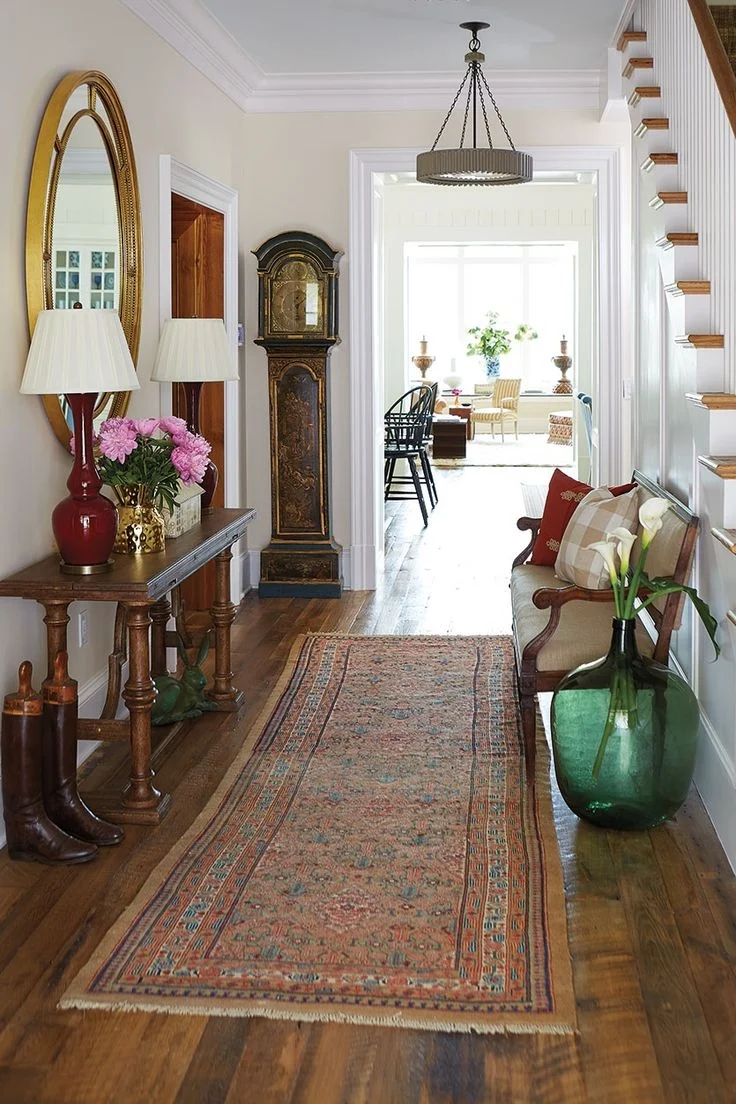
Table of Contents
- hallway décor with woven runner rugs: Choosing the Right Style
- Color Coordination and Pattern Play
- Layering and Texturing for Depth
- Practical Considerations: Maintenance and Durability
- Integrating Lighting and Accessories
- Quick Tips for Hallway Décor with Woven Runner Rugs
- Common Mistakes to Avoid
- Frequently Asked Questions
- What width should a runner be for a typical hallway?
- Can I use a woven runner rug in a hallway with hardwood floors?
- How often should I clean a woven runner rug?
- Is it okay to mix patterns between the runner and wall art?
- Do woven runner rugs work in narrow, low‑ceiling hallways?
Hallway décor with woven runner rugs: Transform Your Passageway
Hallways often get overlooked, yet they are the first impression guests receive when entering a home. A well‑thought‑out hallway décor with woven runner rugs can instantly elevate the look, add warmth, and guide foot traffic with subtle elegance. Whether you live in a compact apartment or a sprawling house, the right runner not only protects flooring but also becomes a focal point that reflects your personal style.
In this guide we’ll explore why woven runner rugs are a versatile choice for hallway décor, how to select the perfect pattern and material, and practical ways to blend them with lighting, wall art, and accessories. By the end, you’ll have a toolbox of interior design tips that make any corridor feel inviting, cohesive, and distinctly yours.
hallway décor with woven runner rugs: Choosing the Right Style
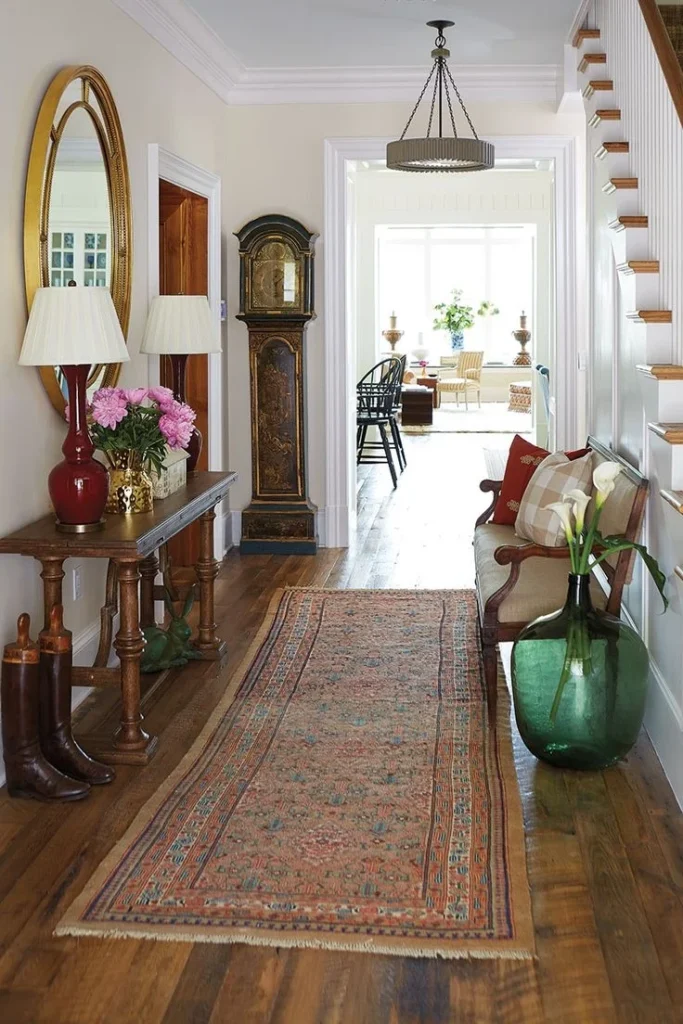
The first step in mastering hallway décor with woven runner rugs is understanding the variety of weave techniques available. Traditional flatweave, hand‑tied kilim, and modern jute blends each offer a different texture and visual weight. Flatweave runners are lightweight and lay flat, ideal for narrow passages where you want a seamless flow. Kilim rugs bring bold geometric motifs that can serve as an artistic statement, while natural fibers like jute or sisal add an organic, eco‑friendly vibe.
When selecting a style, consider the overall aesthetic of the home. A mid‑century modern interior pairs beautifully with a low‑pile, monochrome runner, whereas a rustic farmhouse benefits from a hand‑woven, earth‑toned kilim. Keep the hallway’s length and width in mind: longer runners create a visual elongation, while a shorter runner can be used to break up a large, open corridor.
Color Coordination and Pattern Play

Color is the language of hallway décor with woven runner rugs. A runner can either echo the palette of adjacent rooms or introduce a fresh accent that pulls the space together. If your walls are painted in soft neutrals, a rug featuring muted blues or sage greens can add a subtle pop without overwhelming the eye. For bold interiors, choose a runner with contrasting stripes or chevron patterns to inject energy.
Pattern mixing is another powerful tool. Pair a striped runner with a solid‑colored wall for a clean look, or layer a patterned runner over a subtle, textured carpet for added depth. The key is to maintain balance: limit the number of competing patterns to two—one on the rug and one in the wall art or furniture—to avoid visual clutter.
Layering and Texturing for Depth
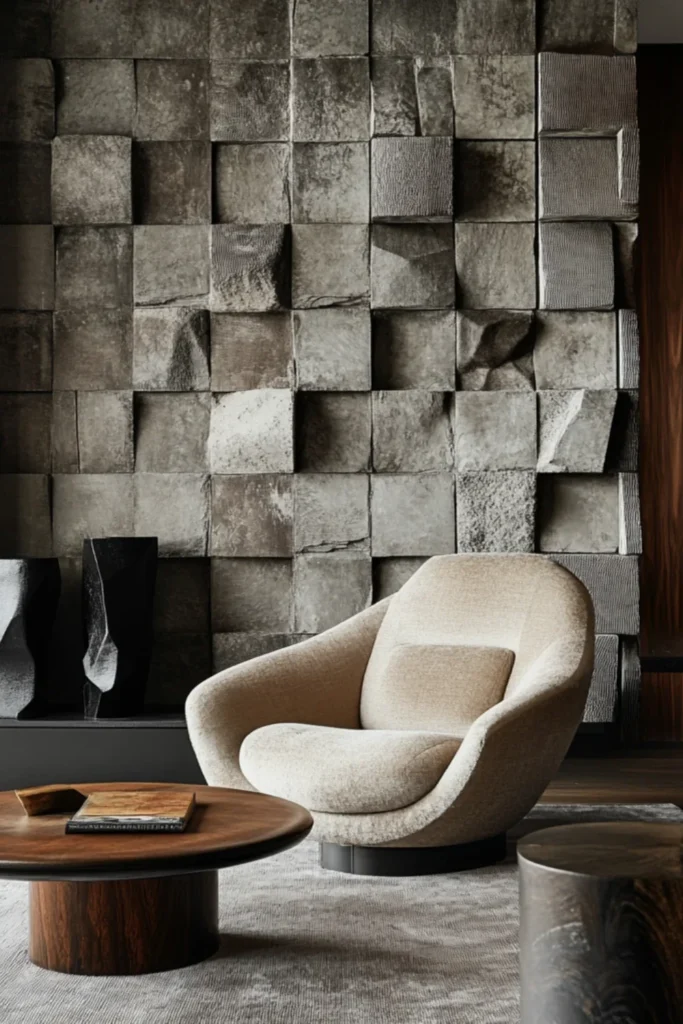
Layering textures creates a tactile experience that makes hallway décor with woven runner rugs feel curated rather than decorative. Start with a base layer of low‑pile carpet or a protective underlay, then lay the woven runner on top. This not only adds comfort underfoot but also protects the runner from wear in high‑traffic zones.
Complement the runner’s texture with complementary accessories: a wooden console table, a brushed‑metal wall sconce, or a woven basket for keys and mail. The contrast between the soft fibers of the rug and the sleek finish of metal or wood enriches the sensory palette. For a cohesive look, echo the runner’s material in other elements—think a jute lamp shade or a sisal wall hanging.
Practical Considerations: Maintenance and Durability
Even the most stunning hallway décor with woven runner rugs must stand up to daily foot traffic. Choose a material that matches the usage level of your hallway. Synthetic blends like polypropylene offer stain resistance and easy cleaning—simply vacuum and spot‑clean with mild soap. Natural fibers, while beautiful, may require more careful upkeep: a regular shake‑out, occasional professional cleaning, and protective pads at high‑impact points such as doorways.
Invest in a non‑slip backing or a rug pad to keep the runner securely in place, especially on hardwood or tile floors. This not only prevents slipping hazards but also extends the lifespan of both the runner and the underlying floor. When shopping, ask the retailer about the rug’s UV resistance if your hallway receives direct sunlight; fade‑proof weaves retain their color longer.
Integrating Lighting and Accessories
Lighting plays a pivotal role in hallway décor with woven runner rugs. Proper illumination highlights the rug’s texture and pattern, turning a functional piece into a decorative centerpiece. Wall sconces with a warm amber glow create a cozy ambiance, while recessed LED strips add a modern, understated touch.
For a seamless look, coordinate the metal finish of the lighting fixtures with hardware on nearby doors or cabinets. Add a mirror opposite a light source to reflect illumination and make the corridor feel more spacious. If you have a narrow passage, consider a slim, vertical floor lamp that doubles as a decorative accent without crowding the floor space.
Quick Tips for Hallway Décor with Woven Runner Rugs
- Measure your hallway accurately—allow at least 6‑8 inches of floor space on each side of the runner for a balanced look.
- Choose a runner with a low pile for high‑traffic areas to prevent flattening and wear.
- Match the runner’s color to a dominant hue in adjacent rooms for a cohesive flow.
- Use a non‑slip rug pad to protect both the rug and the floor while reducing noise.
- Layer a narrow runner over a neutral carpet for added texture without sacrificing space.
Common Mistakes to Avoid
Even seasoned decorators can stumble when styling hallway décor with woven runner rugs. One frequent error is selecting a runner that is too short for the space, which creates a disjointed appearance and leaves exposed flooring that looks unfinished. Another pitfall is over‑matching—using a runner that mirrors every color in the room can render the hallway flat and uninteresting.
Additionally, neglecting the importance of a rug pad can lead to slipping hazards and premature wear. Finally, placing heavy furniture directly on the runner can crush the weave and diminish its visual appeal. Keep pathways clear and allow the runner to breathe.
Frequently Asked Questions
What width should a runner be for a typical hallway?
A good rule of thumb is to choose a runner that leaves at least 6–8 inches of floor visible on each side. For a 36‑inch wide hallway, a 24‑inch runner works well; for wider hallways, you can opt for a 30‑inch or even 36‑inch runner.
Can I use a woven runner rug in a hallway with hardwood floors?
Absolutely. A woven runner adds a soft layer that protects hardwood from scratches and scuffs. Pair it with a non‑slip rug pad to keep it stable and preserve the integrity of the wood.
How often should I clean a woven runner rug?
Vacuum the runner weekly to remove dust and debris. Spot‑clean spills immediately with a damp cloth and mild detergent. For deep cleaning, consider professional steam cleaning once a year, especially for natural fibers.
Is it okay to mix patterns between the runner and wall art?
Yes, as long as you keep the color palette unified. If your runner features bold geometric shapes, choose wall art with complementary colors but simpler lines to avoid visual overload.
Do woven runner rugs work in narrow, low‑ceiling hallways?
They do. Choose a low‑pile, flatweave runner in a light hue to keep the space feeling airy. Pair it with recessed lighting or slim wall sconces to maintain an open feel.
By thoughtfully selecting, placing, and caring for your woven runner, hallway décor with woven runner rugs becomes a simple yet powerful way to enhance your home’s style. Whether you aim for a sleek modern corridor or a cozy rustic passage, the right runner can tie together colors, textures, and lighting for a harmonious flow. Explore more design inspiration across The Homara—perhaps start with our guide on hallway décor with simple lighting lamps or discover elegant wall décor inspiration for complementary ideas. Happy styling!