
Table of Contents
- Choosing the Right Floating Shelves for Your Hallway
- Key Factors for Selecting Floating Shelves
- Styling Principles: Balance, Scale, and Rhythm
- Creating Visual Balance
- Maintaining Proper Scale
- Establishing Rhythm
- Integrating Functional Elements Without Clutter
- Smart Storage Ideas
- Lighting Strategies to Highlight Floating Shelves
- Accent Lighting Options
- Color & Texture Coordination for Cohesive Design
- Choosing Complementary Hues
- Playing with Textures
- Quick Tips for Instantly Boosting Hallway Décor
- Common Mistakes to Avoid
- Frequently Asked Questions
- What height should I install floating shelves in a hallway?
- Can I use floating shelves in a narrow hallway?
- How many decorative items should I place on each floating shelf?
- Is it okay to paint floating shelves a bold color?
- Do floating shelves require professional installation?
- How can I make my hallway feel larger using floating shelves?
Hallway Décor with Floating Shelf Styling – A Complete Guide
Hallways often get overlooked in interior design, yet they provide a unique canvas for creativity. A well‑styled corridor can set the tone for the rest of your home, guiding guests from the entryway to living spaces with confidence and charm. One of the most versatile tools for this purpose is the floating shelf. Its sleek, wall‑mounted profile not only saves floor space but also creates a visual anchor that can showcase art, plants, or functional accessories.
In this article, we’ll explore how to turn a simple passageway into a statement area using hallway décor with floating shelf styling. You’ll learn how to select the right shelves, arrange objects for balance, and incorporate complementary colors and textures. Whether you live in a compact apartment or a spacious house, the strategies here adapt to any scale, helping you achieve a polished, modern look without compromising on practicality.
Choosing the Right Floating Shelves for Your Hallway
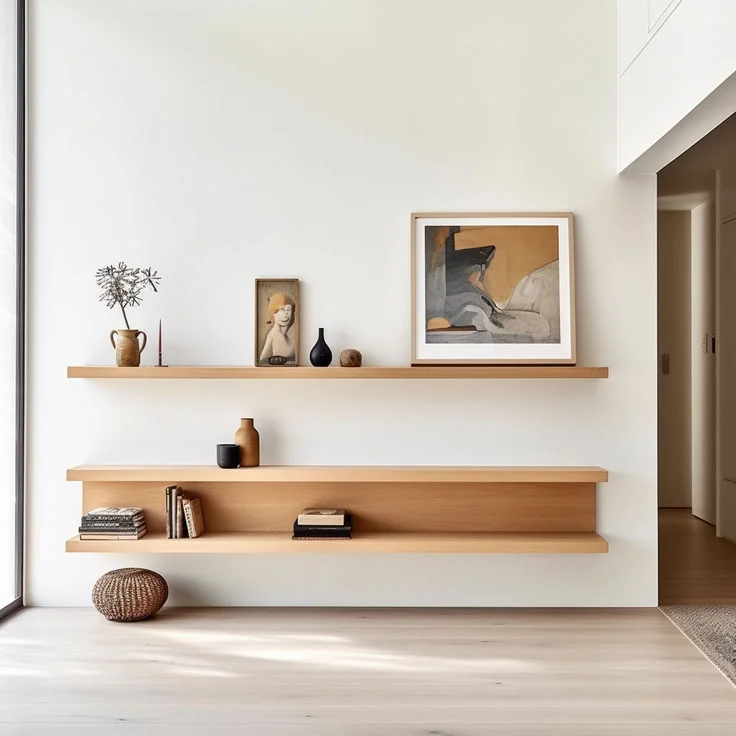
The first step in hallway décor with floating shelf styling is picking shelves that complement the space’s dimensions and style. Consider material, length, depth, and mounting hardware. Wooden shelves add warmth, while metal brackets lend an industrial edge. For narrow hallways, a single long shelf can act as a runway for decorative pieces, whereas multiple shorter shelves create rhythm and break up visual monotony.
Key Factors for Selecting Floating Shelves
- Length vs. Width: Measure the hallway wall from baseboard to ceiling. A shelf that stretches 70‑80% of the wall length offers balance without overwhelming the space.
- Depth: Keep depth under 8‑10 inches for corridors; deeper shelves may impede traffic flow.
- Finish: Match the finish to existing hardware—matte black, brushed nickel, or natural oak integrate seamlessly.
- Weight Capacity: Ensure brackets can hold the weight of items you plan to display, especially if you’ll use books or ceramic vases.
Once you’ve selected the ideal floating shelves, the next phase is deciding how to style them. This is where hallway décor with floating shelf styling becomes an artful exercise in curation.
Styling Principles: Balance, Scale, and Rhythm

Effective hallway décor with floating shelf styling follows three core design principles: balance, scale, and rhythm. Balance prevents the shelf from feeling top‑heavy, scale ensures objects are proportionate to the hallway width, and rhythm creates a cohesive flow from one end of the corridor to the other.
Creating Visual Balance
Start by arranging items in groups of odd numbers—three or five pieces tend to feel more organic. Place larger objects at the ends of the shelf to anchor the composition, then fill the center with smaller accents. A tall vase on one side, a cluster of framed photos in the middle, and a slim sculpture on the opposite side generate equilibrium.
Maintaining Proper Scale
In a tight hallway, oversized décor can make the space feel cramped. Opt for items that are no taller than the shelf depth. A series of small potted herbs, a narrow candle holder, or a set of minimalist wall clocks keep the visual weight light while adding personality.
Establishing Rhythm
Repeat visual motifs—such as the same metal finish or a recurring color—to guide the eye along the corridor. If your floating shelves are painted a soft gray, complement them with gray‑toned picture frames or a muted ceramic vase. This subtle repetition creates a sense of continuity that enhances the overall hallway décor with floating shelf styling.
Integrating Functional Elements Without Clutter
A hallway serves practical purposes: a place for keys, mail, or shoes. Floating shelf styling offers a perfect solution to keep these necessities organized while maintaining aesthetic appeal. By integrating functional pieces—like stylish trays, decorative baskets, or slim wall-mounted hooks—you can transform the shelf into a tidy command center.
Smart Storage Ideas
- Use a narrow wicker basket on one end of the shelf for mail and magazines.
- Place a decorative tray with a small dish for keys and loose change.
- Attach a slim metal hook underneath the shelf for hanging lightweight coats or scarves.
These functional touches blend seamlessly with the overall hallway décor, ensuring the space remains both beautiful and usable. For additional inspiration on storage styling, check out our guide on DIY basket décor ideas – Creative Ways to Style Every Room.
Lighting Strategies to Highlight Floating Shelves
Lighting is crucial for accentuating hallway décor with floating shelf styling, especially in dimly lit corridors. Ambient lighting, such as recessed ceiling lights, sets the base illumination, while task or accent lights draw attention to the shelves.
Accent Lighting Options
- LED Strip Lights: Install low‑profile LED strips along the underside of the shelf for a soft glow that showcases displayed items.
- Wall Sconces: Pair floating shelves with mid‑height sconces on either side to create layers of light.
- Spotlights: Use directional spotlights aimed at a centerpiece, like a piece of art, to create a focal point.
Choosing warm white LEDs (around 3000 K) adds a cozy atmosphere, while cooler daylight tones (5000 K) enhance a modern, crisp aesthetic. Pairing the right lighting with your hallway décor with floating shelf styling can dramatically transform the mood of the entire home.
Color & Texture Coordination for Cohesive Design
The palette you select for hallway décor with floating shelf styling can either blend the corridor into the adjacent rooms or make it a standout feature. Neutral bases—such as soft whites, light grays, or muted taupes—provide a flexible backdrop, allowing decorative objects to pop.
Choosing Complementary Hues
Consider the color of the adjacent rooms. If the living room features navy accents, incorporate navy picture frames or a small vase on the floating shelf to echo that hue. If the kitchen is bright with lemon yellow, a subtle yellow ceramic bowl can tie the hallway to that space.
Playing with Textures
Mix smooth glass, rough woven baskets, and natural wood to add depth. A glass vase beside a wooden tray introduces contrast without visual chaos. For a sophisticated finish, pair matte black brackets with a glossy white shelf, creating a sleek modern look that elevates hallway décor with floating shelf styling.
Quick Tips for Instantly Boosting Hallway Décor
- Start with a single, long floating shelf to avoid overcrowding.
- Group items in odd numbers for natural visual flow.
- Use LED strip lighting for subtle, energy‑efficient accent.
- Incorporate at least one functional piece—like a tray—for everyday use.
- Repeat one color or material throughout to create rhythm.
Common Mistakes to Avoid
Even seasoned decorators can stumble when implementing hallway décor with floating shelf styling. Here are typical pitfalls and how to sidestep them:
- Overloading the shelf: Too many items create visual clutter. Stick to a curated selection of 5‑7 pieces per shelf.
- Ignoring traffic flow: Place deep objects away from the walking path to prevent accidental bumps.
- Mismatched hardware: Ensure shelf brackets match other metal finishes in the home for a cohesive look.
- Neglecting lighting: A dark hallway diminishes the impact of decorative items; add accent lighting to highlight the shelves.
- Choosing the wrong scale: Oversized décor overwhelms narrow corridors; opt for slim, vertical pieces instead.
Frequently Asked Questions
What height should I install floating shelves in a hallway?
Mount the shelf at eye level, typically 57‑60 inches from the floor, ensuring it’s high enough to avoid foot traffic yet low enough for easy viewing.
Can I use floating shelves in a narrow hallway?
Yes. Choose a shallow depth (8‑10 inches) and a length that covers most of the wall without extending into the walking space. A single long shelf works better than multiple short ones in tight corridors.
How many decorative items should I place on each floating shelf?
Aim for 3‑5 pieces per shelf. Group items in odd numbers to create a balanced, organic composition.
Is it okay to paint floating shelves a bold color?
Bold colors can become a focal point, especially in otherwise neutral hallways. If you choose a bright hue, keep the decorative objects simple and let the shelf itself be the statement.
Do floating shelves require professional installation?
For light to moderate loads, a stud finder and a drill are sufficient. However, for heavier items, it’s wise to use wall anchors or consult a professional to ensure safety.
How can I make my hallway feel larger using floating shelves?
Use light-colored shelves and keep decorations minimal. Adding vertical elements—like tall vases—draws the eye upward, creating an illusion of height.
By thoughtfully applying hallway décor with floating shelf styling, you turn a simple passage into a curated gallery that reflects your personal taste while serving everyday needs. Experiment with materials, lighting, and layout, and you’ll discover how a modest floating shelf can become the cornerstone of modern home styling. For more ideas, explore our article on small living room décor ideas – clever ways to style compact spaces and let your creativity flow throughout your home.