
Table of Contents
- Simple Balcony Plant Wall Ideas: Choosing the Right Layout
- Simple Balcony Plant Wall Ideas: Materials and Mounting Options
- Choosing Plants that Thrive on Balcony Walls
- Watering and Maintenance Strategies
- Styling Tips to Elevate Your Balcony Plant Wall
- Budget‑Friendly DIY Projects for Plant Walls
- Quick Tips for Successful Balcony Plant Walls
- Common Mistakes and How to Avoid Them
- Frequently Asked Questions
- Bringing It All Together
Simple Balcony Plant Wall Ideas for Modern Living
Balconies often become the unsung heroes of small‑space living, offering a slice of the outdoors that can be transformed with a splash of greenery. Yet many homeowners feel limited by the narrow dimensions, low budget, or lack of gardening expertise. That’s where simple balcony plant wall ideas step in, turning vertical space into a living artwork that not only beautifies but also improves air quality and mood.
In this guide, we’ll explore a variety of straightforward approaches that blend aesthetics with practicality. From lightweight pocket systems to repurposed pallet displays, each idea is designed to be easy to install, maintain, and customize according to your style and climate. Whether you rent an apartment or own a home, you’ll find solutions that respect structural limits while delivering a lush, vibrant backdrop.
By the end of this article, you’ll be equipped with the knowledge to choose the right plants, select appropriate mounting methods, and avoid common pitfalls—so your balcony becomes a green sanctuary you can enjoy year-round.
Simple Balcony Plant Wall Ideas: Choosing the Right Layout

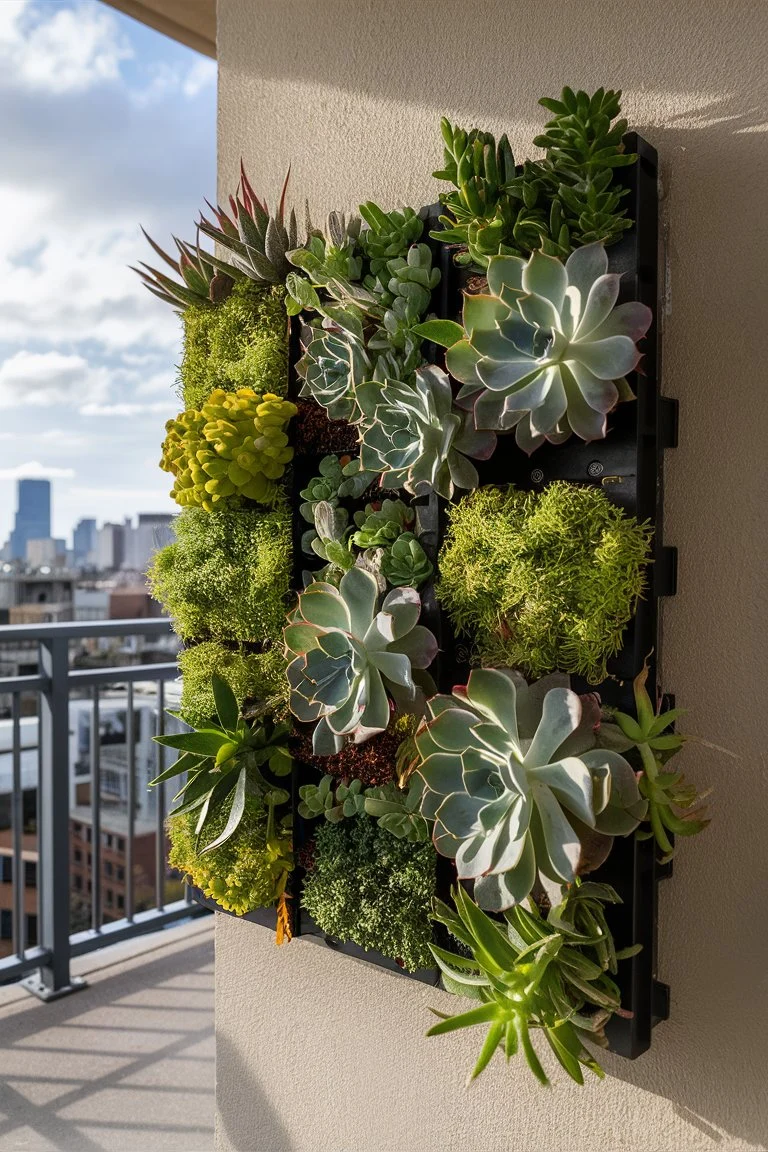
The first step in any vertical garden project is deciding how the wall will be organized. A well‑planned layout ensures even light distribution, easy watering, and visual harmony. For compact balconies, a modular grid system works wonders. Picture a series of square or rectangular pockets arranged in rows, each holding a single plant or a small mix of herbs and succulents. This creates a clean, contemporary look that aligns with modern home décor ideas.
If your balcony receives abundant sunlight, consider a staggered pattern that mimics natural foliage layers—taller plants at the back, low‑growers in front. For shaded spaces, a horizontal ladder style can maximize the limited light by spreading pots outward. The key is to keep pathways for maintenance clear and to avoid overcrowding, which can lead to pest issues and uneven growth.
Simple Balcony Plant Wall Ideas: Materials and Mounting Options
When it comes to materials, lightweight yet durable options are essential. PVC panels, recycled plastic, and treated wood pallets are popular choices that withstand moisture without adding excessive weight. For renters, removable adhesive hooks or tension rods provide a non‑permanent solution that protects the balcony railing.
Here are three mounting methods that pair well with simple balcony plant wall ideas:
- Tension‑Fit Frame: A metal or wooden frame that fits snugly between the railing and the wall, holding pocket containers in place without drilling.
- Magnetic Strips: Ideal for metal railings; attach magnetic strips to the back of pocket containers and slide them onto the railing.
- Hook‑and‑Loop System: Use Velcro strips on both the wall and the plant modules for a quick‑release installation.
Choosing the right mounting method ensures stability, especially on windy balconies, while keeping the design sleek and unobtrusive.
Choosing Plants that Thrive on Balcony Walls

Not all plants are suited for vertical living. The best candidates are those that tolerate limited soil depth, adapt to fluctuating temperatures, and require moderate watering. Herbs such as thyme, oregano, and basil are excellent for kitchen‑adjacent balconies, offering fresh flavor while staying compact. Succulents like echeveria, haworthia, and sedum bring texture and require minimal water, making them perfect for sunny, dry spots.
Ferns, pothos, and spider plants excel in shaded areas, providing lush greenery without demanding direct sun. For a pop of color, consider trailing petunias or mini marigolds, which can cascade from the bottom of the wall, adding a vibrant contrast. Mix and match foliage with varying leaf shapes and heights to create depth and visual interest, echoing the principles found in our Amish Paste Tomato vs San Marzano – Choosing the Perfect Tomato for Your Recipes guide, where diversity in plant selection enhances both flavor and aesthetics.
Watering and Maintenance Strategies

One of the biggest concerns with vertical gardens is ensuring consistent moisture without overwatering. Drip irrigation kits designed for small spaces are a game‑changer. A simple gravity‑fed system uses a reservoir at the base, feeding water through tubing to each pocket via tiny emitters. This setup can be automated with a timer, providing just enough hydration during the hottest parts of the day.
For those who prefer a low‑tech approach, a self‑watering felt liner can be placed behind the pockets. The felt absorbs excess water from a shallow tray and releases it slowly, keeping the root zone moist. Regularly prune dead leaves, remove spent blooms, and rotate the plant wall (if possible) to ensure even light exposure. A quick monthly check for pests—like aphids or spider mites—helps keep the garden thriving without resorting to harsh chemicals.
Styling Tips to Elevate Your Balcony Plant Wall
Beyond the functional aspects, styling transforms a plant wall into a statement piece. Incorporate decorative elements such as reclaimed copper pipes, woven macramé hangers, or LED strip lighting to highlight the foliage at night. Pairing the green backdrop with natural textures—think bamboo furniture, rattan chairs, or a jute rug—creates a cohesive, organic vibe.
For a modern touch, select monochromatic planters in matte black, white, or muted gray, echoing the palette discussed in Gray Wisp vs Sea Salt – Choosing the Perfect Hue for Your Home. Mixing planters of different sizes adds rhythm, while keeping the overall silhouette clean and streamlined. If you have limited wall space, consider a rotating plant shelf that doubles as storage for garden tools and small décor items.
Budget‑Friendly DIY Projects for Plant Walls
Creating a stunning balcony garden doesn’t have to break the bank. Recycle everyday items to build your own pocket system. Old wooden pallets can be sanded, stained, and fitted with landscape fabric to hold soil. Plastic soda bottles, cut in half, serve as individual planters that can be attached to a wooden board with zip ties.
Another cost‑effective idea is to use fabric pockets sewn from sturdy canvas or denim. These can be hung from a tension rod, offering flexibility to change the arrangement as seasons shift. For a touch of elegance, paint the pockets in soft pastels or bold jewel tones, matching your outdoor décor theme. Detailed instructions on creative basket décor can be found in our DIY basket décor ideas – Creative Ways to Style Every Room article.
Quick Tips for Successful Balcony Plant Walls
- Start with lightweight containers to avoid overloading balcony railings.
- Group plants with similar water and light needs to simplify care.
- Install a simple drip system for consistent moisture.
- Use reflective surfaces or light-colored walls to maximize sunlight.
- Rotate the wall or reposition pots every few weeks for even growth.
Common Mistakes and How to Avoid Them
Even experienced gardeners can stumble when designing vertical gardens. One frequent error is neglecting wind exposure; balconies are prone to gusts that can topple unstable pots. Secure all containers with sturdy brackets or use weighted bases.
Another pitfall is over‑planting. Crowded pockets restrict airflow, fostering mold and pests. Stick to the recommended spacing and prune regularly. Lastly, many forget to consider the balcony’s load‑bearing capacity. Always check the building’s guidelines and opt for lightweight materials—especially if you’re renting.
Frequently Asked Questions
Can I install a plant wall on a rented balcony?
Yes, using non‑permanent mounting solutions like tension rods, removable hooks, or magnetic strips ensures you won’t damage the property and can take the setup with you when you move.
What is the best soil mix for vertical gardens?
A lightweight, well‑draining mix such as a blend of peat moss, perlite, and coconut coir works well. It holds enough moisture for the roots while preventing waterlogging.
How often should I water a balcony plant wall?
Watering frequency depends on plant type, climate, and irrigation method. Generally, check the soil moisture every 2‑3 days; if the top inch feels dry, it’s time to water.
Do I need additional lighting for indoor‑adjacent balconies?
If natural light is limited, supplement with LED grow lights positioned a few inches above the foliage. Choose full‑spectrum bulbs to support photosynthesis without overheating.
Can I grow vegetables on a balcony plant wall?
Yes, leafy greens like lettuce, spinach, and arugula thrive in shallow containers. Pair them with herbs for a compact, kitchen‑friendly garden.
How do I protect my plant wall during winter?
Insulate the containers with burlap or frost cloth, and consider moving sensitive plants indoors. A small portable greenhouse or clear plastic cover can also shield against frost.
Bringing It All Together
Simple balcony plant wall ideas offer a flexible, affordable way to inject nature into limited outdoor spaces. By selecting the right layout, materials, and plant palette, you can create a living backdrop that reflects your personal style while providing functional benefits such as fresh herbs, improved air quality, and a calming visual escape.
Remember to start small, test watering methods, and adjust as you learn what works best for your specific balcony conditions. With a bit of creativity and the practical tips shared here, you’ll soon enjoy a vibrant, low‑maintenance garden that transforms your balcony into a green oasis.
Ready to explore more ideas? Check out our guide on small living room décor ideas – clever ways to style compact spaces for additional inspiration on maximizing small areas.