
Table of Contents
- Choosing the Right Frames for Wall Décor with Simple Photo Frames
- How to Select Frames that Enhance Your Photos
- Planning Your Layout: Grid, Salon, and Asymmetrical Arrangements
- Grid Layout for a Clean, Modern Feel
- Salon‑Style Cluster for a Curated Gallery
- Asymmetrical Layout for Dynamic Energy
- Integrating Wall Décor with Simple Photo Frames into Different Rooms
- Living Room: Combine Frames with Furniture and Plants
- Bedroom: Create a Calm Retreat
- Home Office: Inspire Productivity
- Choosing Artwork and Photographs for Maximum Impact
- Lighting Considerations for Highlighting Your Frame Display
- Quick Tips for Perfect Wall Décor with Simple Photo Frames
- Common Mistakes and How to Avoid Them
- Frequently Asked Questions
- What size frames work best for a small living room?
- Can I use the same frames in different rooms?
- How do I hang frames securely without damaging the wall?
- Should I match frames to the existing furniture?
- Is it better to use a single color scheme or multiple colors for frames?
- How often should I rotate the artwork in my frames?
Wall Décor with Simple Photo Frames: Fresh Ideas
When it comes to personalizing a living space, few tools are as versatile as a well‑chosen photo frame. Even the simplest frames can transform a bare wall into a curated gallery, a conversation starter, or a subtle backdrop for daily life. The appeal lies in their accessibility—most households already own a few frames, and the cost of adding more is modest compared to larger décor investments.
In this article we’ll explore how to turn those humble frames into a cohesive wall décor statement. Whether you’re decorating a compact apartment, a spacious family home, or a dedicated office nook, you’ll find practical ideas that blend modern aesthetics with timeless charm. From arranging frames in symmetrical grids to creating organic, salon‑style clusters, the possibilities are endless, and the results can feel both curated and effortless.
Read on to discover step‑by‑step guidance, design principles, and quick tips that will help you make the most of wall décor with simple photo frames. By the end, you’ll be equipped to craft a look that reflects your personality while enhancing the overall harmony of your interiors.
Choosing the Right Frames for Wall Décor with Simple Photo Frames
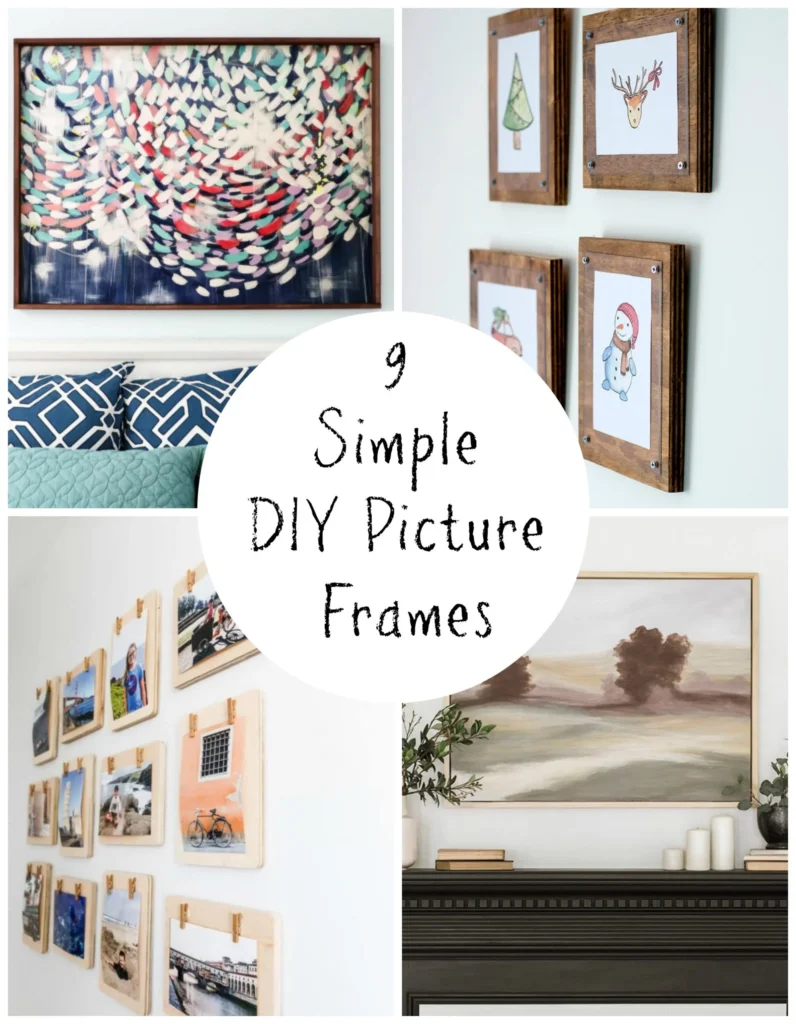
The first decision when planning wall décor with simple photo frames is the frame style itself. While the frames are “simple,” they still come in a variety of finishes—natural wood, sleek metal, matte black, or classic white. Selecting a finish that echoes other elements in the room (like furniture legs, hardware, or accent pieces) creates visual continuity.
Consider the following factors:
- Material harmony: Wooden frames complement warm tones, while metal works well in industrial or minimalist settings.
- Color palette: Stick to a limited color range (e.g., all neutrals or a mix of two accent colors) to avoid visual chaos.
- Size variety: Mixing small (4×6 in) and medium (8×10 in) frames adds rhythm without overwhelming the wall.
For a cohesive look, you might choose all frames in the same color but vary their dimensions. This approach lets the photographs or artwork become the star while the frames provide a subtle, unifying border.
How to Select Frames that Enhance Your Photos
- Match the frame thickness to the image orientation—thinner frames for portrait photos and slightly wider ones for landscapes.
- Use matte finishes for black‑and‑white photos to keep the focus on tonal contrast.
- For vibrant prints, a simple white or natural wood frame can tone down the background without competing with the colors.
Planning Your Layout: Grid, Salon, and Asymmetrical Arrangements

The arrangement you choose can dramatically affect the mood of your wall décor with simple photo frames. Below are three classic layouts, each with its own visual language.
Grid Layout for a Clean, Modern Feel
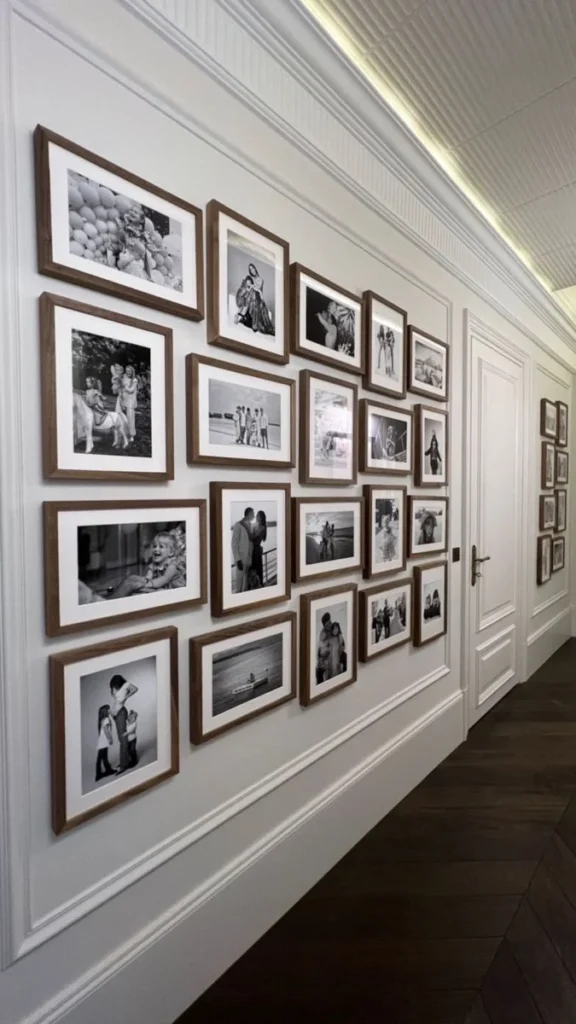
A grid offers symmetry and order, making it perfect for minimalist interiors. Choose frames of the same size and finish, then space them evenly—typically 2–3 in between each piece. This method works especially well in hallways or above a console table where a linear, tidy presentation is desired.
Salon‑Style Cluster for a Curated Gallery
Inspired by European galleries, salon‑style arrangements group frames of mixed sizes and orientations in a loose, organic shape. Start with a central anchor piece, then build outward, maintaining a roughly rectangular outline. This style works beautifully in living rooms or bedrooms, adding a lived‑in, personalized vibe.
Asymmetrical Layout for Dynamic Energy
If you prefer a more contemporary look, try an asymmetrical composition. Place larger frames on one side and balance them with a cluster of smaller frames on the opposite side. The key is to keep a visual weight equilibrium—use color, frame thickness, or subject matter to tie the pieces together.
Integrating Wall Décor with Simple Photo Frames into Different Rooms
Every room has its own functional and aesthetic needs, so adapting your frame display accordingly ensures the décor feels intentional rather than tacked on.
Living Room: Combine Frames with Furniture and Plants
In the living room, wall décor with simple photo frames can anchor a seating arrangement. Position the frames at eye level, roughly 57–60 in from the floor, and align the center of the arrangement with the sofa’s back. Pair the display with a tall plant on a side table for added height variation. For more ideas, see our guide on living room décor ideas with plants.
Bedroom: Create a Calm Retreat
In a bedroom, choose soft, soothing images—perhaps abstract art or muted photography—and frame them in light wood or pastel hues. A simple linear arrangement above the headboard can serve as a focal point without overwhelming the space. Keep the overall palette calm to promote relaxation.
Home Office: Inspire Productivity
For a home office, mix inspirational quotes, cityscapes, or personal milestones. Use a mix of portrait and landscape frames to break monotony. Position the display just above desk height so it remains in view without causing distraction. Adding a small blackboard or cork board among the frames can make the wall both decorative and functional.
Choosing Artwork and Photographs for Maximum Impact
The images you place in your frames are just as crucial as the frames themselves. Opt for high‑resolution prints or personal photos that tell a story. When selecting pieces, keep these guidelines in mind:
- Theme consistency: Choose photos that share a common theme—travel, family moments, nature, or abstract patterns—to create a narrative flow.
- Color coordination: Pull colors from the room’s palette to ensure the artwork feels integrated.
- Mix of personal and curated: Blend family snapshots with artwork from local artists or prints you love for a balanced feel.
If you need inspiration for small-scale projects, check out small wall décor ideas that can be adapted to larger rooms as well.
Lighting Considerations for Highlighting Your Frame Display
Proper lighting can turn ordinary wall décor with simple photo frames into a gallery‑worthy showcase. Here are three lighting strategies:
- Picture lights: Small, battery‑operated lights mounted above each frame add a focused glow without extensive wiring.
- Track lighting: Adjustable track lights allow you to direct illumination exactly where you need it, ideal for salon‑style clusters.
- Natural light: Position frames near windows for soft, diffused daylight, but avoid direct sunlight that could fade photographs over time.
For a more detailed discussion on lighting options, see our article on solar shades openness 3 vs 5, which explores how natural light can be managed in modern homes.
Quick Tips for Perfect Wall Décor with Simple Photo Frames
- Lay out your frames on the floor first to test spacing before committing to nail holes.
- Use painter’s tape to outline the arrangement on the wall; this helps visualize the final look.
- Start with a central anchor piece and work outward to maintain balance.
- Mix textures—combine matte and glossy finishes for subtle depth.
- Rotate the display seasonally to keep the space fresh and engaging.
Common Mistakes and How to Avoid Them
Even seasoned decorators can slip up when working with wall décor and simple photo frames. Recognizing these pitfalls early can save time and money.
- Overcrowding: Packing too many frames can create visual clutter. Stick to a clear focal point and allow breathing space.
- Inconsistent spacing: Uneven gaps break harmony. Measure and mark consistently—2–3 in between frames is a safe rule of thumb.
- Ignoring wall height: Placing frames too low makes the wall feel cramped; aim for eye level as a general guide.
- Neglecting weight: Heavy frames need proper anchors. Use wall plugs and screws suitable for your wall type (drywall, plaster, or concrete).
- Clashing styles: Mixing ultra‑modern frames with vintage décor can feel disjointed. Choose a unifying element—color, material, or finish—to tie them together.
Frequently Asked Questions
What size frames work best for a small living room?
In a compact living room, opt for a mix of 5×7 in and 8×10 in frames. Arrange them in a tight grid or a modest salon cluster to avoid overwhelming the space. Keep the total width under 60 % of the wall’s length for balanced proportions.
Can I use the same frames in different rooms?
Absolutely. Simple frames are versatile; you can re‑arrange them seasonally or when you move. Changing the artwork inside is an easy way to refresh each room’s vibe without buying new hardware.
How do I hang frames securely without damaging the wall?
Use adhesive picture hanging strips for lightweight frames (under 2 lb). For heavier pieces, install wall anchors appropriate for your wall type. A level and a stud finder will ensure straight, sturdy placement.
Should I match frames to the existing furniture?
Matching frames to furniture isn’t mandatory, but aligning finishes (e.g., metal frames with metal lamp bases) creates a cohesive look. If you prefer contrast, use a neutral frame color that complements rather than competes.
Is it better to use a single color scheme or multiple colors for frames?
Both approaches work. A single‑color scheme offers a clean, minimalist feel, while a palette of two complementary colors adds visual interest while maintaining harmony. Choose based on the room’s overall design language.
How often should I rotate the artwork in my frames?
Rotating seasonally (every 3‑4 months) keeps the display fresh. You can also change images to reflect holidays, travel memories, or new art purchases, making the wall décor a dynamic element of your home.
By thoughtfully selecting frames, curating images, and arranging them with intention, wall décor with simple photo frames can become a signature feature of any room. The process is both creative and approachable, allowing you to experiment without a massive budget. Start small, test layouts on the floor, and let your personal story unfold on the walls.