
Table of Contents
- Understanding Solar Shades Openness 3 vs 5
- Key Differences Between Solar Shades Openness 3 vs 5
- Choosing the Right Openness for Different Rooms
- Living Room – Balancing Brightness and Comfort
- Bedroom – Prioritizing Privacy and Soft Light
- Kitchen – Maximizing Daylight for Energy Savings
- Home Office – Reducing Glare While Maintaining Focus
- Design Tips for Integrating Solar Shades Openness 3 vs 5
- Match Fabric Color to Interior Palette
- Layer with Sheer Curtains for Added Softness
- Coordinate Hardware with Existing Fixtures
- Incorporate Smart Automation
- Quick Tips for Selecting Solar Shades Openness 3 vs 5
- Common Mistakes When Choosing Solar Shades Openness 3 vs 5
- Choosing Openness Based Solely on Aesthetics
- Ignoring Heat Gain Calculations
- Overlooking Compatibility with Existing Window Frames
- Neglecting Maintenance Requirements
- Frequently Asked Questions
- Putting It All Together: A Design Workflow
- Final Thoughts on Solar Shades Openness 3 vs 5
Solar Shades Openness 3 vs 5 – A Complete Guide for Modern Home Design
When it comes to controlling natural light while preserving your view, solar shades are often the first choice for designers and homeowners alike. Yet, the subtle difference between an openness rating of 3 and 5 can dramatically influence how a space feels, how much heat is blocked, and even how much privacy you retain. Understanding solar shades openness 3 vs 5 is essential for anyone who wants to strike the perfect balance between style and function.
In this article we’ll walk through the science behind openness numbers, explore how each rating performs in different rooms, and give you practical tips for selecting the right shade for your lifestyle. Whether you’re redesigning a bright living room, a cozy bedroom, or a sun‑filled kitchen, the insights below will help you make an informed decision that enhances comfort and visual appeal.
We’ll also answer common questions, point out frequent mistakes, and share quick actionable tips you can apply today. By the end of this guide, you’ll feel confident choosing the ideal openness level for your solar shades, ensuring that every ray of sunshine works for you, not against you.
Understanding Solar Shades Openness 3 vs 5
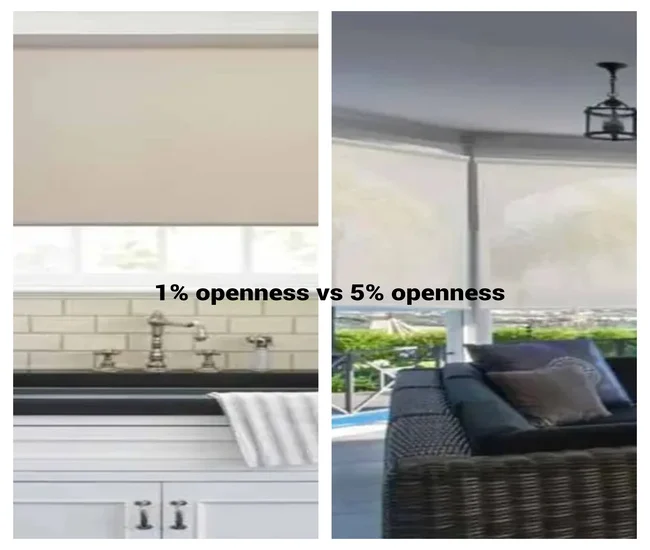
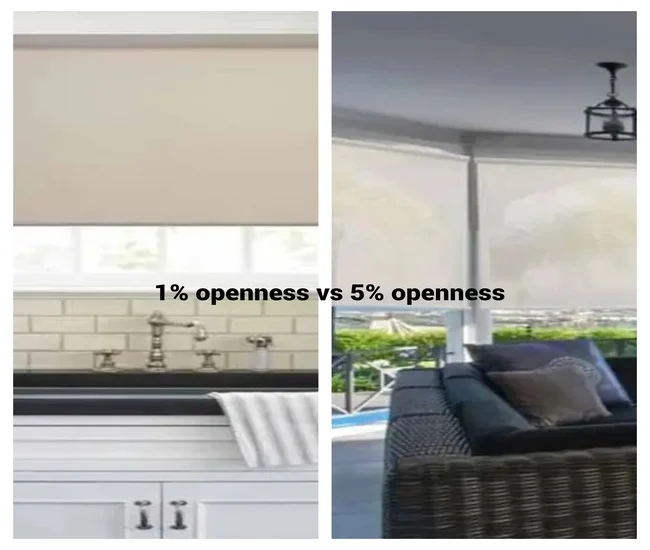
The openness factor of a solar shade refers to the percentage of open space in the fabric’s weave. An openness rating of 3 means approximately 3% of the material is open, while a rating of 5 means about 5% is open. This small numerical difference translates into noticeable changes in light transmission, UV protection, and privacy.
With solar shades openness 3 vs 5, a lower openness (3) blocks more sunlight and offers greater privacy, making it ideal for rooms that require a softer ambiance or where glare is a concern. Conversely, a higher openness (5) lets more light in, preserving the view and creating a brighter atmosphere, which works well for spaces where natural illumination is a design feature.
Key Differences Between Solar Shades Openness 3 vs 5
- Light Transmission: Openness 3 typically filters 30‑40% of visible light, while openness 5 lets in 40‑55%.
- UV Protection: Both ratings block up to 98% of UV rays, but openness 3 offers slightly better protection due to denser weave.
- Privacy Levels: Openness 3 obscures silhouettes better, making it suitable for street‑facing windows; openness 5 provides a view‑through effect, ideal for garden or patio windows.
- Heat Reduction: The tighter weave of openness 3 reduces solar heat gain more effectively than openness 5.
Choosing the Right Openness for Different Rooms
Every room in a home has a unique lighting need, and the decision between solar shades openness 3 vs 5 should be guided by the room’s purpose, orientation, and the homeowner’s lifestyle.
Living Room – Balancing Brightness and Comfort
Living rooms often serve as the social hub, and many homeowners want to preserve the view while minimizing glare on TVs and artwork. Openness 5 is a popular choice here because it allows ample daylight without sacrificing privacy when paired with a complementary interior layout. If the living room faces a busy street, consider combining openness 5 with a secondary blackout panel for evenings.
Bedroom – Prioritizing Privacy and Soft Light
In a bedroom, the goal is usually to create a calm, restful environment. Openness 3 offers the right amount of diffused light for early morning wake‑ups while keeping silhouettes hidden from neighbors. Pairing openness 3 with a light‑filtering curtain can provide extra flexibility for those who need complete darkness on weekends.
Kitchen – Maximizing Daylight for Energy Savings
Because kitchens benefit from bright, functional lighting, openness 5 works well, especially in east‑facing spaces where morning sun is welcome. The higher light transmission reduces the need for artificial lighting, contributing to lower energy bills. For chefs who prefer a cooler environment, a low‑E backing can mitigate heat without compromising the openness rating.
Home Office – Reducing Glare While Maintaining Focus
Productivity in a home office can be hampered by screen glare. Openness 3 reduces glare more effectively, creating a comfortable visual environment for prolonged computer work. If natural light is essential for mood, consider a hybrid system where openness 3 shades are paired with a narrow strip of openness 5 to maintain a view of the outdoors.
Design Tips for Integrating Solar Shades Openness 3 vs 5
Beyond technical performance, solar shades play a pivotal role in the overall aesthetic of a room. Below are design‑focused recommendations that help you incorporate solar shades openness 3 vs 5 seamlessly into modern interiors.
Match Fabric Color to Interior Palette
Neutral tones such as ivory, light gray, or muted taupe blend effortlessly with most color schemes. For a bold statement, choose a deep navy or charcoal that complements a minimalist décor. The color of the shade can either recede into the background or become a focal point, depending on the desired effect.
Layer with Sheer Curtains for Added Softness
Layering solar shades with lightweight sheer curtains creates depth and allows you to adjust privacy levels throughout the day. For openness 5, a sheer layer adds a gentle diffusion that softens intense sunlight, while for openness 3, the sheer can introduce a subtle texture without compromising privacy.
Coordinate Hardware with Existing Fixtures
Choose cordless or motorized lift systems that match the sleek lines of modern hardware. Brushed nickel or matte black brackets pair well with contemporary furniture and can be hidden within the window frame for a clean look.
Incorporate Smart Automation
Integrating solar shades with smart home platforms enables timed adjustments based on sunrise, sunset, or temperature. This is especially useful for openness 5 shades in sun‑intensive rooms, ensuring that heat gain is controlled without manual intervention.
For more design inspiration, explore our article on modern interior décor ideas to see how solar shades can complement a variety of styles.
Quick Tips for Selecting Solar Shades Openness 3 vs 5
- Measure windows precisely; even a half‑inch miscalculation can affect the shade’s performance.
- Consider the direction your windows face; east‑ and west‑facing windows benefit from higher openness for morning/evening light.
- Combine openness 5 with low‑E backing in hot climates to reduce heat while retaining view.
- Use motorized controls for large windows to enhance convenience and energy efficiency.
- Test sample fabric swatches at home before committing to a full order.
Common Mistakes When Choosing Solar Shades Openness 3 vs 5
Even seasoned decorators can fall into traps that diminish the effectiveness of solar shades. Recognizing these pitfalls helps you avoid costly revisions.
Choosing Openness Based Solely on Aesthetics
While a sheer, high‑openness shade may look appealing, it might not provide enough glare reduction for a home office. Align the openness rating with functional needs first, then refine aesthetics.
Ignoring Heat Gain Calculations
In hot regions, opting for openness 5 without considering solar heat gain can lead to uncomfortable indoor temperatures and higher cooling costs. Pair higher openness with reflective backing or external shading devices.
Overlooking Compatibility with Existing Window Frames
Some shades require a minimum rebate depth. Installing a shade that’s too thick can cause binding, especially on older windows. Verify frame dimensions before purchasing.
Neglecting Maintenance Requirements
Dust and pollen can accumulate on the weave, reducing light transmission over time. Choose fabrics that are easy to clean and schedule regular vacuuming with a soft brush attachment.
Frequently Asked Questions
What is the practical difference between openness 3 and openness 5?
Openness 3 filters more light, offering greater privacy and better heat reduction, while openness 5 allows more daylight and a clearer view, making it suitable for spaces where brightness is a priority.
Can I use solar shades openness 5 on a street‑facing window?
Yes, but you may need an additional privacy layer such as a sheer curtain or a secondary blackout panel to prevent silhouettes from being visible at night.
Do solar shades affect energy efficiency?
Both openness levels block up to 98% of UV rays, which helps protect furnishings. Openness 3 generally offers better insulation against heat, reducing cooling loads, whereas openness 5 can still provide energy savings by reducing the need for artificial lighting.
Are motorized solar shades compatible with all openness ratings?
Motorized mechanisms work with both openness 3 and openness 5. Ensure the chosen motor is rated for the weight of the specific shade fabric.
How do I clean solar shades with different openness levels?
Use a soft brush or a low‑suction vacuum to remove dust. For deeper cleaning, a gentle mist of water with a mild detergent can be applied, then wiped with a soft cloth. Avoid harsh chemicals that could damage the weave.
Putting It All Together: A Design Workflow
Integrating the right solar shade into a room is a multi‑step process that blends technical assessment with creative vision. Follow this workflow to streamline your decision‑making:
- Assess Light Needs: Determine the amount of natural light each room receives throughout the day.
- Identify Privacy Priorities: Decide whether daytime privacy or nighttime silhouette concealment is more important.
- Select Openness Rating: Choose openness 3 for higher privacy and heat control; opt for openness 5 when maximizing daylight.
- Choose Fabric Color & Texture: Match the shade to your interior palette and desired tactile feel.
- Plan Layering & Automation: Add sheer curtains or motorized controls as needed for flexibility.
- Order Samples & Test: Install sample patches to evaluate light diffusion and privacy in situ.
- Finalize Installation: Ensure proper measurements, hardware compatibility, and professional mounting if required.
For a holistic approach to styling, read our guide on elegant living room décor ideas, which demonstrates how solar shades can be paired with furniture and accent pieces for a cohesive look.
Another great resource is the article on simple bedroom décor ideas, where you’ll see practical examples of openness 3 shades creating a serene sleeping environment.
Final Thoughts on Solar Shades Openness 3 vs 5
Choosing between solar shades openness 3 and openness 5 is not merely a technical decision; it’s an opportunity to shape the mood, energy performance, and visual narrative of your home. By evaluating each room’s functional demands, considering climate factors, and aligning the shade’s aesthetic with your overall décor, you can harness natural light as a design asset rather than a challenge.
Remember that the right openness level enhances comfort, protects furnishings, and supports sustainable living—all while reinforcing the modern, stylish vibe you aim to achieve. As you move forward, experiment with layering, automation, and thoughtful color choices to create an environment that feels both welcoming and intelligently designed.