
Table of Contents
- Understanding the Basics of Kitchen Cabinet Painting vs Refacing
- Cost Comparison: Budgeting for Kitchen Cabinet Painting vs Refacing
- Durability and Longevity: Which Option Stands the Test of Time?
- Design Flexibility: Style Possibilities with Painting and Refacing
- Key Design Tips When Choosing Kitchen Cabinet Painting vs Refacing
- Timeframe and Project Management: What to Expect
- Environmental Impact: Sustainability Considerations
- Quick Tips for a Successful Kitchen Cabinet Painting vs Refacing Project
- Common Mistakes to Avoid When Deciding Between Painting and Refacing
- Frequently Asked Questions
- Making the Final Decision: Painting or Refacing?
Kitchen Cabinet Painting vs Refacing: The Complete Guide for Modern Homes
When it comes to updating a kitchen, the cabinets often become the centerpiece of any renovation budget. Homeowners face a pivotal decision: should they refresh their existing doors with a fresh coat of paint, or opt for a full refacing that replaces doors, drawer fronts, and hardware while keeping the original cabinet boxes? Both approaches promise a dramatic visual shift, but they differ dramatically in cost, labor, durability, and overall impact on the space. Understanding the nuances of kitchen cabinet painting vs refacing helps you choose the route that aligns with your style goals, timeline, and wallet. In this guide we’ll explore the practical, aesthetic, and financial considerations of each method, share expert tips, and answer common questions so you can move forward with confidence.
Whether you’re a DIY enthusiast eager to roll up your sleeves, a renter looking for a reversible upgrade, or a homeowner planning a full‑scale remodel, the choice between painting and refacing can set the tone for the rest of your design journey. Below we break down each option step by step, compare key factors, and provide actionable advice to ensure your kitchen looks polished and feels functional for years to come.
Understanding the Basics of Kitchen Cabinet Painting vs Refacing
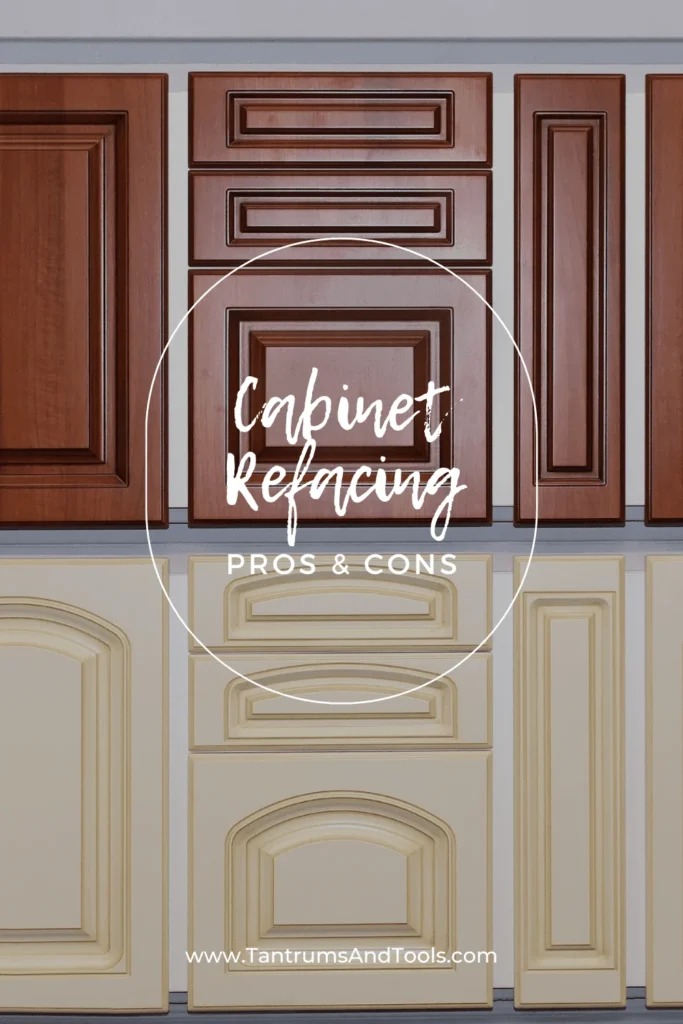
The first step in any renovation is to grasp what each process actually entails. Kitchen cabinet painting involves cleaning, sanding, priming, and applying one or more coats of paint to the existing cabinet doors, drawer fronts, and sometimes the interior surfaces. The result is a uniform, often modern look that can be achieved with a relatively low material cost and a moderate amount of labor.
Refacing, on the other hand, keeps the original cabinet boxes (the structural framework) but replaces the exterior components—doors, drawer fronts, and hardware—with new veneer, laminate, or solid‑wood panels. This method provides a brand‑new look without the expense of brand‑new cabinets, and it typically adds a fresh layer of durability to the surfaces that get the most wear.
Both kitchen cabinet painting vs refacing can dramatically transform a space, but they differ in preparation requirements, timeline, and long‑term performance. Knowing these differences early on helps you set realistic expectations and avoid costly surprises down the line.
Cost Comparison: Budgeting for Kitchen Cabinet Painting vs Refacing

Budget is often the decisive factor. On average, painting cabinets can cost between $1,500 and $4,000 for a standard 12‑cabinet kitchen when hiring professionals, while a DIY project can bring that number down to $300‑$800 for materials only. Refacing typically ranges from $4,500 to $9,500, depending on material choices and labor rates. The higher price reflects the cost of new door fronts, hardware, and the skilled labor required to remove, fit, and reinstall each component.
Here’s a quick breakdown of typical expense categories:
- Materials: Paint, primer, sandpaper, and brushes vs veneer, laminate, new hinges, and handles.
- Labor: Roughly 30‑40 hours for painting versus 50‑70 hours for refacing.
- Additional Costs: Removal of old hardware, potential repairs to cabinet boxes, and disposal fees.
If you’re on a tight budget, kitchen cabinet painting vs refacing offers a clear cost advantage for the painted route. However, if you desire a high‑end look with new hardware and a more durable surface, refacing may justify the investment.
Durability and Longevity: Which Option Stands the Test of Time?
Durability hinges on the quality of materials and the skill of the installer. A well‑executed paint job with high‑quality, kitchen‑grade enamel can resist everyday wear, moisture, and heat for 7‑10 years before showing signs of chipping or fading. Refaced cabinets, especially those using solid wood or high‑pressure laminate, often last 10‑15 years or longer, as the new surfaces are engineered to withstand daily use.
One important consideration is the condition of the underlying cabinet boxes. If the boxes have water damage, warped frames, or structural issues, refacing may simply cover a problem that will resurface later. In such cases, painting can be a more honest approach—highlighting the need for repairs before any cosmetic work.
Both approaches benefit from proper maintenance. Gentle cleaning with non‑abrasive cleaners and avoiding harsh chemicals will prolong the life of painted surfaces, while regular dusting and occasional tightening of hardware keep refaced cabinets looking fresh.
Design Flexibility: Style Possibilities with Painting and Refacing
When it comes to design, kitchen cabinet painting vs refacing each offers unique advantages. Paint provides a limitless color palette, from bold navy blues to soft pastel greys, and can be paired with matte, satin, or gloss finishes. This flexibility makes it ideal for contemporary kitchens that crave a statement hue or for renters who want to personalize a space without permanent alterations.
Refacing, while more limited in color range due to available veneer and laminate options, excels in texture and material authenticity. You can achieve a natural wood grain, a sleek high‑gloss finish, or even a matte matte surface that mimics hand‑painted cabinetry. Additionally, refacing allows you to change the style of the doors entirely—shaker, slab, or glass inserts—without replacing the entire cabinet structure.
For those seeking a cohesive look throughout the home, consider how your kitchen cabinets will interact with other design elements. Pairing a painted navy cabinet with brass hardware can echo the palette in a modern interior décor ideas guide, while a refaced white shaker cabinet pairs naturally with a cohesive home design approach.
Key Design Tips When Choosing Kitchen Cabinet Painting vs Refacing
- Match hardware finishes to existing fixtures for a seamless look.
- Consider the overall color temperature of your kitchen—cool blues work well with stainless steel, while warm earth tones complement wood accents.
- Use high‑gloss paint to reflect light in darker kitchens; matte finishes create a softer feel in bright spaces.
Timeframe and Project Management: What to Expect
Time is money, especially in a high‑traffic area like the kitchen. Painting cabinets typically requires 3‑5 days for professional crews: one day for removal and prep, one to two days for priming and painting, and a final day for reinstallation and touch‑ups. DIY enthusiasts may stretch this timeline to a week or more, depending on experience.
Refacing is a lengthier process, generally spanning 7‑10 days for a professional team. The steps include removal of doors and hardware, box inspection, application of new veneer or laminate, fitting of new doors, and final hardware installation. The additional time reflects the precision required to align new door fronts perfectly with existing frames.
If you need a quick refresh—perhaps to prepare a home for sale or to minimize disruption during a busy season—kitchen cabinet painting vs refacing leans toward painting as the faster, less invasive choice.
Environmental Impact: Sustainability Considerations
Eco‑conscious homeowners often weigh the environmental footprint of each option. Painting uses chemicals and solvents that can emit volatile organic compounds (VOCs) if low‑VOC paints are not selected. However, many manufacturers now offer water‑based, low‑VOC paints that reduce indoor air pollution and are safer for the environment.
Refacing typically involves less waste than a full cabinet replacement, as the existing boxes are retained. Yet, the veneer or laminate materials may contain adhesives and resins that are not biodegradable. Choosing products with recycled content or certified low‑emission adhesives can mitigate impact.
Both approaches can be made more sustainable by sourcing locally, recycling old materials when possible, and selecting finishes that are durable enough to extend the life of your cabinets.
Quick Tips for a Successful Kitchen Cabinet Painting vs Refacing Project
- Test paint color on a small section before committing to the whole cabinet.
- Use a high‑quality primer to improve adhesion and reduce the number of paint coats needed.
- When refacing, measure each cabinet opening precisely to avoid gaps or misalignment.
- Plan for proper ventilation during painting to ensure a smooth finish and reduce fumes.
- Invest in new hardware that matches your chosen finish; it can transform the look instantly.
Common Mistakes to Avoid When Deciding Between Painting and Refacing
Even seasoned renovators can stumble over a few pitfalls:
- Skipping Surface Preparation: Skipping sanding or not repairing dents leads to a rough finish that peels quickly.
- Choosing Low‑Quality Materials: Cheap paint or veneer may look good initially but will deteriorate faster, increasing long‑term costs.
- Ignoring Cabinet Box Condition: Refacing over warped or water‑damaged boxes results in uneven doors and premature failure.
- Underestimating Labor Time: Rushing a paint job can cause brush marks; a rushed refacing can lead to misaligned doors.
- Not Matching Existing Design Elements: New cabinets should complement countertops, backsplashes, and flooring to maintain harmony.
Frequently Asked Questions
Is it possible to paint cabinets without removing them?
Yes, you can paint in place, but removal allows for a smoother finish and easier access to hardware. Professional painters often recommend removal for the best results.
Can I refinish my cabinets after a refacing project?
Refaced cabinets typically have a veneer or laminate surface that cannot be sanded like solid wood. If you want a new look later, you’ll likely need to refinish or replace the veneer.
Which option adds more resale value?
Both improve resale value, but refacing generally yields a higher return because it mimics the look of brand‑new cabinets without the full price tag. However, a well‑executed paint job can also impress buyers, especially if it matches current design trends.
Do I need to replace the interior of the cabinets?
For painting, interior surfaces can be left as is, though a fresh coat of paint can improve aesthetics. Refacing usually leaves interior boxes untouched, but you can add a fresh liner for a cleaner look.
How long will the finished cabinets last?
A high‑quality paint job can last 7‑10 years with proper care; refaced cabinets often last 10‑15 years, depending on material choice and usage.
Is DIY painting cheaper than hiring a pro?
DIY reduces labor costs significantly, but you must factor in time, tools, and potential mistakes. Professionals provide a consistent finish and warranty, which may be worth the extra expense.
Making the Final Decision: Painting or Refacing?
Choosing between kitchen cabinet painting vs refacing ultimately comes down to three core questions: What is your budget? How much time can you allocate? And what level of durability and design precision do you need? If you crave a bold color change, have a modest budget, and can spare a few days, painting offers a flexible, cost‑effective solution. If you prefer a brand‑new look with upgraded hardware, want a longer‑lasting surface, and are comfortable with a higher price point, refacing delivers a near‑new cabinet experience without a full replacement.
Regardless of the route you select, planning ahead, using quality materials, and following proven techniques will ensure that your kitchen feels refreshed, functional, and aligned with the overall aesthetic of your home. For more ideas on how your kitchen can complement other spaces, check out our article on different styles of home decor and explore how a cohesive color palette can tie together living, dining, and cooking areas.
Remember, the kitchen is often the heart of the home. Investing time and thought into the right cabinet renovation method will pay off in daily enjoyment and long‑term value.
Ready to start? Gather your inspiration, set a realistic budget, and choose the method—painting or refacing—that best fits your vision. Your refreshed kitchen awaits.