
Table of Contents
- Understanding ceramic window tint vs standard options
- ceramic window tint vs standard: what the tech says
- Performance and heat rejection
- Durability and longevity
- Aesthetic considerations
- Cost and value
- Quick Home Décor Tips for Window Films
- Common Mistakes to Avoid When Choosing Tint
- Frequently Asked Questions
- Does ceramic window tint affect the view from inside?
- Can I install window tint myself?
- How does ceramic tint compare to low‑emissivity (Low‑E) glass?
- Will the tint reduce my home’s resale value?
- Is ceramic tint safe for children and pets?
- Can I combine ceramic tint with other window treatments?
Ceramic Window Tint vs Standard: Which Is Right for Modern Homes?
When it comes to improving comfort, energy efficiency, and style in a house, the choice of window film often goes unnoticed. Yet the right tint can dramatically influence indoor temperature, glare, and even the overall aesthetic of a room. Homeowners, renters, and interior‑design enthusiasts alike are faced with a pivotal decision: ceramic window tint vs standard film. Understanding the nuances of each option empowers you to make an informed choice that aligns with your design goals and budget.
This article breaks down the science, performance, and design implications of ceramic versus standard tints. We’ll walk through heat rejection capabilities, durability, visual appeal, and cost considerations, offering practical tips you can apply whether you’re updating a single living‑room window or outfitting an entire modern home. By the end, you’ll know exactly which solution fits your lifestyle and design vision.
Understanding ceramic window tint vs standard options
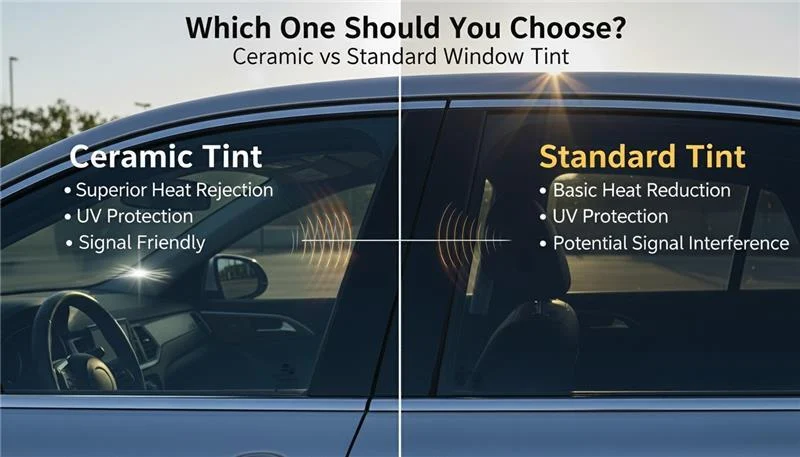
The first step in evaluating ceramic window tint vs standard film is to grasp the underlying technology. Standard tints are typically made from dyed polyester or metalized layers. The dye absorbs sunlight, converting it to heat, while metalized films reflect infrared light using a thin metallic coating. Both methods achieve a degree of solar control but come with trade‑offs in durability and signal interference.
Ceramic tint, on the other hand, utilizes nano‑ceramic particles embedded within a high‑performance polymer. These particles are non‑metallic and non‑conductive, allowing them to block up to 70% of infrared radiation without sacrificing visibility or affecting radio frequencies. Because the particles are inert, ceramic films are also resistant to discoloration and fading over time.
In short, while standard tints can be a budget‑friendly entry point, ceramic offers superior heat rejection, longevity, and a clearer view—qualities that become increasingly important in modern, open‑plan homes where large windows dominate the space.
ceramic window tint vs standard: what the tech says
Technical specifications often reveal the stark differences between the two. A typical standard dyed film might block 30‑40% of UV rays and 20‑30% of infrared. Metalized options improve infrared rejection to 50% but may cause signal interference with Wi‑Fi, GPS, or cell phones. Ceramic films consistently achieve 40‑60% UV blockage and 65‑70% infrared reduction, all while maintaining a signal‑transparent profile.
For homeowners who rely on smart home devices, the signal‑transparent nature of ceramic tint is a decisive advantage. It ensures that your thermostat, security cameras, and entertainment systems continue to operate without interruption—something that can be compromised with metalized standard films.
Performance and heat rejection
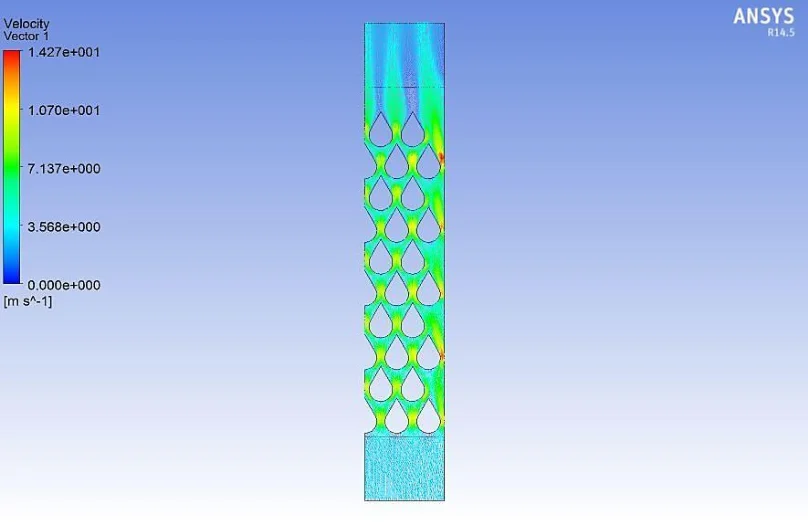
Heat management is perhaps the most compelling reason many choose ceramic window tint vs standard. In hot climates, the solar gain through unfiltered glass can raise indoor temperatures by up to 15°F (8°C). A well‑installed ceramic film reduces this gain dramatically, leading to lower air‑conditioning loads and noticeable energy savings.
Standard tints do provide some cooling benefits, but their reliance on dye absorption means that the film itself heats up, potentially transferring warmth back into the room. Moreover, metalized standard films reflect heat outward, which can be effective on the exterior but may cause a glare effect on interior surfaces.
Consider a living room with floor‑to‑ceiling windows that faces west. Installing ceramic tint can keep the space comfortable well into the evening, while a standard film might still let in enough heat to require a late‑night fan. Over a year, the energy savings from reduced cooling can offset the higher upfront cost of ceramic.
Durability and longevity
When comparing ceramic window tint vs standard, durability is a key factor that influences long‑term value. Standard dyed films are prone to fading, especially in areas with intense sunlight. After a few years, the coloration can turn a pinkish hue, diminishing both appearance and performance.
Metalized standard films are more resistant to fading but can suffer from scratches and may peel at the edges if not properly installed. Because the metallic layer is delicate, any mishandling during cleaning can compromise the film’s integrity.
Ceramic tint shines in this arena. The nano‑ceramic particles are chemically stable and do not degrade under UV exposure. As a result, the film retains its original appearance and performance for 10‑15 years, often outlasting the warranty periods of standard alternatives. This longevity translates into fewer replacement cycles and lower total cost of ownership.
Aesthetic considerations
Beyond performance, the visual impact of ceramic window tint vs standard can affect the overall look of a room. Standard dyed films often have a darker, more uniform tint that can make interiors feel cozier but may also reduce natural daylight, creating a more subdued ambience.
Metalized standard films can introduce a subtle reflective sheen on the glass surface, which some homeowners find appealing for a modern, high‑tech vibe. However, this reflectivity can also cause unwanted glare and diminish the view of outdoor scenery.
Ceramic tint offers a balanced aesthetic: it provides a near‑invisible appearance from the interior while delivering a slight, elegant darkening from the exterior. This subtlety preserves clear sightlines, allowing you to showcase a beautifully staged living room or a kitchen with sleek countertops without the film becoming a visual distraction.
For design inspiration on how to integrate window treatments with your décor, see our guide on soft neutral living room décor inspiration. The right window film can complement a calm, contemporary palette, enhancing the overall harmony of the space.
Cost and value
Initial expense often drives the debate between ceramic window tint vs standard. Standard films are generally cheaper, ranging from $2 to $5 per square foot, while ceramic films can cost $8 to $12 per square foot, depending on brand and performance level.
However, evaluating cost solely on purchase price overlooks the broader financial picture. Ceramic’s superior heat rejection can reduce cooling bills by 10‑30%, depending on climate and home orientation. Over a 10‑year period, those savings can offset the higher upfront investment.
Moreover, the extended lifespan of ceramic tint means fewer replacements. If a standard film requires replacement after 5 years, the cumulative expense—including labor—may surpass the one‑time cost of a ceramic installation.
When budgeting, consider the value of comfort, energy efficiency, and aesthetic consistency. For many modern homes with large glass facades, the long‑term return on ceramic tint justifies the higher initial price.
Quick Home Décor Tips for Window Films
- Pair ceramic tint with sheer curtains to soften light while maintaining privacy.
- Use decorative window grills or frosted accents to add visual interest without compromising heat rejection.
- Choose a film shade that complements your interior color palette; lighter tints work well with neutral tones.
Common Mistakes to Avoid When Choosing Tint
- Focusing solely on price. Opting for the cheapest standard film may lead to higher energy bills and earlier replacement.
- Ignoring warranty details. Some standard films offer limited coverage that doesn’t include fading or bubbling.
- Overlooking signal interference. Metalized standard films can disrupt Wi‑Fi, affecting smart home functionality.
- Skipping professional installation. Improper installation can cause bubbles, peeling, or reduced performance for both ceramic and standard options.
Frequently Asked Questions
Does ceramic window tint affect the view from inside?
No. Ceramic tint is designed to be virtually invisible from the interior, preserving clear sightlines while reducing heat and UV transmission.
Can I install window tint myself?
While DIY kits exist, professional installation ensures a bubble‑free finish and proper alignment, especially for larger windows. Incorrect installation can void warranties for both ceramic and standard films.
How does ceramic tint compare to low‑emissivity (Low‑E) glass?
Low‑E glass is integrated into the window pane and offers excellent thermal performance but is more expensive to replace. Ceramic tint provides a cost‑effective retrofit solution with comparable heat rejection for many residential applications.
Will the tint reduce my home’s resale value?
High‑quality ceramic tint can actually enhance resale value by improving energy efficiency and comfort. Standard tint may be viewed as a temporary fix, but a well‑installed ceramic film is often seen as an upgrade.
Is ceramic tint safe for children and pets?
Both ceramic and standard films are made from stable polymers that are safe for household use. However, ceramic tint’s resistance to scratching makes it a more durable choice in homes with active children or pets.
Can I combine ceramic tint with other window treatments?
Absolutely. Ceramic film works well with blinds, curtains, or shades, allowing you to layer light control and privacy without sacrificing the film’s performance.
Choosing between ceramic window tint vs standard ultimately depends on your priorities—whether you value immediate cost savings, long‑term energy efficiency, or a seamless aesthetic. By weighing performance, durability, visual impact, and overall value, you can select the solution that best fits your modern home’s design language.
Ready to transform your space? Explore our article on A New View Home Decor for fresh ideas on integrating window treatments with contemporary interior design. For a deeper dive into sustainable home upgrades, check out the guide on white laminated glass vs frosted glass. And if you’re curious about how to blend textures across rooms, our piece on kitchen décor with woven placemats offers practical flair.
By making an informed choice today, you’ll enjoy a cooler, more comfortable, and beautifully styled home for years to come.