
Table of Contents
- Choosing the Right Wooden Shelf Style for Your Workspace Décor
- Optimizing Layout: Placement Strategies for Maximum Functionality
- Workspace Décor with Wooden Shelves: Balancing Aesthetics and Practicality
- Styling Tips: Adding Personality Without Clutter
- Choosing Finishes and Colors That Complement Your Workspace
- Practical Considerations: Load Capacity, Installation, and Maintenance
- Quick Tips for Using Wooden Shelves in Your Workspace Décor
- Common Mistakes and How to Avoid Them
- Frequently Asked Questions
Workspace Décor with Wooden Shelves: Stylish & Practical Ideas
Creating a workspace that feels both inspiring and organized is a goal for many homeowners and remote‑workers. Wooden shelves have become a go‑to solution because they blend natural warmth with functional storage. Whether you’re setting up a home office in a cramped apartment or redesigning a dedicated studio, the right shelves can dramatically influence the look and efficiency of your environment.
In this guide we’ll explore how to integrate wooden shelves into any workspace décor, from choosing the right finish to arranging accessories that boost productivity. You’ll walk away with actionable ideas that suit modern aesthetics while keeping the space tidy and inviting.
From minimalist floating units to robust ladder shelves, the possibilities are endless. Let’s dive into the details that make workspace décor with wooden shelves a timeless choice for contemporary interiors.
Choosing the Right Wooden Shelf Style for Your Workspace Décor
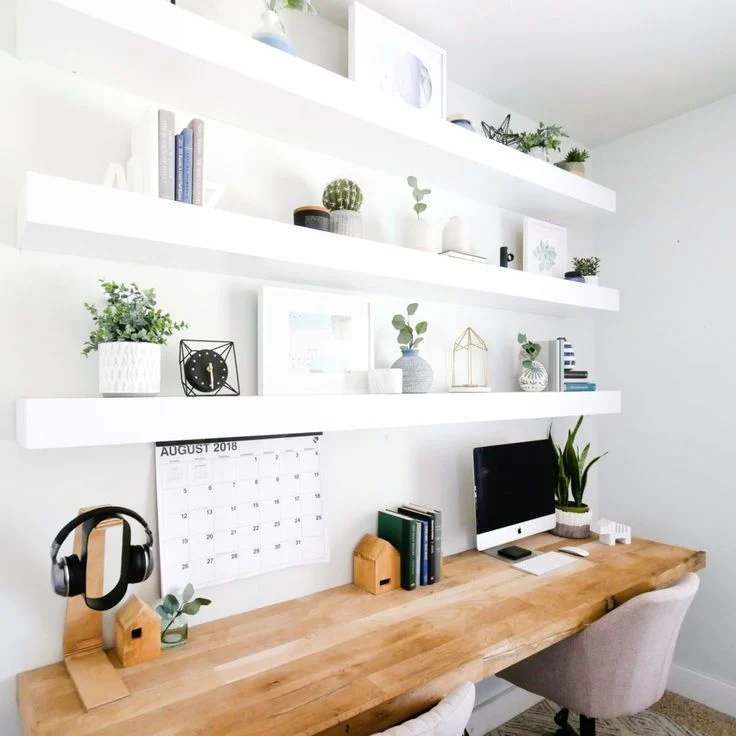
The first step is selecting a shelf style that complements the overall vibe of your room. If you prefer a clean, contemporary feel, go for sleek floating shelves in light oak or maple. For a cozier, rustic ambiance, reclaimed pine or walnut with visible grain works beautifully. Consider the height of your ceiling and the amount of wall space you have; tall ladder shelves can fill vertical space without overwhelming the floor area.
When planning, think about how the shelves will interact with existing furniture. A good rule of thumb is to keep the shelf depth under 12 inches for books and accessories, allowing enough room to move around your desk comfortably. Pairing the wood tone with metal brackets or hardware can add a modern industrial touch, balancing warmth with edge.
Optimizing Layout: Placement Strategies for Maximum Functionality
Effective placement turns wooden shelves from decorative objects into productivity tools. Position shelves at eye level for items you use frequently—think notebooks, planners, or a favorite mug. For items you reference less often, such as archived files or decorative pieces, place them on higher or lower tiers.
In open‑plan spaces, use shelving as a subtle room divider. A low, sturdy wooden unit can separate a work zone from a lounge area without blocking natural light. If you’re working in a small apartment, consider corner shelves that make use of otherwise wasted space, turning every nook into usable storage.
Workspace Décor with Wooden Shelves: Balancing Aesthetics and Practicality
Balancing looks and function is where the magic happens. Choose a mix of open shelves and enclosed cabinets to hide clutter while displaying items that reflect your personality. For example, a few well‑chosen art pieces or a small potted plant can soften the wood’s solid presence. Use shelf liners to protect the surface and add a subtle pop of color that ties into your overall colour scheme.
Styling Tips: Adding Personality Without Clutter
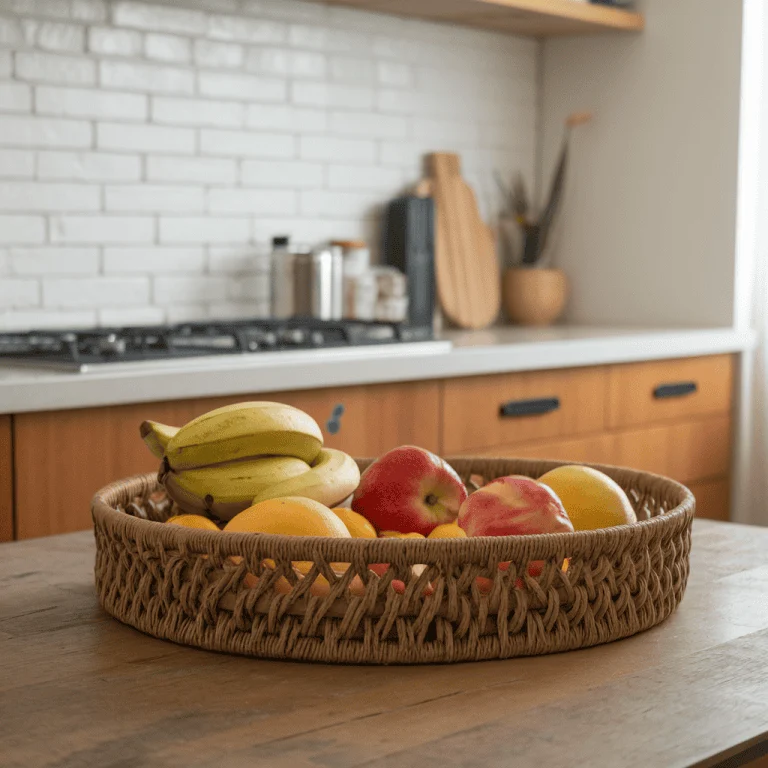
Styling your shelves is an art of restraint. Start with three categories: work essentials, decorative accents, and green touches. Arrange books vertically for a tidy look, then place a few horizontal stacks to break the monotony. Insert small trays or baskets—preferably in neutral tones—to corral loose items like pens or chargers.
Introduce texture by mixing materials: a woven basket, a metal desk lamp, and a ceramic vase can coexist harmoniously on wooden shelves. If you love photography, a DIY photo wall can be mirrored on a shelf with framed prints, creating a visual continuity between walls and storage.
Choosing Finishes and Colors That Complement Your Workspace
The finish of your wooden shelves plays a pivotal role in unifying the room’s palette. A matte natural oil finish showcases grain and adds a tactile feel, while a high‑gloss lacquer offers a sleek, modern edge. If your workspace already features bold colours—like a teal accent wall—opt for a lighter wood to keep the space airy. Conversely, dark walnut shelves can anchor a room with neutral walls, adding depth and sophistication.
Don’t shy away from painted wood if you want a pop of colour. A soft gray or muted sage can serve as a backdrop for vibrant accessories, making the overall décor feel curated rather than chaotic.
Practical Considerations: Load Capacity, Installation, and Maintenance
Before you mount any wooden shelf, check its load rating. Standard floating shelves typically hold up to 20‑30 pounds per bracket; heavier books or equipment may require sturdier wall anchors or a wall‑stud mounting system. If you’re renting, consider removable mounting solutions that won’t damage the wall.
Maintenance is straightforward—regular dusting with a microfiber cloth keeps wood looking fresh. For spills, wipe immediately with a damp cloth and avoid harsh chemicals that can strip the finish. Applying a protective wax or oil once a year can extend the life of the wood and preserve its natural glow.
Quick Tips for Using Wooden Shelves in Your Workspace Décor
- Measure wall space twice before buying; a misfit shelf can disrupt flow.
- Combine open shelving with closed cabinets to hide clutter.
- Use uniform container sizes for a clean, cohesive look.
- Incorporate a small task lamp on the shelf for focused lighting.
- Rotate decorative items seasonally to keep the space fresh.
Common Mistakes and How to Avoid Them
One frequent error is over‑loading shelves, which can cause warping or even safety hazards. Stick to the manufacturer’s weight limit and distribute weight evenly across brackets. Another mistake is neglecting the visual balance; placing all heavy items on one side creates a lopsided feel. Aim for symmetry or intentional asymmetry by balancing visual weight with smaller decorative pieces.
Lastly, avoid clashing finishes. If your desk is a glossy metal, choose a wood finish that either contrasts gently (e.g., matte oak) or matches the tone (e.g., a brushed metal bracket). Consistency in material language helps the space feel intentional.
Frequently Asked Questions
Can I install wooden shelves on drywall without studs?
Yes, by using heavy‑duty toggle bolts or anchor systems designed for drywall. However, for heavier loads, locating a stud is the safest option.
What height is ideal for a bookshelf in a home office?
Position the top of the shelf at eye level (about 57–60 inches from the floor) for easy access. If you have a standing desk, consider a slightly higher placement.
How do I keep my wooden shelves looking new?
Regular dusting, prompt cleaning of spills, and an annual application of a suitable wood polish or oil will preserve the finish and prevent drying or cracking.
Are there eco‑friendly wood options?
Bamboo, reclaimed wood, and FSC‑certified hardwoods are sustainable choices that also add unique character to your workspace décor.
Can I mix different wood tones on the same wall?
Mixing tones works when there’s a unifying element—such as identical hardware or a consistent colour palette for accessories—ensuring the varied woods feel part of a cohesive design.
Integrating wooden shelves into your workspace décor offers a blend of practicality and aesthetic appeal that’s hard to beat. By selecting the right style, arranging items thoughtfully, and maintaining the wood responsibly, you’ll create a workspace that feels both professional and inviting. Ready to elevate your home office? Explore more ideas on workspace décor with linen accessories and discover how texture and colour can further enhance your environment.