
Table of Contents
- Shelf Liner vs Contact Paper: Making the Right Choice for Your Shelves
- Understanding Material Differences and Their Impact
- Shelf Liner vs Contact Paper Making the Right Choice for Your Shelves – Key Factors
- Installation Techniques for a Flawless Finish
- Design Ideas: From Subtle to Statement
- Budget Considerations and Value Assessment
- Common Mistakes and How to Avoid Them
- Quick Tips for a Seamless Project
- Frequently Asked Questions
- Conclusion
Shelf Liner vs Contact Paper – Making the Right Choice for Your Shelves
When it comes to protecting and beautifying the flat surfaces in our homes, two products dominate the market: shelf liner and contact paper. Both promise a quick, affordable facelift, yet they differ in material composition, installation method, and long‑term performance. Whether you are organizing a pantry, updating a bathroom vanity, or adding a pop of pattern to a living‑room bookshelf, understanding the nuances between these options helps you avoid costly mistakes and ensures your shelves stay functional and attractive for years to come.
In this comprehensive guide we’ll break down the key characteristics of shelf liner and contact paper, walk through practical installation tips, and explore design possibilities that suit various rooms and lifestyles. By the end of the article you’ll be equipped to make an informed decision—shelf liner vs contact paper making the right choice for your shelves will no longer feel like a guesswork exercise, but a confident step toward a polished home.
Shelf Liner vs Contact Paper: Making the Right Choice for Your Shelves
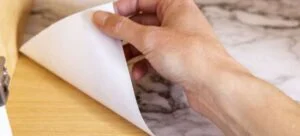
The most immediate difference between shelf liner and contact paper lies in their intended use. Shelf liner is traditionally a thick, padded material designed to protect surfaces from scratches, spills, and wear. It often comes in foam‑backed varieties that cushion delicate items such as glassware or ceramics. Contact paper, on the other hand, is a thin, self‑adhesive vinyl sheet meant primarily for decorative purposes. While it can provide a barrier against moisture, it offers little cushioning.
From a durability standpoint, shelf liner generally outlasts contact paper in high‑traffic areas because its thicker core absorbs impacts and resists tearing. Contact paper may start to peel at the edges after a few months if exposed to humidity or heavy weight. However, contact paper shines when it comes to design flexibility; it is available in an extensive range of patterns—from marble mimics to bold geometric prints—allowing you to customize shelves without the bulk of traditional liner.
Cost is another factor. Standard shelf liner rolls are inexpensive, but premium foam‑backed versions can add up, especially when covering many shelves. Contact paper is typically sold in smaller sheets, making it economical for limited projects but potentially more expensive if you need to cover large surfaces. Ultimately, the decision hinges on your priority: protection (shelf liner) or aesthetics (contact paper). For many homeowners, a hybrid approach—using shelf liner in high‑load zones and contact paper for visual flair—offers the best of both worlds.
Understanding Material Differences and Their Impact
Delving deeper into material science, shelf liner is often composed of polyethylene or polypropylene, sometimes reinforced with a fabric weave for added strength. The foam backing is usually made from polyethylene foam, which is lightweight yet resilient. This construction means shelf liner can handle temperature fluctuations without warping, a useful trait for kitchen cabinets that experience heat from nearby appliances.
Contact paper is typically a PVC‑based vinyl with a pressure‑sensitive adhesive on one side. While modern formulations are designed to be low‑odor and easy to apply, the vinyl can become brittle over time, especially in sun‑lit rooms. If you plan to use contact paper on a shelf that receives direct sunlight, consider a UV‑resistant variant to prevent fading.
Both products are generally easy to cut with scissors or a utility knife, but the cutting experience differs. Shelf liner’s thickness can make it slightly more challenging to achieve a clean edge, especially on intricate shapes. Contact paper, being thinner, conforms more readily to curves and corners, though you must work quickly before the adhesive sets.
Shelf Liner vs Contact Paper Making the Right Choice for Your Shelves – Key Factors
- Weight capacity: Shelf liner supports heavier loads thanks to its cushioning layer, while contact paper is best for lightweight items.
- Moisture resistance: Both resist spills, but shelf liner’s thicker base offers superior protection against liquid seepage.
- Design variety: Contact paper provides a broader palette of colors and patterns, making it ideal for statement shelves.
- Installation skill: Contact paper demands careful alignment to avoid bubbles; shelf liner is more forgiving.
- Longevity: In high‑traffic zones, shelf liner typically outlives contact paper by several years.
Installation Techniques for a Flawless Finish
Regardless of which product you choose, preparation is key. Begin by cleaning the shelf surface with a mild detergent, ensuring all dust, grease, and residue are removed. For contact paper, a dry‑wipe with a lint‑free cloth after cleaning helps the adhesive bond properly. For shelf liner, a light spray of water can help the adhesive side (if present) adhere without sliding.
When measuring, always add an extra inch on each side to allow for trimming. Use a straight edge or ruler to cut the material, then position it slowly from one corner, smoothing as you go. For contact paper, a squeegee or a credit card works well to push out air bubbles. If bubbles persist, pierce them with a tiny needle and press the air out.
For shelf liner, especially the self‑adhesive types, press firmly along the edges to seal. In areas where the liner might lift over time, consider applying a thin line of spray adhesive for extra hold. Once installed, a final wipe with a damp cloth removes any adhesive residue and reveals a crisp, clean look.
Design Ideas: From Subtle to Statement
Choosing between shelf liner and contact paper doesn’t have to be an either/or decision. Many designers layer a thin, protective shelf liner underneath a decorative contact paper overlay. This method gives you the cushion of liner while still showcasing a bold pattern. For example, a kitchen pantry could use a neutral‑colored foam liner to protect jars, topped with a walnut‑grain contact paper that mimics hardwood.
In a bedroom, a set of floating shelves can become a focal point by applying a metallic‑shimmer contact paper. Pair this with a soft, felt‑backed shelf liner underneath to protect delicate accessories like jewelry or watches. If you’re styling a living‑room bookshelf, consider a muted, textured contact paper that adds depth without overwhelming the room’s color scheme.
For small‑space apartments, using contact paper on open shelving can visually expand the space. Light‑colored patterns reflect more light, creating an airy feel, while darker designs add a cozy, grounded atmosphere. Meanwhile, in a bathroom vanity, a waterproof shelf liner protects against water damage, and a coordinating contact paper adds a splash of pattern that ties into the overall décor.
Looking for more inspiration? Check out our guide on cozy kitchen corner décor ideas for practical ways to blend function and style.
Budget Considerations and Value Assessment
While both shelf liner and contact paper are relatively inexpensive, the total cost can vary based on the size of the project and the quality of the materials. A roll of standard polyethylene shelf liner typically ranges from $5 to $12, covering up to 50 square feet. Premium foam‑backed versions may cost $15 to $25 per roll, offering extra cushioning and a more plush feel.
Contact paper, sold in sheets usually measuring 12×12 inches, is priced between $3 and $10 per sheet depending on the design and brand. High‑end designer patterns can exceed $15 per sheet. If you need to cover a large shelving unit, the cumulative cost of contact paper can quickly outpace a single roll of shelf liner.
When evaluating value, factor in the expected lifespan. Shelf liner’s durability often translates into fewer replacements, especially in kitchens or bathrooms where spills are frequent. Contact paper may require reapplication after a few years if it begins to peel. A practical approach is to calculate cost per square foot and compare it against the projected wear and tear of each area in your home.
Common Mistakes and How to Avoid Them
Even seasoned DIYers can stumble when working with shelf liner or contact paper. Below are typical pitfalls and corrective tips:
- Skipping surface preparation: Residual dust or grease prevents proper adhesion. Always clean and dry the surface thoroughly.
- Measuring inaccurately: Cutting too short forces you to patch, which looks unprofessional. Measure twice, cut once.
- Applying in humid conditions: Moisture can cause contact paper to bubble or lift. Choose a dry day or use a dehumidifier.
- Choosing the wrong thickness: Thin contact paper on heavy‑load shelves can tear. Match material thickness to intended use.
- Neglecting edge sealing: For shelf liner, exposed edges can lift over time. Press the edges firmly or add a thin line of adhesive.
By paying attention to these details, you’ll minimize the need for rework and keep your shelves looking fresh.
Quick Tips for a Seamless Project
- Start with a small test piece to gauge adhesive strength before covering an entire shelf.
- Use a hairdryer on low heat to gently warm contact paper; this helps it stretch and conform around corners.
- For patterned contact paper, align the design using a chalk line to keep repeats consistent.
- If you’re mixing materials, apply the shelf liner first, then trim the contact paper to sit just inside the edges for a clean border.
- Store any leftover material flat and away from direct sunlight to preserve its flexibility.
Frequently Asked Questions
Can I use contact paper in a high‑humidity bathroom?
Contact paper can be used in bathrooms, but it’s essential to select a moisture‑resistant, vinyl‑based version. Even then, it’s best suited for shelves that are not directly under the shower or faucet to avoid constant exposure to steam, which can cause the adhesive to weaken over time.
Is shelf liner safe for food storage?
Yes, most shelf liners are made from food‑grade polyethylene and are safe for direct contact with pantry items. However, avoid using scented or colored liners in food areas, as additives could potentially transfer to food.
How do I remove stubborn contact paper without damaging the shelf?
Gently heat the adhesive with a hairdryer, then peel the paper back slowly. If residue remains, apply a mixture of warm water and mild dish soap, let it sit, and wipe away with a soft cloth. For stubborn spots, a commercial adhesive remover works, but test it on an inconspicuous area first.
Can I apply shelf liner over existing paint?
Absolutely. Shelf liner adheres well to painted surfaces as long as the paint is fully cured and the surface is clean. This can actually protect the paint from scratches and moisture.
Which option is more eco‑friendly?
Shelf liner made from recycled polyethylene tends to have a lower environmental impact than PVC‑based contact paper, which can release harmful chemicals during production and disposal. Look for liners labeled as “recyclable” or “made from post‑consumer recycled content.”
Conclusion
Choosing between shelf liner and contact paper is less about picking a winner and more about matching the material to the task at hand. Shelf liner excels where protection, durability, and cushioning are paramount, while contact paper shines when you want to inject pattern, texture, or color without adding bulk. By assessing the weight of items you’ll store, the level of moisture exposure, and your aesthetic goals, you can confidently decide which solution—or combination of both—will make the right choice for your shelves. Remember, thoughtful preparation, accurate measurements, and careful installation will ensure your shelves stay beautiful and functional for years to come. For more design ideas and practical tips, explore the rest of The Homara’s resources and keep your home looking fresh and organized.