
Table of Contents
- What to Do With Leftover Carpet Padding: Overview of Options
- What to Do With Leftover Carpet Padding – Recycling and Repurposing
- Turn It Into a DIY Soundproofing Panel
- Use as Underlayment for New Flooring Projects
- Create Custom Pet Beds and Furniture Cushions
- Craft Storage Solutions for Small Spaces
- Donate or Sell for Community Benefit
- Quick Tips for Repurposing Carpet Padding
- Common Mistakes to Avoid When Reusing Carpet Padding
- Frequently Asked Questions
- Can carpet padding be recycled?
- Is it safe to use carpet padding for pet beds?
- How thick should padding be for soundproofing?
- Will reusing padding affect the warranty of new flooring?
- What’s the best way to store leftover padding?
- Final Thoughts on Making the Most of Leftover Carpet Padding
What to Do With Leftover Carpet Padding – Smart Ideas for Every Home
When a carpet replacement project ends, most homeowners are left with a bulky roll of carpet padding that seems to have no obvious purpose. It’s easy to toss it in the trash, but that approach wastes material and misses an opportunity to add value to your living space. Understanding what to do with leftover carpet padding not only supports sustainable habits but can also enhance comfort, acoustics, and organization throughout your home.
In this guide, we’ll walk you through a variety of practical and stylish options that turn that forgotten padding into a resource. Whether you’re a DIY enthusiast, a pet owner looking for a cozy nook, or simply want to keep your home clutter‑free, the ideas below will inspire you to see the roll of padding in a whole new light.
Ready to transform waste into wonder? Let’s explore the best ways to give your leftover carpet padding a second life while keeping your interior design goals on track.
What to Do With Leftover Carpet Padding: Overview of Options
The first step in deciding what to do with leftover carpet padding is to assess its condition, thickness, and size. Most padding is made from foam, rubber, or a combination of both, which makes it flexible enough for a range of projects. Consider the following categories before you decide:
- Recycle or repurpose: Turn the material into sound‑absorbing panels, underlayment for new flooring, or custom cushions.
- Donate or sell: Local contractors, community centers, or online marketplaces often welcome quality padding.
- Dispose responsibly: If the padding is damaged or contaminated, look for recycling programs that accept foam products.
Each route aligns with sustainable living principles and can save you money on future purchases. Below, we dive deeper into specific projects that showcase creative uses for carpet padding while keeping your décor cohesive and functional.
What to Do With Leftover Carpet Padding – Recycling and Repurposing
Recycling doesn’t have to mean sending the material to a plant; it can start right in your living room. By cutting, shaping, and combining padding with other fabrics, you create functional pieces that complement modern home décor. For example, layered padding can become a soft base for a budget home décor project like a floor‑level reading nook. The key is to think of padding as a versatile substrate rather than waste.
Turn It Into a DIY Soundproofing Panel
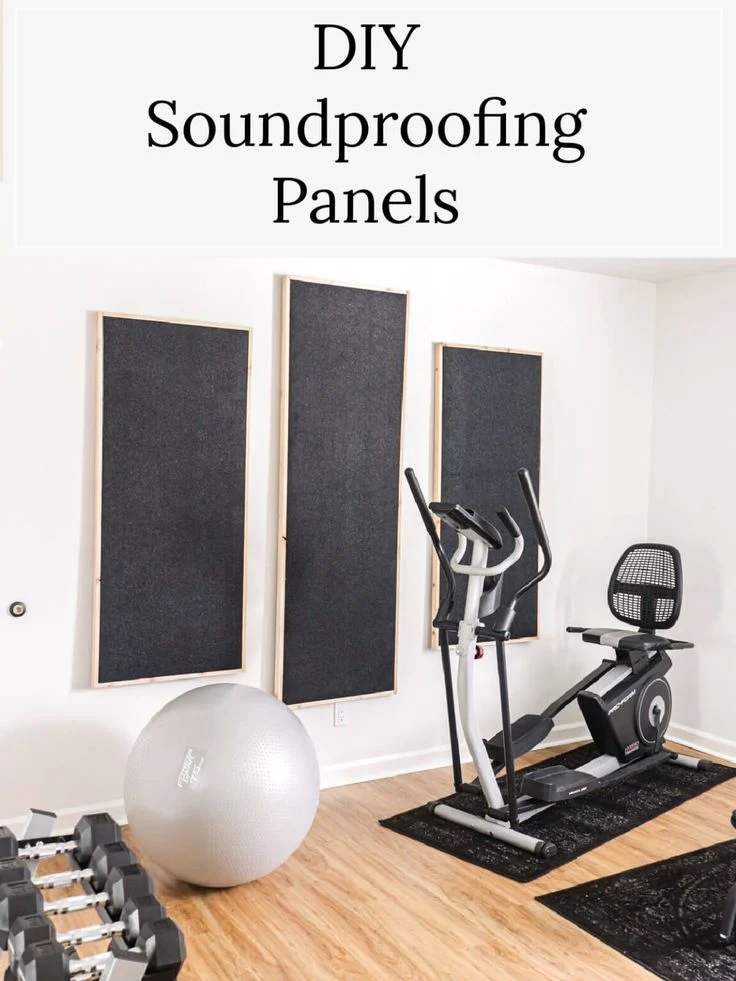
One of the most rewarding ways to answer the question “what to do with leftover carpet padding” is to use it as a sound‑absorbing panel. Open‑plan homes and apartments often struggle with echo and noise transmission. By attaching a layer of padding to a wooden frame and covering it with fabric, you create an acoustic panel that looks intentional and reduces reverberation.
Here’s a quick rundown:
- Measure the space where you need sound control (e.g., above a home office desk or behind a TV).
- Cut the padding to match your frame dimensions, allowing a little overlap for a snug fit.
- Secure the padding to the frame with spray adhesive or small staples.
- Choose a decorative fabric that complements your room’s palette; wrap the fabric around the frame and staple it at the back.
- Mount the finished panel with picture‑hanging hardware or a simple command strip.
Not only does this project answer what to do with leftover carpet padding, it adds a design element that ties into interior design tips for modern homes. For a cohesive look, select a fabric that echoes patterns in your couch throws or curtains. If you’re interested in other ways to enhance your walls, check out our article on wall décor with abstract canvas art for inspiration.
Use as Underlayment for New Flooring Projects
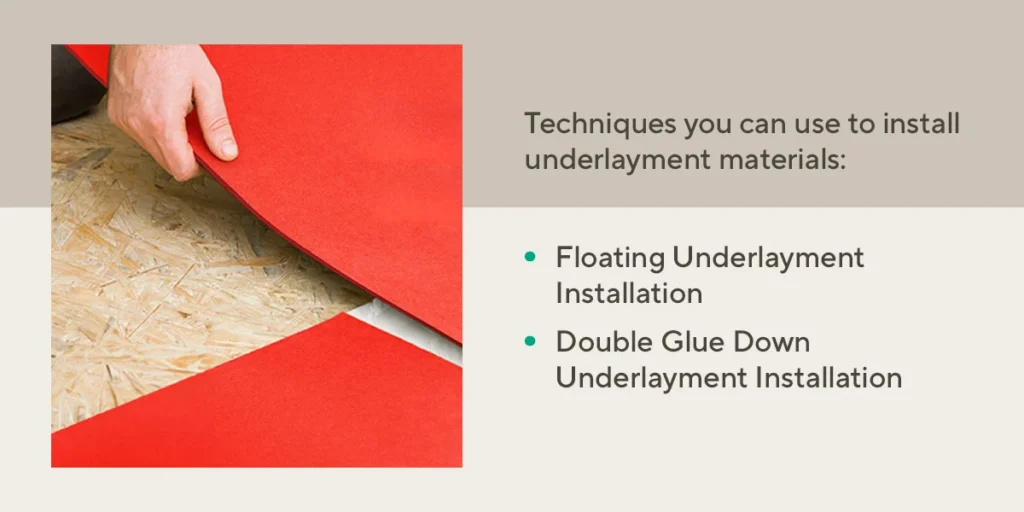
When installing laminate, engineered hardwood, or even new carpet, a layer of padding beneath the flooring can improve comfort and extend the life of the surface. If you have leftover carpet padding, consider re‑using it as an underlayment rather than buying a separate product. This approach answers “what to do with leftover carpet padding” by giving it a functional role in a future renovation.
Installation tips:
- Lay the padding flat and overlap the seams by at least 2 inches; tape the seams with carpet tape.
- Trim excess material around doorways and vents for a clean fit.
- When installing laminate, place a moisture barrier if you’re working over concrete before adding the padding.
By reusing padding, you reduce waste and keep the cost of your flooring upgrade down. This is a perfect example of home organization that also aligns with sustainable décor practices.
Create Custom Pet Beds and Furniture Cushions
Pet owners often wonder what to do with leftover carpet padding that can’t be recycled into flooring. The answer lies in comfort. Soft, dense padding makes an ideal base for pet beds, window seats, or even a cushioned bench. The process is simple and yields a stylish, pet‑friendly piece that blends with your interior aesthetic.
Steps to craft a pet bed:
- Measure your pet’s favorite sleeping spot (e.g., a corner of the living room).
- Cut the padding to the exact dimensions, adding an extra half‑inch on each side for a seam.
- Cover the padding with a durable, washable fabric—canvas, denim, or a patterned upholstery fabric works well.
- Sew a simple envelope seam, leaving one side open to insert the padding.
- Close the seam with a hidden stitch or a zip for easy cleaning.
For a cohesive look, pick a fabric that matches or contrasts your existing sofa cushions. This not only solves the dilemma of leftover material but also contributes to a cohesive design scheme. If you want more ideas on coordinating textiles, explore our guide on home décor with woven textile layers.
Craft Storage Solutions for Small Spaces
Compact apartments often struggle with storage. By repurposing carpet padding, you can create hidden compartments, drawer liners, or protective pads for shelves. This answer to “what to do with leftover carpet padding” brings both function and subtle design flair to tight living areas.
Examples include:
- Drawer liners: Cut padding to the size of kitchen or office drawers. It prevents items from sliding and adds a cushioned feel.
- Shelf protectors: Place thin strips of padding on the edge of shelves to protect delicate items like ceramics or glassware.
- Under‑bed storage boxes: Build low‑profile boxes using plywood and line the interior with padding for extra cushioning.
These ideas keep your home organized while giving the padding a purpose beyond its original intent. For a broader perspective on smart storage, see our article on budget home décor ideas, which includes clever ways to maximize space without sacrificing style.
Donate or Sell for Community Benefit
If you’ve explored the DIY routes and still have excess material, consider donating or selling it. Many community centers, schools, or theater groups use carpet padding for stage sets, temporary flooring, or sound control. Local online marketplaces such as Facebook Marketplace or Craigslist can also connect you with contractors looking for affordable padding.
When posting, include these details to attract interest:
- Type of padding (foam, rubber, or fiber).
- Thickness (usually measured in inches).
- Condition (new, lightly used, or any damage).
- Dimensions of the roll or individual pieces.
Providing this information makes it easier for buyers to assess whether the padding meets their needs, ensuring that your leftover material finds a useful second life rather than ending up in a landfill.
Quick Tips for Repurposing Carpet Padding
- Measure twice, cut once – accurate dimensions prevent waste.
- Use a sharp utility knife or electric shears for clean edges.
- Seal the edges of cut pieces with fabric tape to prevent fraying.
- Combine padding with other reclaimed materials (e.g., wooden pallets) for mixed‑media projects.
- Label each repurposed piece with its intended use to stay organized.
Common Mistakes to Avoid When Reusing Carpet Padding
Even the most enthusiastic DIYer can stumble over a few pitfalls. Here are common errors and how to sidestep them:
- Ignoring fire safety ratings: Some padding contains flame‑retardant chemicals. When using it near heat sources or in high‑traffic areas, verify the rating to stay compliant with building codes.
- Choosing the wrong thickness: A thick pad works great for soundproofing but can be cumbersome for drawer liners. Match the thickness to the project’s functional needs.
- Skipping proper cleaning: Dust and debris can become embedded in foam. Vacuum the padding before repurposing, especially if you plan to cover it with fabric that will be in direct contact with skin or pets.
- Overlooking moisture issues: In basements or bathrooms, moisture can degrade foam over time. Use a moisture barrier or select a padding type designed for damp environments.
Frequently Asked Questions
Can carpet padding be recycled?
Yes, many recycling centers accept foam and rubber padding, though availability varies by region. Call your local waste management facility to confirm their accepted materials.
Is it safe to use carpet padding for pet beds?
Generally, yes—especially if the padding is made from non‑toxic foam. For pets with allergies, choose a padding that is hypoallergenic and cover it with a washable fabric.
How thick should padding be for soundproofing?
A thickness of 1 to 2 inches provides effective sound absorption for most residential rooms. Thicker pads increase mass and can block more low‑frequency noise, but they also add bulk.
Will reusing padding affect the warranty of new flooring?
Most flooring manufacturers specify approved underlayment products. If you use leftover padding that meets their specifications, the warranty remains intact. Always check the warranty terms before installation.
What’s the best way to store leftover padding?
Roll the padding tightly, secure it with a strap or rope, and store it in a cool, dry place away from direct sunlight. This prevents degradation and keeps it ready for future projects.
Final Thoughts on Making the Most of Leftover Carpet Padding
Answering the question of what to do with leftover carpet padding opens a world of creative, sustainable possibilities. Whether you decide to craft acoustic panels, upgrade flooring comfort, build pet-friendly cushions, or simply donate to a local cause, each option adds value to your home and the environment. By integrating these ideas into your design routine, you’ll not only reduce waste but also enhance the functionality and style of your living spaces.
Take one of the projects above and give it a try—your home will thank you for the extra comfort, organization, and eco‑friendly touch. For more inspiration on modern décor and practical home styling, explore other articles on The Homara and keep experimenting with the resources already at your fingertips.