
Table of Contents
- Why Minimalist Décor with Plants Works So Well
- Choosing the Right Plants for Minimalist Décor with Plants
- Integrating Plants into Different Rooms
- Living Room
- Bedroom
- Kitchen
- Home Office
- Choosing Containers that Complement Minimalist Décor
- Tips for Maintaining Plant Health in a Minimalist Setting
- Quick Tips for a Cohesive Look
- Common Mistakes to Avoid
- Overcrowding the Space
- Ignoring Plant Care Requirements
- Clashing Container Styles
- Frequently Asked Questions
Minimalist Décor with Plants: Simple Strategies for a Fresh Home Look
In an age where clutter feels overwhelming, many homeowners are turning to a cleaner aesthetic that still feels alive. The marriage of minimalist décor with plants offers exactly that—a serene backdrop punctuated by the quiet vitality of foliage. By carefully selecting plant varieties, placement, and complementary furnishings, you can create spaces that breathe without compromising the sleek lines that define modern design.
Whether you live in a compact studio or a spacious loft, integrating greenery into a minimalist setting can enhance mood, improve air quality, and add a touch of natural elegance. This guide walks you through practical steps, design principles, and common pitfalls, so you can confidently adopt minimalist décor with plants in any room of your home.
From choosing the right containers to arranging foliage for maximum impact, we’ll explore ideas that respect simplicity while celebrating the organic beauty of plants. Ready to transform your interiors? Let’s begin.
Why Minimalist Décor with Plants Works So Well
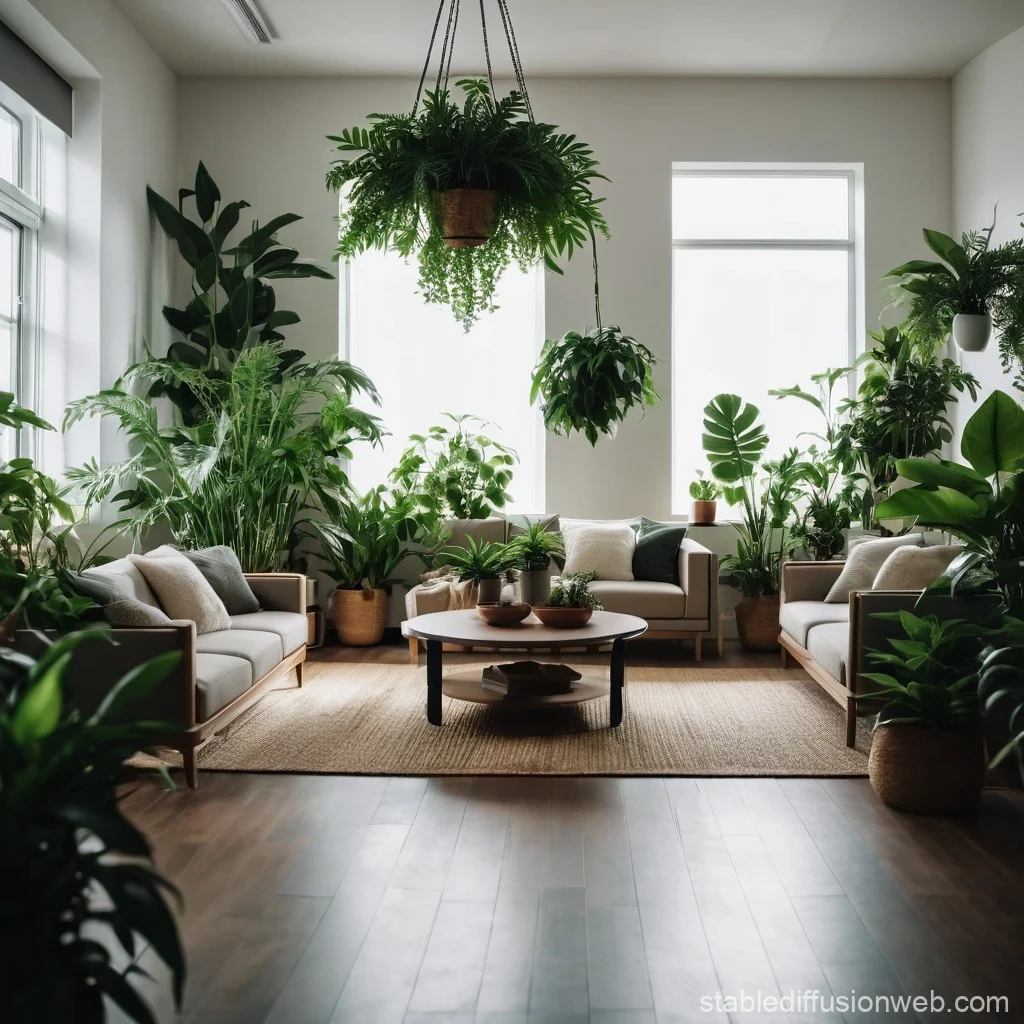
The core of minimalist décor is the removal of excess—clean lines, neutral palettes, and an emphasis on space. Plants, on the other hand, introduce subtle texture and a hint of color without overwhelming the eye. Together, they create a balanced environment where each element has room to breathe.
Research shows that indoor plants can reduce stress and increase productivity, making them perfect partners for the calming effect of minimalist design. By using a restrained number of carefully chosen pieces, you allow the plants to become focal points rather than decorative afterthoughts. This synergy is especially effective in open‑plan living rooms, airy bedrooms, and sleek home offices.
Choosing the Right Plants for Minimalist Décor with Plants
- Monstera Deliciosa – Large, sculptural leaves that add drama without clutter.
- Snake Plant (Sansevieria) – Tall, architectural form perfect for corners.
- Zebra ZZ Plant – Striking striped foliage that works as a subtle accent.
- Air Plants (Tillandsia) – Minimal soil requirement, ideal for hanging displays.
- Fiddle Leaf Fig – Iconic statement piece for larger spaces.
When selecting plants, prioritize those with structural forms and muted green tones to stay true to the minimalist palette. Pair them with simple, monochrome pots for a cohesive look.
Integrating Plants into Different Rooms
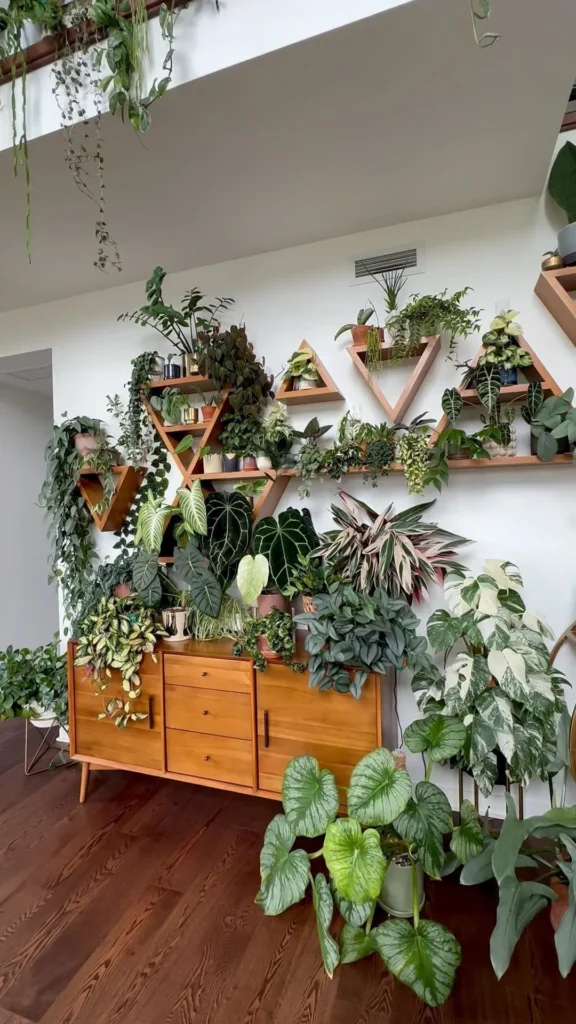
Each area of the home presents unique opportunities for minimalist décor with plants. Below are room‑specific strategies that keep the visual language consistent while allowing the greenery to shine.
Living Room
A minimalist living room thrives on open space and functional furniture. Place a tall snake plant beside a low‑profile sofa to create a vertical counterbalance. Use a slim, rectangular planter on a coffee table for a pop of nature that doesn’t dominate the surface.
For a touch of drama, hang a trio of small air plants from a thin metal rod mounted near the ceiling. This adds height without sacrificing floor space, and it aligns perfectly with the clean, airy feel of minimalist décor.
Bedroom
In the bedroom, opt for plants that promote relaxation, such as lavender or peace lilies. A single, medium‑sized monstera placed on a nightstand provides a soothing visual anchor. Keep bedding neutral—whites, beiges, or soft greys—to let the plant’s leaf texture become the subtle accent.
If floor space is limited, consider a hanging pot with a trailing pothos. The cascading vines add softness to the room while preserving the uncluttered aesthetic.
Kitchen
Minimalist kitchens benefit from functional décor. Herb gardens in sleek, white ceramic pots not only serve a culinary purpose but also bring fresh green to the countertop. Choose compact varieties like basil, mint, or rosemary, and arrange them in a linear row for a tidy, organized look.
For an extra layer of style, mount a small wall‑mounted planter for a trailing spider plant. It utilizes vertical space and adds a hint of nature without impeding workflow.
Home Office
A focused work environment can be enhanced with a low‑maintenance ZZ plant on a desk or a tall ficus in a corner. The presence of foliage improves air quality and reduces eye strain, especially when paired with neutral desk accessories and a streamlined chair.
Maintain a clear line of sight to windows to allow natural light to nurture the plant and keep the workspace bright.
Choosing Containers that Complement Minimalist Décor
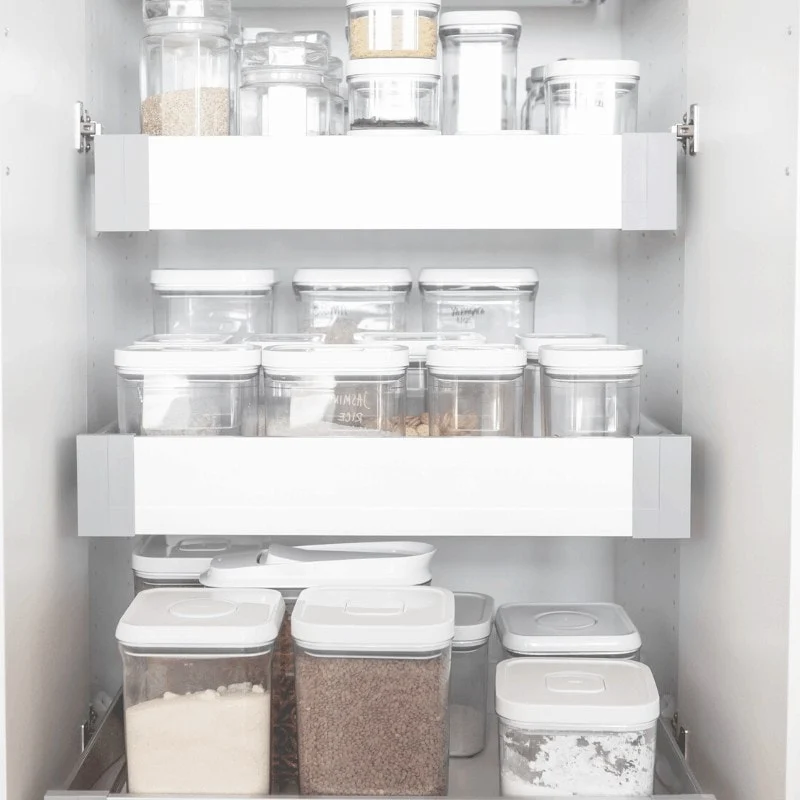
The container is as important as the plant itself when aiming for minimalist décor with plants. Opt for pots that echo the simplicity of the surroundings: matte finishes, muted colors, and geometric shapes.
- Concrete or stone‑like planters for an industrial edge.
- White ceramic pots with clean lines for a fresh, airy feel.
- Thin metal cylinders in brushed steel or black for a modern touch.
- Glass containers for trailing plants that showcase roots and soil.
Remember to keep the size proportionate. An oversized pot can overwhelm a modest plant, while a tiny pot may look out of place on a large floor lamp base. Balance is key.
Tips for Maintaining Plant Health in a Minimalist Setting
- Assess lighting: Choose low‑light tolerant species for dim corners.
- Water wisely: Use a moisture meter to avoid over‑watering, which is a common mistake.
- Rotate regularly: Turn plants every few weeks to ensure even growth.
- Prune strategically: Remove dead leaves to keep the aesthetic tidy.
Quick Tips for a Cohesive Look
- Stick to a neutral color palette for pots and furnishings.
- Group plants in odd numbers (three or five) for a natural, balanced arrangement.
- Use plant stands with simple legs to elevate foliage without adding visual clutter.
- Integrate reflective surfaces—mirrors or glossy tables—to amplify natural light.
- Combine plants of varying heights to create depth while maintaining simplicity.
Common Mistakes to Avoid
Even seasoned decorators can stumble when blending minimalist décor with plants. Below are frequent errors and how to prevent them.
Overcrowding the Space
Placing too many pots, even small ones, can negate the airy feel of minimalism. Aim for one or two statement pieces per room and let negative space do the heavy lifting.
Ignoring Plant Care Requirements
Choosing a plant solely for its looks without considering its light or water needs leads to wilted foliage, which disrupts the clean aesthetic. Always match the plant’s needs to the room’s conditions.
Clashing Container Styles
Mixing overly decorative pots with sleek furniture creates visual dissonance. Keep containers aligned with the overall design language—either all matte or all metallic, for example.
Frequently Asked Questions
Can I use artificial plants in minimalist décor with plants?
Artificial plants can work, but they often lack the subtle texture and air‑purifying benefits of real foliage. If you choose artificial, select high‑quality, matte finishes that mimic natural leaves.
How many plants are enough for a minimalist living room?
Typically, one large statement plant plus a couple of smaller accents create a balanced look. The exact number depends on the room’s size, but less is usually more.
What are low‑maintenance options for beginners?
Snake plants, ZZ plants, and pothos are forgiving and thrive with minimal watering and indirect light, making them ideal for beginners.
Do I need special soil for indoor plants?
A well‑draining potting mix designed for indoor use works for most houseplants. Adding perlite or coarse sand can improve drainage for species that prefer drier conditions.
How can I hide plant pots that clash with my décor?
Use simple fabric or woven baskets, or place pots on minimalist trays that match your flooring. This conceals the container while preserving the plant’s visual impact.
For more inspiration on integrating natural elements, check out our guide on cozy neutral home styling ideas. If you’re curious about functional décor, the article on hallway décor with small console tables offers practical tips that complement a plant‑focused minimalist aesthetic. Finally, explore modern furniture styling ideas to see how furniture choices can enhance the overall look.
Embracing minimalist décor with plants is not about adding more items—it’s about curating the right ones. By selecting purposeful plants, sleek containers, and thoughtful placements, you can create a living environment that feels both spacious and vibrant. Take these ideas to heart, experiment with different textures, and watch your home transform into a tranquil oasis that reflects modern simplicity.