
Table of Contents
- Geological Origins and Water Chemistry: Myvatn Nature Baths vs Blue Lagoon
- Key Differences in Water Composition for Myvatn Nature Baths vs Blue Lagoon
- Architectural Design and Aesthetic Appeal
- Design Takeaways for Myvatn Nature Baths vs Blue Lagoon
- Visitor Experience: Atmosphere, Amenities, and Accessibility
- Sustainability Practices and Environmental Impact
- How to Bring the Spa Vibe Home: Design Inspirations from Myvatn Nature Baths vs Blue Lagoon
- Myvatn‑Inspired Bathroom Elements
- Blue Lagoon‑Inspired Bathroom Elements
- Quick Tips for Creating a Spa‑Like Atmosphere at Home
- Common Mistakes to Avoid When Emulating Spa Design
- Frequently Asked Questions
- Which spa offers better skin benefits, Myvatn Nature Baths vs Blue Lagoon?
- Can I experience the same mineral benefits at home without traveling?
- Is one spa more eco‑friendly than the other?
- Do I need a special permit to install geothermal heating at home?
- Which spa is more family‑friendly?
When it comes to geothermal bathing experiences, few names spark the imagination like Myvatn Nature Baths and the Blue Lagoon. Both locations are celebrated for their mineral‑rich waters, striking landscapes, and a reputation for therapeutic benefits. Yet, each destination offers a distinct ambiance, design philosophy, and set of practical considerations that can influence a traveler’s choice or even inspire a home‑based wellness retreat.
In this article we dive deep into a side‑by‑side evaluation of Myvatn Nature Baths vs Blue Lagoon. We’ll look at the geological origins, water composition, architectural style, visitor experience, and sustainability practices. Along the way, we’ll translate those insights into actionable ideas for modern home décor, showing how the spirit of these Icelandic sanctuaries can be reflected in a living room, bathroom, or small apartment.
Whether you’re planning a trip, redesigning a bathroom, or simply curious about the world’s most famous hot‑water spas, this guide provides a comprehensive, friendly, and authoritative overview that balances travel insight with interior design inspiration.
Geological Origins and Water Chemistry: Myvatn Nature Baths vs Blue Lagoon
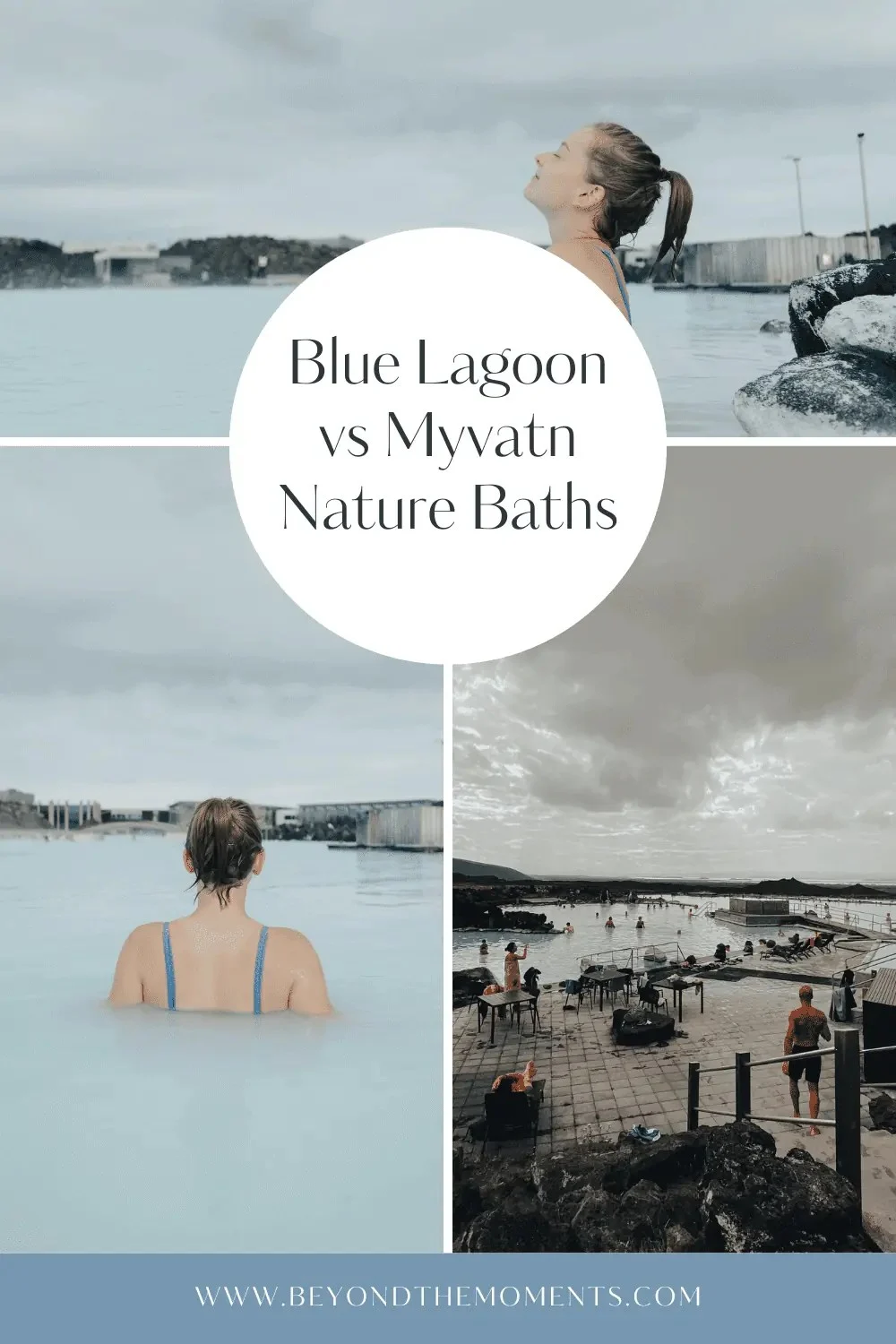
The foundation of any geothermal spa lies in the earth beneath it. Myvatn Nature Baths, located in northern Iceland near Lake Mývatn, draw their water from deep volcanic fissures that tap into a geothermal reservoir heated to roughly 38‑40 °C (100‑104 °F). The water is naturally filtered through porous lava rock, which infuses it with silicates, sulfates, and a modest concentration of silica.
In contrast, the Blue Lagoon, situated on the Reykjanes Peninsula, is a by‑product of the Svartsengi geothermal power plant. Water that would otherwise be waste is pumped into a large lagoon where it mixes with seawater and is enriched with silica, algae, and minerals like calcium and magnesium. The temperature typically ranges from 37‑39 °C (99‑102 °F), creating a slightly cooler but equally soothing environment.
Understanding the mineral makeup is crucial because it influences skin health, relaxation, and even design decisions for home spa spaces. Silica‑rich water, as found in both Myvatn and the Blue Lagoon, is known for its skin‑smoothing properties, making it a favorite for those seeking a gentle exfoliation effect. If you aim to replicate this at home, consider adding mineral‑infused bath salts or installing a silica‑enhanced showerhead.
Key Differences in Water Composition for Myvatn Nature Baths vs Blue Lagoon
- Silica Content: Both spas boast high silica, but the Blue Lagoon’s water typically contains a higher percentage due to the addition of seawater.
- Temperature Stability: Myvatn maintains a steadier temperature year‑round because it’s fed directly by geothermal vents, while the Blue Lagoon can feel cooler in winter months due to its coastal exposure.
- pH Levels: Myvatn’s water tends toward a slightly alkaline pH (around 8.5), whereas the Blue Lagoon’s pH is more neutral (around 7.5), affecting how each feels on the skin.
Architectural Design and Aesthetic Appeal
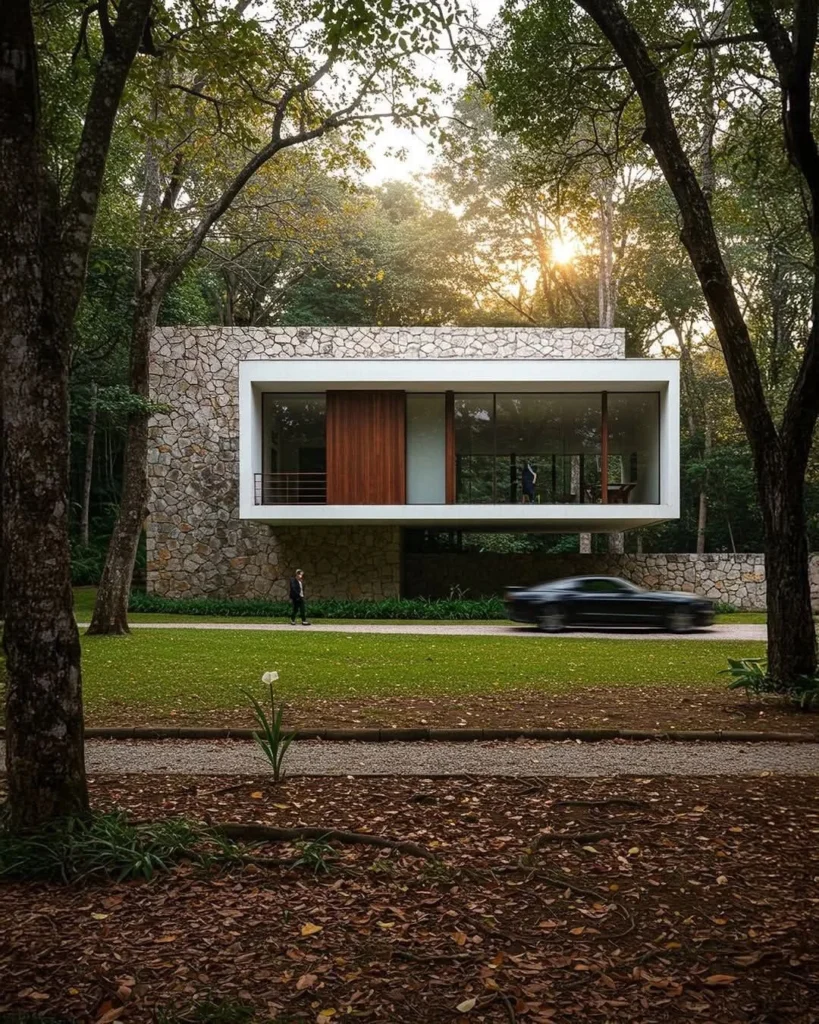
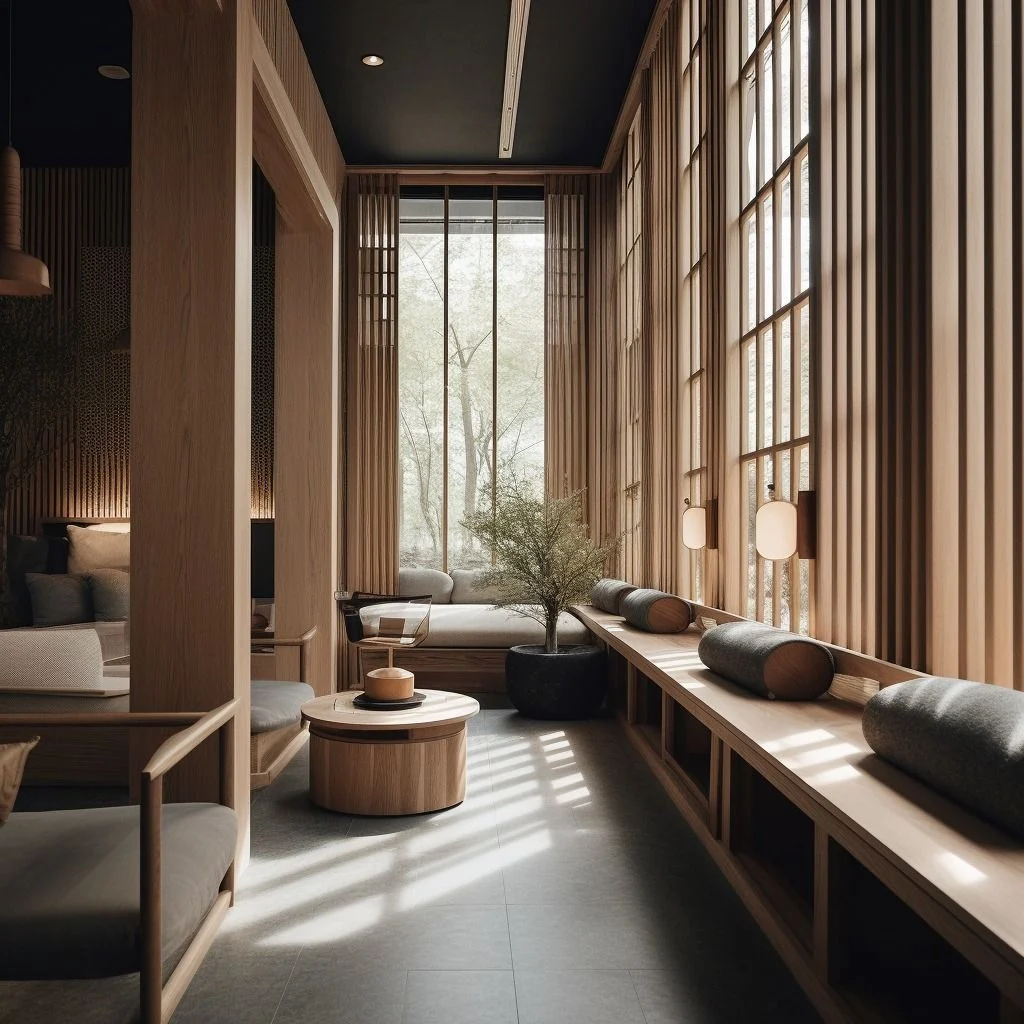
Design is where Myvatn Nature Baths vs Blue Lagoon truly diverge. Myvatn embraces a minimalist, low‑key aesthetic that blends seamlessly with the surrounding volcanic landscape. The facility uses natural stone, reclaimed wood, and muted earth tones, creating an intimate setting that encourages contemplation. Large windows frame the stark black lava fields, allowing guests to soak while gazing at the dramatic horizon.
The Blue Lagoon, on the other hand, opts for a more dramatic, sculptural approach. Its iconic geometric tiles, cascading waterfalls, and luminous blue waters are framed by sleek glass walls that amplify the lagoon’s vibrant hue. The architecture is bold, aiming to create an Instagram‑worthy experience that feels both futuristic and luxurious.
These differing design philosophies can serve as inspiration for various interior styles. If your home leans toward a calm, organic vibe, you might draw from Myvatn’s use of raw stone and natural light. For a more contemporary, statement‑making bathroom, the Blue Lagoon’s sleek tiles and strategic lighting can be a guide.
Design Takeaways for Myvatn Nature Baths vs Blue Lagoon
- Material Selection: Choose natural stone or concrete for a Myvatn‑inspired look; opt for large-format porcelain tiles with a glossy finish for a Blue Lagoon feel.
- Lighting: Soft, indirect lighting mimics Myvatn’s sunrise ambiance, while cool LED uplights enhance the blue tones reminiscent of the Blue Lagoon.
- Views and Transparency: Install floor‑to‑ceiling windows or skylights to bring the outdoors in, echoing both spa’s emphasis on natural scenery.
Visitor Experience: Atmosphere, Amenities, and Accessibility
When evaluating Myvatn Nature Baths vs Blue Lagoon, the overall visitor experience is a crucial factor. Myvatn offers a more laid‑back, less crowded atmosphere. The bathhouses are relatively small, fostering a sense of exclusivity even during peak season. Amenities include a simple café serving local delicacies, a sauna, and a modest changing area. Accessibility is decent, though the remote location requires a 30‑minute drive from the nearest town of Akureyri.
The Blue Lagoon attracts millions of visitors annually, making it a bustling hotspot. It boasts a wide array of facilities: multiple lagoon pools at varying temperatures, a world‑class restaurant, a luxury spa offering silica masks, and even an on‑site hotel. Accessibility is excellent, with an international airport just 20 km away and frequent shuttle services. However, the popularity can lead to longer wait times and higher ticket prices.
From a home‑decor perspective, these experiences translate into design choices that either prioritize serene simplicity (Myvatn) or vibrant luxury (Blue Lagoon). For a compact apartment, a Myvatn‑style bath nook can create a private retreat, while a larger home might accommodate a Blue Lagoon‑inspired soaking tub with integrated lighting and a built‑in sound system.
Sustainability Practices and Environmental Impact
Both Icelandic spas are committed to sustainability, but they approach it differently. Myvatn Nature Baths utilizes renewable geothermal energy directly from the same source that heats the water, resulting in a low carbon footprint. The facility also employs a closed‑loop water system that recirculates and filters the water, minimizing waste.
The Blue Lagoon, being part of a geothermal power plant, also relies on renewable energy. However, the scale of its operations leads to higher water usage and a larger infrastructural footprint. In response, the lagoon has implemented innovative waste‑heat recovery systems and partners with local farms to use the mineral‑rich sludge as fertilizer, turning a by‑product into a resource.
When translating these practices into home décor, consider low‑impact materials and energy‑efficient fixtures. For example, installing a heat‑pump water heater mirrors the geothermal efficiency of Myvatn, while using recycled glass tiles pays homage to the Blue Lagoon’s commitment to repurposing waste.
How to Bring the Spa Vibe Home: Design Inspirations from Myvatn Nature Baths vs Blue Lagoon
Integrating the serene charm of Myvatn Nature Baths or the bold elegance of the Blue Lagoon into your home doesn’t require a full‑scale remodel. Small, thoughtful updates can evoke the same sense of relaxation and luxury. Below are practical ideas that align with modern home décor trends while staying true to the essence of each spa.
Myvatn‑Inspired Bathroom Elements
- Natural Stone Tiles: Choose slate or basalt for floor and wall coverage to echo the volcanic terrain.
- Soft Ambient Lighting: Install dimmable wall sconces with warm LED bulbs to mimic the gentle sunrise glow over the lava fields.
- Earthy Color Palette: Incorporate muted greens, greys, and browns through towels, rugs, and accessories.
- Minimalist Fixtures: Opt for brushed nickel or matte black faucets that blend without stealing focus.
Blue Lagoon‑Inspired Bathroom Elements
- Geometric Tile Patterns: Use large, glossy porcelain tiles arranged in a herringbone or chevron layout for a sleek, contemporary look.
- Blue Accent Lighting: Install cool‑tone LED strips beneath vanity cabinets to create a subtle, lagoon‑like glow.
- Silica‑Infused Bath Products: Keep a basket of silica‑rich bath salts or a spa‑grade facial mask for a touch of the lagoon’s therapeutic benefits.
- Statement Fixtures: Choose a freestanding soaking tub with a sculptural silhouette reminiscent of the lagoon’s water flow.
For more design inspiration, explore our guide on soft neutral home styling ideas, which aligns well with Myvatn’s earthy aesthetic. If you prefer the bold, modern vibe of the Blue Lagoon, check out soft aesthetic bedroom interior ideas for complementary color schemes.
Quick Tips for Creating a Spa‑Like Atmosphere at Home
- Use aromatherapy diffusers with volcanic or marine scents to mirror the natural environments of Myvatn and the Blue Lagoon.
- Incorporate natural wood shelves for towels and spa accessories, echoing the reclaimed wood found at Myvatn.
- Install a programmable thermostat for consistent water temperature, ensuring comfort similar to Iceland’s geothermal pools.
Common Mistakes to Avoid When Emulating Spa Design
Attempting to replicate the ambiance of Myvatn Nature Baths vs Blue Lagoon can lead to over‑themed spaces if not approached thoughtfully. Here are typical pitfalls and how to sidestep them:
- Overusing Blue Hues: While blue lighting is key for a lagoon vibe, too much can feel cold. Balance with warm wood tones.
- Neglecting Functionality: Aesthetic tiles are beautiful, but ensure they’re slip‑resistant and easy to clean.
- Ignoring Scale: A massive freestanding tub may overwhelm a small bathroom; opt for a compact soaking tub for a similar effect.
Frequently Asked Questions
Which spa offers better skin benefits, Myvatn Nature Baths vs Blue Lagoon?
Both spas provide silica‑rich waters that promote smoother skin. The Blue Lagoon’s higher silica concentration and added algae can give a slightly more intense exfoliating effect, while Myvatn’s milder composition is gentler for sensitive skin.
Can I experience the same mineral benefits at home without traveling?
Yes. Look for bath salts or showerheads infused with silica, magnesium, and calcium. Adding a few drops of essential oils like eucalyptus can also simulate the refreshing aroma of Icelandic geothermal waters.
Is one spa more eco‑friendly than the other?
Myvatn Nature Baths has a lower overall environmental impact due to its smaller scale and closed‑loop water system. The Blue Lagoon, while larger, employs innovative waste‑heat recovery and uses mineral sludge as fertilizer, making it a strong contender in sustainability.
Do I need a special permit to install geothermal heating at home?
Installation requirements vary by location. In many regions, a geothermal heat pump can be added with a standard plumbing permit, but it’s advisable to consult local building codes and a licensed contractor.
Which spa is more family‑friendly?
Myvatn Nature Baths offers a quieter environment with fewer crowds, making it suitable for families seeking a relaxed experience. The Blue Lagoon provides extensive facilities, including a children’s pool area, but can be busy during peak tourist seasons.
Whether you choose the tranquil charm of Myvatn Nature Baths or the vibrant allure of the Blue Lagoon, each destination offers a unique set of experiences that can inspire both travel plans and home design projects. By understanding the geological, architectural, and environmental nuances of Myvatn Nature Baths vs Blue Lagoon, you can make an informed decision that aligns with your wellness goals and aesthetic preferences.
Take the insights from this comparison and start experimenting in your own space—perhaps with a stone‑tiled shower, a blue LED light strip, or a simple mineral‑infused bath ritual. Small changes can transform your daily routine into a rejuvenating escape, echoing the magic of Iceland’s most celebrated geothermal retreats.