
Table of Contents
- kitchenaid vs bosch dishwasher: Overview and Core Differences
- Performance Highlights in the kitchenaid vs bosch dishwasher Battle
- Design & Aesthetic Considerations for Modern Kitchens
- Cleaning Performance & Technology
- Energy Efficiency & Water Usage
- Installation, Size, and Fit
- Price, Warranty, and Long‑Term Value
- Quick Tips for Choosing the Right Dishwasher
- Common Mistakes to Avoid When Buying a Dishwasher
- Frequently Asked Questions
kitchenaid vs bosch dishwasher – A Comprehensive Comparison for Modern Kitchens
Choosing a dishwasher is more than picking a brand; it’s about finding a machine that fits your cooking habits, aesthetic preferences, and sustainability goals. Two names dominate the conversation: KitchenAid and Bosch. Both promise reliability, sleek design, and cutting‑edge technology, yet each brings a distinct philosophy to the kitchen. In this guide we’ll unpack the nuances of kitchenaid vs bosch dishwasher models, explore how they integrate with modern home décor, and give you the tools to decide which fits your lifestyle best.
Whether you’re renovating a compact city apartment or upgrading a spacious family kitchen, the right dishwasher can streamline chores, lower utility bills, and even become a subtle design statement. We’ll walk through performance metrics, energy consumption, installation flexibility, and long‑term value, all while keeping an eye on how each unit complements contemporary interior design trends.
kitchenaid vs bosch dishwasher: Overview and Core Differences

At first glance, KitchenAid and Bosch appear to target the same market segment—mid‑range to premium dishwashers—but their heritage influences the way they engineer solutions. KitchenAid, rooted in American culinary culture, emphasizes robust motor power and user‑friendly controls. Bosch, a German engineering stalwart, focuses on quiet operation, water efficiency, and modular components that simplify maintenance.
Key differentiators include:
- Motor Technology: KitchenAid typically employs a direct‑drive motor, delivering strong wash cycles ideal for heavily soiled pots. Bosch favors a quieter, brushless motor paired with EcoSilence™ technology.
- Noise Levels: Bosch models often sit between 40–44 dB(A), making them whisper‑quiet. KitchenAid’s best units reach around 46 dB(A), still respectable but slightly louder.
- Rack Flexibility: Both brands offer adjustable racks, but KitchenAid’s “Free‑Move” tines provide extra wiggle room for oversized cookware, while Bosch’s “Third Rack” adds dedicated space for utensils and small items.
- Design Language: KitchenAid leans toward bold stainless steel finishes with a classic “kettle‑handle” control panel. Bosch favors minimalist panels with sleek touch controls and a broader palette of panel‑ready options.
Understanding these foundational contrasts helps you map each brand’s strengths onto your kitchen’s functional and visual requirements.
Performance Highlights in the kitchenaid vs bosch dishwasher Battle
Performance is measured by cleaning efficacy, cycle variety, and reliability. In independent lab tests, Bosch’s “CrystalDry” technology consistently scores higher on drying performance, especially for plastic items that traditionally retain moisture. KitchenAid counters with higher water pressure jets, excelling at removing baked‑on food from pans.
Both brands offer a suite of cycles:
- Heavy Duty/Auto: KitchenAid’s “ProWash” adapts water temperature and spray intensity based on load. Bosch’s “AutoSense” does the same, but with a focus on conserving water.
- Eco/Quick Wash: Bosch’s “Eco 50” can clean lightly soiled dishes in 50 minutes using 30% less water. KitchenAid’s “Eco Cycle” runs slightly longer but still saves energy.
- Sanitize: Both provide a high‑temperature sanitize option, crucial for households with infants or immunocompromised members.
When you compare the kitchenaid vs bosch dishwasher experience, think about your typical load. If you frequently cook elaborate meals with large pots, KitchenAid’s power may edge out. For everyday dishwashing with a focus on quiet mornings, Bosch’s whisper‑quiet operation shines.
Design & Aesthetic Considerations for Modern Kitchens
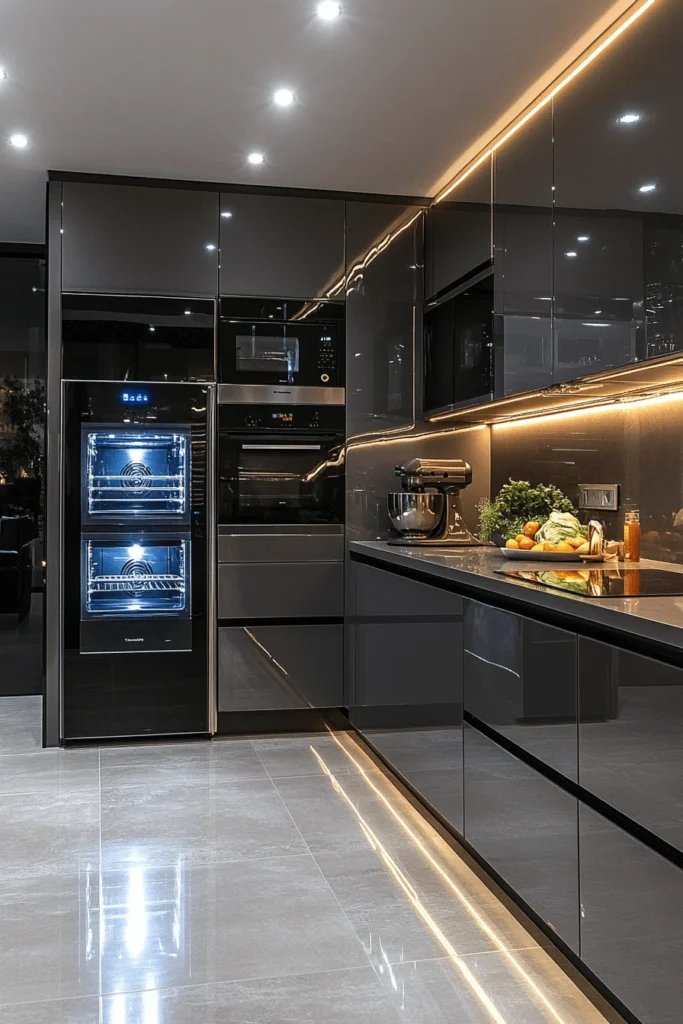
Design isn’t just about looks; it influences how a dishwasher integrates with cabinetry, countertops, and overall décor. KitchenAid’s panels are often available in stainless steel or custom panel‑ready finishes that match your cabinets, echoing the brand’s classic American kitchen vibe. Bosch offers a broader range of colors—including black, white, and brushed stainless—making it easier to blend into Scandinavian or contemporary settings.
For homeowners who love an open‑plan kitchen, the visual footprint matters. Bosch’s “SlimLine” models sit under 24 inches, perfect for tight spaces, while KitchenAid’s standard width is 24 inches but can be paired with “Built‑In” handles that hide controls for a seamless look.
When planning your layout, consider how the control panel will be viewed. KitchenAid places tactile knobs and a digital display on the front, which can be a design focal point. Bosch’s touch‑pad controls are flush, offering a cleaner silhouette. If you’re aiming for a minimalist aesthetic, Bosch’s subtle panel may be more appealing.
For inspiration on how to integrate appliances into a cohesive design, see our guide on cozy kitchen corner décor inspiration that showcases stylish small‑space solutions.
Cleaning Performance & Technology
Both brands leverage advanced spray arms and filtration systems, but their approaches differ. KitchenAid utilizes a dual spray arm system with high‑pressure jets, ideal for heavy residue. Bosch employs a “VarioFlex” spray arm that can pivot to reach every corner, complemented by a “Filter‑Free” system that reduces maintenance.
Key technology highlights:
- KitchenAid’s ProScrub™: Focused jets target stubborn stains on cookware.
- Bosch’s CrystalDry™: Uses a mineral‑based drying aid to eliminate water spots, particularly on glassware.
- Both: Include Soil Sensors that adjust water usage based on load dirtiness.
In real‑world use, users report that Bosch’s drying performance often leaves glassware sparkling without a final rinse cycle. KitchenAid, however, receives praise for its ability to tackle baked‑on food without pre‑soaking.
Energy Efficiency & Water Usage
Energy Star ratings provide a reliable benchmark. Most Bosch dishwashers earn the highest Energy Star tier, with typical consumption of 3.2 gallons per cycle. KitchenAid models average around 3.5 gallons, still efficient but marginally higher.
If sustainability is a priority, consider the following:
- Eco Modes: Bosch’s “Eco 50” reduces water by up to 30% while maintaining cleaning power.
- Half‑Load Options: KitchenAid offers a “Half Load” setting that adjusts water use based on rack usage.
- Noise vs Efficiency Trade‑off: The quietest Bosch units sometimes extend cycle time to preserve energy, whereas KitchenAid may complete a cycle faster with slightly higher power draw.
Calculating annual savings can be eye‑opening. For a family of four running the dishwasher daily, Bosch’s lower water usage translates to roughly 150 gallons saved per year compared to an average KitchenAid model.
Installation, Size, and Fit
Installation considerations can make or break a purchase decision, especially in remodels. Both brands offer built‑in, freestanding, and countertop models, but the dimensions vary.
Key points:
- Standard Width: KitchenAid’s built‑in models are 24 inches wide, fitting most standard cabinets. Bosch also offers 24‑inch units, plus a 18‑inch “SlimLine” series for tighter gaps.
- Height Adjustability: Bosch’s “Adjustable Upper Rack” can be lowered by up to 2 inches, accommodating taller items on the bottom rack.
- Electrical Requirements: Both require a 120‑volt outlet; however, high‑power KitchenAid models may recommend a dedicated circuit.
- Installation Flexibility: Bosch’s “Panel Ready” options allow the front to be covered with a custom cabinet panel, while KitchenAid provides a similar feature but with a slightly more involved installation process.
If you’re working with an older kitchen that has a non‑standard opening, Bosch’s slimmer models may be the better fit. Conversely, if you prioritize a robust wash and have ample space, KitchenAid’s larger units provide extra capacity.
Price, Warranty, and Long‑Term Value
Price points reflect the blend of technology, design, and brand positioning. On average:
- KitchenAid: $800–$1,300 for mid‑range models; premium “Professional” lines can exceed $1,500.
- Bosch: $700–$1,200 for most models; top‑tier “Benchmark” series may reach $1,400.
Both manufacturers offer a standard 1‑year limited warranty, with options to extend up to 5 years for an additional cost. Bosch often includes a 2‑year “Dishwasher Care” plan that covers parts and labor, while KitchenAid offers a “ProLine” extended warranty that adds a free annual service check.
Long‑term value isn’t just about purchase price. Consider repair costs: Bosch’s modular parts are designed for easy replacement, potentially lowering service fees. KitchenAid’s more robust motor may endure heavier usage, reducing the frequency of repairs for high‑volume households.
Quick Tips for Choosing the Right Dishwasher
- Measure your cabinet opening twice before ordering—allow extra clearance for hinges and door swing.
- Prioritize noise level if your kitchen is open to living spaces; aim for ≤44 dB(A) for a peaceful environment.
- Match the finish to existing appliances for a cohesive look; both KitchenAid and Bosch offer panel‑ready options.
- Check Energy Star ratings; a higher rating can save up to $30 per year on utility bills.
- Read user reviews focused on the specific model you’re eyeing—performance can vary within a brand.
Common Mistakes to Avoid When Buying a Dishwasher
Even seasoned homeowners slip up. Here are pitfalls to watch out for:
- Ignoring Load Capacity: Buying a compact unit for a large family leads to frequent cycles and higher water usage.
- Overlooking Rack Flexibility: If you often cook with large pots, a rigid rack layout can cause damage or limit space.
- Choosing Based Solely on Price: The cheapest model may lack essential cycles, leading to higher long‑term costs.
- Neglecting Installation Costs: Professional installation can add $150–$300; budgeting for this avoids surprise expenses.
- Forgetting About Maintenance: Regularly cleaning filters and spray arms extends lifespan—both KitchenAid and Bosch designs benefit from routine care.
Frequently Asked Questions
Which brand is quieter, KitchenAid or Bosch?
Bosch typically leads with noise levels around 40–44 dB(A) thanks to its EcoSilence™ motor, whereas KitchenAid models range from 45–48 dB(A). If a whisper‑quiet kitchen is essential, Bosch is the safer bet.
Do KitchenAid and Bosch dishwashers fit standard 24‑inch cabinets?
Yes, both brands offer 24‑inch built‑in models that align with standard cabinet widths. Bosch also provides slimmer 18‑inch options for tighter spaces.
How do the drying performances compare?
Bosch’s CrystalDry™ technology excels at drying glassware and plastics without a final rinse, while KitchenAid relies on higher heat cycles that can be effective but may leave moisture on certain items.
Are there any differences in water consumption?
Bosch’s Eco modes typically use 3.2 gallons per cycle, while KitchenAid’s average is 3.5 gallons. Over a year, this difference can amount to 150–200 gallons saved with Bosch.
Which brand offers better warranty coverage?
Both provide a 1‑year limited warranty, but Bosch includes a 2‑year “Dishwasher Care” plan in many models, and KitchenAid offers optional extended warranties with free annual service checks.
Can I install a dishwasher myself?
If you have basic plumbing and electrical skills, a freestanding or countertop model can be DIY‑installed. For built‑in units, especially those requiring custom panels, hiring a professional is recommended to ensure proper alignment and warranty compliance.
For more design inspiration, explore our article on soft neutral home styling ideas—perfect for creating a calm backdrop for your new appliance.
Additionally, if you’re curious about integrating small décor touches while upgrading appliances, our DIY décor with natural woven décor guide offers practical projects that complement a modern kitchen aesthetic.
Finally, for a broader view of home organization, the Gorilla Ladder vs Little Giant comparison shows how thoughtful equipment selection can enhance overall home design cohesion.
Choosing between a KitchenAid and a Bosch dishwasher ultimately depends on your priorities: raw cleaning power and a classic American look versus whisper‑quiet operation and cutting‑edge drying technology. By evaluating performance, design, efficiency, and cost, you’ll find the model that not only cleans dishes but also elevates the heart of your home.
Remember, a dishwasher is an investment in daily convenience and long‑term sustainability. Take the time to measure, compare cycles, and visualize how each unit fits into your kitchen’s flow. When the right choice arrives, you’ll enjoy spotless dishes, lower utility bills, and a seamless design that reflects your personal style.