

Table of Contents
- Understanding the Materials: titanium vs stainless steel kitchen knives
- titanium vs stainless steel kitchen knives – Edge Retention
- Weight, Balance, and Handling
- Corrosion Resistance and Maintenance
- Aesthetic Appeal and Design Compatibility
- Cost, Longevity, and Value
- Choosing the Right Knife for Your Cooking Style
- Quick Tips for Maintaining Your Knives
- Common Mistakes to Avoid
- Frequently Asked Questions
Titanium vs Stainless Steel Kitchen Knives: Which Is Right for Your Home?
Choosing the right kitchen knife can feel as daunting as picking the perfect paint color for a living room. The material of the blade influences everything from how often you need to sharpen it to how it looks on a modern countertop. For many home cooks, the debate narrows down to two popular options: titanium vs stainless steel kitchen knives.
Both metals promise durability, but they deliver distinct performance traits that align with different cooking styles, budgets, and design aesthetics. Understanding these nuances helps you build a cutlery collection that not only cuts efficiently but also complements the overall look of your kitchen.
In this guide, we’ll break down the science, the styling, and the practical considerations behind titanium vs stainless steel kitchen knives, so you can make an informed decision that fits your culinary routine and interior design vision.
Understanding the Materials: titanium vs stainless steel kitchen knives
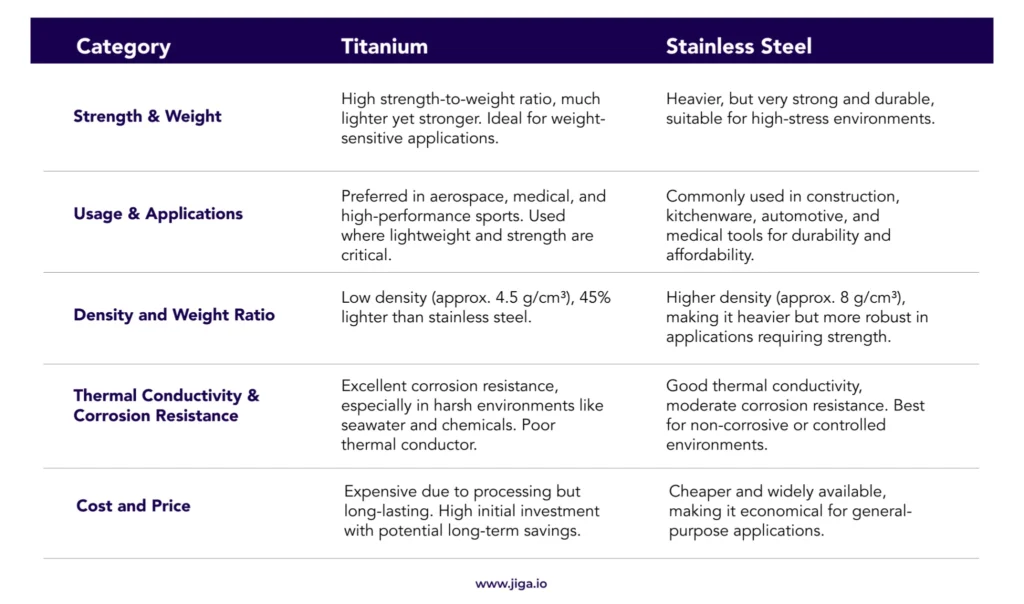
At the core of the comparison is the composition of each alloy. Stainless steel is an iron‑based alloy infused with chromium, which forms a protective oxide layer that resists rust. Titanium, on the other hand, is a lightweight, non‑ferrous metal known for its high strength‑to‑weight ratio and exceptional corrosion resistance. When manufacturers blend titanium with other elements, they create a blade that feels markedly different from traditional stainless steel.
While both materials can be hardened to achieve a sharp edge, the underlying grain structure and heat‑treatment processes differ. Stainless steel typically reaches higher hardness levels, allowing for a finer, more acute edge. Titanium blades are softer in comparison, which can affect how long the edge stays sharp but offers other benefits that many chefs appreciate.
titanium vs stainless steel kitchen knives – Edge Retention
Edge retention is often the deciding factor for serious cooks. Stainless steel knives, especially those made from high‑carbon or powdered‑metal blends, can hold an edge for weeks of heavy use. Titanium blades, while harder to chip, tend to lose their sharpness faster because the metal is intrinsically softer. However, the trade‑off is a blade that is less likely to develop micro‑fractures, making it forgiving for beginners who may apply uneven pressure.
For those who value a razor‑thin slice on delicate fish or herbs, a high‑quality stainless steel knife is usually the better choice. If you prefer a low‑maintenance blade that tolerates occasional misuse, titanium may serve you well.
Weight, Balance, and Handling

One of the most noticeable differences between titanium vs stainless steel kitchen knives is weight. Stainless steel blades are denser, giving the knife a solid, heftier feel. This weight can aid in powerful chopping motions and provide a sense of control for experienced users. Titanium knives are markedly lighter, often weighing 30‑40% less than comparable stainless steel models.
The reduced mass can reduce wrist fatigue during long prep sessions, especially for those with limited strength or repetitive‑strain concerns. However, a lighter knife may feel “tippier,” requiring more finesse to keep the blade steady. Choosing a knife with a well‑designed handle that balances the reduced blade weight is essential for comfortable handling.
Corrosion Resistance and Maintenance

Both metals resist rust, but they do so in different ways. Stainless steel’s chromium layer protects against moisture, yet exposure to salty foods or acidic ingredients can eventually cause staining if not cleaned promptly. Titanium’s natural oxide film makes it virtually impervious to corrosion, even in high‑humidity environments.
For kitchens that double as social spaces—think open‑plan designs where countertops showcase sleek décor—titanium knives maintain a pristine appearance with minimal effort. Stainless steel knives may require occasional polishing to keep their mirror finish, especially if you enjoy using them near a cutting board that retains juices.
Aesthetic Appeal and Design Compatibility
Modern kitchens often blend minimalist hardware with bold accents. A titanium blade’s silvery‑gray hue can echo the cool tones of stainless steel appliances while adding a contemporary edge. Its lightweight nature also means the knife sits elegantly on a magnetic strip without sagging.
Stainless steel knives, especially those with Damascus patterns, can become statement pieces that complement rustic wood countertops or industrial metal backsplashes. If you’re curating a cohesive look, consider how the knife’s finish aligns with other elements. For inspiration on cohesive design, check out our creative kitchen counter décor ideas to transform your space.
Cost, Longevity, and Value
Price points vary widely within each material category. High‑end stainless steel knives, such as those forged from VG‑10 or high‑carbon steel, can command premium prices but often deliver decades of service with proper care. Titanium knives usually sit in the mid‑range, offering a balance between cost and durability.
When evaluating long‑term value, consider how often you’ll need to sharpen or replace the blade. A stainless steel knife that holds an edge for months may end up cheaper over time than a titanium knife that requires frequent honing. Yet, if you prioritize low maintenance and a lightweight feel, the initial investment in titanium can be justified.
Choosing the Right Knife for Your Cooking Style
Ultimately, the decision between titanium vs stainless steel kitchen knives hinges on your cooking habits and personal preferences. If you frequently prepare meat, dense vegetables, or need a blade that can take a beating, stainless steel’s robustness and superior edge retention make it a solid choice. For light prep, salads, or a kitchen where aesthetic harmony and low upkeep are paramount, titanium’s lightweight, corrosion‑proof nature shines.
Consider pairing both: a stainless steel chef’s knife for heavy tasks and a titanium utility knife for quick, everyday cuts. This combination offers flexibility without compromising on performance or design.
Quick Tips for Maintaining Your Knives
- Hand‑wash knives immediately after use; avoid dishwasher heat that can dull the edge.
- Use a honing steel regularly to realign the blade—especially important for stainless steel.
- Store knives on a magnetic strip or in a padded block to protect both the blade and countertop.
- For titanium knives, a simple wipe with a soft cloth is often enough to keep the surface gleaming.
Common Mistakes to Avoid
- Relying on a single knife for all tasks; different cuts benefit from specialized blade shapes.
- Sharpening at the wrong angle; stainless steel typically requires a 15‑20° angle, while titanium works well around 20‑25°.
- Neglecting regular maintenance; even corrosion‑resistant titanium can develop stains if left in standing water.
Frequently Asked Questions
Can I use a titanium knife for professional chef work?
Titanium knives are lightweight and durable, but they lack the extreme edge retention of high‑carbon stainless steel, making them less common in professional kitchens where precision and longevity are critical.
Is stainless steel safe for people with metal allergies?
Most stainless steel contains nickel, which can trigger reactions in sensitive individuals. Titanium is hypoallergenic, so it’s a safer option for those with known metal sensitivities.
How often should I sharpen a stainless steel knife compared to a titanium one?
Stainless steel knives may need sharpening every 1‑3 months with regular use, while titanium knives might require honing more frequently but less aggressive sharpening due to their softer edge.
Do titanium knives rust at all?
Titanium forms a stable oxide layer that resists rust even in salty or acidic environments, making it virtually rust‑free under normal kitchen conditions.
Which material pairs best with a modern minimalist kitchen?
Titanium’s sleek, silver finish complements minimalist aesthetics, especially when paired with clean lines and monochrome palettes. For a warmer, industrial look, stainless steel with Damascus patterns adds texture and depth.
Choosing the right blade is more than a functional decision; it’s part of the overall design narrative of your kitchen. Whether you gravitate toward the feather‑light feel of titanium or the steadfast performance of stainless steel, understanding the strengths of each material ensures your knives become trusted partners in every culinary adventure.