
Table of Contents
- Understanding Drywall Window Returns vs Wood: The Basics
- Cost Comparison: Budgeting for Drywall Window Returns vs Wood
- Drywall Window Returns vs Wood – Material Costs
- Design Impact: Aesthetic Considerations for Modern Homes
- Drywall Returns – Seamless Modernism
- Wood Returns – Warmth and Character
- Installation Guide: Step‑by‑Step for Drywall Window Returns vs Wood
- Drywall Window Returns vs Wood – Preparation
- Installation Steps for Drywall Returns
- Installation Steps for Wood Returns
- Performance and Durability: How Each Material Stands Up to Time
- Drywall Returns – Pros and Cons
- Wood Returns – Pros and Cons
- Choosing the Right Option for Different Rooms
- Living Room – Balancing Warmth and Modernity
- Bedroom – Creating a Calm Retreat
- Kitchen – Handling Heat and Moisture
- Bathroom – Prioritizing Moisture Resistance
- Quick Tips for a Flawless Finish
- Common Mistakes and How to Avoid Them
- Frequently Asked Questions
- Putting It All Together: Final Thoughts on Drywall Window Returns vs Wood
Drywall Window Returns vs Wood: Which Finish Elevates Your Space?
When a window sits at the heart of a room, the treatment that surrounds it can either accentuate the view or distract from it. Homeowners and interior designers often grapple with a seemingly simple decision: drywall window returns vs wood. While the choice might appear aesthetic at first glance, it also touches on budget, installation complexity, durability, and the overall feel of a space.
Understanding the nuances of each option helps you make a confident decision that aligns with your design vision and practical needs. Whether you’re renovating a historic bedroom, updating a sleek kitchen, or adding a fresh touch to a small living room, the material you select for your window returns will influence lighting, acoustics, and even resale value.
In this comprehensive guide we’ll explore the characteristics of drywall and wood window returns, compare cost, performance, and style, and provide actionable tips for flawless installation. By the end, you’ll know exactly when drywall window returns vs wood makes sense for your project and how to execute the look like a pro.
Understanding Drywall Window Returns vs Wood: The Basics
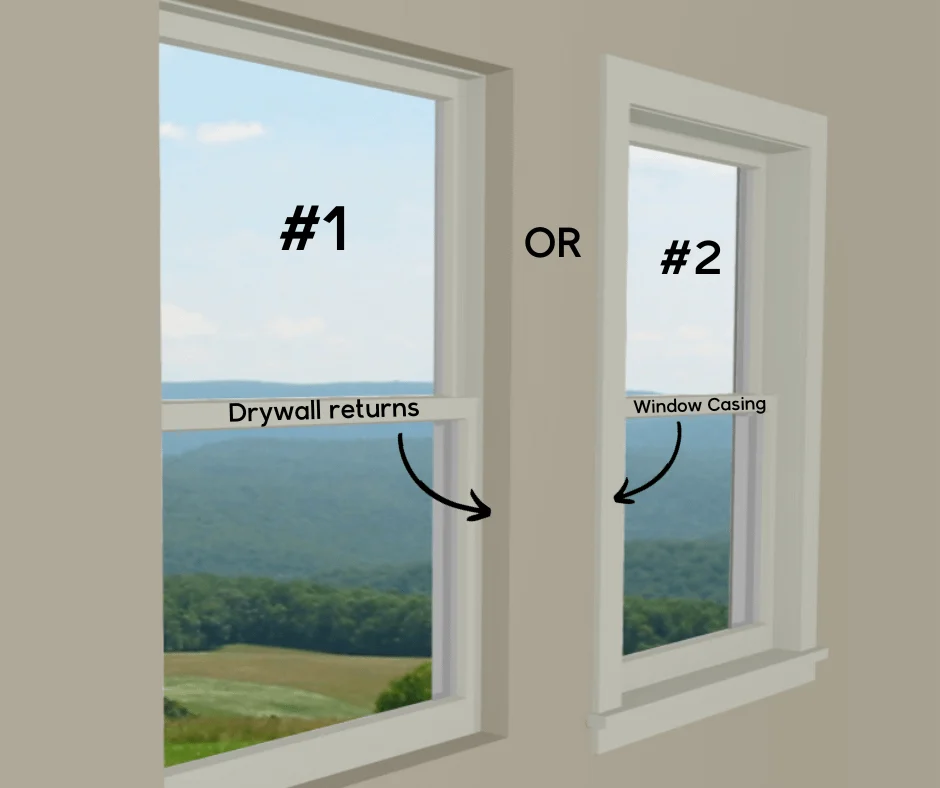
Before diving into the pros and cons, it’s helpful to define what we mean by “window returns.” A return is the short vertical piece of material that connects the window frame to the surrounding wall, creating a finished edge. Traditionally, these returns have been crafted from wood, but drywall has become a popular alternative in modern construction.
Both materials serve the same functional purpose—covering the gap between the window jamb and the wall—but they do so in different ways. Drywall returns are essentially an extension of the wall surface, while wood returns add a distinct trim element that can be painted, stained, or left natural.
Key factors to consider when comparing drywall window returns vs wood include:
- Installation method: drywall is typically attached directly to the framing, whereas wood requires precise cutting and fastening.
- Cost: material and labor expenses vary considerably.
- Design flexibility: wood offers grain and texture; drywall offers seamless integration.
- Maintenance: moisture resistance, durability, and repairability differ.
Cost Comparison: Budgeting for Drywall Window Returns vs Wood
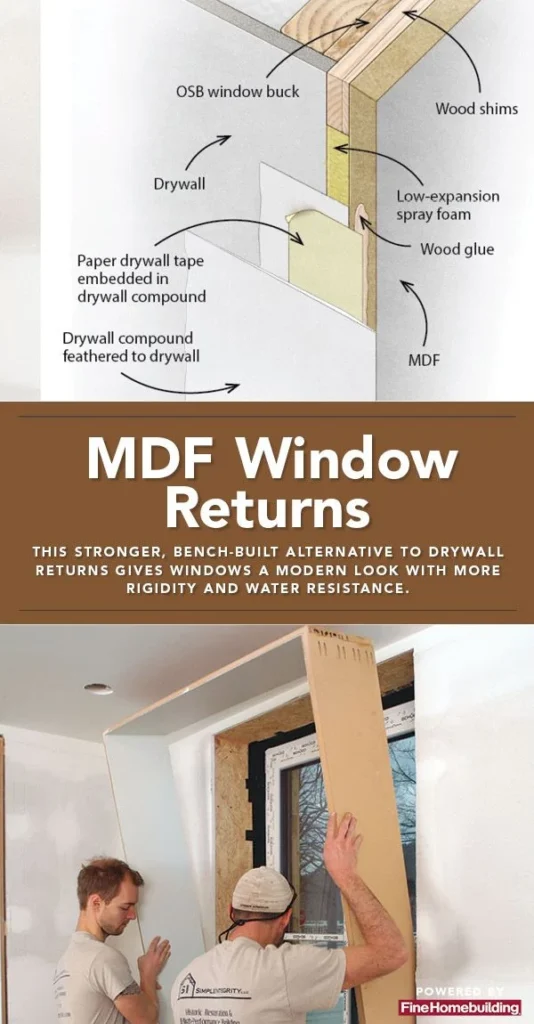
One of the first questions homeowners ask is, “Which option is more affordable?” The answer isn’t black‑and‑white; it depends on material prices, labor rates, and the scale of your project. Below is a general breakdown:
Drywall Window Returns vs Wood – Material Costs
- Drywall: A 4 × 8‑foot sheet of standard ½‑inch drywall costs about $12‑$15. For a typical return, you’ll need a fraction of a sheet, plus joint compound and tape, which adds roughly $5‑$8 per return.
- Wood: Common trim lumber such as pine or poplar runs $1‑$2 per linear foot, while premium hardwoods like oak or walnut can be $4‑$6 per foot. You’ll also need finishing supplies (stain, sealant), adding $3‑$5 per return.
When you factor in labor, drywall installation is often faster, especially if the contractor is already framing the wall. Wood trim, however, may require more meticulous carpentry, increasing labor hours.
Overall, drywall window returns vs wood tend to favor drywall for tight budgets, but wood becomes cost‑effective when you already have leftover lumber or desire a high‑end finish that adds perceived value.
Design Impact: Aesthetic Considerations for Modern Homes

Design is where the rubber meets the road. The visual language of a room can shift dramatically based on whether you choose drywall or wood returns.
Drywall Returns – Seamless Modernism
Drywall returns blend into the surrounding wall, creating an uninterrupted plane that is ideal for minimalist interiors. When painted the same color as the wall, the window appears to float, enhancing natural light and making the space feel larger. This approach works especially well in:
- Scandinavian‑inspired bedrooms with white walls.
- Industrial loft kitchens featuring exposed concrete.
- Small apartments where every visual break costs square footage.
For a touch of texture without the bulk of wood, consider a subtle recessed molding or a thin bead applied to the drywall edge.
Wood Returns – Warmth and Character
Wood adds warmth, depth, and a tactile quality that drywall can’t replicate. The grain of a hardwood or the rustic charm of reclaimed pine can become a focal point, especially when paired with contrasting paint colors. Wood returns shine in settings such as:
- Traditional living rooms with crown molding and wainscoting.
- Cozy home offices where a warm backdrop encourages productivity – see our guide on cozy home office design for inspiration.
- Spaces that celebrate natural materials, like a cabin‑style bedroom.
Staining or painting wood trims allows you to play with color and finish, giving you a versatile design element that can evolve with trends.
Installation Guide: Step‑by‑Step for Drywall Window Returns vs Wood
Whether you’re a DIY enthusiast or hiring a professional, understanding the installation process helps you set realistic expectations and avoid costly mistakes.
Drywall Window Returns vs Wood – Preparation
Both methods start with a clean, level window jamb. Remove any old trim, repair damaged drywall, and ensure the opening is square.
- Drywall: Cut a piece of drywall to the exact height of the window opening, leaving a ¼‑inch gap for expansion. Use a utility knife and a straightedge for accuracy.
- Wood: Measure the width of the window opening and cut the trim to size using a miter saw. A ½‑inch rabbet on the back of the wood creates a snug fit against the jamb.
Installation Steps for Drywall Returns
- Secure the drywall piece to the framing with 1‑inch drywall screws, spacing them every 8 inches.
- Apply joint compound over seams and screw heads, feathering the edges to blend with the surrounding wall.
- Sand the dried compound smooth, then prime and paint to match the existing wall color.
- Finish with a thin bead of caulk at the outer edge to seal any gaps.
Installation Steps for Wood Returns
- Attach the wood return to the window jamb using finishing nails or a nail gun, ensuring the grain aligns with the room’s flow.
- Fill nail holes with wood filler, sand smooth, and apply a coat of primer.
- Stain, paint, or seal the wood according to your design plan. For a natural look, use a clear polyurethane.
- Caulk the outer edge where the wood meets the wall to prevent drafts.
Choosing between drywall window returns vs wood often comes down to your comfort level with tools. Drywall can be a faster DIY job, while wood may require more carpentry skill but offers a richer finish.
Performance and Durability: How Each Material Stands Up to Time
Beyond aesthetics and cost, durability matters for long‑term satisfaction. Moisture, temperature changes, and everyday wear can affect both drywall and wood.
Drywall Returns – Pros and Cons
Drywall is fire‑rated and provides a solid barrier against air infiltration when properly sealed. However, it’s vulnerable to water damage; prolonged exposure can cause swelling, mold, or cracking. In bathrooms or high‑humidity areas, you’ll need a moisture‑resistant (green board) drywall and vigilant sealing.
Wood Returns – Pros and Cons
Wood is naturally resilient to minor moisture fluctuations but can warp or rot if not properly finished. High‑quality sealants protect against humidity, making wood a good choice for windows in living rooms or bedrooms where exposure is limited. Regular maintenance—re‑sealing every few years—keeps the wood looking fresh.
In high‑traffic zones, wood may show dents or scratches, whereas drywall can be patched relatively easily. Ultimately, both materials can perform well when installed correctly and maintained.
Choosing the Right Option for Different Rooms
Every room has its own functional and stylistic demands. Below we match common spaces with the most suitable return material.
Living Room – Balancing Warmth and Modernity
For a contemporary living room that emphasizes clean lines, drywall returns provide a seamless look that lets furniture and art shine. If you prefer a touch of classic elegance, opt for wood returns with a subtle stain that complements your sofa fabric.
Need inspiration for a compact space? Check out our article on affordable small living room styling ideas on a budget for ways to integrate window returns into a cohesive design.
Bedroom – Creating a Calm Retreat
Bedrooms benefit from soft, soothing palettes. Drywall returns painted in the same hue as the walls can make the room feel airy. If you love a cozy, cabin‑like vibe, reclaimed wood returns add texture and warmth, especially when paired with linen bedding.
Kitchen – Handling Heat and Moisture
Kitchens expose windows to steam and occasional splashes. In this environment, moisture‑resistant drywall (green board) with a high‑quality paint can hold up well, provided seams are sealed. Wood returns are also viable if you use a marine‑grade finish, but they require diligent maintenance.
Bathroom – Prioritizing Moisture Resistance
Here, the safest bet is moisture‑resistant drywall with a waterproof membrane behind it. Wood can be used, but only if you apply a waterproof sealant and ensure proper ventilation. In most cases, homeowners choose drywall to avoid the risk of rot.
Quick Tips for a Flawless Finish
- Measure twice, cut once – precise cuts prevent gaps that require excessive caulking.
- Use painter’s tape on drywall edges before applying joint compound to keep lines clean.
- Apply a thin coat of primer to wood before staining; it helps the finish adhere evenly.
- Seal all outer edges with silicone caulk to improve energy efficiency and reduce drafts.
- Test paint colors on a small section of the return before committing to the full wall.
Common Mistakes and How to Avoid Them
Even seasoned DIYers can slip up when tackling drywall window returns vs wood. Awareness of typical pitfalls helps you stay on track.
- Ignoring expansion gaps: Both drywall and wood expand with humidity. Leave a ¼‑inch gap at the outer edge to prevent buckling.
- Skipping the moisture barrier: In bathrooms or kitchens, a lack of green board or proper sealant leads to mold growth.
- Over‑sanding wood: Removing too much of the grain reduces the natural look and can create uneven staining.
- Rushing the joint compound: Applying thin layers and sanding between coats yields a smoother transition than a single thick coat.
- Choosing the wrong paint finish: Glossy paint on drywall returns can highlight imperfections; matte or eggshell finishes are more forgiving.
Frequently Asked Questions
Can I mix drywall and wood returns in the same house?
Yes, mixing is common. Use drywall returns in high‑moisture areas like bathrooms and wood returns in living spaces where you want added warmth. Just ensure each material is properly finished for its environment.
Is drywall more fire‑resistant than wood?
Drywall has a fire‑rating (typically 30‑minute fire resistance) that wood lacks unless it’s specially treated. For homes where fire safety is a priority, drywall returns offer an extra layer of protection.
How do I repair a cracked drywall return?
Small cracks can be fixed with joint compound and a new coat of paint. For larger damage, cut out the damaged section, replace with a new piece of drywall, tape, mud, sand, and finish.
Do wood returns require more maintenance than drywall?
Wood needs periodic resealing or repainting to protect against moisture and wear, especially in high‑traffic areas. Drywall typically only needs touch‑up paint if it gets dinged.
Which option adds more value to a home?
Both can add value when executed well. High‑end wood trim may appeal to buyers seeking craftsmanship, while seamless drywall returns can attract those preferring a modern, low‑maintenance aesthetic. The key is consistency with the overall design.
Can I install drywall returns myself if I have no carpentry experience?
Absolutely. Drywall returns are generally more forgiving for beginners. Just follow proper safety guidelines, use the right tools, and be patient with taping and sanding.
Choosing between drywall window returns vs wood ultimately hinges on your design goals, budget, and willingness to maintain the material. Both have distinct advantages, and the right decision will enhance the comfort and style of your home for years to come.
Putting It All Together: Final Thoughts on Drywall Window Returns vs Wood
We’ve walked through cost, design impact, installation steps, durability, and room‑specific recommendations. Armed with this knowledge, you can confidently assess whether drywall returns or wood trims better serve your project’s needs. Remember that the best choice is the one that harmonizes with your overall interior design scheme, fits your budget, and stands up to the environmental conditions of each room.
Take the time to source quality materials, plan your measurements meticulously, and finish each return with care. The result will be a polished, cohesive window treatment that subtly frames the view and elevates the entire space.
Ready to start? Browse more home décor ideas on The Homara, experiment with different finishes, and enjoy the transformation of your windows into true design statements.