
Table of Contents
- Affordable Small Living Room Styling: Foundations
- Choosing a Color Palette That Expands Space
- Smart Furniture Choices for Small Spaces
- Affordable Small Living Room Styling: Multi‑Functional Layouts
- Lighting: The Unsung Hero of Small Rooms
- Accessorizing on a Budget
- Quick Home Décor Tips
- Common Mistakes in Small Living Room Design
- Frequently Asked Questions
- Putting It All Together
Living in a compact apartment or a modest house doesn’t mean you have to sacrifice style. With the right approach, an affordable small living room styling plan can turn a cramped area into a welcoming, functional haven. Whether you’re a first‑time renter, a budget‑conscious homeowner, or simply love the challenge of maximizing square footage, the strategies below will help you create a modern look without breaking the bank.
In this article we’ll walk through the core principles of designing a petite living room on a shoestring budget. From choosing the right color palette to picking multi‑purpose furniture, each tip is rooted in practical interior design expertise. You’ll also find quick‑action ideas, common pitfalls to avoid, and answers to the most frequent questions people ask when styling small spaces.
Ready to transform your living room into a stylish, affordable retreat? Let’s dive into the essential steps that make a big impact in a small footprint.
Affordable Small Living Room Styling: Foundations
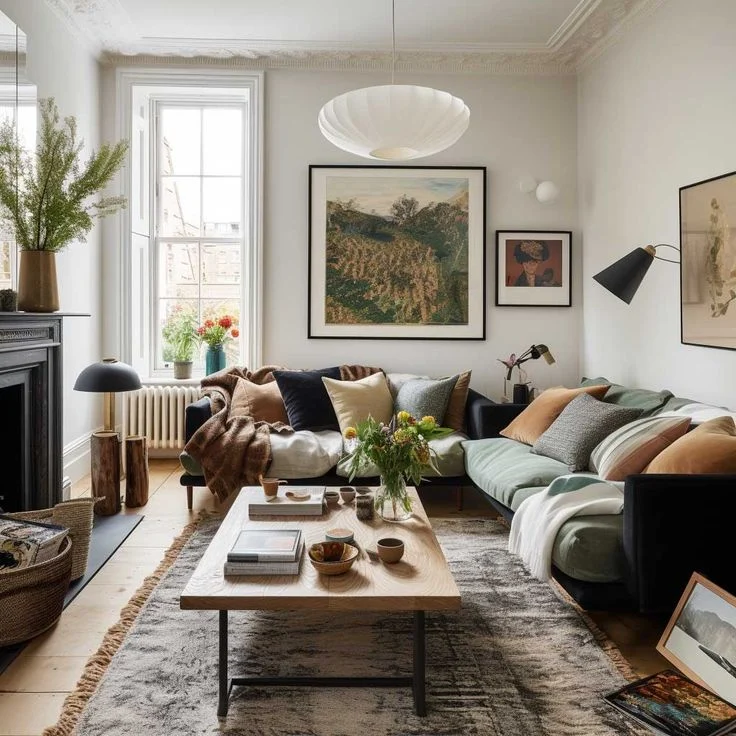
The first step in any successful redesign is setting a clear foundation. Start by measuring the room accurately—length, width, and ceiling height—to understand the spatial limits. This information guides every subsequent decision, from furniture scale to lighting placement. When you know exactly how much room you have, you can avoid buying oversized pieces that overwhelm the space.
Next, establish a budget ceiling. Allocate roughly 50 % of your budget to core furniture (sofa, chairs, coffee table), 30 % to décor and accessories, and the remaining 20 % to lighting and storage solutions. This split ensures you invest in pieces that matter most while still having room for personality‑adding accents.
Finally, choose a unifying design theme. A cohesive look—whether minimalist, mid‑century modern, or cozy Scandinavian—creates visual continuity, making the room feel larger than it is. Stick to a limited color palette and repeat a few key materials (like wood or metal) throughout the space.
Choosing a Color Palette That Expands Space
Light, neutral tones are the classic choice for expanding visual space. Soft whites, warm greys, and muted beiges reflect more light, which opens up the room. Pair these neutrals with one or two accent colors—such as muted teal or dusty rose—to add interest without clutter.
- Wall paint: Opt for a matte or low‑sheen finish to avoid glare.
- Ceiling: Paint the ceiling a shade lighter than the walls for an uplifting effect.
- Flooring: Light hardwood or large‑format porcelain tiles keep the floor visually spacious.
For a budget‑friendly paint job, consider using a high‑quality interior paint that offers good coverage in one coat. This reduces labor costs if you’re doing it yourself.
Smart Furniture Choices for Small Spaces
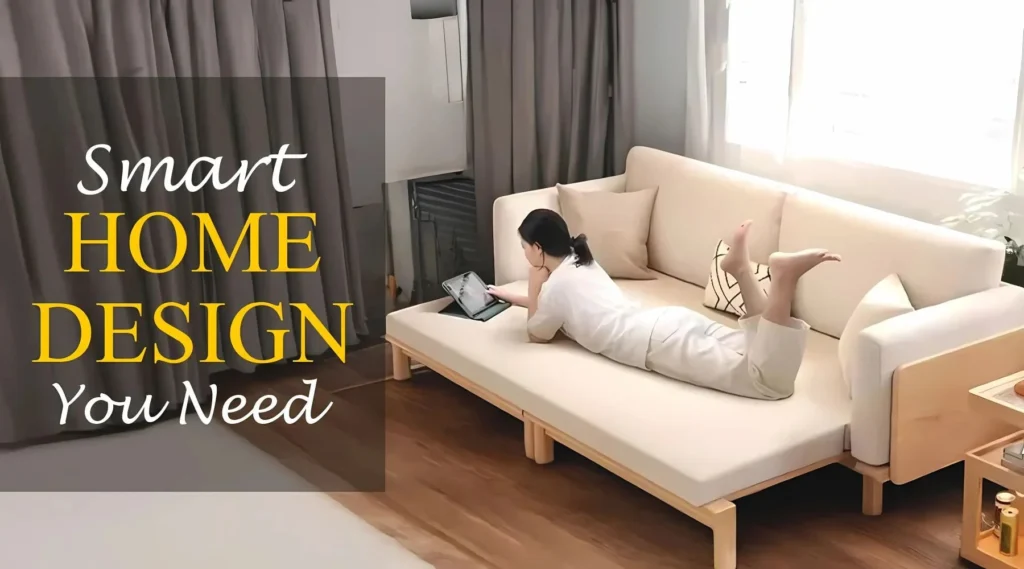
When it comes to affordable small living room styling, the furniture you select determines both comfort and flow. Look for pieces that are scaled to the room’s dimensions and that serve multiple functions.
Here are three smart furniture strategies:
- Low‑profile sofas: A sofa with a sleek, low back and slim arms takes up less vertical space, leaving more room for flooring.
- Expandable coffee tables: Tables that can be raised or split into side tables provide flexibility for gatherings.
- Built‑in storage ottomans: These double as seating, footrests, and hidden storage for blankets or magazines.
If you’re hunting for deals, check out local thrift stores, online marketplaces, and clearance sections of major retailers. Often you’ll find gently used pieces that just need a fresh coat of paint or new hardware to match your design scheme.
Affordable Small Living Room Styling: Multi‑Functional Layouts
A well‑thought‑out layout can make a tiny living room feel airy. Follow these layout rules:
- Float the sofa: Rather than pushing furniture against walls, pull the sofa slightly inward. This creates a sense of depth.
- Anchor with a rug: Choose a rug that is slightly larger than the seating area to define the space without cutting it off.
- Zone with furniture: Use a narrow console or bookshelf to separate the living area from a home office corner.
For more inspiration on mixing work and living spaces, see our guide on Cozy Home Office Design: Build a Productive, Inviting Space.
Lighting: The Unsung Hero of Small Rooms
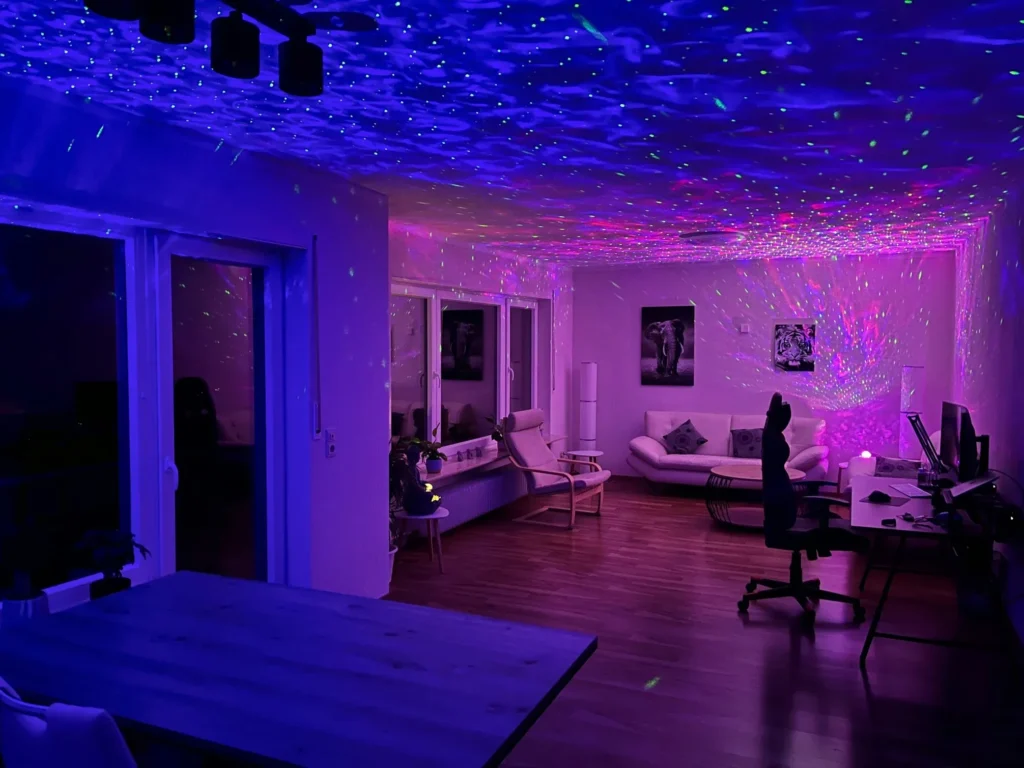
Lighting can dramatically affect perception of size. Aim for a layered lighting approach that includes ambient, task, and accent lights.
Ambient lighting—such as a ceiling fixture or recessed LEDs—provides overall illumination. Choose a fixture with a low profile to keep the ceiling feeling high.
Task lighting—like floor lamps or table lamps—focuses light where you need it, such as beside a reading chair or next to a side table.
Accent lighting—including wall sconces or LED strip lights behind shelving—adds depth and draws attention to decorative elements.
If you’re debating ceiling height, read 8 vs 9 foot ceilings making the right choice for your home for guidance on how ceiling proportions impact lighting choices.
Accessorizing on a Budget
Accessories are the finishing touches that give personality to an affordable small living room styling plan. The key is to choose items that add visual interest without crowding the space.
- Wall art: Large‑scale prints in simple frames create a focal point without overwhelming the walls.
- Plants: A few low‑maintenance greenery pieces introduce texture and a sense of calm.
- Cushions and throws: Use them to inject accent colors; swap them seasonally for a fresh look.
DIY projects can also stretch your budget. For example, learn how to create custom wall décor with our DIY wooden frame wall décor: A Complete Guide for Modern Home Styling. A hand‑made piece not only saves money but adds a personal touch.
Quick Home Décor Tips
- Mirror magic: Hang a large mirror opposite a window to double natural light.
- Vertical storage: Use tall, narrow bookshelves to keep floor space open.
- Declutter daily: Keep surfaces clear to maintain a spacious feel.
Common Mistakes in Small Living Room Design
Even seasoned decorators can slip up when tackling compact spaces. Avoid these frequent errors:
- Over‑furnishing: Too many pieces choke circulation; stick to essential items.
- Heavy drapery: Bulky curtains add visual weight; opt for light, airy fabrics or sheer panels.
- Ignoring scale: A massive coffee table can dominate a tiny room; choose proportionate pieces.
- Misusing patterns: Large, bold patterns can overwhelm; use subtle prints or limit them to one element.
Frequently Asked Questions
How can I make a small living room feel larger without spending a lot?
Focus on light colors, reflective surfaces, and strategic lighting. Adding a large mirror or using glass furniture can create an illusion of depth at minimal cost.
What type of sofa works best in a tight space?
Low‑profile sofas with slim arms and a compact footprint are ideal. Sectional pieces can work if they are L‑shaped and fit into corners, but avoid overly bulky designs.
Is it okay to use bold colors in a small room?
Yes, but limit bold hues to accent pieces like cushions, rugs, or a single accent wall. Keeping the majority of the palette neutral maintains an open feel.
Can I incorporate a home office into my small living room?
Absolutely. Choose a narrow desk or a wall‑mounted floating desk and pair it with a sleek office chair. Use a bookshelf as a subtle divider to separate work from relaxation.
What flooring option is best for budget‑friendly small living rooms?
Large‑format porcelain tiles or laminate flooring in a light tone are cost‑effective and create a seamless visual flow that enlarges the space.
Putting It All Together
When you bring together color, furniture, lighting, and accessories with intention, affordable small living room styling becomes an achievable reality. Start by clearing the room of unnecessary items, then layer in the basics—light walls, a well‑scaled sofa, and strategic lighting. Add personality through thoughtfully chosen accessories, and remember that every piece should serve a purpose, either functional or visual.
By following the steps outlined above, you’ll not only stay within budget but also create a living room that feels spacious, inviting, and distinctly yours. For more ideas on optimizing tight spaces, explore our other articles on small‑room décor, storage hacks, and modern styling.
Enjoy the process, experiment with affordable finds, and watch how a few smart choices can dramatically transform even the coziest of living rooms.
[Living Room]: Living Room