
Table of Contents
- Why Pitch Matters: Structural and Aesthetic Implications
- Material Costs: Shingles, Underlayment, and Flashing
- Labor Expenses: Framing, Installation, and Safety
- Energy Efficiency and Long‑Term Savings
- Cost‑Breakdown Example: 2,000‑Sq‑Ft Residential Roof
- Design Considerations: Matching Roof Pitch to Home Style
- Quick Tips for Managing Roof Pitch Costs
- Common Mistakes Homeowners Make
- Frequently Asked Questions
- Is the 8 12 roof pitch always cheaper than the 10 12 pitch?
- How does roof pitch affect insurance premiums?
- Can I change the pitch on an existing roof without rebuilding the whole house?
- What roof pitch works best for solar panel installation?
- Does a steeper pitch increase the lifespan of a roof?
8 12 vs 10 12 Roof Pitch Cost: What Homeowners Need to Know
When you start planning a roof replacement or a new construction, the pitch of the roof is one of the first numbers you’ll encounter. An 8 12 roof pitch means the roof rises eight inches for every twelve inches of horizontal run, while a 10 12 pitch rises ten inches over the same distance. The difference may seem subtle, but it can have a noticeable impact on material quantities, labor hours, and ultimately the total cost.
Understanding the 8 12 vs 10 12 roof pitch cost relationship helps you avoid surprise expenses and make design choices that align with both aesthetic goals and budget constraints. In this article we’ll break down the factors that drive the price difference, compare the pros and cons of each slope, and give you practical tips for budgeting your next roofing project.
Why Pitch Matters: Structural and Aesthetic Implications

The pitch of a roof influences everything from water runoff to the amount of attic space you’ll have. An 8 12 pitch offers a flatter profile, which can be easier to install on larger spans but may collect more debris. A 10 12 pitch, being steeper, sheds water faster and often provides more usable attic volume, but it can increase the complexity of framing and shingle installation.
From a cost perspective, the steeper 10 12 slope typically requires more lumber for rafters and additional bracing to meet building code requirements. The extra angle also means more shingles per square foot because each piece must cover a larger surface area. These structural nuances directly affect the 8 12 vs 10 12 roof pitch cost comparison.
Material Costs: Shingles, Underlayment, and Flashing
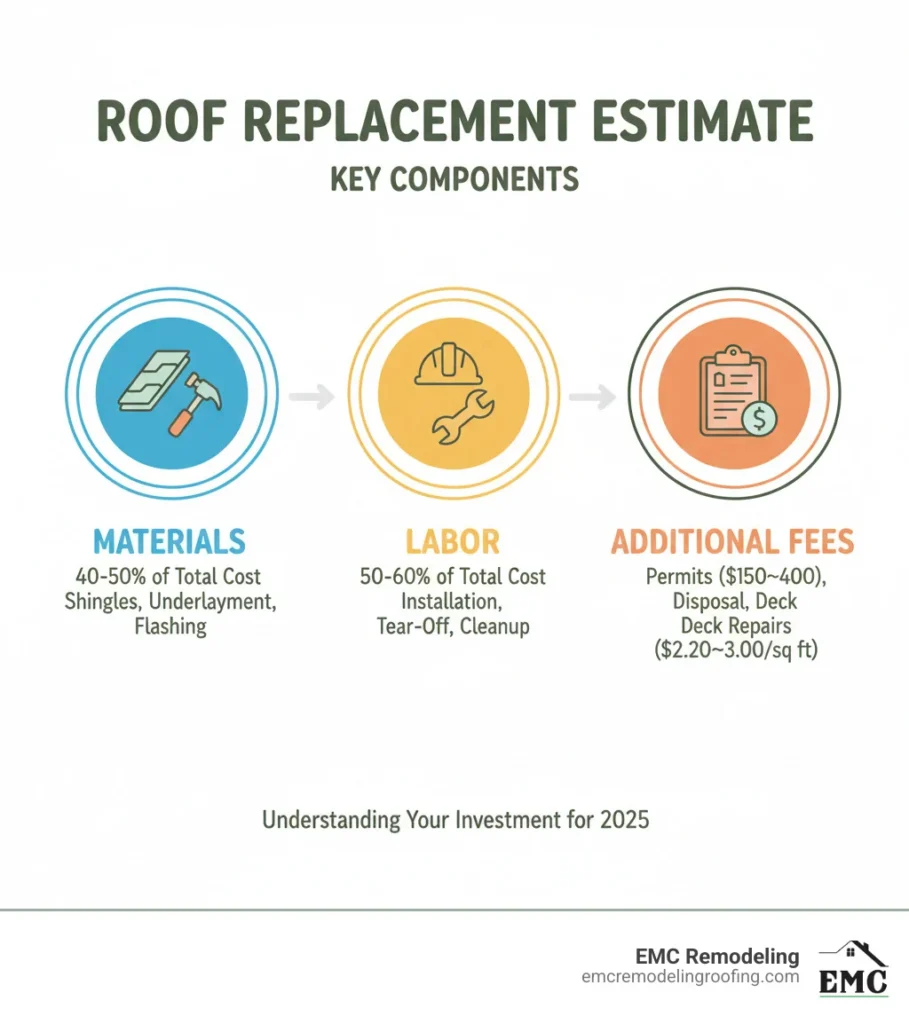
Shingles are priced per “square” (100 sq ft), but a steeper roof needs more squares to cover the same footprint. For an 8 12 pitch, you might need roughly 10% fewer squares than a 10 12 pitch. If a bundle of asphalt shingles costs $120 per square, the material difference can add up to $300–$500 on a 2,000‑sq‑ft roof.
Underlayment and flashing follow the same rule. A higher pitch often demands thicker, more durable underlayment to protect against wind uplift. The cost increase is modest—usually $0.10–$0.15 per square foot—but it contributes to the overall 8 12 vs 10 12 roof pitch cost equation.
Labor Expenses: Framing, Installation, and Safety

Labor is where the biggest cost divergence appears. Framing a 10 12 roof typically requires longer, more precisely cut rafters, and may involve additional trusses or collar ties. Carpenters often charge 10–15% more for the extra cutting time and the need for specialized equipment such as scaffolding for higher work areas.
Installation crews also spend more time nailing shingles on a steeper surface to maintain proper alignment and prevent wind damage. According to the 8 vs 9 foot ceilings making the right choice for your home guide, the same principle of increased labor applies to roof pitch: the steeper the angle, the higher the labor cost.
Energy Efficiency and Long‑Term Savings
While the upfront 8 12 vs 10 12 roof pitch cost might favor the flatter 8 12, a steeper 10 12 roof can provide better ventilation and insulation performance. More attic space allows for thicker insulation and improved airflow, which can lower heating and cooling bills by up to 5% annually. Over a 20‑year lifespan, those savings can offset the higher initial expense.
Additionally, the faster water runoff on a 10 12 pitch reduces the risk of ice dams in colder climates, potentially decreasing maintenance costs and extending the roof’s service life.
Cost‑Breakdown Example: 2,000‑Sq‑Ft Residential Roof
Below is a simplified cost breakdown for a typical 2,000‑sq‑ft roof, assuming average material and labor rates in the United States.
- 8 12 Pitch:
- Shingles: 18 squares × $120 = $2,160
- Underlayment & flashing: $0.25/sq ft = $500
- Framing labor: $3,500
- Installation labor: $4,200
- Total Approx. $10,360
- 10 12 Pitch:
- Shingles: 20 squares × $120 = $2,400
- Underlayment & flashing: $0.30/sq ft = $600
- Framing labor: $4,000
- Installation labor: $4,800
- Total Approx. $12,800
This example illustrates a $2,440 difference, roughly a 23% increase for the 10 12 pitch. Your actual numbers will vary based on region, contractor rates, and material choices, but the pattern holds: steeper roofs cost more upfront.
Design Considerations: Matching Roof Pitch to Home Style
Beyond numbers, the visual impact of roof pitch plays a crucial role in curb appeal. Traditional Colonial and Cape Cod homes often feature an 8 12 pitch, creating a balanced, modest silhouette. Contemporary designs, especially those with tall windows or modern façades, tend to favor a 10 12 pitch for a more dynamic profile.
When selecting between the two, consider the overall proportion of the house, the surrounding neighborhood, and any homeowners’ association guidelines. A well‑matched roof pitch can boost resale value, sometimes offsetting the higher 8 12 vs 10 12 roof pitch cost through increased market appeal.
Quick Tips for Managing Roof Pitch Costs
- Obtain at least three detailed quotes that break down material and labor separately.
- Ask contractors if they can source locally manufactured shingles, which can reduce shipping fees.
- Plan for proper ventilation early; adding ridge vents can improve energy efficiency without extra framing.
Common Mistakes Homeowners Make
Many homeowners assume that a flatter roof is always cheaper, but overlooking long‑term maintenance can backfire. Ignoring proper flashing on an 8 12 roof can lead to leaks that cost thousands to repair later. Conversely, opting for a 10 12 pitch without adequate structural support may result in code violations and the need for costly retrofits.
Another frequent error is under‑estimating the impact of roof pitch on interior space. A steeper roof can create valuable attic storage, while a flatter roof may limit it, affecting future renovation plans.
Frequently Asked Questions
Is the 8 12 roof pitch always cheaper than the 10 12 pitch?
Generally, yes. The 8 12 pitch requires fewer shingles and less complex framing, resulting in lower material and labor costs. However, regional labor rates, material discounts, and specific design requirements can narrow the gap.
How does roof pitch affect insurance premiums?
Insurers often view steeper roofs as less prone to water pooling and ice dam formation, which can lead to modest discounts on premiums. Some carriers may also require higher pitches in areas with heavy snowfall.
Can I change the pitch on an existing roof without rebuilding the whole house?
Altering pitch on an existing structure is challenging and usually requires extensive framing work, including new rafters or trusses. It’s often more cost‑effective to replace the roof with the same pitch rather than attempt a major angle change.
What roof pitch works best for solar panel installation?
Solar panels perform best on pitches between 15° and 30°. Both 8 12 (≈33.7°) and 10 12 (≈39.8°) fall within a workable range, but the 8 12 pitch may require fewer mounting brackets, slightly reducing installation costs.
Does a steeper pitch increase the lifespan of a roof?
Steeper roofs shed water faster, reducing moisture intrusion and prolonging shingle life. However, the longevity also depends on material quality, ventilation, and maintenance practices.
Choosing between an 8 12 and a 10 12 roof pitch ultimately balances initial cost, long‑term performance, and aesthetic goals. By understanding the specific cost drivers—materials, labor, and energy efficiency—you can make a decision that fits both your budget and your design vision.
For more inspiration on how roof pitch integrates with interior spaces, explore our guide on Cozy Home Office Design: Build a Productive, Inviting Space. If you’re curious about how ceiling height interacts with roof slope, the article on 8 vs 9 foot ceilings making the right choice for your home offers valuable insights. And for a DIY touch, check out DIY wooden frame wall décor for ways to highlight your roof’s character from the inside.
By planning carefully, comparing multiple quotes, and weighing both short‑term expenses and long‑term benefits, you’ll be equipped to decide whether the 8 12 or the 10 12 pitch offers the best value for your home.