
Table of Contents
- peaceful bedroom interior design ideas: Choosing a Calming Color Palette
- peaceful bedroom interior design ideas – Lighting Strategies
- Furniture Selection for Comfort & Flow
- Textiles & Layering for Sensory Warmth
- Decluttering & Smart Storage Solutions
- Incorporating Nature & Biophilic Elements
- Quick Tips for a Soothing Bedroom Makeover
- Common Mistakes and How to Avoid Them
- Frequently Asked Questions
- Bringing It All Together
Peaceful Bedroom Interior Design Ideas for a Serene Retreat
When the day’s noise fades and the lights dim, the bedroom should feel like a personal oasis—a place where the mind can unwind and the body can recharge. Yet many of us enter the room and are greeted by clutter, harsh lighting, or colors that energize rather than soothe. Transforming that space into a haven does not require a complete overhaul; it calls for thoughtful, intentional choices that align with the principle of calm.
This guide walks you through a series of peaceful bedroom interior design ideas that blend modern aesthetics with timeless serenity. Whether you live in a compact city apartment or a spacious suburban home, the strategies below will help you create a bedroom that whispers relaxation, encourages restful sleep, and reflects a refined sense of style. From color psychology to the subtle art of layering textiles, you’ll discover practical steps you can implement today.
peaceful bedroom interior design ideas: Choosing a Calming Color Palette
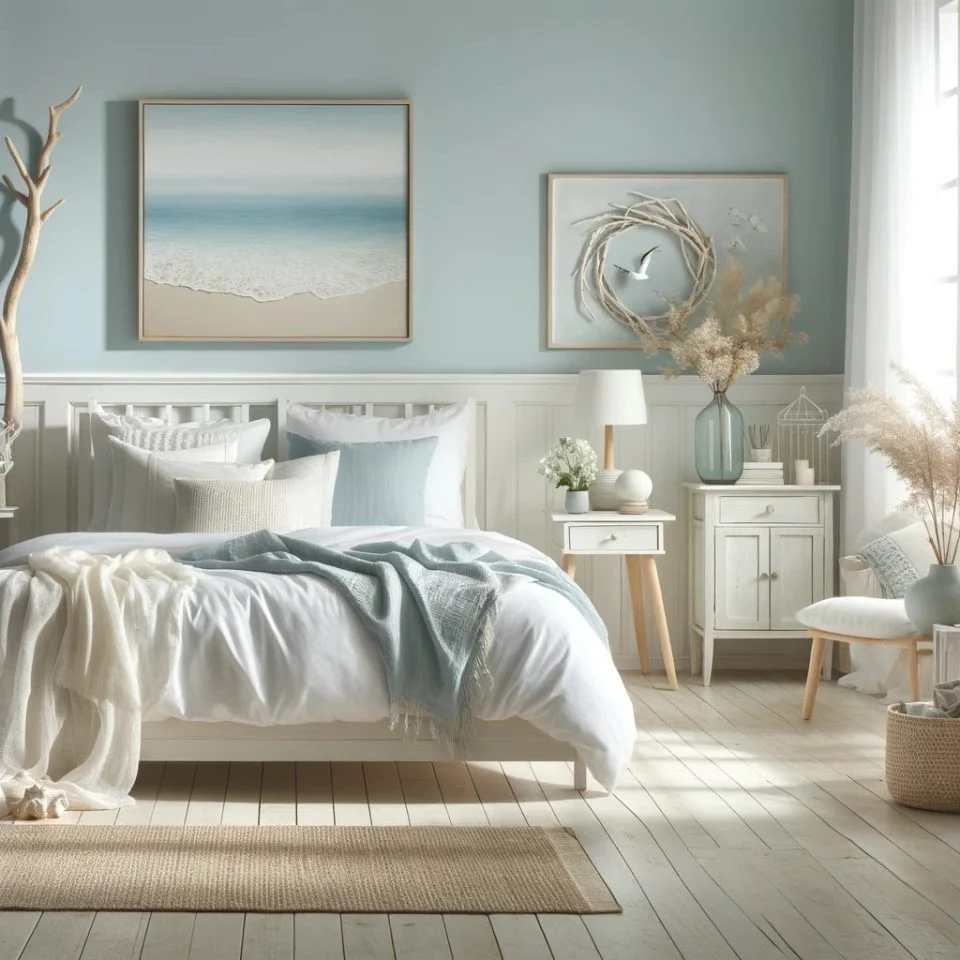
The first impression of any room begins with its walls. Soft, muted hues act as a visual lullaby, reducing visual stress and encouraging a slower pace of thought. When selecting a palette, consider the psychological impact of color:
- Cool neutrals – Shades such as dove gray, warm ivory, or pale taupe create a backdrop that feels airy yet grounded.
- Soft blues and greens – Light teal, sage, or sky‑blue echo the tranquility of water and nature, making them ideal for a restful atmosphere.
- Warm pastel tones – Blush pink, muted lavender, or buttery yellow can add a gentle warmth without overwhelming the senses.
For a cohesive look, limit the palette to three main colors: a dominant wall shade, a complementary accent, and a subtle trim color. This restraint prevents visual clutter and reinforces the peaceful intent of the design.
Pro tip: If you’re hesitant about committing to a bold hue, start with an accent wall. A single, carefully chosen wall painted in a deeper shade of your chosen color can add depth while keeping the overall vibe serene.
peaceful bedroom interior design ideas – Lighting Strategies
Lighting is the invisible sculptor of mood. In a bedroom, the goal is to layer illumination so that you can transition smoothly from waking activities to winding down. Here’s how to achieve a balanced luminous environment:
- Ambient lighting – Overhead fixtures with dimmable LEDs provide a gentle wash of light. Choose fixtures with fabric shades or frosted glass to diffuse harsh glare.
- Task lighting – Bedside table lamps with warm‑toned bulbs are perfect for reading without straining the eyes. Consider adjustable arms for flexibility.
- Accent lighting – LED strip lights behind headboards or under floating shelves add a soft glow that highlights textures without dominating the space.
Incorporating natural light is equally important. Light, sheer curtains filter sunlight, allowing daylight to fill the room while maintaining privacy. If your bedroom faces a noisy street, blackout curtains can be paired with a sheer layer to keep the room bright during the day and dark at night.
Furniture Selection for Comfort & Flow
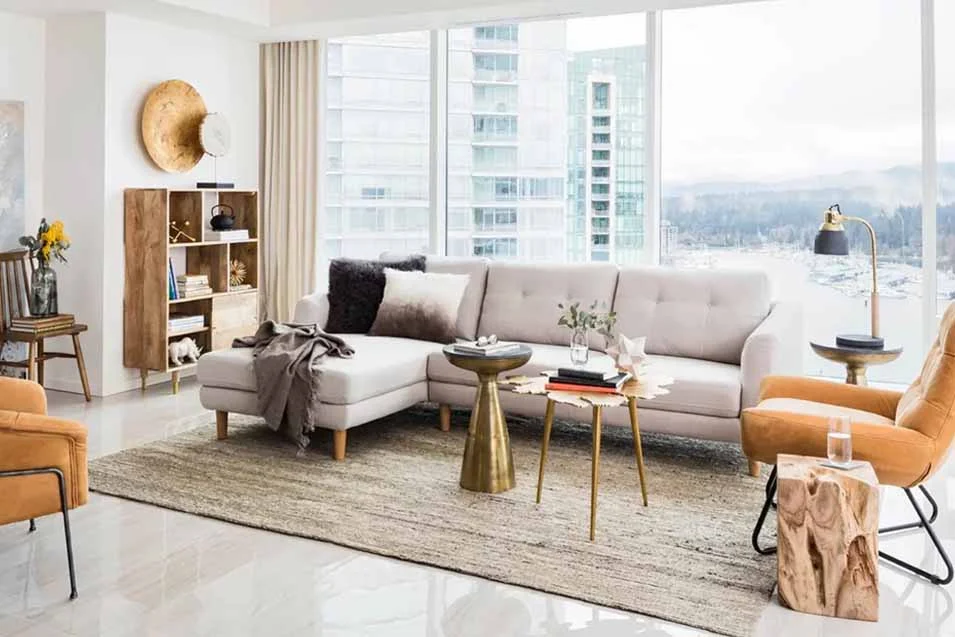
The pieces you place in a bedroom should support both function and the feeling of calm. Opt for furniture with clean lines, low profiles, and natural materials. Here are key considerations:
- Bed frame – Upholstered headboards in linen or velvet add softness, while wooden frames keep the aesthetic grounded.
- Nightstands – Choose nightstands that are proportionate to the bed height. Floating nightstands create a sense of openness and reduce visual bulk.
- Storage – A platform bed with built‑in drawers eliminates the need for a separate dresser, freeing up floor space.
When arranging furniture, follow the principle of “traffic flow.” Keep pathways at least 30‑36 inches wide, allowing easy movement around the room. This subtle spatial generosity contributes to a tranquil atmosphere, as cramped spaces often increase stress.
For inspiration on how to make the most of limited square footage, check out our article on Small Bedroom Wall Panel Décor Ideas for Stylish Compact Spaces. The ideas there can be adapted to any bedroom size, emphasizing simplicity and calm.
Textiles & Layering for Sensory Warmth

Textures play a silent but powerful role in establishing peace. Soft fabrics invite touch, while varied layers add visual depth without overwhelming the eye. Consider these layering strategies:
- Bedding – Start with high‑quality cotton or linen sheets in a neutral tone. Add a lightweight duvet cover and a few plush throw blankets in complementary shades.
- Rugs – A low‑pile rug in natural fibers (jute, sisal) under the bed anchors the space and muffles footsteps, reducing auditory distractions.
- Cushions & poufs – Introduce small accent pillows in muted patterns to soften the edge of a bench or chair.
Don’t overlook window treatments. Layered curtains—sheer under blackout—give you control over light, temperature, and privacy, all while adding a gentle visual softness.
Decluttering & Smart Storage Solutions
Clutter is the antithesis of peace. A bedroom that feels organized automatically promotes mental clarity. Here are three proven decluttering tactics:
- Curate daily essentials – Keep only items you use nightly (lamp, alarm clock, book) on your nightstands. Store everything else.
- Use vertical space – Tall wardrobes, wall‑mounted shelves, and hanging organizers free up floor area.
- Adopt “out‑of‑sight” storage – Baskets, decorative boxes, and under‑bed drawers hide miscellaneous items while maintaining aesthetic harmony.
For a creative twist on storage, our Creative Small Space Décor Ideas – Transform Tiny Rooms article showcases multi‑functional furniture that doubles as art, perfect for maintaining a serene vibe.
Incorporating Nature & Biophilic Elements
Biophilic design—bringing elements of the natural world indoors—has been shown to lower cortisol levels and improve sleep quality. Integrating nature into your bedroom doesn’t require a greenhouse; subtle touches work best.
- Houseplants – Low‑maintenance varieties like snake plant, ZZ plant, or pothos thrive in low light and purify air.
- Natural materials – Wooden frames, stone nightstands, or rattan baskets echo outdoor textures.
- Organic artwork – Landscape prints, botanical illustrations, or a simple framed leaf pattern add visual serenity.
For a DIY approach, the DIY decorative jars with rope tutorial demonstrates how to create rustic, nature‑inspired containers that can hold candles, small plants, or essential oils—perfect for a calming bedside ritual.
Quick Tips for a Soothing Bedroom Makeover
- Swap harsh white bulbs for warm‑tone LEDs (2700‑3000 K).
- Introduce a single piece of artwork that features calming colors.
- Keep electronics to a minimum; store chargers and cords in a drawer.
- Use a diffuser with lavender or chamomile essential oil for a relaxing scent.
- Arrange furniture so the bed faces the entry point, but not directly in line with the door, to promote a sense of security.
Common Mistakes and How to Avoid Them
Even well‑intentioned decorators can stumble into pitfalls that undermine the peaceful vibe. Recognize and correct these common errors:
- Over‑decorating – Too many decorative objects create visual noise. Stick to a “one‑in, two‑out” rule for accessories.
- Choosing the wrong scale – Bulky furniture in a small bedroom feels oppressive. Opt for streamlined pieces that respect proportion.
- Ignoring acoustics – Hard surfaces amplify sound. Add soft textiles (rugs, curtains) to absorb noise, especially in city apartments.
- Neglecting personal comfort – Aesthetic choices should never sacrifice comfort. Invest in a high‑quality mattress and pillows that suit your sleep style.
Frequently Asked Questions
What color is best for a calming bedroom?
Soft neutrals, cool blues, and muted greens are most effective for creating a tranquil atmosphere. These colors lower heart rate and encourage relaxation without feeling cold or sterile.
How can I make a small bedroom feel more spacious?
Use a light color palette, incorporate mirrors to reflect light, and choose multi‑functional furniture (e.g., a storage bed). Keeping floor space clear and employing vertical storage also enhances the sense of openness.
Is it okay to have electronics in a peaceful bedroom?
Yes, but limit them to essential items. Keep phones, laptops, and televisions out of sight or use a charging station that blends with the décor. Turning off blue‑light sources at least an hour before bed supports better sleep.
What type of lighting works best for relaxation?
Warm‑tone, dimmable LEDs provide the most soothing illumination. Pair them with bedside lamps or wall sconces that create a soft pool of light for reading, and use layered lighting to transition from bright to low‑key as night falls.
Can I use bold patterns in a peaceful bedroom?
Yes, but keep them limited to small accent pieces—such as a single throw pillow or a narrow rug. The dominant elements should remain solid or subtly textured to maintain calm.
These FAQs address the most common concerns of readers seeking a restful retreat. By applying the answers, you’ll avoid typical design pitfalls and move closer to a bedroom that genuinely nurtures peace.
Bringing It All Together
Crafting a sanctuary begins with intention. By selecting a soothing color scheme, layering gentle lighting, choosing furniture that promotes flow, and incorporating natural textures, you lay the foundation for a bedroom that feels like a gentle pause in a busy day. Remember to keep clutter at bay, use biophilic touches, and stay mindful of scale and personal comfort.
Implementing these peaceful bedroom interior design ideas doesn’t have to happen all at once. Start with one change—perhaps swapping harsh lighting for a warm dimmer—and observe how it transforms the room’s mood. Gradually layer additional elements, and you’ll notice a cumulative effect that turns your bedroom into a true haven.
Now that you’re equipped with a comprehensive toolbox of strategies, take the first step toward redesigning your personal retreat. Let the calmness you create at home echo into every aspect of your life, enhancing rest, productivity, and overall well‑being. For more inspiration, explore the rest of The Homara’s design guides, where modern aesthetics meet functional serenity.