
Table of Contents
- Best Indoor Trees for Low Light: Top Selections
- How to Choose the Best Indoor Trees for Low Light
- Integrating Low‑Light Trees into Different Rooms
- Living Room
- Bedroom
- Home Office
- Bathroom
- Care Essentials for Low‑Light Trees
- Styling Tips for a Cohesive Look
- Quick Tips for Thriving Low‑Light Trees
- Common Mistakes and How to Avoid Them
- Frequently Asked Questions
Best Indoor Trees for Low Light – A Complete Guide for Stylish Homes
Living in an apartment or a house where natural sunlight is scarce doesn’t mean you have to sacrifice the soothing presence of greenery. Selecting the right trees that thrive in shade can transform a dim corner into a tranquil oasis while enhancing your interior design. In this guide we’ll explore which species are truly the best indoor trees for low light, how to care for them, and creative ways to integrate them into modern home décor.
Whether you’re a seasoned plant parent or just beginning to explore indoor foliage, understanding the light requirements and maintenance habits of each tree will save you time, money, and frustration. Below you’ll find practical recommendations, styling tips for different rooms, and answers to common questions that will help you make confident choices.
Best Indoor Trees for Low Light: Top Selections
Not every tree can survive in a room with minimal sunlight. The following species have proven track records for flourishing in low‑light environments while adding height and texture to any space.
- ZZ Plant (Zamioculcas zamiifolia) – Although technically a succulent, its upright stalks resemble a small tree and it tolerates very low light.
- Snake Plant (Sansevieria trifasciata) – Known for its architectural leaves, this plant can survive in fluorescent lighting, making it perfect for offices.
- Parlor Palm (Chamaedorea elegans) – A true palm that thrives in indirect light and adds a tropical feel without demanding bright windows.
- Lady Palm (Rhapis excelsa) – Similar to the Parlor Palm but with a slightly broader leaf, it tolerates low‑light corners beautifully.
- Fiddle Leaf Fig (Ficus lyrata) – Dwarf varieties – While the standard Fiddle Leaf Fig needs bright light, dwarf cultivars can adapt to lower light levels if not over‑watered.
- Dracaena marginata – Its slender, red‑edged leaves are forgiving of low light and make a striking vertical accent.
These selections represent the best indoor trees for low light, offering a range of leaf shapes, colors, and sizes to suit any interior design scheme.
How to Choose the Best Indoor Trees for Low Light
When deciding which tree to bring home, consider the following factors:
- Space availability – Measure the height and width of the intended spot. A tall tree like a Parlor Palm needs at least a 6‑foot ceiling.
- Maintenance level – Some low‑light trees, such as ZZ plants, require minimal watering, while others like the Dracaena benefit from regular leaf dusting.
- Pet safety – If you have cats or dogs, avoid toxic species like the Dieffenbachia.
- Design harmony – Choose a foliage color and texture that complements your existing palette. A neutral‑green snake plant works well with a relaxed neutral palette.
Integrating Low‑Light Trees into Different Rooms
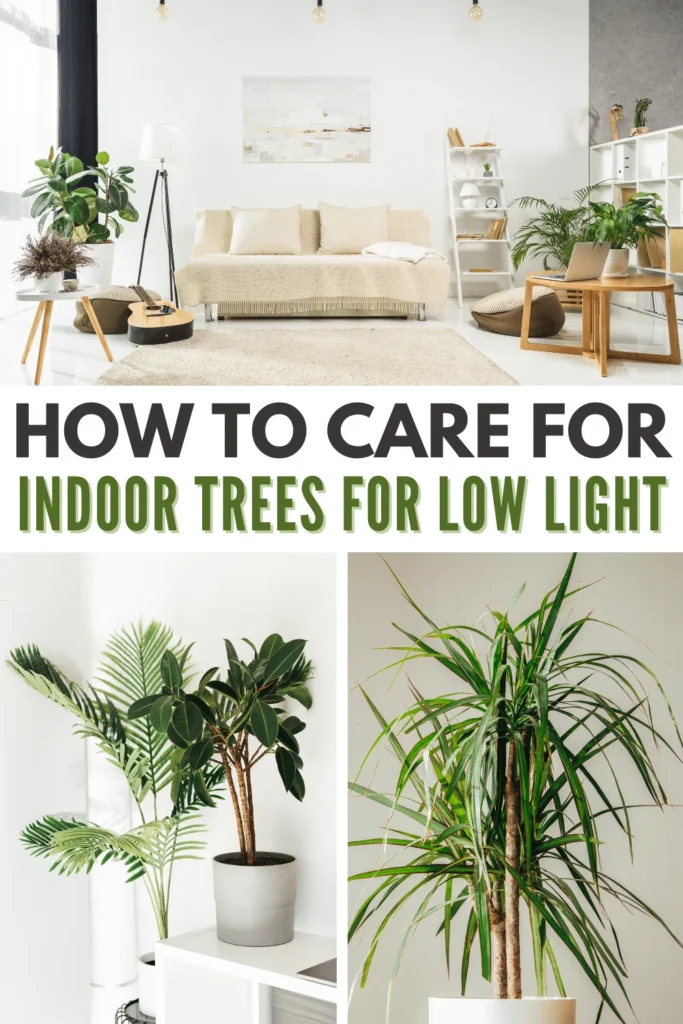
Each area of your home presents unique opportunities for showcasing greenery without relying on abundant sunlight.
Living Room
Place a Parlor Palm in an empty corner opposite the sofa. Its gentle fronds soften angular furniture, and the height draws the eye upward, creating a sense of spaciousness. Pair it with a low‑profile coffee table and a patterned rug for a balanced look.
Bedroom
A Snake Plant on a bedside table adds a modern touch while also improving air quality. Because it tolerates low light, you can position it beside a window that receives only filtered morning rays. For a cohesive feel, match the plant pot to your bedding colors.
Home Office
Desk‑bound professionals often struggle with dull lighting. A ZZ Plant on a desk shelf not only survives under fluorescent bulbs but also provides a calming green backdrop during video calls. Check out our cozy desk styling inspiration for more ideas.
Bathroom
Moisture‑loving trees like the Lady Palm can thrive in a bathroom with a frosted window. Their ability to handle humidity makes them ideal for adding life to a space typically dominated by tiles and glass.
Care Essentials for Low‑Light Trees
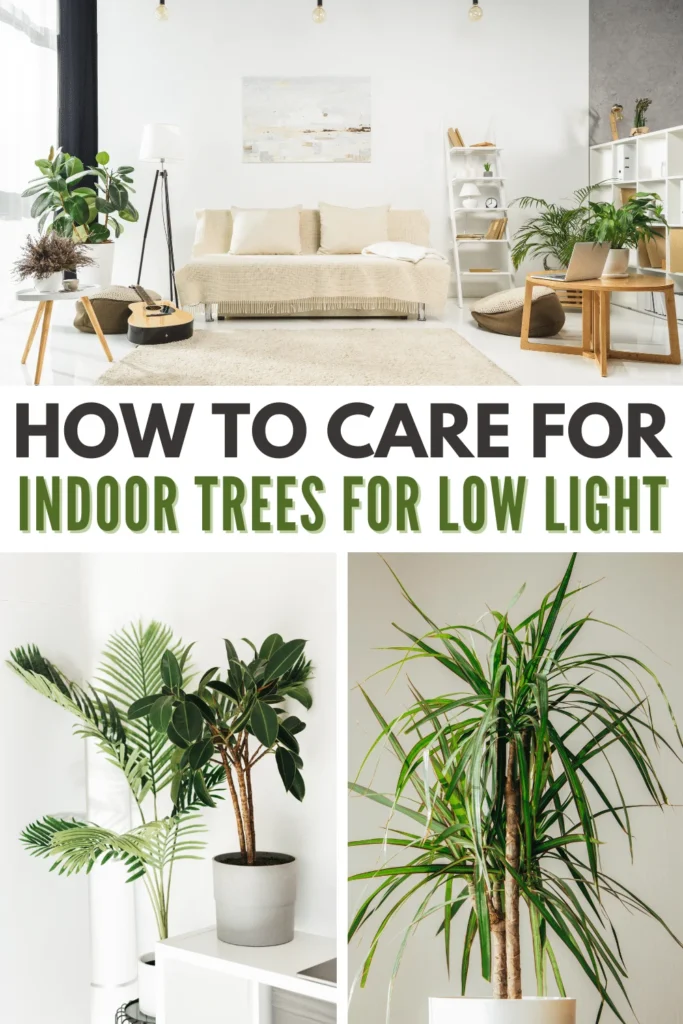
Even the most tolerant species need basic attention to stay healthy. Below are universal care guidelines that apply to the best indoor trees for low light.
- Watering – Allow the top 2‑3 inches of soil to dry before watering. Overwatering is the most common mistake and can lead to root rot.
- Soil – Use a well‑draining potting mix. Adding perlite or orchid bark improves aeration.
- Fertilizing – Feed with a balanced, water‑soluble fertilizer once a month during the growing season (spring‑summer). Reduce feeding in fall and winter.
- Cleaning – Dust leaves with a soft cloth every few weeks to ensure efficient photosynthesis, especially for plants placed under artificial light.
- Repotting – Most low‑light trees outgrow their containers every 2‑3 years. Choose a pot that’s 1‑2 inches larger in diameter.
Styling Tips for a Cohesive Look
Choosing the right container and placement can elevate the overall aesthetic.
- Pot selection – Neutral ceramic or matte metal pots blend seamlessly with modern décor. For a touch of luxury, opt for a brushed gold or copper finish.
- Layering heights – Combine a tall palm with a short succulents group on a coffee table. This creates visual interest and prevents the room from feeling flat.
- Texture balance – Pair glossy‑leafed trees like the Fiddle Leaf Fig with matte‑finished textiles (e.g., linen throws) for contrast.
- Accent lighting – Use warm LED floor lamps or wall sconces to highlight the foliage in the evenings, enhancing the tree’s silhouette.
For budget‑friendly ideas, explore our low budget interior design ideas, which include DIY potting solutions and repurposed furniture.
Quick Tips for Thriving Low‑Light Trees
- Rotate pots weekly to ensure even growth.
- Use a moisture meter if you’re unsure about watering frequency.
- Group plants together to create a micro‑climate that retains humidity.
- Avoid direct drafts from air conditioners or heaters.
- Inspect leaves regularly for pests like spider mites, especially in low‑light conditions.
Common Mistakes and How to Avoid Them
Even seasoned growers can slip up. Here are the most frequent errors when caring for low‑light trees and practical ways to prevent them.
- Overwatering – Stick to a schedule based on soil dryness, not a calendar.
- Choosing the wrong pot – Ensure drainage holes are present; a saucer alone can trap water.
- Ignoring humidity – In dry apartments, mist your plants or place a pebble tray with water beneath the pot.
- Neglecting pruning – Trim dead or yellowing leaves to promote new growth and maintain a tidy appearance.
Frequently Asked Questions
Can I keep a low‑light indoor tree in a bathroom?
Yes, many species such as the Lady Palm love the humidity found in bathrooms. Just make sure the space receives some indirect light or artificial illumination.
How often should I repot my low‑light tree?
Generally every 2‑3 years, or when you notice roots circling the pot bottom. Repotting in spring gives the plant a fresh start for the growing season.
Do low‑light trees need fertilizer?
They benefit from a light feeding schedule—once a month during spring and summer with a balanced, water‑soluble fertilizer. Reduce or stop feeding in winter.
What’s the best way to increase light for a low‑light tree?
Consider supplemental LED grow lights positioned a few feet above the plant. A 12‑hour daily cycle mimics natural daylight without overheating the foliage.
Are any low‑light trees safe for pets?
Snake plants and ZZ plants are mildly toxic to cats and dogs if ingested. If you have curious pets, opt for pet‑safe choices like the Parlor Palm.
Choosing the right greenery can dramatically improve both the visual appeal and the atmosphere of your home. By selecting the best indoor trees for low light, understanding their basic care, and styling them thoughtfully, you’ll enjoy a thriving indoor garden that complements your modern décor.
Explore more ideas on how to blend plants with contemporary interiors, and let nature become a central element of your design narrative.