
Table of Contents
- Understanding the Essence of Home Décor with Relaxed Neutral Palette
- Key Color Families in a Home Décor with Relaxed Neutral Palette
- Choosing the Right Materials and Textures
- Layering Neutrals for Depth and Warmth
- Incorporating Natural Elements
- Room‑by‑Room Applications
- Living Room
- Bedroom
- Kitchen
- Budget‑Friendly Strategies for a Relaxed Neutral Look
- Quick Tips for Home Décor with Relaxed Neutral Palette
- Common Mistakes to Avoid
- Frequently Asked Questions
Creating a space that feels both inviting and timeless often begins with a thoughtful color strategy. When you choose home décor with relaxed neutral palette, you invite calm, versatility, and a backdrop that lets personal style shine without overwhelming the senses. This approach embraces soft whites, warm beiges, gentle grays, and earthy taupes, allowing furniture, artwork, and accessories to play off a serene foundation.
Homeowners and renters alike gravitate toward neutral schemes because they effortlessly adapt to changing trends, seasonal décor, and even life’s inevitable moves. A relaxed neutral palette offers a canvas that can be refreshed with simple swaps—think a new throw pillow or a fresh plant—without a full repaint. It also makes small spaces appear larger and brighter, a key benefit for apartments and compact rooms.
In this guide, you’ll learn how to master the art of home décor with relaxed neutral palette through color theory, material selection, layering techniques, and room‑by‑room applications. We’ll also share budget‑friendly ideas, common pitfalls to avoid, and quick actionable tips that you can start using today. Ready to transform your home into a tranquil, stylish retreat?
Understanding the Essence of Home Décor with Relaxed Neutral Palette
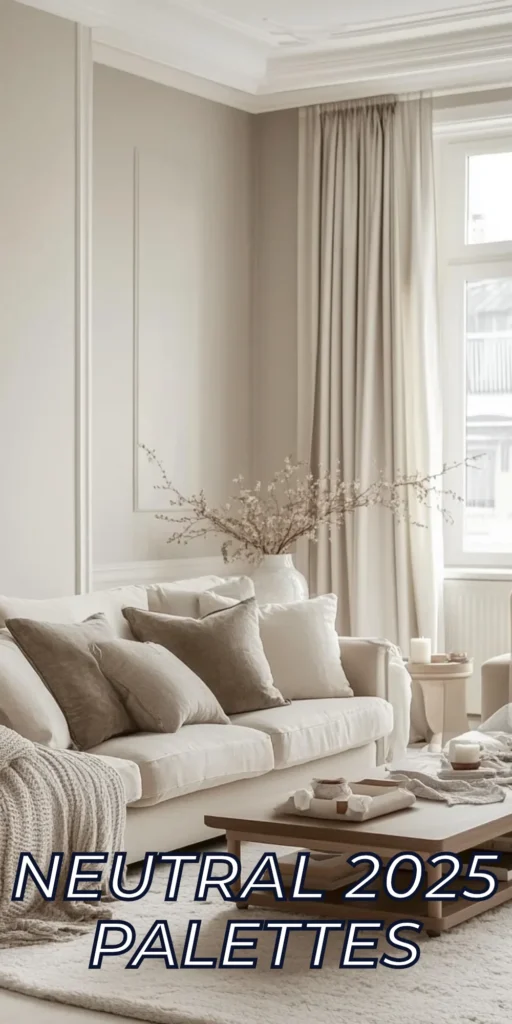
The phrase “relaxed neutral palette” goes beyond simply painting walls a pale shade. It’s about creating a harmonious environment where each element contributes to a feeling of ease. Neutral tones act as visual breathing space, reducing visual clutter and allowing textures and shapes to become the stars of the room. By grounding a room in neutrals, you give yourself a flexible foundation that can support bold accent colors, natural materials, or subtle metallic touches without competing for attention.
Key Color Families in a Home Décor with Relaxed Neutral Palette
- Warm Whites: Creamy whites with a hint of yellow bring a sunlit warmth.
- Soft Grays: Light to medium grays add a contemporary, sophisticated vibe.
- Earthy Beiges: Beige and sand tones connect the interior to the outdoors.
- Muted Taupes: A blend of gray and brown that offers depth without darkness.
When you combine these families, you create a layered, nuanced look that feels effortless. For instance, pairing a warm white ceiling with soft gray walls and a beige sofa creates a gentle gradient that guides the eye across the space.
Choosing the Right Materials and Textures
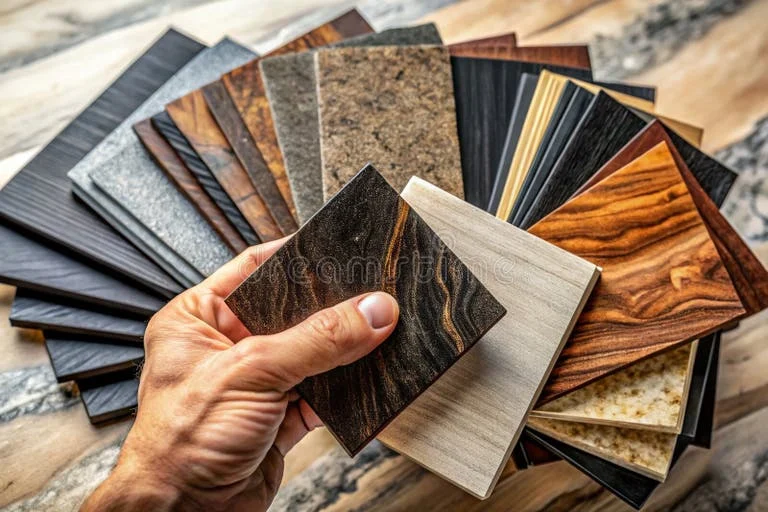
Materials are the tactile counterpart to color, and in a home décor with relaxed neutral palette, they become the primary source of visual interest. Natural fibers such as linen, wool, and jute add softness, while wood, stone, and concrete bring grounding weight. Light wood flooring—think oak or maple—complements the neutral tones and adds a subtle warmth that echoes the palette’s relaxed nature.
Consider mixing matte finishes with subtle sheen. A matte white ceramic vase placed next to a glossy glass lamp creates a delicate contrast that feels intentional rather than accidental. For upholstery, a linen sofa in a soft gray pairs beautifully with a chunky wool throw in muted taupe, offering both comfort and depth.
Layering Neutrals for Depth and Warmth
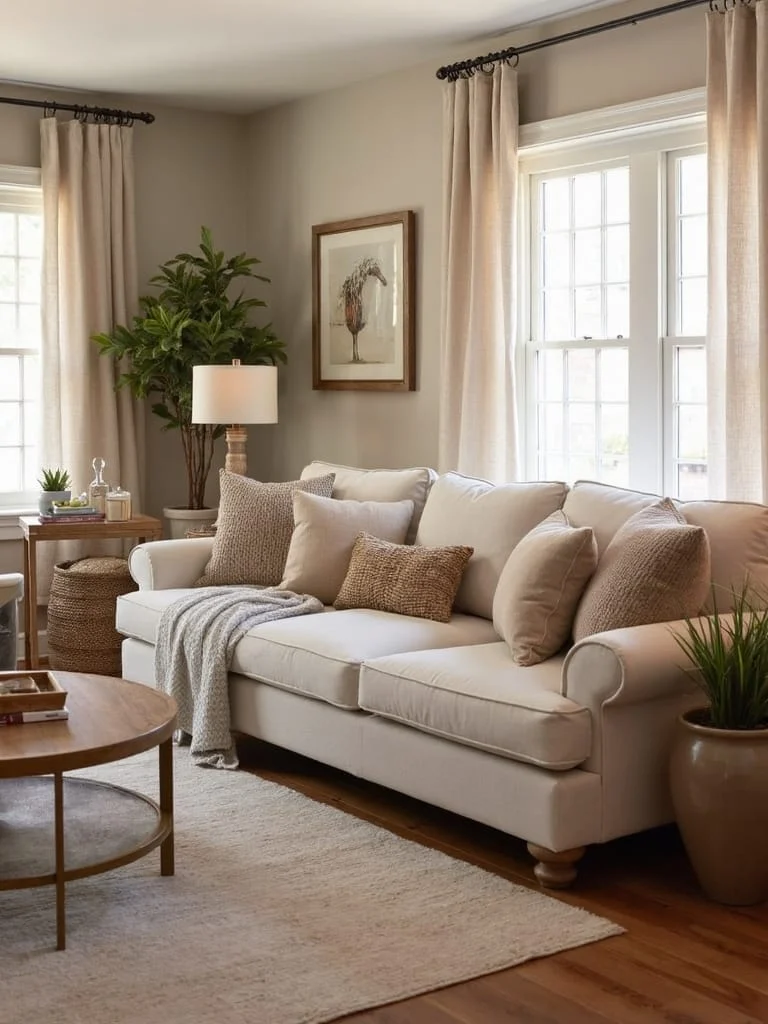
One common mistake is treating neutrals as a flat, one‑dimensional backdrop. Effective home décor with relaxed neutral palette embraces layering—using multiple shades, textures, and patterns to create depth. Start with a base wall color, then introduce a secondary shade through trim, crown molding, or an accent wall. Follow with textiles: rugs, curtains, and cushions in varying tones.
Patterned rugs in geometric or subtle organic motifs can anchor a living room without breaking the serene vibe. For example, a large jute rug with a faint herringbone pattern adds visual texture while staying true to the neutral theme. Layered lighting—ambient ceiling lights, task lamps, and accent candles—further enriches the palette by casting soft shadows that enhance the room’s dimensionality.
Incorporating Natural Elements
Plants are a natural extension of a neutral scheme, introducing a splash of green that feels both lively and calming. A tall fiddle leaf fig or a cluster of low‑maintenance succulents can serve as living art, adding height and texture. Wooden accessories—such as a reclaimed driftwood coffee table or a bamboo picture frame—reinforce the organic feel inherent in a relaxed neutral setting.
For a cohesive look, choose planters in neutral ceramics or woven baskets that echo the textures already present in the room. The result is a balanced environment where nature and design coexist seamlessly, enhancing the overall sense of wellbeing.
Room‑by‑Room Applications
Applying the principles of home décor with relaxed neutral palette varies by room, but the core ideas remain consistent. Below are quick examples for three key spaces.
Living Room
- Walls: Soft gray or warm white.
- Seating: Beige sofa with taupe throw pillows.
- Accent: Light wood coffee table and a neutral‑toned area rug.
- Lighting: Brass floor lamp for a subtle metallic hint.
Bedroom
- Walls: Creamy white for a soothing backdrop.
- Bedding: Light gray duvet with a mix of white and beige cushions.
- Furniture: Light oak nightstands paired with a woven basket for storage.
- Accent: A simple piece of abstract art in muted earth tones.
Kitchen
- Cabinets: Soft gray or muted taupe finish.
- Countertops: Light quartz with subtle veining.
- Backsplash: White subway tiles with a matte finish.
- Accessories: Woven storage baskets for produce, echoing the neutral theme.
These room examples show how a relaxed neutral palette can be adapted to various functions while maintaining a cohesive aesthetic throughout the home.
Budget‑Friendly Strategies for a Relaxed Neutral Look
Achieving a polished home décor with relaxed neutral palette doesn’t require a massive budget. Start by repainting walls with affordable, high‑quality paint; a fresh coat can instantly transform a space. Next, source second‑hand or gently used furniture in neutral tones—many vintage pieces naturally fit the palette and add character.
For accessories, explore thrift stores and online marketplaces for items like neutral‑colored throws, pillows, and decorative bowls. A simple DIY project, such as repainting an old wooden side table in a soft taupe, can become a statement piece without the price tag of a new purchase. For more inspiration on cost‑effective styling, see our guide on low budget interior design ideas.
Quick Tips for Home Décor with Relaxed Neutral Palette
- Start with a single neutral base color and build layers gradually.
- Mix textures—linen, wool, wood, stone—to avoid a flat appearance.
- Use plants and natural materials to add life without breaking the palette.
- Introduce subtle accents (gold, black, navy) through hardware or artwork.
- Keep décor uncluttered; let each piece breathe within the neutral space.
Common Mistakes to Avoid
Even with a simple palette, it’s easy to fall into pitfalls that diminish the intended serenity. One frequent error is using only one shade of neutral, which can make a room feel sterile. Instead, vary the tones—light, medium, and dark—to create visual interest. Another mistake is neglecting lighting; harsh fluorescent bulbs can wash out the softness of a neutral scheme. Opt for warm LED lighting and incorporate multiple light sources for a balanced glow.
Finally, avoid overloading the space with too many decorative items. A relaxed neutral palette thrives on simplicity; each object should serve a purpose or add meaningful texture. For a deeper dive into decluttering and organization, explore our article on simple home design ideas.
Frequently Asked Questions
Can I use bold colors with a relaxed neutral palette?
Yes, bold colors work well as accent pieces—think a navy sofa, emerald throw pillow, or a deep terracotta vase. The key is to keep the dominant backdrop neutral so the vibrant element stands out without overwhelming the space.
Is a neutral palette suitable for small apartments?
Absolutely. Neutral tones reflect light, making rooms feel larger and more open. Pair them with strategic mirrors and layered lighting to amplify the sense of space.
How often should I refresh a neutral décor?
Because neutrals are timeless, you can go several years without a major overhaul. Small updates—new textiles, seasonal plants, or a fresh artwork—are enough to keep the look current.
What flooring works best with a relaxed neutral palette?
Light‑to‑medium wood, polished concrete, or large‑format neutral tiles work beautifully. They reinforce the calm aesthetic and provide a seamless transition between rooms.
Can I mix different neutrals in one room?
Mixing is encouraged. Combine warm whites, cool grays, and earthy beiges to create depth. Balance the mix with consistent undertones to maintain cohesion.
By understanding these fundamentals, you’ll feel confident designing spaces that embody serenity and style.
Implementing a home décor with relaxed neutral palette is a journey of subtle choices and mindful layering. Start with a calm base, introduce texture, and let natural elements bring life to the room. Whether you’re revamping a single room or reimagining your entire home, the principles outlined here will guide you toward a timeless, soothing environment. Keep experimenting, stay true to the palette’s relaxed spirit, and enjoy the effortless elegance that unfolds.