
Table of Contents
- Understanding Plant Styling in Living Room Spaces
- Why Plant Styling in Living Room Matters for Modern Homes
- Choosing the Right Plants for Your Living Room
- Plant Styling in Living Room: Size Matters
- Placement Strategies that Enhance Visual Flow
- Balancing Light and Shadow
- Complementary Elements: Pots, Stands, and Textures
- Choosing the Right Pot Size
- Maintenance & Care: Keeping Your Greenery Thriving
- Plant Styling in Living Room: Common Care Mistakes
- Styling Different Living Room Layouts
- Small‑Space Solutions
- Seasonal Plant Styling for Year‑Round Freshness
- Seasonal Rotation Tips
- Quick Tips for Plant Styling in Living Room
- Common Mistakes and How to Avoid Them
- Frequently Asked Questions
- What are the best low‑maintenance plants for a living room?
- How often should I water indoor plants?
- Can I use artificial plants for styling in living room?
- Is it okay to place plants directly on the carpet?
- How do I choose pot colors that match my living room?
- Do plants really improve indoor air quality?
Plant Styling in Living Room: Modern Tips & Ideas
Bringing greenery into your living room does more than add color – it creates a sense of calm, improves air quality, and connects indoor spaces to the natural world. For homeowners and renters alike, mastering plant styling in living room settings can transform a bland area into a vibrant, welcoming hub that reflects personal style while supporting well‑being.
In this guide, we’ll explore how to select the right foliage, arrange it for visual impact, and maintain healthy growth without sacrificing aesthetics. Whether you have a sprawling open‑plan layout or a cozy apartment nook, these strategies will help you integrate plants seamlessly into your living room décor, enhancing both function and form.
Understanding Plant Styling in Living Room Spaces
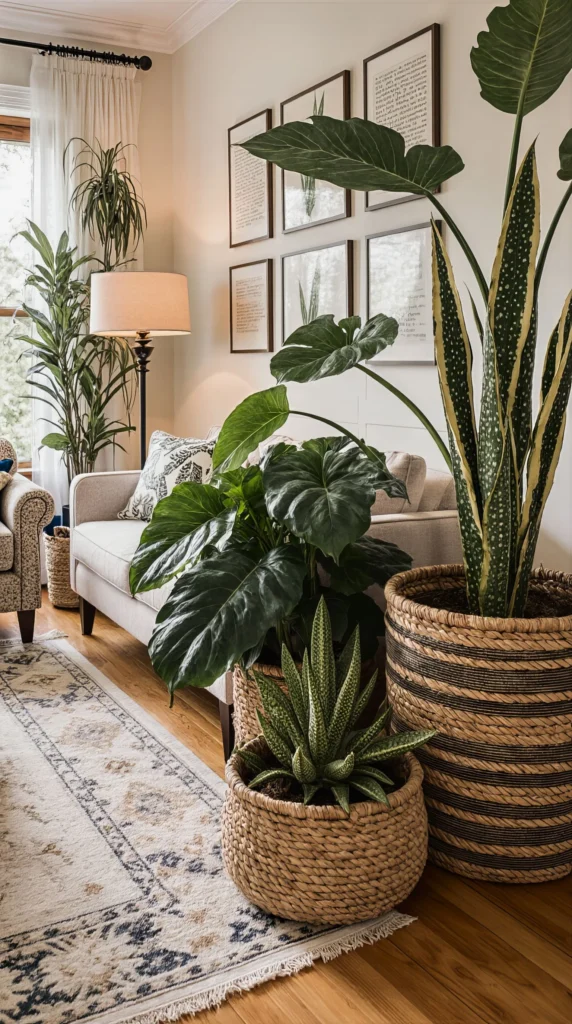
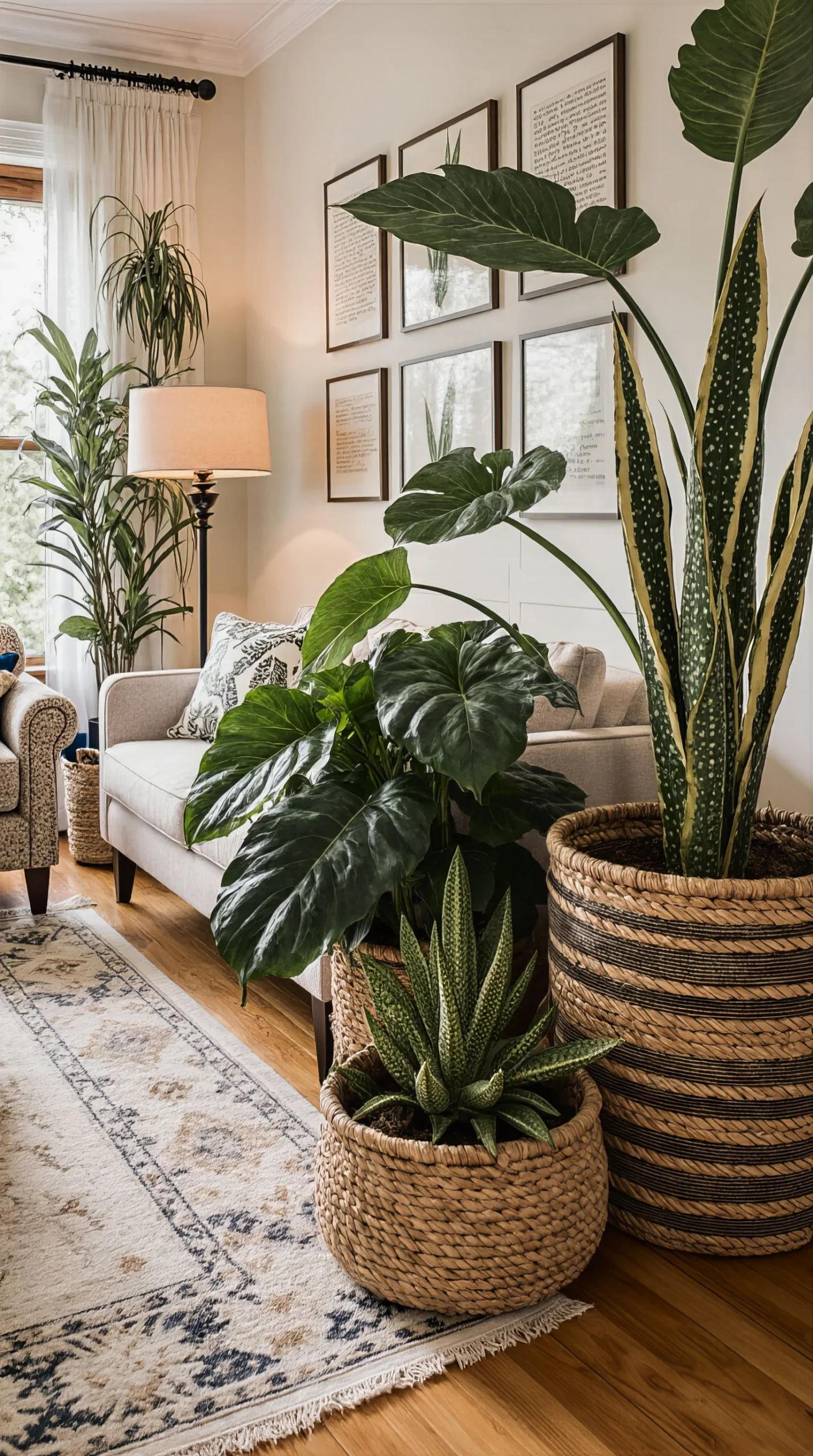
The first step toward successful plant styling in living room environments is to recognize the room’s existing design language. Look at the color palette, furniture scale, lighting sources, and traffic flow. Plants act as living accessories, so they should complement rather than clash with your existing décor. For instance, a sleek mid‑century sofa paired with a tall, sculptural fiddle‑leaf fig can add a natural counterpoint to geometric lines, while a collection of small succulents can soften a minimalist coffee table.
Consider the emotional tone you want to set. A lush, tropical arrangement can evoke a relaxed, vacation‑like atmosphere, whereas a curated group of monochrome foliage might reinforce a contemporary, understated vibe. By aligning plant choices with your living room’s overall mood, you ensure that each green element feels intentional and harmonious.
Why Plant Styling in Living Room Matters for Modern Homes
- Improves indoor air quality by filtering pollutants.
- Introduces texture and depth without overwhelming the space.
- Creates visual focal points that can replace or enhance traditional artwork.
- Supports mental health by fostering a connection to nature.
Choosing the Right Plants for Your Living Room
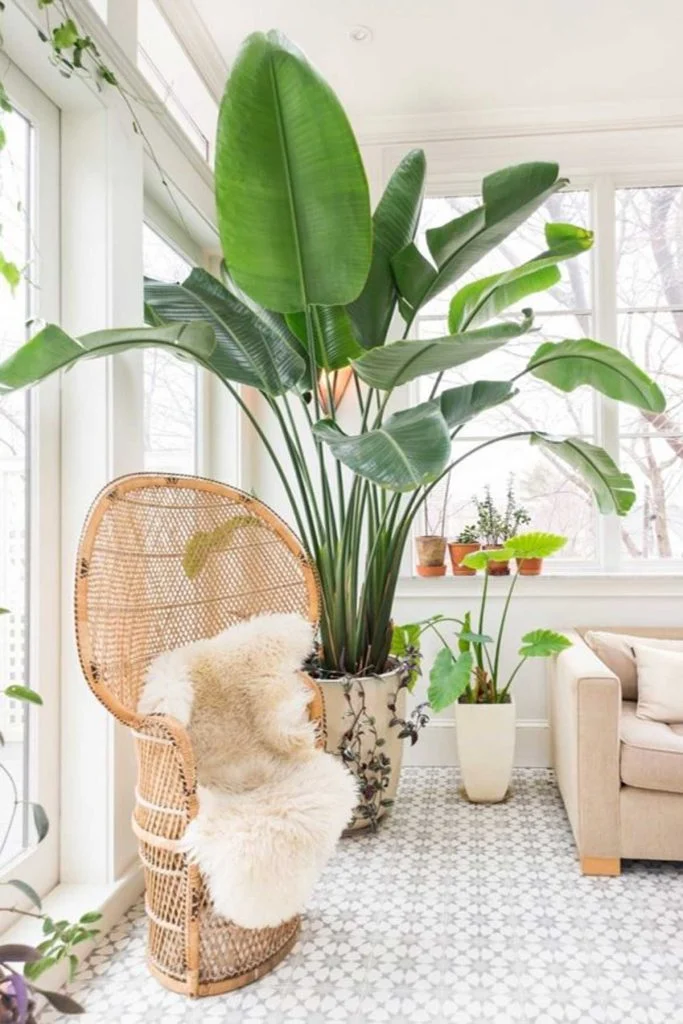
Not all plants thrive under the same conditions, so it’s essential to match species with your living room’s light levels, humidity, and temperature. For bright, sun‑filled rooms, consider a rubber plant (Ficus elastica) or a snake plant (Sansevieria) that tolerates indirect light. In lower‑light spaces, a ZZ plant (Zamioculcas zamiifolia) or a pothos can flourish.
When selecting foliage, think about size and growth habit. Tall, architectural plants like a Monstera deliciosa serve as natural room dividers, while trailing vines such as string of pearls add softness when draped over shelves. If you’re uncertain about care requirements, start with low‑maintenance varieties like a jade plant or a peace lily.
Plant Styling in Living Room: Size Matters
Use a mix of heights to create layered interest: place a floor‑standing plant in a corner, a mid‑height plant on a side table, and smaller pots on coffee tables or shelves. This tiered approach adds depth and prevents the room from feeling flat.
Placement Strategies that Enhance Visual Flow

Effective plant styling in living room areas hinges on strategic placement. Begin by identifying high‑traffic zones and avoid obstructing pathways. Corner spots are prime real estate for large statement plants, while windowsills provide ideal light for smaller pots. Incorporate plants on floating shelves to add greenery without consuming floor space—a technique highlighted in our living room décor with light wood shelves guide.
Group plants in odd numbers—clusters of three or five create a natural, informal feel. Vary pot textures and colors to echo other décor elements, such as woven baskets or metal accents, ensuring the arrangement feels cohesive. For open‑plan living rooms, use a tall plant as a visual anchor that subtly delineates zones like the seating area and the dining nook.
Balancing Light and Shadow
Observe how sunlight moves across the room throughout the day. Position sun‑loving plants where they receive morning or afternoon light, and place shade‑tolerant varieties in corners where indirect light dominates. Using sheer curtains can diffuse harsh rays, protecting delicate foliage while maintaining a bright ambience.
Complementary Elements: Pots, Stands, and Textures
The container you choose is as important as the plant itself. Opt for pots that reflect your living room’s material palette—ceramic for a classic look, concrete for industrial chic, or woven baskets for a boho vibe. Mixing materials adds tactile interest and ties the greenery into the broader design narrative.
Elevate plant styling in living room settings with plant stands, macramé hangers, or wall‑mounted planters. These solutions free up floor space and draw the eye upward, accentuating ceiling height. Pairing plants with complementary décor—such as a home décor with woven textures piece—creates a layered, curated feel.
Choosing the Right Pot Size
- Small pots (4‑6 inches) for tabletop accents.
- Medium pots (8‑12 inches) for side tables or shelves.
- Large pots (14‑18 inches) for floor plants and statement pieces.
Maintenance & Care: Keeping Your Greenery Thriving
Consistent care ensures that plant styling in living room remains a long‑term success. Develop a simple watering schedule based on each plant’s needs—most indoor plants prefer the soil to dry out slightly between waterings. Use a moisture meter or the finger‑test method to avoid over‑watering, which can lead to root rot.
Rotate pots every few weeks so all sides receive equal light, promoting balanced growth. Dust leaves regularly with a soft cloth; clean foliage photosynthesizes more efficiently, keeping the plant vibrant and the room looking fresh. For a natural fertilizer, consider a monthly feed of diluted liquid seaweed or a slow‑release granular option.
Plant Styling in Living Room: Common Care Mistakes
Avoid placing plants near heating vents or air‑conditioner drafts, as temperature fluctuations can stress foliage. Also, be mindful of pet safety—choose non‑toxic varieties if you have curious cats or dogs.
Styling Different Living Room Layouts
Every floor plan presents unique opportunities for plant styling in living room spaces. In a compact studio, vertical gardens or wall‑mounted planters maximize greenery without sacrificing floor area. For larger, open‑concept rooms, create “green islands” using multiple large plants to break up the expanse and guide visual flow.
When dealing with a rectangular room, place a tall plant at one end and a cluster of medium‑size plants at the opposite side to achieve balance. In L‑shaped living rooms, position a plant near the corner where the two wings meet, serving as a natural transition point.
Small‑Space Solutions
Use narrow, tiered plant stands or stackable ceramic pots to add height without occupying much width. Hanging planters are particularly effective in apartments where floor space is limited but ceiling height is generous.
Seasonal Plant Styling for Year‑Round Freshness
Just as you rotate textiles and artwork seasonally, consider swapping plants to reflect the time of year. In spring, introduce blooming varieties like African violets or mini orchids for a pop of color. Summer is perfect for tropical palms that thrive in brighter light, while autumn can be highlighted with foliage‑changing plants such as coleus or small potted chrysanthemums.
Winter calls for low‑light, hardy plants like the evergreen Norfolk Island pine or a sturdy cactus. Adjust watering frequency during colder months—most indoor plants need less water when growth slows.
Seasonal Rotation Tips
- Refresh the look by changing pot covers or adding decorative stones.
- Swap trailing vines for upright plants to alter visual dynamics.
- Incorporate scented herbs (e.g., rosemary) for a fragrant, functional touch.
Quick Tips for Plant Styling in Living Room
- Group plants in odd numbers for a natural, informal arrangement.
- Use varied pot textures to echo other décor elements.
- Rotate pots regularly to ensure even light exposure.
- Choose low‑maintenance species if you’re new to indoor gardening.
- Incorporate hanging planters to free up floor space.
Common Mistakes and How to Avoid Them
One frequent error is selecting plants solely for aesthetics without considering the room’s light conditions. This leads to wilted foliage and wasted investment. Another pitfall is overcrowding; too many pots can create visual clutter and impede airflow, increasing the risk of mold. Lastly, neglecting regular leaf cleaning can dull the vibrant appearance of your plants, making the room feel stagnant.
To avoid these issues, start with a light assessment, choose a balanced number of plants, and schedule a monthly “plant day” for watering, pruning, and dusting. By treating plant care as a routine, your living room will stay lively and inviting year after year.
Frequently Asked Questions
What are the best low‑maintenance plants for a living room?
Low‑maintenance options include snake plant, ZZ plant, pothos, and jade plant. These varieties tolerate irregular watering and lower light levels, making them ideal for busy households.
How often should I water indoor plants?
Watering frequency depends on the species and pot size, but a general rule is to let the top inch of soil dry out before the next watering. In winter, reduce watering as growth slows.
Can I use artificial plants for styling in living room?
Yes, high‑quality artificial plants can provide a realistic look with zero maintenance. For tips on realistic alternatives, see our guide on how to decorate home with artificial flowers.
Is it okay to place plants directly on the carpet?
It’s best to use a saucer or pot stand to protect carpet fibers from water spills and potential staining. This also allows better airflow around the pot, preventing root rot.
How do I choose pot colors that match my living room?
Pick pot colors that echo existing accent hues—if your cushions are teal, a muted teal pot can create cohesion. Neutral tones like white, gray, or terracotta work well in most settings.
Do plants really improve indoor air quality?
Research shows that certain plants can absorb volatile organic compounds (VOCs) and release oxygen, contributing to healthier indoor air. While the effect is modest, combining several plants enhances overall benefit.
By thoughtfully integrating greenery, you’ll discover that plant styling in living room spaces not only beautifies your home but also nurtures a healthier, more relaxing environment. Embrace the process, experiment with different arrangements, and let your living room blossom with life.
Explore more ideas such as minimalist plant décor ideas for sleek, understated looks, or dive into kitchen décor with woven storage baskets to extend the green theme throughout your home.