
Table of Contents
- Cost of Concrete Floors vs Wood: Understanding the Basics
- Cost of Concrete Floors vs Wood: Material Properties and Pricing
- Initial Installation Costs – What to Expect
- Long‑Term Maintenance and Lifecycle Expenses
- Aesthetic Flexibility and Home Value Impact
- Environmental and Sustainability Considerations
- Choosing the Right Option for Different Rooms
- Quick Home Décor Tips for Flooring Integration
- Common Mistakes When Selecting Flooring
- Frequently Asked Questions
When it comes to choosing a floor that will define the look and feel of a space, homeowners often find themselves torn between the industrial chic of concrete and the timeless warmth of wood. Both materials have distinct advantages, but the decision ultimately hinges on a balance of aesthetics, durability, and, of course, cost. Understanding the cost of concrete floors vs wood goes beyond a simple price tag; it involves examining installation expenses, long‑term maintenance, environmental impact, and resale value. In this article, we’ll break down every financial and functional factor you need to consider, so you can confidently pick the surface that aligns with your lifestyle and design goals.
Whether you’re renovating a sleek urban loft, upgrading a family bedroom, or re‑imagining a high‑traffic kitchen, the flooring you select sets the tone for the entire interior. Concrete offers a modern, minimalist vibe that pairs well with exposed steel and large‑format tiles, while wood brings natural texture and a sense of comfort that many homeowners cherish. By the end of this guide, you’ll have a clear picture of how the cost of concrete floors vs wood stacks up in real‑world scenarios, and you’ll be equipped with practical tips to maximize your investment.
Cost of Concrete Floors vs Wood: Understanding the Basics

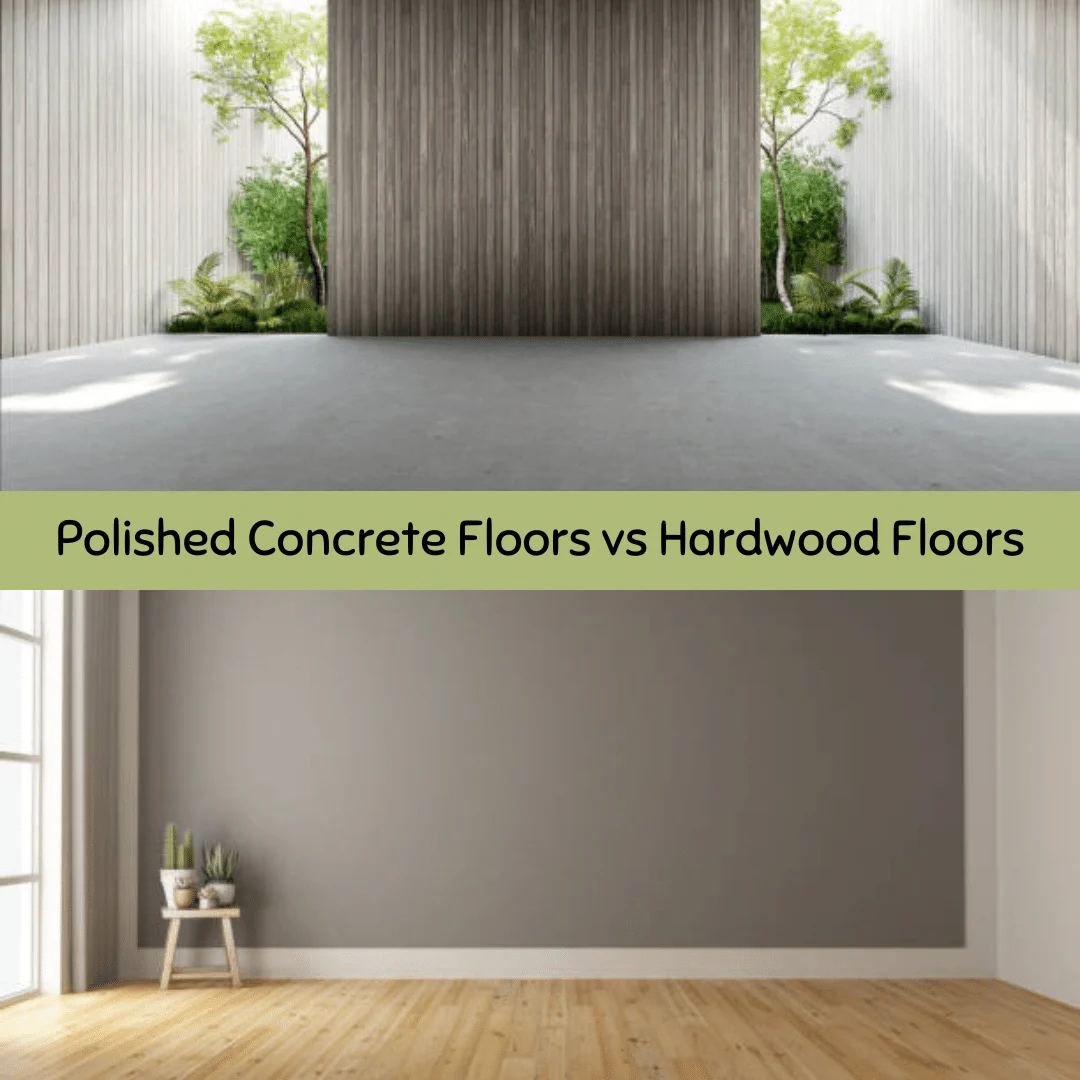
Before diving into numbers, it helps to grasp the fundamental differences between concrete and wood as flooring substrates. Concrete floors are typically poured on‑site or delivered as pre‑cast slabs, then finished with grinding, polishing, staining, or sealing to achieve the desired look. The material itself is relatively inexpensive, but the labor and finishing processes can add up quickly. Wood flooring, on the other hand, comes in a variety of species—hardwoods like oak or maple, softwoods like pine, and engineered options that combine a veneer layer with a plywood core. Each type carries its own price point, ranging from budget‑friendly pine to premium exotic hardwoods.
When you compare the cost of concrete floors vs wood, the initial material cost often favors concrete, especially for large square‑footage projects. However, the installation technique for concrete—whether a simple polish or a decorative overlay—can increase expenses significantly. Wood flooring typically involves more intricate preparation, such as subfloor leveling, moisture barriers, and careful acclimation of the planks, which adds to labor costs. Understanding these baseline differences sets the stage for a more nuanced cost analysis.
Cost of Concrete Floors vs Wood: Material Properties and Pricing
Concrete’s raw material cost is low; a basic mix of cement, aggregates, and water may run as little as $3‑$5 per square foot. Yet, the finishing layer—polished, stained, or stamped—can raise the price to $8‑$12 per square foot, depending on complexity. For wood, the price per square foot varies widely: pine or poplar may start at $4‑$6, while premium oak, walnut, or engineered hardwood can range from $8‑$15 or more. The cost of concrete floors vs wood therefore hinges on the level of finish you desire and the species you select.
Another key distinction lies in durability. Concrete is virtually indestructible under normal residential use, resisting dents, scratches, and moisture. Wood, while beautiful, is more susceptible to scratches, dents, and moisture damage, especially in high‑traffic or damp areas. These durability differences can influence long‑term replacement costs, a critical component when evaluating the overall cost of concrete floors vs wood.
Initial Installation Costs – What to Expect
Installation is often where the budget sees the most significant shift. For concrete, a professional crew will need to pour, level, and cure the slab before applying any finish. The labor cost for a standard polished concrete floor typically ranges from $3‑$6 per square foot, but specialty finishes—such as integral color or decorative stamping—can push labor to $10 per square foot or higher. Adding a radiant heating system beneath the slab further increases costs, but it also adds comfort and resale appeal.
Wood flooring installation varies by type. Nail‑down solid hardwood requires a nail gun and skilled labor, averaging $4‑$7 per square foot. Floating engineered hardwood, which clicks together without adhesives, can reduce labor to $2‑$4 per square foot. However, any subfloor preparation, such as installing a moisture barrier or leveling the floor, adds $1‑$2 per square foot. When you compare the cost of concrete floors vs wood at this stage, concrete may seem cheaper for raw material, yet the finish work and labor can narrow the gap considerably.
- Concrete: $3‑$5 material + $3‑$6 labor = $6‑$11/sq ft (basic polish)
- Wood: $4‑$15 material + $2‑$7 labor = $6‑$22/sq ft (depends on species)
Remember that large projects often benefit from economies of scale; the per‑square‑foot cost may drop when you’re covering an entire floor of a home or an open‑concept loft.
Long‑Term Maintenance and Lifecycle Expenses

While the upfront costs are crucial, the cost of concrete floors vs wood over a 20‑year span can differ dramatically. Concrete floors require minimal maintenance: a periodic reseal every 5‑10 years keeps them looking fresh and protects against stains. The resealing process is relatively inexpensive, typically $0.50‑$1 per square foot, and can be performed by a professional or a confident DIYer.
Wood flooring demands more attentive care. Regular sweeping, vacuuming with a hardwood‑safe attachment, and using a pH‑neutral cleaner are essential. Over time, wood may need refinishing—sanding and re‑applying a finish—to restore its luster. Refinishing costs range from $2‑$5 per square foot, and for high‑traffic areas, you might need to refinish every 5‑7 years. Additionally, wood is vulnerable to humidity fluctuations; installing a dehumidifier or using proper underlayment can add to utility costs.
When you tally these ongoing expenses, concrete often emerges as the more cost‑effective option in the long run, especially in homes where durability and low maintenance are top priorities. However, the warmth and character of wood can justify the extra maintenance for many homeowners seeking a classic aesthetic.
Aesthetic Flexibility and Home Value Impact
From a design perspective, the cost of concrete floors vs wood isn’t just about dollars; it’s also about how each material enhances the overall appeal of your home. Concrete floors can be stained in a myriad of hues, stamped with patterns that mimic stone or tile, or left in a sleek polished gray for a minimalist vibe. Pairing concrete with a canvas wall arrangement creates a gallery‑like environment that feels both modern and sophisticated.
Wood flooring offers a timeless elegance that can instantly raise the perceived value of a property. Natural grain patterns, warm tones, and the ability to refinish and change stains over time provide a flexibility that concrete can’t match. In real‑estate markets, homes with hardwood floors often command higher resale prices—sometimes up to 5% more—because buyers associate wood with quality and craftsmanship.
Thus, while concrete may have a lower cost of concrete floors vs wood in terms of raw expense, wood can contribute more significantly to home valuation, especially in traditional neighborhoods or upscale markets.
Environmental and Sustainability Considerations
Eco‑friendly homeowners also weigh the environmental footprint of flooring choices. Concrete production is energy‑intensive and contributes to carbon emissions, though the material itself is durable and can be reclaimed or repurposed. Using locally sourced aggregates and low‑carbon cement alternatives can mitigate its impact.
Wood, when harvested responsibly from certified forests, is a renewable resource that stores carbon throughout its life cycle. Engineered wood uses less hardwood veneer, reducing the demand for slow‑growing species. However, transportation and processing can add to its carbon footprint. When comparing the cost of concrete floors vs wood from a sustainability lens, it’s essential to factor in both the embodied energy and the long‑term durability that reduces replacement frequency.
Choosing reclaimed concrete or salvaged wood planks can also offer a green solution while adding unique character to a space. For those interested in a holistic approach, integrating both materials—concrete in high‑traffic zones and wood in living areas—can balance durability, aesthetics, and environmental responsibility.
Choosing the Right Option for Different Rooms
Every room in a house has distinct functional and design needs. In kitchens, concrete’s resistance to moisture and heat makes it an excellent choice, especially when paired with radiant floor heating for comfort during cold mornings. In contrast, a bedroom benefits from the softness underfoot that wood provides, promoting a cozy atmosphere for rest.
Living rooms often serve as the focal point for interior styling. If you love the sleek look of a modern wall oven in an open plan, a polished concrete floor can complement the contemporary appliances. However, if you prefer a classic, inviting vibe, a wide‑plank oak floor can anchor the space beautifully.
Bathrooms require a water‑resistant surface; sealed concrete can be an attractive alternative to tile, offering a seamless look that’s easy to clean. Yet, for small hallways, wood may make the passage feel warmer and more welcoming—especially when using light‑colored finishes that reflect light.
By aligning the cost of concrete floors vs wood with the specific demands of each room, you can allocate your budget where it matters most and achieve a cohesive design throughout the home.
Quick Home Décor Tips for Flooring Integration
- Use area rugs to soften concrete in living areas while preserving its industrial charm.
- Blend wood and concrete by installing a concrete accent strip in a hallway, then transitioning to hardwood for a dynamic visual flow.
- Incorporate natural textures—like stone countertops or reclaimed wood furniture—to create harmony between the floor material and other design elements.
Common Mistakes When Selecting Flooring
Many homeowners make avoidable errors that can skew the perceived cost of concrete floors vs wood. One frequent mistake is overlooking subfloor preparation; an uneven subfloor can lead to cracks in concrete or squeaky wood floors, necessitating costly repairs later. Another pitfall is underestimating the importance of moisture control—especially in basements—where both concrete and wood can suffer without proper barriers.
Choosing the cheapest material without considering long‑term durability often backfires. For instance, opting for low‑grade pine may save money initially but could require premature replacement, increasing the total cost over time. Conversely, over‑specifying a high‑end exotic hardwood for a low‑traffic utility room may not provide a worthwhile return on investment.
Frequently Asked Questions
Is concrete flooring warmer than wood underfoot?
Concrete can feel cooler, especially in colder climates, but installing radiant heating beneath the slab provides consistent warmth, often making it more comfortable than wood in winter.
Can I install concrete flooring over existing wood subfloor?
Yes, with proper preparation, a thin concrete overlay can be applied over a sturdy wood subfloor, though this adds weight and may require reinforcement of the joists.
How does the resale value differ between homes with concrete versus wood floors?
Homes with hardwood flooring typically sell for a higher price due to buyer preference for warm, classic aesthetics, while concrete floors can appeal to modern buyers and may increase value in contemporary markets.
What maintenance schedule should I follow for concrete floors?
Seal concrete every 5‑10 years, clean with pH‑neutral cleaners, and promptly address spills to prevent staining. This minimal routine keeps the floor looking great with low cost.
Are there health concerns with concrete flooring?
Properly sealed concrete is inert and does not emit VOCs. However, if using epoxy or staining products, ensure they are low‑VOC and fully cured before occupancy.
Is engineered wood more cost‑effective than solid hardwood?
Engineered wood often offers a lower price point while providing similar visual appeal and greater stability in humid environments, making it a smart choice for many projects.
In summary, the decision between concrete and wood flooring hinges on a blend of financial, functional, and aesthetic considerations. While the cost of concrete floors vs wood can appear straightforward at first glance, deeper analysis reveals that concrete may win on durability and low maintenance, whereas wood excels in warmth, resale appeal, and design versatility. By evaluating your specific room requirements, lifestyle habits, and long‑term goals, you can choose a flooring solution that not only fits your budget but also enhances the overall character of your home.
Ready to start your flooring journey? Explore more design inspiration, such as entryway styling ideas that complement both concrete and wood floors, and discover how thoughtful material selection can transform any space.