
Table of Contents
- Kitchen Décor with Clay Pots: Embracing Natural Texture
- Choosing the Right Clay Pot Shapes and Sizes
- Kitchen Décor with Clay Pots: Selecting Size for Function
- Placement Strategies: From Countertops to Open Shelves
- Functional Uses: Storage, Herbs, and Serving
- Color Coordination and Mixing Materials
- DIY Finishes: Painting and Glazing
- Sustainable and Ethical Considerations
- Quick Home Décor Tips
- Common Mistakes to Avoid
- Frequently Asked Questions
Kitchen Décor with Clay Pots: A Modern Styling Guide
Clay pots have quietly become one of the most versatile accessories in contemporary kitchen décor. Their earthy texture, warm hues, and timeless craftsmanship bring a touch of nature to any culinary space, whether you’re styling a sleek urban loft or a cozy cottage kitchen. Beyond mere aesthetics, these vessels serve practical functions—holding herbs, storing dry goods, or acting as striking serving pieces.
In this guide we’ll explore how to integrate clay pots into your kitchen décor with confidence. From selecting the perfect shapes and sizes to mastering placement and finishing techniques, you’ll gain actionable insights that blend beauty with utility. By the end, you’ll be equipped to create a kitchen environment that feels both curated and comfortably lived‑in.
Kitchen Décor with Clay Pots: Embracing Natural Texture

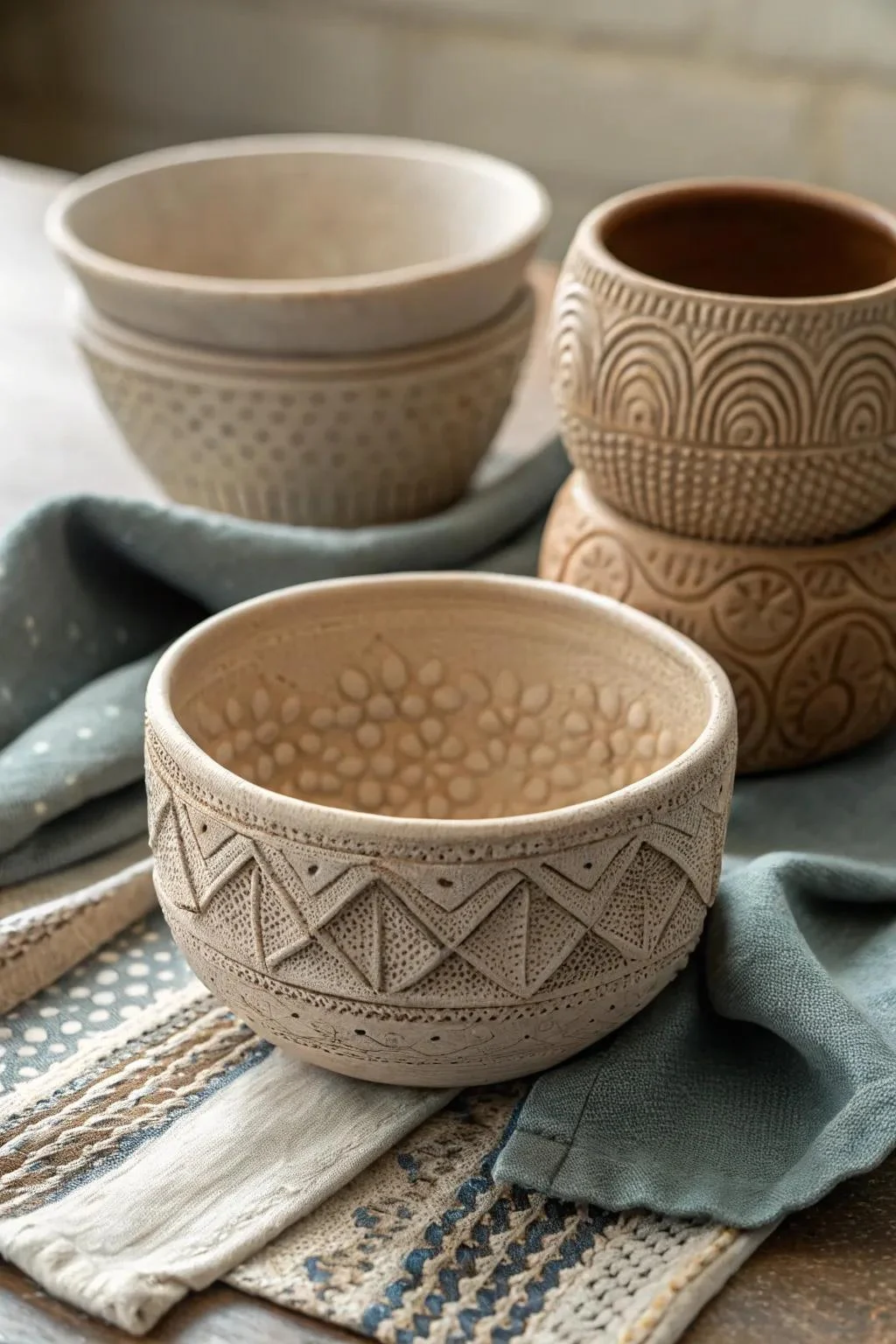
The first step in incorporating clay pots into kitchen décor is understanding why their natural texture resonates so strongly with modern design trends. Unlike glossy ceramics or polished metal, raw clay offers a matte finish that diffuses light, adding depth without overwhelming a space. This subtlety makes clay pots an ideal backdrop for bold accessories, colorful dishware, or sleek appliances.
When paired with contemporary cabinetry, the organic feel of clay pots balances the clean lines of modern architecture, creating a harmonious contrast. This blend of old‑world craftsmanship and present‑day minimalism is a hallmark of interior design tips that many designers recommend for a lived‑in yet sophisticated look.
Choosing the Right Clay Pot Shapes and Sizes
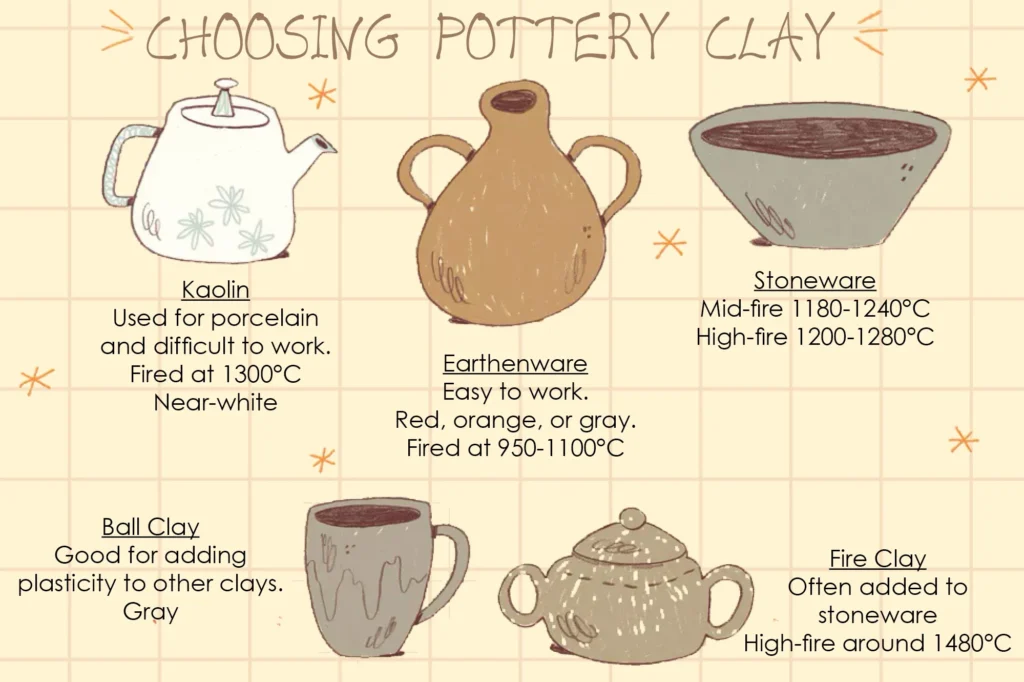
Not every clay pot will suit every kitchen niche. The key lies in matching shape, scale, and proportion to the surrounding elements. Tall, cylindrical pots excel as statement pieces on open shelves, while short, wide bowls work well as countertop herb planters. When you’re uncertain, start by measuring the available surface area and visualizing the pot’s footprint.
Kitchen Décor with Clay Pots: Selecting Size for Function
Functionality should guide your size decisions. A 12‑inch pot is perfect for growing basil or thyme, whereas a larger 20‑inch vessel can double as a rustic bread basket. Remember, the visual weight of a large pot can anchor a floating island or balance a series of hanging pots. Pairing different sizes creates rhythm and prevents monotony.
- Measure shelf depth before purchasing.
- Consider the pot’s weight—clay can be heavy, so ensure sturdy support.
- Mix heights for a dynamic visual cascade.
For more ideas on arranging kitchen accessories, see our Kitchen Décor with Minimal Rack Shelves – Modern Styling Guide.
Placement Strategies: From Countertops to Open Shelves
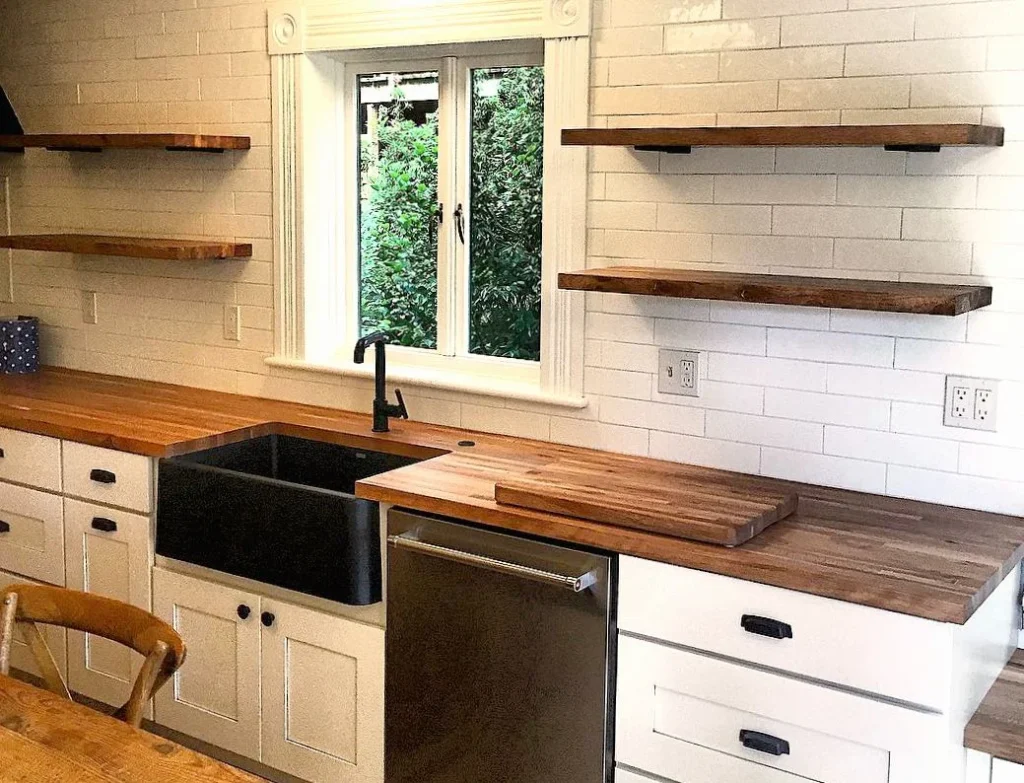
Strategic placement maximizes both the aesthetic impact and functional benefits of clay pots. Countertop placement works best for frequently used herbs; keep them near a sunny window to encourage growth. Open shelves, especially floating ones, provide an elevated stage where the pots can be admired without cluttering work zones.
When arranging multiple pots, follow the “golden triangle” principle: position three to five pots at varying heights forming an imagined triangle. This arrangement naturally draws the eye across the space, creating a sense of balance. If your kitchen features a kitchen island, consider grouping a trio of pots on the island’s edge to make it a focal point.
Functional Uses: Storage, Herbs, and Serving
Beyond decorative appeal, clay pots are remarkably functional. Use them as pantry storage for potatoes, onions, or garlic—clay’s breathable nature helps maintain freshness. Small glazed pots serve as charming containers for sauces, dressings, or dipping oils, eliminating the need for extra dishware.
Herb gardening is perhaps the most popular use. Planting in clay pots encourages strong root development and reduces the risk of over‑watering. Pair a row of herb pots with a magnetic strip for easy access to fresh flavors while cooking.
Color Coordination and Mixing Materials
When integrating clay pots into kitchen décor, color coordination is essential. Neutral earth tones—terracotta, sand, and muted gray—blend seamlessly with most color palettes. For a bolder look, choose glazed pots in deep blues, emerald greens, or matte black finishes. Pairing these with stainless steel appliances or warm wood tones creates a sophisticated contrast.
Mixing materials adds visual intrigue. Position a rustic clay pot beside a sleek glass vase or a polished copper jar. The juxtaposition of textures reinforces the modern aesthetic while keeping the space lively. Use the rule of three: combine three different materials to avoid visual overload.
DIY Finishes: Painting and Glazing
Customizing clay pots is a rewarding DIY project that personalizes kitchen décor. Before painting, clean the pot thoroughly and sand lightly to improve adhesion. Acrylic paints work well for a matte finish, while spray paints give an even, professional look. For a glossy finish, consider a clear glaze sealed with a food‑safe topcoat.
Stencil designs—such as leaf motifs or geometric patterns—add subtle flair without dominating the space. If you’re unsure about color choices, start with a neutral base and add a pop of color through a hand‑painted stripe or a patterned rim.
Sustainable and Ethical Considerations
Choosing clay pots responsibly enhances the eco‑friendly narrative of your kitchen décor. Look for locally sourced, hand‑crafted pots that support artisans and reduce transportation emissions. Many manufacturers use reclaimed clay or employ low‑temperature firing processes that consume less energy.
Beyond sourcing, clay pots are biodegradable at the end of their life cycle, making them a greener alternative to plastic containers. When a pot breaks, it can be crushed and repurposed as garden soil amendment, completing a sustainable loop.
Quick Home Décor Tips
- Group odd‑numbered pots for a natural, balanced look.
- Use a small LED strip under open shelves to highlight clay textures.
- Rotate seasonal herbs in your pots to keep the kitchen fresh year‑round.
Common Mistakes to Avoid
Even seasoned decorators can stumble when using clay pots. One frequent error is overcrowding—placing too many pots on a single shelf can look chaotic and make cleaning difficult. Another is neglecting lighting; clay’s matte surface thrives under natural light, so a dim kitchen may mute its impact. Finally, avoid using untreated clay pots for food storage unless they are explicitly labeled food‑safe.
Frequently Asked Questions
Can clay pots be used outdoors?
Yes, many clay pots are suitable for outdoor use, especially if they are glazed and frost‑resistant. However, for extended exposure, choose pots specifically rated for exterior conditions to prevent cracking.
How do I clean a clay pot?
Rinse with warm water and a mild dish soap, then dry thoroughly. Avoid abrasive scrubbers that can damage the surface. For stubborn stains, a paste of baking soda and water works effectively.
Do clay pots need sealing?
Unglazed pots benefit from a food‑safe sealant if you plan to store edibles, as it creates a barrier against moisture. Glazed pots are already sealed and safe for most kitchen uses.
What size pot is best for kitchen herbs?
A pot with a diameter of 6‑8 inches and a depth of 6 inches provides ample space for most herbs while remaining compact enough for countertop placement.
Can I paint a clay pot that will hold food?
Only use paints and finishes labeled as food‑safe. After painting, seal with a clear, non‑toxic varnish to ensure the surface remains hygienic.
How do I prevent my clay pot from cracking?
Avoid rapid temperature changes; never place a cold pot directly onto a hot stove. Gradual heating and cooling extend the lifespan of the clay.
Integrating clay pots into your kitchen décor not only elevates visual appeal but also enhances functionality and sustainability. By thoughtfully selecting shapes, placing them strategically, and caring for them responsibly, you create a kitchen that feels both modern and warmly inviting. Explore more design inspiration on The Homara and let your creativity flourish.