
Table of Contents
- can bathing suits be altered: Understanding the Basics
- Assessing Your Bathing Suit for Alterations
- Fabric Test
- Seam Inspection
- Design Elements
- Common Alteration Techniques
- Can Bathing Suits Be Altered: Taking In Side Seams
- Letting Out the Cup or Torso
- Adjusting the Straps
- Adding or Removing Padding
- Choosing the Right Tailor or DIY Approach
- DIY Considerations
- Professional Tailoring
- Cost Considerations and Timeline
- Maintaining the Altered Suit
- Quick Tips for Altering Bathing Suits
- Common Mistakes to Avoid
- Frequently Asked Questions
- Can I alter a swimsuit with built‑in underwire?
- Is it possible to let out a swimsuit that’s too tight?
- Do all fabrics stretch enough for alterations?
- How much does a professional alteration typically cost?
- Can I use regular thread for swimming suit alterations?
- Will alterations affect the suit’s chlorine resistance?
Can Bathing Suits Be Altered? A Practical Guide for a Perfect Fit
Finding a bathing suit that fits like a second skin can be a challenge, especially when standard sizes don’t match your unique body shape. Whether you’ve bought a suit that’s a little too loose in the hips or a little snug around the bust, the question can bathing suits be altered often pops up during those last‑minute wardrobe checks before a beach holiday or pool party. Understanding the possibilities and limits of altering swimwear not only saves you money but also lets you keep a style you love without compromising comfort.
In this guide we’ll walk you through the essential considerations, practical techniques, and professional options that answer can bathing suits be altered in a reliable, stylish way. From fabric choices and stitching methods to cost factors and maintenance tips, you’ll gain a clear roadmap for turning a “close but not quite” swimsuit into a perfectly fitted piece that moves with you.
By the end of the article you’ll know when it’s worth a DIY tweak, when a professional tailor is the smarter choice, and how to preserve the altered suit for many seasons to come—ensuring you feel confident whether you’re lounging by the pool or diving into the waves.
can bathing suits be altered: Understanding the Basics
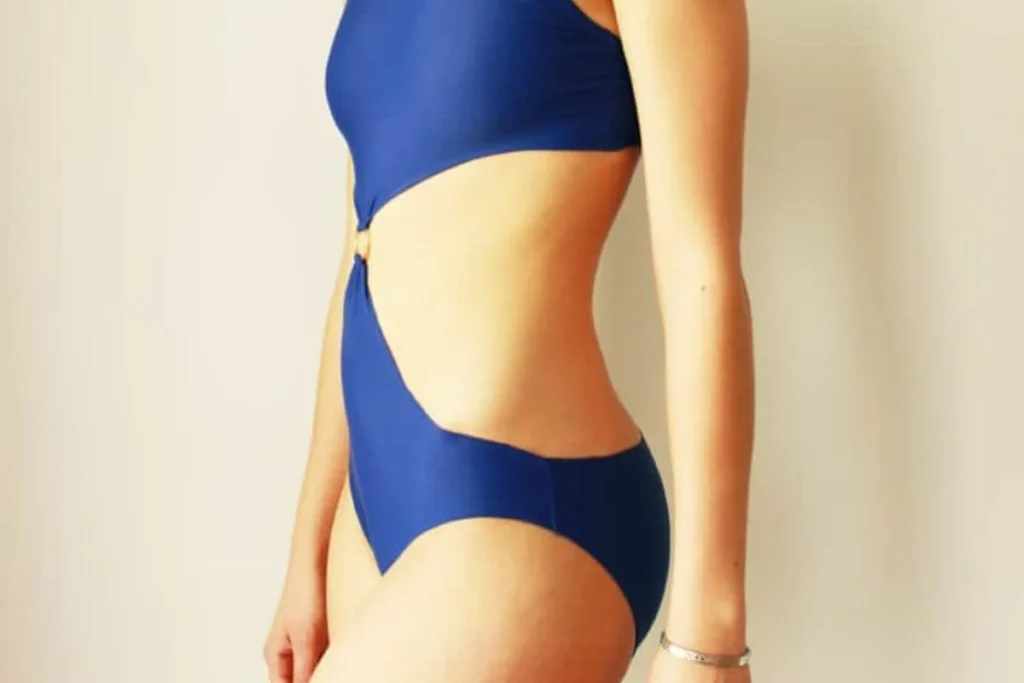
The short answer to can bathing suits be altered is yes, but the answer comes with several important caveats. Swimwear is typically made from stretchy, synthetic fabrics such as Lycra, nylon, or polyester blends that behave differently from cotton or denim. These materials are engineered to stretch, recover, and resist chlorine, which means that any alteration must respect the fabric’s elasticity to avoid tearing or distorting the suit’s shape.
Key factors that determine whether a bathing suit can be successfully altered include:
- Fabric composition: High‑spandex blends can usually be taken in or let out by a few centimeters, while fabrics with low stretch may not tolerate much modification.
- Construction method: Many swimsuits use flatlock seams, bonded edges, or even laser‑cut panels that limit where stitches can be added.
- Design details: Features such as built‑in padding, underwire, or intricate cut‑outs may restrict alteration options.
When you understand these fundamentals, you’ll be better equipped to answer the core question: can bathing suits be altered without compromising durability or style? The sections that follow break down the process step by step.
Assessing Your Bathing Suit for Alterations

Before you pick up a needle or call a tailor, evaluate the suit you already own. Here’s a quick checklist to determine if can bathing suits be altered applies to your piece:
Fabric Test
- Stretch the fabric gently in multiple directions. If it rebounds without feeling thin, it likely has enough elasticity for minor adjustments.
- Check the care label for “hand wash only” or “do not bleach” warnings—these often indicate delicate construction that may be sensitive to extra stitching.
Seam Inspection
Look for flatlock seams (the smooth, double‑stitched lines) versus bonded seams (where fabric edges are glued). Flatlock seams are easier to re‑sew; bonded seams may require a professional who can re‑bond or use specialized adhesives.
Design Elements
Identify any built‑in features such as underwire, removable pads, or decorative cut‑outs. These components often restrict how much fabric can be taken in or let out. If your suit has a complex design, you may need a specialist who understands both fashion construction and swimwear performance.
By completing this assessment you’ll have a solid answer to whether can bathing suits be altered for your specific case, setting the stage for either a DIY approach or a professional consultation.
Common Alteration Techniques

When the assessment confirms that your swimsuit is a good candidate, several techniques can be employed. Each method respects the stretch and durability of swimwear fabrics while delivering a better fit.
Can Bathing Suits Be Altered: Taking In Side Seams
Side seam adjustment is the most common method for reducing excess width. A tailor will carefully open the seam, remove a small strip of fabric (usually 1‑2 cm), and resew using a stretch stitch. This keeps the garment’s elasticity intact.
Letting Out the Cup or Torso
If the suit is too tight, letting out a seam is possible if there is extra fabric hidden in the seam allowance. The tailor can open the seam, add a gusset, and re‑stitch. This method works best on suits that were originally cut generously.
Adjusting the Straps
Strap length can be altered by removing the existing strap and re‑attaching a longer or shorter one. Some swimsuits have removable straps with bar‑tack holes, making this a relatively simple adjustment.
Adding or Removing Padding
For busty figures, adjusting padding can dramatically improve comfort. Padding can be removed or replaced with thinner inserts, provided the cup structure allows it. This is a delicate task best left to a professional who knows how to maintain the cup’s shape.
Each technique answers the overarching question can bathing suits be altered while ensuring the garment remains functional and stylish.
Choosing the Right Tailor or DIY Approach
Deciding whether to tackle alterations yourself or hire a professional hinges on your confidence with sewing stretch fabrics and the complexity of the modification. Here are some guidelines to help you decide.
DIY Considerations
- Equipment: A serger or a sewing machine with a stretch stitch setting is essential.
- Skill level: Comfort with handling slippery fabrics and using a ball‑point needle reduces the risk of snags.
- Time: Simple side‑seam adjustments can be completed in under an hour, while more intricate changes may take longer.
Professional Tailoring
Professional tailors who specialize in swimwear have the right tools—such as ultrasonic welders for bonded seams—and the experience to preserve the suit’s elasticity. To find a qualified tailor, ask for referrals from local boutiques or search online for “swimwear alteration specialist.”
For inspiration on how to set up a dedicated workspace for sewing projects, check out the ultimate guide to finding the best sewing chair for your creative space. A comfortable, ergonomically designed chair can make those longer alteration sessions far more enjoyable.
Cost Considerations and Timeline
Understanding the financial and scheduling aspects of can bathing suits be altered helps you plan realistically. Simple seam reductions typically cost $15‑$30, while more extensive work—like adjusting cups or adding padding—can range from $40‑$80. Professional swimwear specialists may charge a premium due to the specialized equipment required.
Turnaround time varies:
- Simple DIY adjustments: Immediate, depending on your schedule.
- Local tailor: Usually 2‑5 business days for minor changes.
- Specialist service: May require 1‑2 weeks, especially if the suit needs re‑bonding.
If you’re budgeting for a whole wardrobe refresh, consider the long‑term value of a well‑fitted suit versus purchasing a new one. Investing a modest amount in alteration can extend the life of a high‑quality piece, aligning with sustainable home‑style principles.
Maintaining the Altered Suit
After you’ve answered can bathing suits be altered with a successful modification, proper care will ensure the changes last. Follow these maintenance tips:
- Hand‑wash in cool water with a mild detergent to protect the stretch fibers.
- Avoid wringing; instead, gently press out excess water.
- Lay flat to dry away from direct sunlight, which can degrade elastane over time.
- Store the suit flat or rolled, not folded, to prevent creases that could stress the altered seams.
These habits preserve both the original construction and the new alterations, allowing you to enjoy a perfect fit season after season.
Quick Tips for Altering Bathing Suits
- Test a small hidden seam first to see how the fabric reacts to stitching.
- Use a ball‑point needle to prevent snagging the stretchy fibers.
- Seal raw edges with a fabric glue or a zig‑zag stitch to avoid fraying.
- Keep a spare set of elastic for strap adjustments.
- Document measurements before you start; a quick photo helps track changes.
Common Mistakes to Avoid
Even experienced sewers can stumble when tackling swimwear. Here are the most frequent pitfalls and how to sidestep them:
- Over‑tightening: Removing too much fabric can restrict stretch and cause discomfort. Aim for incremental adjustments.
- Using the wrong stitch: A straight stitch will break when the fabric stretches. Always select a stretch or zig‑zag stitch.
- Neglecting seam allowances: Some suits have minimal seam allowances, leaving little room for alteration. Check before you cut.
- Skipping a test wash: After alteration, wash the suit to ensure the new seams hold up to chlorine and saltwater.
By staying aware of these issues, you’ll reinforce the confidence that can bathing suits be altered is not just a theoretical question but a practical reality you can master.
Frequently Asked Questions
Can I alter a swimsuit with built‑in underwire?
Altering a suit with underwire is risky because the wire can shift or poke through new seams. Minor strap adjustments are usually safe, but for cup changes you’ll need a professional who can re‑reinforce the underwire or replace it entirely.
Is it possible to let out a swimsuit that’s too tight?
Yes, if the original seam allowance contains extra fabric. A tailor can add a small gusset to increase width by up to 2 cm. If there’s no extra fabric, letting out is not feasible without compromising the suit’s structure.
Do all fabrics stretch enough for alterations?
High‑spandex blends (15%+ elastane) stretch well and tolerate seam changes. Fabrics with low elastane, such as pure nylon, are less forgiving and may tear if altered aggressively.
How much does a professional alteration typically cost?
Simple side‑seam reductions range from $15‑$30, while more complex work—like adjusting cups or resewing bonded seams—can cost $50‑$80. Prices vary by region and specialist expertise.
Can I use regular thread for swimming suit alterations?
Use a polyester or nylon thread designed for stretch fabrics. Regular cotton thread will break under the tension of a swimsuit’s elastic fibers.
Will alterations affect the suit’s chlorine resistance?
Properly stitched seams with stretch thread maintain the original chlorine resistance. However, if the seam is bonded rather than stitched, a professional may need to re‑bond using a chlorine‑safe adhesive.
Now that you have a comprehensive answer to can bathing suits be altered, you can approach your next swimwear purchase with confidence. Whether you choose a DIY route, enlist a specialist, or simply apply careful maintenance, the perfect fit is within reach. Explore more styling ideas and practical home‑design tips on The Homara, and let your wardrobe—and your living spaces—reflect the same thoughtful, personalized touch.