
Table of Contents
- The Beauty of Low Light Indoor Trees: Choosing the Right Species
- 1. Snake Plant (Sansevieria trifasciata)
- 2. ZZ Plant (Zamioculcas zamiifolia)
- 3. Parlor Palm (Chamaedorea elegans)
- Strategic Placement: Maximizing Impact in Low‑Light Rooms
- Living Room Corners
- Bedroom Nightstands
- Bathroom Shelves
- Design Integration: Pairing Trees with Modern Home Styling
- Care Essentials: Maintaining Health in Low‑Light Conditions
- Watering
- Fertilizing
- Cleaning Leaves
- Quick Home Décor Tips
- Common Mistakes and How to Avoid Them
- Frequently Asked Questions
- Elevating Your Space with Low Light Trees
The Beauty of Low Light Indoor Trees – Elegant Greenery for Any Home
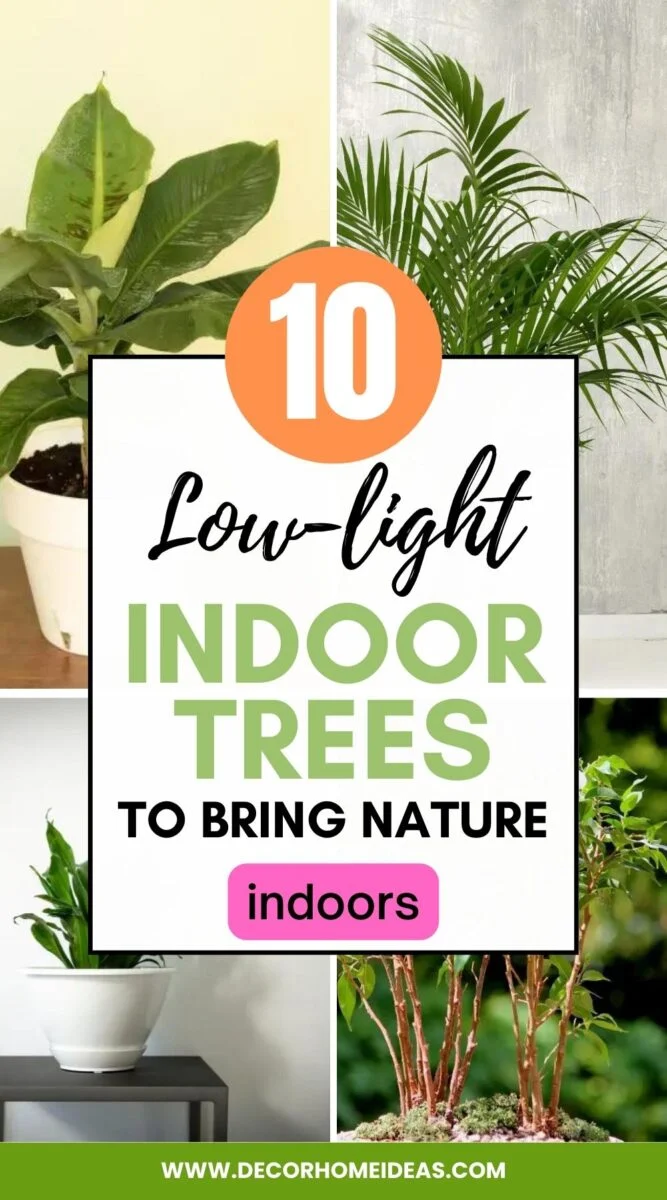
Bringing nature inside has become a cornerstone of modern home décor, yet many dwellers shy away from larger plants because of lighting constraints. The beauty of low light indoor trees lies in their ability to thrive where sunlight is scarce, offering a lush, calming presence without demanding a sun‑filled window. Whether you live in a city apartment with limited natural light or have a cozy bedroom that only receives indirect glow, these resilient trees can become the focal point of your interior design.
Beyond aesthetic appeal, low light indoor trees improve air quality, reduce stress, and add a layer of texture that softens hard surfaces. In this guide we’ll explore the most adaptable species, strategic placement ideas, and styling tips that blend seamlessly with contemporary interiors. By the end, you’ll feel confident selecting and caring for the perfect tree that enhances your space while thriving in the shade.
The Beauty of Low Light Indoor Trees: Choosing the Right Species
Not all trees are created equal when it comes to thriving under minimal light. Selecting a species that naturally adapts to understory conditions is the first step toward enjoying the beauty of low light indoor trees without constant worry. Below are three standout options that combine visual impact with easy maintenance:
1. Snake Plant (Sansevieria trifasciata)
Although often categorized as a succulent, the upright leaves of the snake plant resemble a miniature tree. It tolerates low light, infrequent watering, and can grow up to three feet tall, making it perfect for corners or narrow hallways.
2. ZZ Plant (Zamioculcas zamiifolia)
The glossy, feather‑like foliage of the ZZ plant gives a tropical vibe even in dim rooms. Its rhizomes store water, so it endures neglect while still delivering a bold, architectural presence.
3. Parlor Palm (Chamaedorea elegans)
With a graceful, feathery canopy, the parlor palm adds a classic, sophisticated look. It thrives in filtered light and can reach five feet, allowing you to create a striking statement piece in living rooms or bedrooms.
- Consider the mature height and spread before purchasing.
- Match the plant’s leaf texture to your existing décor (e.g., sleek metal furniture pairs well with the glossy ZZ plant).
- Place the tree near a reflective surface to maximize any available light.
Strategic Placement: Maximizing Impact in Low‑Light Rooms
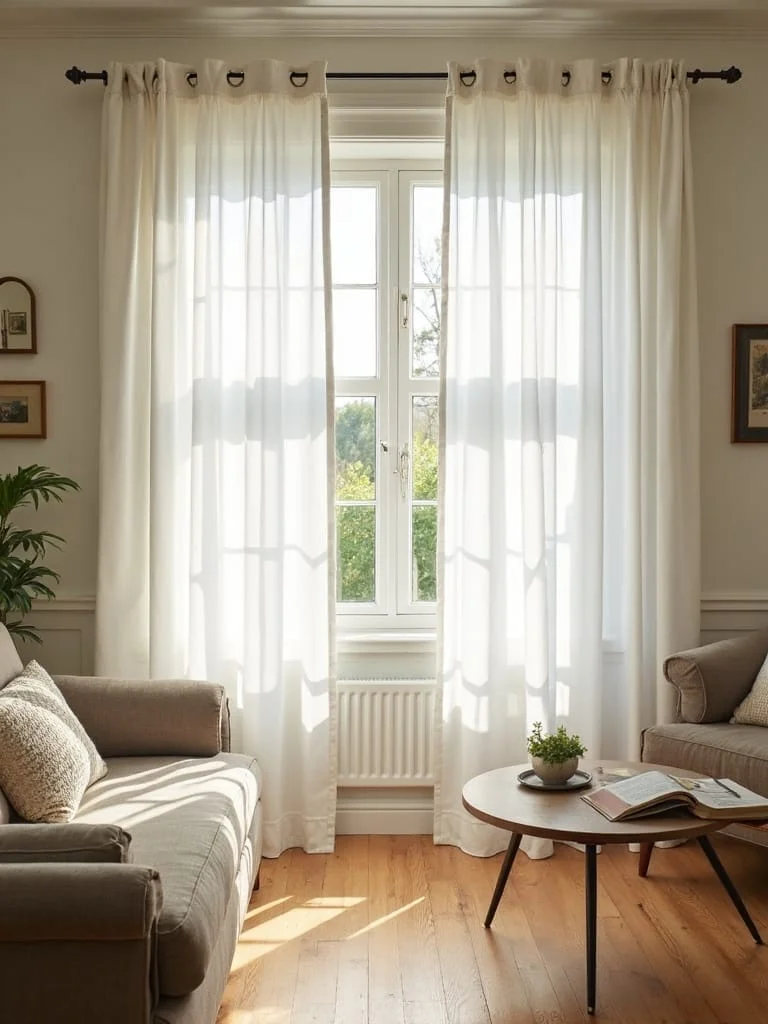
Understanding how to position your tree is essential for showcasing the beauty of low light indoor trees while ensuring their health. Here are three placement strategies that work across various rooms:
Living Room Corners
Large, low‑light‑tolerant trees such as the parlor palm can anchor an empty corner, balancing sofas or media consoles. Pair the tree with a low‑profile side table and a soft rug to create a cozy reading nook.
Bedroom Nightstands
A compact snake plant on a nightstand adds a subtle splash of green without overwhelming the space. Its upright form complements headboards and can be paired with soft lighting for a tranquil ambiance.
Bathroom Shelves
Moisture‑loving varieties like the ZZ plant handle the humidity of a bathroom beautifully. Place it on a floating shelf near the sink, and consider pairing it with neutral jar bathroom décor ideas for a cohesive look.
Remember to rotate the tree periodically to ensure all sides receive equal light exposure, even if that light is indirect.
Design Integration: Pairing Trees with Modern Home Styling
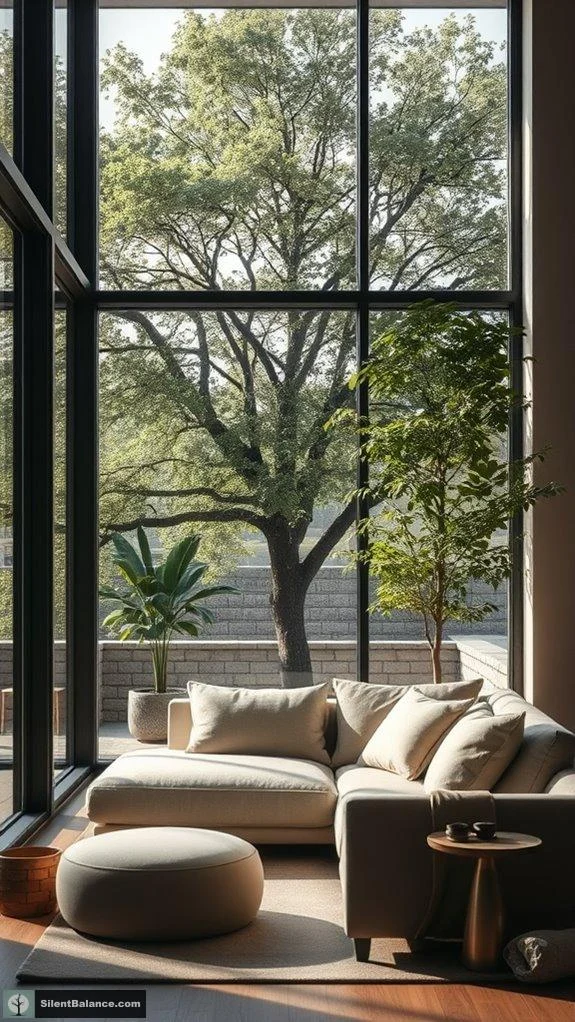
Integrating the beauty of low light indoor trees into contemporary interiors involves more than just placing a plant. It’s about creating harmony between foliage, furniture, and color palettes. Below are three styling concepts that elevate your décor:
- Monochrome Minimalism: Choose a tall, sculptural snake plant and pair it with a black marble coffee table and crisp white walls. The contrast highlights the plant’s architectural silhouette.
- Warm Natural Tones: Combine a parlor palm with reclaimed wood flooring and earthy textiles. This creates an inviting, organic environment reminiscent of a forest retreat.
- Industrial Edge: Position a ZZ plant beside metal pipe shelving and exposed brick. The glossy leaves soften the raw textures, adding balance.
For more ideas on blending textures, see our guide on cozy apartment décor ideas, which offers inspiration on creating warm, inviting spaces that complement indoor greenery.
Care Essentials: Maintaining Health in Low‑Light Conditions
Even the hardiest low light indoor trees require attentive care to look their best. Follow these essential guidelines to keep your tree thriving:
Watering
Overwatering is the most common mistake. Allow the top inch of soil to dry before watering again. For succulents like the snake plant, extend the interval to two weeks in cooler months.
Fertilizing
Use a balanced, slow‑release fertilizer once in spring and once in summer. Low light trees grow slower, so excessive feeding can cause leaf burn.
Cleaning Leaves
Dust blocks photosynthesis, even in low light. Gently wipe leaves with a damp cloth monthly to keep them glossy and efficient.
Adopting these practices ensures the beauty of low light indoor trees remains vibrant year after year.
Quick Home Décor Tips
- Group multiple low‑light trees of varying heights for a layered, jungle‑like effect.
- Use decorative pots that match your room’s color scheme to enhance cohesion.
- Incorporate reflective accessories, such as metallic trays, to bounce light onto your trees.
- Place a tree near a source of artificial light, like an LED floor lamp, for added brightness.
- Rotate your tree quarterly to promote even growth.
Common Mistakes and How to Avoid Them
Even seasoned decorators can slip up when working with indoor greenery. Here are frequent errors and practical solutions:
- Choosing the Wrong Size: Oversized trees can overwhelm a small room. Measure your space and select a plant that fits proportionally.
- Neglecting Light Sources: Relying solely on natural light in a windowless area will stunt growth. Supplement with grow lights or place the tree near a bright wall.
- Improper Potting Mix: Heavy, clay‑based soils retain too much moisture, leading to root rot. Use a well‑draining mix designed for indoor foliage.
- Ignoring Humidity Needs: While many low light trees tolerate dry air, bathrooms benefit from the humidity-loving ZZ plant, which thrives in steamy conditions.
Frequently Asked Questions
Can low light indoor trees survive without any natural light?
Yes, certain species like the snake plant and ZZ plant can persist under artificial lighting alone. However, a few hours of indirect natural light per week will promote healthier growth.
How often should I repot a low light indoor tree?
Typically every 2–3 years, or when you notice roots emerging from drainage holes. Repotting in spring minimizes stress.
Are there pet‑safe low light trees?
The parlor palm and spider plant are non‑toxic to cats and dogs, making them safe choices for pet owners seeking the beauty of low light indoor trees.
What’s the best way to increase light without adding windows?
Install full‑spectrum LED grow lights positioned 12–18 inches above the foliage, running them for 10–12 hours daily. This mimics natural daylight and supports photosynthesis.
Can I use low light trees as a backdrop for wall art?
Absolutely. Position a tall parlor palm or snake plant beside a gallery wall to add depth and soften the visual impact of framed pieces.
Elevating Your Space with Low Light Trees
Integrating the beauty of low light indoor trees into your home is a rewarding journey that blends nature with design. By choosing the right species, placing them thoughtfully, and maintaining simple care routines, you can enjoy lush, vibrant greenery even in the dimmest corners. These trees not only elevate the visual appeal of living rooms, bedrooms, and bathrooms but also contribute to a healthier indoor environment.
As you experiment with different styles—whether it’s a sleek modern loft or a cozy apartment—remember that each tree tells its own story. Let the foliage become a living accent, reflecting your personal taste while providing calm and freshness. For more inspiration on blending furniture and plants, explore our article on choosing the right recliner for your living space, which highlights how accessories can complement indoor greenery.
Embrace the transformative power of indoor trees, and watch as your home blossoms with natural elegance.