
Table of Contents
- Why living room décor with small plant corners works
- Choosing the right plants for compact corners
- Low‑light champions
- Bright‑corner favorites
- Furniture and accessories that complement plant corners
- Narrow console tables
- Floating shelves
- Plant stands and ladders
- Styling techniques: layering, lighting, and texture
- Layering different heights
- Strategic lighting
- Mixing textures
- Creative display ideas for tiny spaces
- Hanging planters
- Vertical garden panels
- Corner‑specific furniture
- Maintaining healthy plants in high‑traffic living rooms
- Watering schedule
- Dust removal
- Rotating plants
- Integrating plant corners into a cohesive design
- Color coordination
- Complementary décor elements
- Functional synergy
- Quick Tips for living room plant corners
- Common Mistakes to Avoid
- Frequently Asked Questions
- Putting it all together
Living Room Décor with Small Plant Corners: Fresh Ideas for Modern Spaces
Adding a touch of greenery to a living room has become one of the most beloved trends in interior design. Small plant corners, in particular, offer a subtle yet powerful way to introduce nature without overwhelming the space. Whether you live in a compact apartment or have a spacious lounge, a carefully curated plant corner can soften hard edges, improve air quality, and become a conversation starter.
In this article we’ll explore why living room décor with small plant corners works so well, how to select the right plants, and which furniture pieces and lighting tricks amplify the effect. You’ll walk away with a toolbox of practical ideas, quick‑action tips, and answers to common questions, so you can confidently bring a fresh, organic vibe to your living area.
Why living room décor with small plant corners works
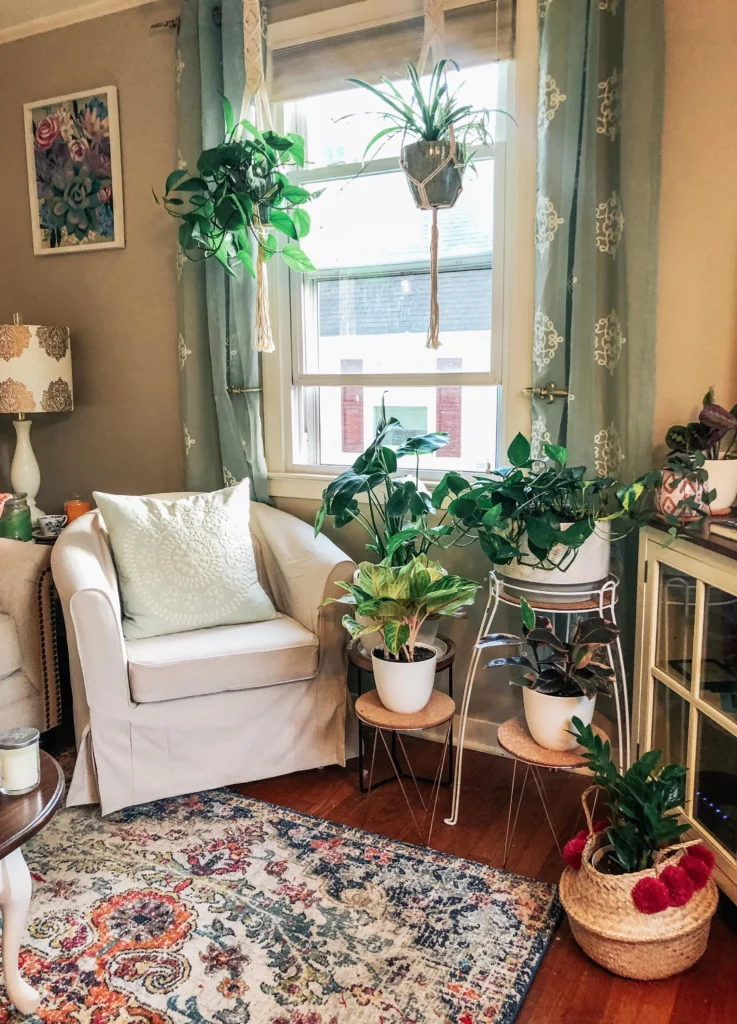
The magic of small plant corners lies in their ability to create focal points without demanding a lot of floor space. A single tall foliage plant or a cluster of trailing succulents placed in an unused nook draws the eye upward, adding a sense of height and depth. This visual expansion is especially valuable in rooms where square footage feels limited.
Beyond aesthetics, living room décor with small plant corners supports well‑being. Studies show that indoor plants can reduce stress, boost concentration, and filter pollutants. By positioning plants near seating areas, you encourage a calmer atmosphere that invites lingering conversations and relaxed reading sessions. The result is a living room that feels both stylish and nurturing.
Choosing the right plants for compact corners
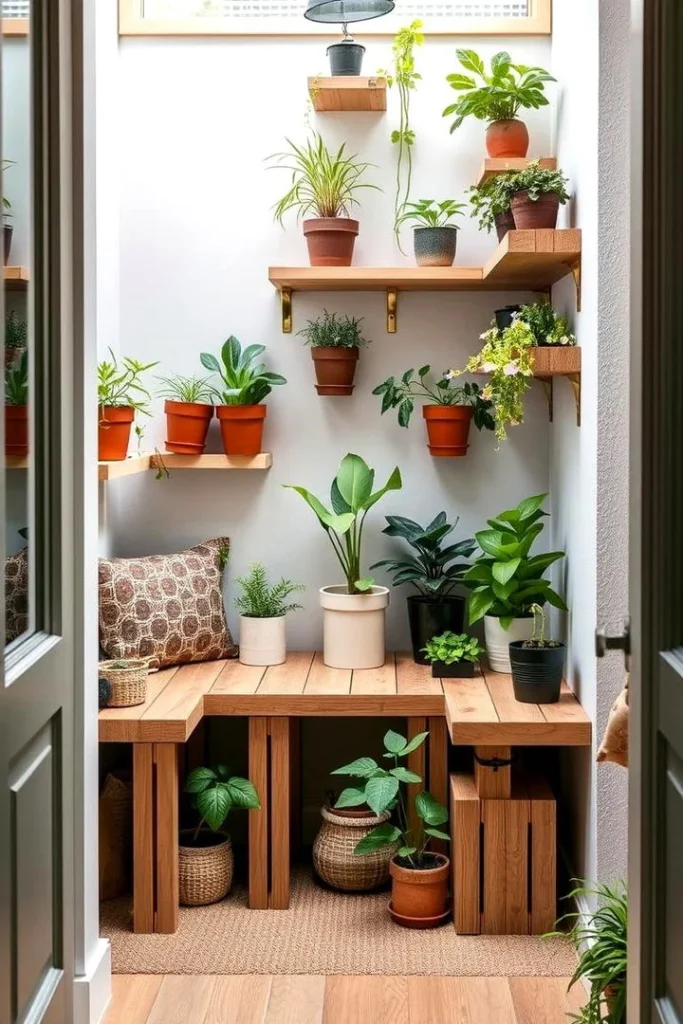
Not every plant thrives in a corner that receives filtered light or occasional drafts. Selecting species that suit the micro‑environment ensures longevity and reduces maintenance headaches.
Low‑light champions
- ZZ plant (Zamioculcas zamiifolia) – tolerates low light and infrequent watering.
- Snake plant (Sansevieria) – adds architectural interest while purifying the air.
- Peace lily (Spathiphyllum) – blooms in shade and signals when it needs water.
Bright‑corner favorites
- Monstera deliciosa – thrives in bright, indirect light and makes a bold statement.
- Philodendron – its trailing vines look gorgeous draped over a small shelf.
- Fiddle‑leaf fig (Ficus lyrata) – best for corners with a sunny window.
When you pair these plants with attractive pots—ceramic, woven, or recycled metal—you reinforce the overall living room décor with small plant corners theme while adding texture.
Furniture and accessories that complement plant corners
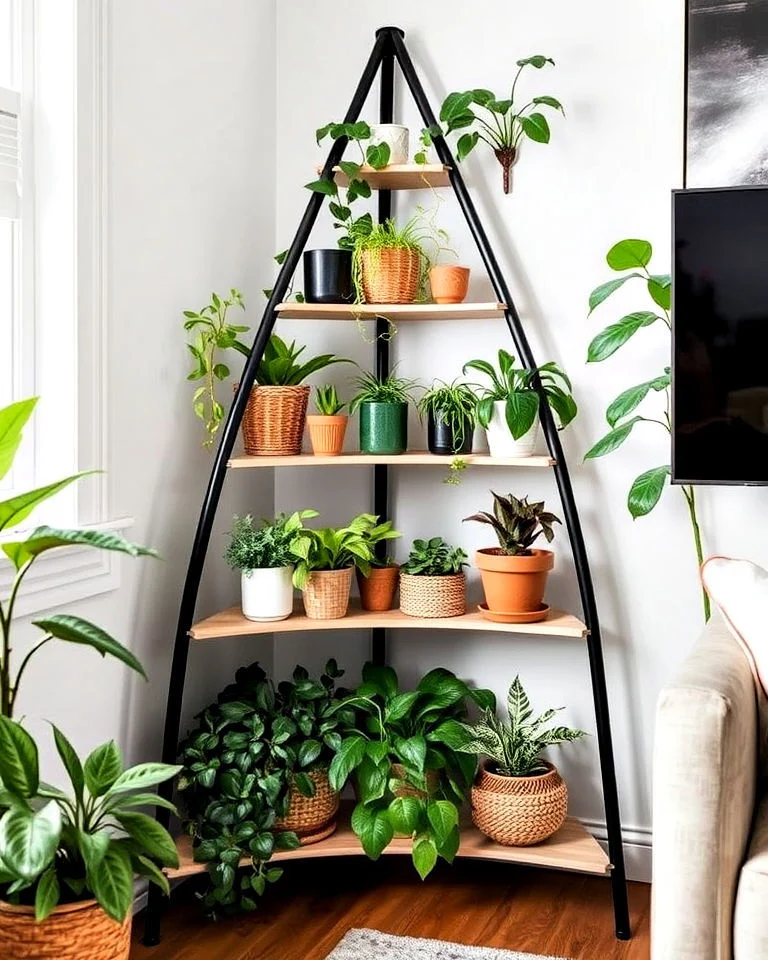
Choosing the right supporting pieces turns a simple corner into a curated vignette. A narrow console, floating shelf, or decorative ladder can serve as a platform for your greens.
Narrow console tables
Opt for a slim console that slides against the wall without obstructing traffic flow. A light‑finished wood or metal frame provides a neutral backdrop, letting the foliage become the star.
Floating shelves
Floating shelves create a “floating garden” effect. Stagger two or three levels to accommodate plants of varying heights, and intersperse decorative objects like ceramic vases or sculptural books.
Plant stands and ladders
Multi‑tier plant stands add vertical interest. A small wooden ladder, for example, can hold a trailing pothos on the top rung while a compact succulent occupies the bottom shelf. This approach mirrors the ideas shared in our guide on entryway décor with plant stands, where layering height creates dynamic visual flow.
Styling techniques: layering, lighting, and texture
Styling is where your personal taste shines. By layering plant sizes, mixing textures, and playing with light, you transform a corner into a miniature oasis.
Layering different heights
Place a taller statement plant at the back of the corner, a medium‑sized pot in the middle, and a few low‑profile succulents in front. This tiered arrangement guides the eye through the space and creates a sense of abundance.
Strategic lighting
Use a floor lamp with an adjustable arm, a wall‑mounted swing arm, or even LED strip lighting to highlight the foliage after dark. Warm‑white LEDs mimic natural sunlight, encouraging healthy growth while adding a cozy glow to the room.
Mixing textures
Combine smooth ceramic pots with rustic woven baskets, or pair a glossy metal planter with a reclaimed wood stand. The juxtaposition of textures adds depth and keeps the living room décor with small plant corners feeling fresh.
Creative display ideas for tiny spaces
Even the smallest nooks can become showcases with a dash of imagination.
Hanging planters
Install a sleek macramé hanger or a minimalist metal pot from the ceiling. Hanging plants free up floor space and introduce a gentle movement as the leaves sway.
Vertical garden panels
For a bold statement, mount a living wall panel in the corner. Small pockets hold herbs, air‑plants, or moss, turning the corner into a functional herb garden that also doubles as décor.
Corner‑specific furniture
Look for furniture designed for angles—like a corner coffee table with built‑in planter boxes. This dual‑purpose piece maximizes utility while reinforcing the green theme.
Maintaining healthy plants in high‑traffic living rooms
Living rooms often experience fluctuating temperatures, direct sunlight, and occasional drafts from doors. Proper care ensures your plants stay vibrant.
Watering schedule
Check soil moisture weekly. Stick your finger an inch deep; if it feels dry, water lightly. Over‑watering is a common mistake that leads to root rot.
Dust removal
Dust blocks photosynthesis. Gently wipe leaves with a soft, damp cloth every two weeks, or give them a brief shower in the sink to keep them clean and glossy.
Rotating plants
Turn each pot a quarter turn every month so all sides receive equal light. This simple habit prevents lopsided growth and keeps the living room décor with small plant corners looking balanced.
Integrating plant corners into a cohesive design
The final step is to weave your plant corners into the broader style narrative of the room. Whether you favor a minimalist Scandinavian look, a bold mid‑century modern vibe, or a cozy boho feel, plants act as versatile connectors.
Color coordination
Choose pots that echo existing hues—soft neutrals for a calm palette, or vibrant terracotta for a Mediterranean vibe. Pairing colors helps the greenery feel intentional rather than an afterthought.
Complementary décor elements
Incorporate botanical prints on the walls or a woven rug that mirrors leaf patterns. Our article on wall décor with botanical prints provides inspiration on how art and plants can echo each other.
Functional synergy
If you love coffee, place a small plant on a corner side table alongside your favorite mug. The synergy between function and foliage reinforces a lived‑in, welcoming atmosphere.
Quick Tips for living room plant corners
- Start with a single statement plant and add smaller companions over time.
- Use self‑watering pots for low‑maintenance corners.
- Position plants near windows but avoid direct afternoon sun that can scorch leaves.
- Rotate pots monthly to ensure even light exposure.
- Incorporate a decorative tray to catch excess water and protect flooring.
Common Mistakes to Avoid
- Overcrowding the corner: Too many pots can look cluttered and restrict airflow.
- Ignoring light levels: Placing shade‑loving plants in bright spots leads to leaf burn.
- Using the wrong soil mix: Cacti and succulents need well‑draining media, whereas ferns prefer moisture‑retentive mixes.
- Neglecting humidity: Low‑humidity rooms can cause browning leaf edges; a pebble tray adds needed moisture.
- Forgetting to refresh décor: Rotate decorative objects and pots seasonally to keep the look dynamic.
Frequently Asked Questions
Can I use artificial plants in my living room décor with small plant corners?
Artificial foliage provides a maintenance‑free alternative, but it lacks the air‑purifying benefits of real plants. If you choose faux options, select high‑quality, textured varieties and place them alongside real greens for a balanced look.
How often should I repot my corner plants?
Most indoor plants benefit from repotting every 12–18 months, or when you notice roots circling the pot’s bottom. Refreshing the soil restores nutrients and gives the roots room to expand, keeping the plant healthy and visually appealing.
What’s the best way to protect my floor from water spills?
Place a decorative tray or a water‑resistant mat under each pot. This catches excess drainage and prevents staining on hardwood or carpeted surfaces.
Do I need special fertilizer for plants in low‑light corners?
A balanced, slow‑release fertilizer applied once in spring and again in late summer is sufficient for most low‑light species. Over‑fertilizing can cause leaf burn, so follow the product’s dosage instructions carefully.
How can I incorporate pet‑friendly plants into my décor?
Choose non‑toxic varieties such as spider plant, Boston fern, or prayer plant. Position them out of reach of curious pets, and always verify toxicity lists before adding new greenery.
By paying attention to light, water, and placement, you can create thriving green corners that enhance your living room’s style and comfort.
Putting it all together
Integrating living room décor with small plant corners is a straightforward yet rewarding project. Start by assessing the light and space you have, then select plants that fit those conditions. Pair them with sleek furniture, thoughtful lighting, and complementary textures to turn an overlooked nook into a vibrant focal point. Remember to maintain a regular care routine and avoid common pitfalls, and you’ll enjoy a living room that feels both modern and alive.
Ready to experiment? Begin with a single statement plant, add a stylish pot, and watch how the space transforms. For more inspiration, explore our guide on home living room inspiration and discover additional ideas that align with your personal aesthetic.